Source Automatic 7 Roller Coil Straightener for Metal Processing
Find and compare 30 listings for the Automatic 7 Roller Coil Straightener. These machines feature CNC machining, gravity casting, and ISO 9001 certification. Options include custom sizes, electroplating, and online support for wire, pipe, and sheet applications; compare the available evidence and request quotations based on your requirements.
Key considerations
Products List


$1999.00 - $2999.00
MOQ: 1 SET


$1999.00 - $2999.00
MOQ: 1 SET

Custom Precision Coil Straightener for Efficient Metal Plate Straightening
$799.00 - $999.00
MOQ: 1 Pieces


Precision Coil Straightener Machine for Reliable Straightening Operations
$799.00 - $999.00
MOQ: 1 Pieces


Customizable Heavy-Duty Coil Straightener for Reliable Metal Applications
$799.00 - $999.00
MOQ: 1 Pieces


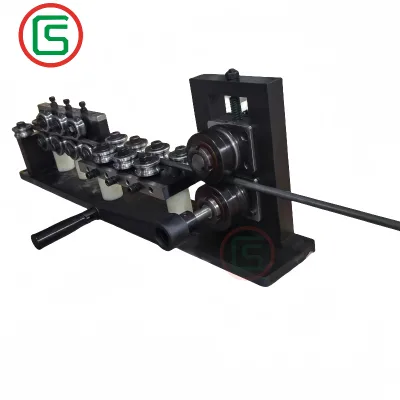


Automatic Machine Nc Servo 2 in 1 Uncoiler Straightener for Metal Parts
$8000.00 - $20000.00
MOQ: 1 Pieces


Nc Servo Presses Decoiler and Straightener 2 in 1 Uncoiler with Straightener Machine
$8000.00 - $20000.00
MOQ: 1 Pieces


High Precision 2 in 1 Straightener with Decoiler Compact Uncoiler Straightener Unit
$8000.00 - $20000.00
MOQ: 1 Pieces

High Speed Automatic Energy Saving Precision Steel Bar Coil Wire Straightener
$10800.00 - $11200.00
MOQ: 1 Pieces


Comprehensive Sourcing Guide
Automatic 7 Roller Coil Straightener Sourcing Guide
Procuring an Automatic 7 Roller Coil Straightener requires a careful balance between mechanical precision and operational automation. Buyers must first define the specific material thickness and width ranges their production lines will handle, as these parameters dictate the necessary roller diameter and power requirements. The observed market data indicates a wide price spectrum, ranging from approximately $230 to $32,000, which often reflects differences in motor quality, frame rigidity, and the level of integrated automation. Understanding these variances is crucial for aligning budget constraints with actual production needs, ensuring that the selected machine delivers the required straightening accuracy without unnecessary capital expenditure on over-specification.
The term "automatic" in this context typically refers to the feeding mechanism, speed control, and often the integration with downstream processing equipment. Suppliers may offer varying degrees of automation, from basic electric transmission systems to fully automated lines with frequency converters and PLC controls. It is essential to verify the specific automation features included in the quote, such as the presence of a frequency converter for speed regulation or automatic thickness adjustment mechanisms. This verification ensures that the machine can maintain consistent output quality and integrate seamlessly into existing workflows, reducing manual intervention and minimizing the risk of material damage during the straightening process.
Product Scope and Observed Listing Signals
The current market listings for coil straighteners reveal a diverse array of configurations, with models ranging from simple wire straightening units to complex plate and sheet metal straightening machinery. Observed specifications include production thicknesses from 1mm to 30mm and widths up to 2500mm, indicating that buyers must carefully match their material dimensions to the machine's capacity. Some listings highlight specific roller configurations, such as 7-roller or 9-roller setups, which directly impact the straightening efficiency and the ability to handle different material types, including iron, aluminum, and stainless steel. These variations suggest that a one-size-fits-all approach is ineffective, and buyers must scrutinize the technical details to ensure compatibility with their specific raw materials.
Listing signals also indicate a strong emphasis on customization, with many suppliers offering tailored solutions for roller diameters, motor power, and frame structures. The presence of terms like "customized" and "available customization" suggests that standard models may not meet all unique production requirements, prompting buyers to engage in detailed technical discussions with suppliers. Additionally, the observed origin of many products is China, with specific manufacturing hubs like Cangzhou noted, which may influence logistics and supply chain considerations. Buyers should use these signals to identify suppliers who demonstrate flexibility and technical expertise, rather than relying solely on off-the-shelf specifications that may not align with their operational goals.
Technical Specifications to Verify
When evaluating technical specifications, the roller diameter and configuration are paramount for achieving optimal straightening results. Buyers should verify the exact dimensions of the driving and leveling rollers, as these directly influence the pressure applied to the material and the resulting flatness. For instance, some listings specify driving rollers of custom diameters like φ95×2 or φ120×2, and leveling rollers of φ70×9 or φ90×9, which indicate a multi-stage straightening process. Understanding these configurations helps buyers assess the machine's capability to handle their specific material thickness and hardness, ensuring that the selected equipment can deliver the required precision without causing surface damage or excessive wear on the rollers.
Motor power and transmission methods are another critical area for verification, as they determine the machine's throughput and stability. Listings often mention frequency converters with power ratings ranging from 2.2kW to 7.5kW, which are essential for controlling the feeding speed and maintaining consistent tension. Buyers should confirm whether the transmission is electric or hydraulic, and whether the system includes automatic grade features for continuous operation. Additionally, the tolerance of the machining process, often cited as +/-0.1mm, should be verified to ensure that the machine meets the tight dimensional requirements of the final product, preventing downstream issues in assembly or finishing processes.
Compliance and Safety Documentation
Compliance with international safety and quality standards is non-negotiable when sourcing industrial machinery. Buyers must verify that the supplier provides valid certification documents, such as CE and ISO 9001, which indicate adherence to European safety directives and international quality management systems. Some listings also mention additional certifications like TUV or ISOCCC, which may be relevant depending on the target market and specific industry regulations. Ensuring that the machine is certified not only facilitates customs clearance but also provides assurance that the equipment has been tested for electrical safety, mechanical integrity, and operational reliability, reducing the risk of accidents and downtime in the production environment.
In addition to certifications, buyers should request detailed safety documentation, including user manuals, maintenance guides, and emergency stop procedures. These documents are crucial for training operators and ensuring that the machine is used correctly, which extends its lifespan and maintains performance. Suppliers should also provide information on the materials used in construction, such as iron or steel, and any surface treatments like electroplating, which contribute to corrosion resistance and durability. By thoroughly reviewing these compliance and safety documents, buyers can mitigate risks associated with equipment failure and ensure that their operations meet all regulatory requirements.
Cost Drivers and Commercial Terms
The cost of an Automatic 7 Roller Coil Straightener is influenced by several key factors, including the complexity of the automation, the quality of components, and the level of customization required. Higher-end models with advanced PLC controls, precision-ground rollers, and robust frames will naturally command higher prices, as reflected in the observed range up to $32,000. Buyers should analyze the cost breakdown to understand what features are included in the price, such as the motor brand, roller material, and control system sophistication. This transparency helps in making informed decisions about where to invest for maximum performance and where cost-saving measures might compromise quality.
Commercial terms, including MOQ, packaging, and warranty, also play a significant role in the total cost of ownership. Listings indicate an MOQ of 1 unit, which offers flexibility for small to medium-sized enterprises, but buyers should negotiate for volume discounts if multiple units are planned. Packaging is typically described as standard export packages or wood cases, which are essential for protecting the machine during transit, especially for international shipments. Additionally, a warranty period of 12 months is commonly offered, providing coverage for manufacturing defects. Buyers should clarify the terms of after-sales service, such as online support or on-site installation, to ensure that any issues can be resolved promptly, minimizing production disruptions.
Supplier Qualification and Quality Control
Supplier qualification is a critical step in ensuring the reliability and performance of the purchased machinery. Buyers should assess the supplier's manufacturing capabilities, including their experience with CNC machining and gravity casting, which are key processes in producing high-quality straightener components. Verifying the supplier's production capacity and quality control processes, such as in-process inspections and final testing, helps ensure that the machine meets the specified tolerances and performance standards. Suppliers who provide detailed information about their manufacturing facilities and quality assurance protocols are more likely to deliver consistent and reliable products, reducing the risk of receiving substandard equipment.
Quality control should also extend to the supply chain, with buyers verifying the sources of key components such as motors, bearings, and electrical parts. High-quality components are essential for the longevity and stability of the straightener, and suppliers who use reputable brands for these parts demonstrate a commitment to product excellence. Additionally, buyers should request references or case studies from previous clients to gauge the supplier's reputation and customer satisfaction levels. By conducting thorough due diligence on supplier qualifications and quality control measures, buyers can establish a strong partnership with a reliable manufacturer, ensuring long-term support and satisfaction with the purchased equipment.
Long-Term Procurement Checks
Long-term procurement success depends on establishing a robust framework for ongoing supplier evaluation and performance monitoring. Buyers should implement regular audits of the supplier's quality management systems and production processes to ensure continued compliance with agreed-upon standards. This includes verifying that any changes in materials or components are communicated and approved in advance, preventing unexpected variations in machine performance. By maintaining open communication and setting clear expectations for quality and delivery, buyers can foster a collaborative relationship that supports continuous improvement and minimizes risks associated with supply chain disruptions.
Additionally, buyers should plan for the long-term maintenance and support needs of the equipment, including the availability of spare parts and technical assistance. Suppliers who offer comprehensive after-sales service, such as online support or training programs, provide added value by helping operators maximize the machine's efficiency and lifespan. Buyers should also consider the total cost of ownership, including energy consumption and maintenance costs, when evaluating suppliers. By focusing on these long-term factors, buyers can ensure that their investment in an Automatic 7 Roller Coil Straightener delivers sustained value and supports their production goals over time.
FAQs
What certifications do the automatic straighteners hold?
The machines typically hold ISO 9001, CE, RoHS, TUV, and ISOCCC certifications. These standards ensure safety and quality compliance for international buyers. Specific models may vary, so verify the exact certification list for your selected unit before finalizing the purchase order.
Can I customize the color and specifications of the machine?
Yes, customization is available for color and specific production parameters. Buyers can request custom dimensions and finishes to match their facility requirements. The manufacturer supports tailored solutions for various industrial applications involving metal sheet or wire processing.
What is the minimum order quantity for these machines?
The minimum order quantity is one unit for most models. Some specific wire straightening manufactures also start at a single unit. This low MOQ allows small businesses to test the equipment without committing to large bulk purchases immediately.
How long is the warranty period for the equipment?
The standard warranty period provided is twelve months. This coverage applies to new machines and ensures protection against manufacturing defects. Buyers should confirm specific warranty terms with the supplier to understand the exact scope of support included.
Where are these machines manufactured and shipped from?
These machines are manufactured in China, with specific origins noted in Cangzhou. The products are packed in standard export packages or wood cases for safe shipping. Buyers should expect lead times and shipping costs to vary based on the final destination.
What materials can the straightening machine process effectively?
The machine processes iron, aluminum, stainless steel, and various metal sheets. It handles production thicknesses ranging from one to thirty millimeters. This versatility makes it suitable for furniture parts, wire, pipe, and H-beam flange applications.