Source Automatic Aluminum Alloy Auto Ladle for Die Casting
Find 30 Automatic Aluminum Alloy Auto Ladle options from Chinese manufacturers. Compare PLC-controlled, full-automatic die casting ladle robots and metal casting equipment with customization and warranty support for your production line; compare the available evidence and request quotations based on your requirements.
Key considerations
Products List


Manual Hot Metal Ladle/Teapot Pouring Ladle/ Spheroidizing Ladle for Casting
$880.00 - $5000.00
MOQ: 1 Pieces


6 Ton Manual Hot Metal Foundry Ladle Molten Metal Pouring Steel Ladle with Hand-Wheel
$1100.00 - $3000.00
MOQ: 1 Pieces


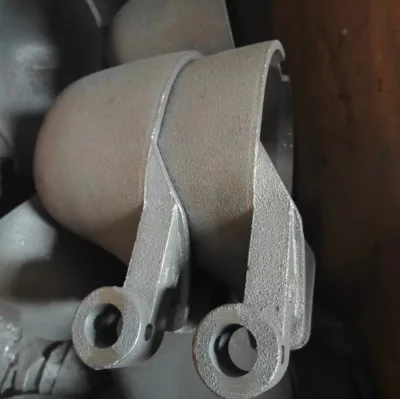

Auto Pouring Ladle for Non-Ferrous Aluminum Die Casting Foundry Operations
$200.00 - $3000.00
MOQ: 1 Pieces

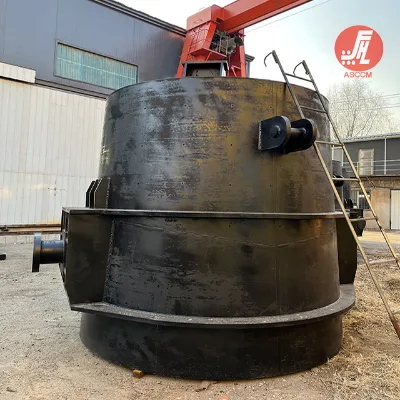
Big Ladle Vehicle Loading Ladle with Hot Metal and Liquid Steel Tapping Vehicle
$15000.00 - $26000.00
MOQ: 1 Pieces






Comprehensive Sourcing Guide
Automatic Aluminum Alloy Auto Ladle Sourcing Guide
Procuring an Automatic Aluminum Alloy Auto Ladle requires identifying equipment that integrates seamlessly with cold chamber die casting machines, as these systems are designed to handle molten metal with precision. The observed market data indicates that these units often feature full-automatic operation driven by PLC control systems, ensuring consistent ladling cycles and reduced manual intervention. Buyers must verify that the specific model supports the required die-casting machine models, such as the Lh140t to Lh400t range, to guarantee mechanical compatibility and operational safety during high-volume production runs.
The supply landscape reveals a diverse range of configurations, from standard units to fully customized solutions tailored to specific production line needs. While some listings highlight specific packing methods like wooden boxes or naked packing, the core functionality relies on the robot's ability to maintain precise temperature control and movement accuracy. Sourcing teams should prioritize suppliers who offer lifetime technical support alongside standard warranty periods, as the complexity of handling molten metal demands robust after-sales service to minimize downtime and ensure long-term reliability in demanding industrial environments.
Product Scope and Observed Listing Signals
The product scope for automatic ladle robots encompasses specialized equipment designed for die casting production lines, often featuring worm self-locking transmission systems for enhanced stability. Market observations show that these units are frequently categorized under steel-making equipment or specialized casting machinery, with models ranging from manual to electric specifications. Buyers should note that while some listings mention specific model numbers like LH-Ladler 2#, the actual capabilities vary significantly based on the supplier's customization options and the specific application requirements of the foundry.
Listing signals indicate a wide variance in pricing and minimum order quantities, reflecting the custom nature of these heavy industrial assets. Prices observed in the market span from affordable components to high-value complete systems, with MOQs ranging from single units to larger batches depending on the supplier's production capacity. It is critical for buyers to distinguish between generic descriptions and specific technical attributes, such as the distinction between sand casting and special casting methods, to ensure the selected ladle robot aligns with the intended metal casting process and material handling requirements.
Technical Specifications to Verify
Technical verification must begin with the control system architecture, as most reliable units utilize PLC-based automation to manage the ladling sequence and safety interlocks. Buyers should confirm that the transmission mechanism, often a worm gear system, offers the necessary torque and self-locking performance to prevent accidental movement during operation. Additionally, the physical dimensions and weight capacity must be validated against the specific die-casting machine models, ensuring that the ladle robot can physically interface with the injection unit without requiring extensive structural modifications to the existing production line.
Dimensional and material specifications are equally critical, with some listings citing standard sizes while others emphasize fully customizable dimensions to fit unique facility layouts. The material composition of the ladle itself is typically metal, designed to withstand extreme thermal conditions, and the surface treatment often involves spray painting to protect against corrosion and heat degradation. Buyers must also verify the machining tolerance, which can be as tight as +/-0.15mm for precision components, to ensure that the robotic arm and ladle cup maintain the necessary alignment for consistent metal pouring and minimal spillage during the casting cycle.
Compliance and Safety Documentation
Compliance documentation for automatic ladle robots should include certifications such as ISO 9001, which validates the manufacturer's quality management systems, and CE marking where applicable for European market access. Safety is paramount in molten metal handling, so buyers must request detailed safety manuals that outline emergency stop procedures, thermal protection protocols, and operator training requirements. The presence of specific standards like GB or international equivalents ensures that the equipment meets regional regulatory requirements for industrial machinery, reducing the risk of non-compliance penalties and operational hazards.
Beyond general certifications, specific safety features like the worm self-locking performance and PLC control logic must be documented to demonstrate fail-safe capabilities. Buyers should verify that the supplier provides comprehensive documentation regarding the electrical and mechanical safety systems, including overload protection and thermal monitoring sensors. It is essential to ensure that the equipment's design adheres to the relevant safety standards for the specific casting method, whether it is sand casting or special casting, to protect both the operators and the surrounding infrastructure from potential thermal or mechanical failures.
Cost Drivers and Commercial Terms
Cost drivers for automatic ladle robots are heavily influenced by the level of customization, the complexity of the control system, and the specific capacity requirements of the production line. Units with full-automatic features and advanced PLC integration typically command higher prices compared to semi-automatic or manual alternatives. Buyers should also consider the cost of ancillary components, such as specialized ladle cups and thermal insulation materials, which are essential for maintaining the integrity of the molten metal during the transfer process and can significantly impact the total cost of ownership.
Commercial terms often vary based on the supplier's location and the specific packaging requirements, with options ranging from naked packing to secure wooden box shipments. Minimum order quantities can range from a single unit to larger batches, affecting the per-unit cost and the overall investment strategy. Buyers must negotiate clear terms regarding lead times, payment schedules, and after-sales service packages, as the high value and critical nature of these machines require robust support agreements to ensure continuous operation and rapid response to any technical issues that may arise during the initial deployment phase.
Supplier Qualification and Quality Control
Supplier qualification should focus on manufacturers with a proven track record in producing die casting automation equipment, particularly those located in major industrial hubs like Guangdong or Anhui in China. Buyers must verify the supplier's ability to provide customized solutions, as the specific requirements of each foundry often necessitate tailored modifications to standard models. It is crucial to assess the supplier's quality control processes, including their adherence to ISO 9001 standards and their ability to maintain tight machining tolerances, to ensure that the delivered equipment meets the rigorous demands of high-volume aluminum alloy casting.
Quality control verification should extend to the testing of critical components, such as the transmission system and the PLC control logic, to ensure they function correctly under operational stress. Buyers should request evidence of past performance, including case studies or references from similar die casting production lines, to validate the supplier's claims regarding reliability and efficiency. Additionally, the supplier's commitment to providing lifetime technical support and a comprehensive warranty period is a key indicator of their confidence in the product's durability and their willingness to stand behind their engineering solutions.
Long-Term Procurement Checks
Long-term procurement checks must include a rigorous evaluation of the supplier's after-sales service capabilities, specifically their ability to provide timely technical support and spare parts availability. Given the critical nature of the ladle robot in the production line, buyers should ensure that the supplier offers a warranty period that covers both parts and labor, along with provisions for on-site maintenance and troubleshooting. This support structure is essential for minimizing downtime and ensuring that the equipment continues to operate at peak efficiency throughout its intended lifespan.
Buyers should also establish a protocol for regular performance audits and maintenance schedules to prevent unexpected failures and extend the operational life of the equipment. This includes verifying the condition of the ladle cup and the transmission system, as well as updating the PLC software to incorporate the latest safety and efficiency improvements. By maintaining a proactive approach to equipment management and fostering a strong partnership with the supplier, organizations can ensure that their Automatic Aluminum Alloy Auto Ladle systems remain a reliable and cost-effective component of their die casting production strategy.
FAQs
What is the typical application of an Automatic Aluminum Alloy Auto Ladle?
It is primarily used in cold chamber die casting machines to automate the transfer of molten metal. This equipment supports the die casting production line by ensuring precise and consistent pouring. The system is designed for full-automatic operation, reducing manual labor and improving safety in industrial foundries.
Can the Automatic Aluminum Alloy Auto Ladle be customized for specific machines?
Yes, customization is available to fit various die-casting models. The ladle can be tailored to match specific machine requirements, such as the Lh140t-Lh400t series. Buyers can request customized specifications to ensure seamless integration with their existing production lines and operational workflows.
What control system is used in the Automatic Aluminum Alloy Auto Ladle?
The device typically utilizes a PLC control system for reliable operation. This ensures precise automation of the ladle's movements and temperature management. The full-automatic grade allows for consistent performance, minimizing human error and enhancing the overall efficiency of the die casting process in manufacturing environments.
What certifications are associated with the Automatic Aluminum Alloy Auto Ladle?
Products often carry ISO 9001 and CE certifications to ensure quality and safety standards. These certifications indicate compliance with international manufacturing norms. Buyers should verify specific documentation with suppliers to confirm that the equipment meets the required regulatory standards for their target market and operational safety.
What is the after-sales service warranty for the Automatic Aluminum Alloy Auto Ladle?
Suppliers generally provide a one-year warranty along with lifetime technical support. This service ensures long-term reliability and assistance for maintenance needs. Buyers benefit from ongoing technical guidance, which helps in troubleshooting issues and maintaining optimal performance of the automated ladle system throughout its operational lifecycle.
How is the Automatic Aluminum Alloy Auto Ladle packaged for shipping?
Packaging options include nude, wooden box, or plastic packing depending on the supplier. The choice depends on the specific model and shipping requirements. Proper packaging protects the metal components during transit, ensuring the equipment arrives in new condition without damage, ready for immediate installation and operation at the buyer's facility.