Source Automatic Air Hair Curling Iron with LCD Display for Salon, SPA, and Hotel
Compare 30 listings of Automatic Air Hair Curling Iron with LCD Display from verified Chinese manufacturers. Buyers can evaluate PTC heater types, ceramic materials, and temperature settings for salon, SPA, and commercial applications.
Key considerations
Products List


Multi-Functional Curling Iron, Hot Air Comb, Hair Comb, Hair Styling Straight Hair Comb
$3.39 - $3.99
MOQ: 1000 Pieces

Multi-Functional Curling Iron, Ceramic Rotating Electric Curling Iron, Automatic Curling Iron
$10.34 - $11.34
MOQ: 1000 Pieces


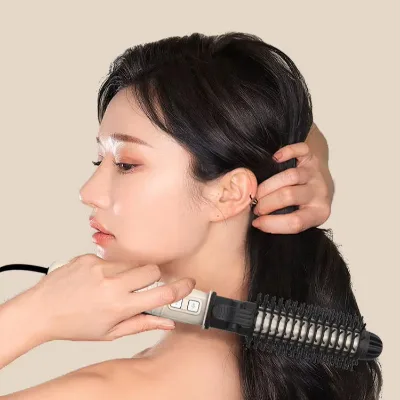
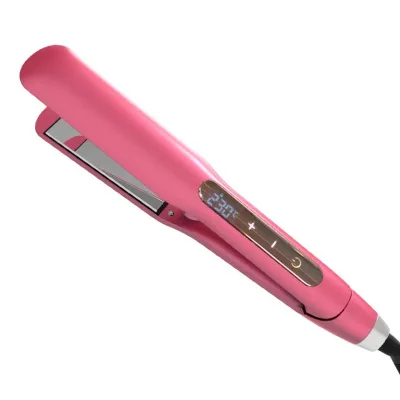
2 in 1 Hair Curler Flat Iron With LCD Display Ceramic Plate Hair Straightener
$8.26 - $16.13
MOQ: 500 pieces

Automatic Curling Iron Electric Rotating High Value Doesn't Damage Hair Automatic Curling Iron
$6.87 - $7.05
MOQ: 1000 Pieces
Comprehensive Sourcing Guide
Strategic Sourcing Guide for Automatic Air Hair Curling Irons with LCD Display
The global beauty equipment market has seen a significant shift toward automated styling solutions that combine convenience with professional-grade results. For B2B buyers researching the core keyword "Automatic Air Hair Curling Iron with LCD Display," the procurement landscape is defined by a specific set of technical attributes, regulatory requirements, and supply chain dynamics. This guide synthesizes available product data and industry standards to provide a disciplined framework for sourcing these devices. The focus remains on evidence-based decision-making, ensuring that procurement strategies align with verified product capabilities and market realities.
Technical Architecture and Operational Specifications
The fundamental differentiator for this product category is the integration of automated air technology with digital temperature control. Unlike traditional manual curling irons, the automatic variants rely on a heating element that rotates or feeds hair into a heated chamber. Based on observed product attributes, the heating mechanism typically utilizes PTC (Positive Temperature Coefficient) technology. PTC heaters are preferred in this sector due to their self-regulating nature, which prevents overheating and ensures a consistent thermal output without the need for complex external thermostats. The material composition of the heating barrel is critical; data indicates a prevalence of ceramic and tourmaline materials. Ceramic provides even heat distribution, while tourmaline is often cited for its ability to emit negative ions, reducing frizz and enhancing shine.
The interface for these devices is a defining feature. The "LCD display" requirement in the search query is consistently met by products featuring either LCD or LED display types. These displays serve a dual purpose: they provide real-time temperature feedback and often indicate operational modes. The observed temperature settings in the market range significantly, with some models listing a maximum setting of 180°F (80°C) and others reaching up to 230°C (450°F). This wide variance suggests that buyers must verify the specific thermal range required for their target demographic, as professional salon use often demands higher temperatures than household applications. Furthermore, the power consumption varies, with observed wattages ranging from 50W to 65W. This variance impacts energy efficiency and the thermal recovery time of the device.
The operational mode is another critical technical specification. While the core keyword specifies "automatic," the market data reveals a mix of "Automatic" and "Semi-Automatic" classifications. Automatic units typically handle the winding and heating process entirely, whereas semi-automatic units may require manual intervention for hair placement or removal. Buyers must scrutinize the product model to distinguish between these operational states. Additionally, the voltage requirements are generally standardized to 110-240V, facilitating global distribution. However, the absence of APP control in the observed data suggests that current market leaders in this specific niche rely on physical controls rather than smart connectivity, which simplifies the user interface but may limit remote monitoring capabilities.
Regulatory Compliance and Certification Verification
In the B2B procurement of electrical beauty appliances, compliance is not merely a formality but a prerequisite for market access. The supply chain data indicates that products often carry certifications such as CE, RoHS, and PSE. These certifications correspond to specific regional standards: CE for the European Economic Area, RoHS for the restriction of hazardous substances, and PSE for the Japanese market. The presence of these certificates implies that the manufacturing facilities adhere to international safety and environmental standards. However, buyers must treat these certifications as observations of specific listings rather than universal guarantees for all products in the category.
When evaluating a potential supplier, the verification of these certifications should be rigorous. The "Approval" attribute in the product data explicitly lists "Ce/RoHS/PSE Certificate," but the validity of these documents depends on the specific batch and the manufacturing location. The origin of these products is predominantly listed as Zhejiang, China, with some specific models originating from Dongguan, Guangdong. While these regions are established manufacturing hubs, the specific factory's compliance record must be validated. Buyers should request current test reports from accredited laboratories to confirm that the PTC heaters, ceramic coatings, and electrical wiring meet the safety standards implied by the certifications.
Furthermore, the product standard attribute often lists "Customized" or specific standards like "CE ROHS." This indicates that while the base design may be standardized, the final product can be tailored to meet specific regional regulatory requirements. For instance, a model intended for the US market might require UL certification, which is not explicitly listed in the general data but is a common requirement for that region. Therefore, the procurement strategy must include a clause for region-specific compliance testing. The warranty periods observed vary between 1 Year and 2 Years, which often correlates with the confidence the manufacturer has in their compliance and quality control processes. A longer warranty period may indicate a more robust adherence to safety standards, but it should be backed by clear terms regarding after-sales service and spare parts availability.
Cost Drivers and Pricing Dynamics
The pricing structure for automatic air hair curling irons is influenced by a complex interplay of material costs, technological features, and order volume. The observed price range in the market spans from $3.18 to $39.90 USD. This significant spread suggests that the product category is highly segmented, ranging from basic entry-level models to premium units with advanced features. The lower end of the price spectrum likely corresponds to models with basic LCD displays, standard ceramic coatings, and lower wattage ratings. Conversely, the higher price points are associated with features such as tourmaline-infused barrels, higher temperature settings, and more durable construction materials.
Volume is a primary driver of cost reduction in this sector. The Minimum Order Quantity (MOQ) observed ranges from 1 unit to 1000 units. This flexibility allows buyers to test the market with small batches or secure significant discounts through bulk purchasing. However, the cost per unit is not linear; it often follows a stepped discount model where the price drops significantly once the order exceeds certain thresholds, such as 500 or 1000 units. Buyers should also consider the cost of customization. The data confirms that customization is available, including custom packaging and custom labels. These value-added services inevitably increase the unit cost and may extend the production lead time.
Packaging is another cost factor. While standard packaging is listed as "Carton," customized packaging options are available. The density of packaging, such as "25PCS/Carton," affects shipping costs. For international buyers, the volumetric weight of the carton can significantly impact logistics expenses. Additionally, the production time is noted as 25 days for customized orders, with sample delivery times ranging from 4 to 6 days. These lead times must be factored into the total cost of ownership, as delays can disrupt supply chains and increase inventory holding costs. Buyers should negotiate pricing that accounts for these variables, ensuring that the total landed cost remains competitive within their target market.
Typical Applications and Market Segmentation
The versatility of automatic air hair curling irons with LCD displays allows them to serve a diverse range of applications. The product data explicitly lists applications in "Salon," "SPA," "RV," "Hotel," "Garage," "Commercial," and "Household" settings. This broad applicability indicates that the product is not limited to professional beauty salons but has penetrated the hospitality and travel sectors. In a salon or SPA environment, the reliability and speed of the device are paramount. The automatic feature reduces physical strain on stylists, allowing for higher throughput and consistent results. The LCD display provides the necessary precision for different hair types, which is a critical requirement in professional settings.
The inclusion of "RV," "Hotel," and "Garage" in the application list suggests a growing market for portable and durable styling solutions. These environments often require devices that can withstand varying power conditions and frequent use. The 110-240V voltage range supports this global usage, making the devices suitable for international travel and hospitality chains. However, the "Commercial" classification implies that these units are built for higher durability than standard household models. Buyers targeting the hospitality sector should prioritize models with robust construction and extended warranty periods, as these units will undergo heavy daily use.
For the household market, the focus shifts to ease of use and safety. The automatic feature is particularly appealing to consumers who may lack the dexterity or time to use traditional curling irons. The LCD display offers a user-friendly interface, allowing individuals to select the appropriate temperature for their hair type without guesswork. The "Big Curl" feature observed in some models caters to specific aesthetic trends, further expanding the product's appeal. Buyers should align their sourcing strategy with the specific needs of their target segment, ensuring that the product specifications match the usage environment.
Supplier Evaluation and Quality Control Protocols
Selecting the right supplier is critical for maintaining product quality and ensuring a stable supply chain. The data indicates that suppliers are located primarily in Zhejiang and Dongguan, Guangdong, China. These regions are known for their manufacturing capabilities, but the presence of multiple suppliers necessitates a rigorous evaluation process. Buyers should assess suppliers based on their ability to provide the observed attributes, such as PTC heating, ceramic/tourmaline materials, and LCD displays. The availability of "Free Spare Parts" and warranty services is a strong indicator of a supplier's commitment to long-term support.
Quality control should be a central component of the supplier evaluation. Given the variation in temperature settings and power ratings, buyers must implement strict incoming quality control (IQC) protocols. This includes verifying the accuracy of the LCD temperature display against actual thermal output. The "Customized" standard attribute suggests that suppliers may have the flexibility to adjust specifications, but this also introduces the risk of inconsistency. Buyers should request samples for testing before placing bulk orders. The sample delivery time of 4 to 6 days allows for rapid prototyping and testing, which is essential for validating the product's performance.
Furthermore, the production time of 25 days for customized orders requires careful planning. Buyers should establish clear communication channels with suppliers to monitor progress and address any potential bottlenecks. The ability to provide "Custom Made" labels and packaging is a valuable service, but it requires precise coordination to ensure that branding and regulatory markings are accurate. Suppliers should also demonstrate their capacity to handle the full range of MOQs, from small test batches to large-scale production runs. A supplier's ability to scale production while maintaining quality is a key metric for long-term partnership.
Long-Term Procurement and Strategic Considerations
Sourcing automatic air hair curling irons with LCD displays is not a one-time transaction but a strategic initiative that requires long-term planning. The availability of customization, including packaging and labeling, offers opportunities for brand differentiation. However, buyers must balance the desire for customization with the need for cost efficiency and supply chain stability. The warranty periods of 1 to 2 years provide a baseline for product reliability, but buyers should consider the total cost of ownership, including potential repair costs and the availability of spare parts.
The market trend toward automation and digital integration suggests that the demand for these products will continue to grow. Buyers should stay informed about emerging technologies, such as improved PTC heating elements or advanced LCD interfaces, to maintain a competitive edge. The observation that APP control is currently absent in the market data indicates a potential area for innovation. Suppliers who can integrate smart features may capture a larger market share, and buyers should be prepared to adapt their sourcing strategies to include these advanced models.
Finally, the geopolitical and logistical landscape must be considered. With products originating from China, buyers should be aware of potential trade tariffs, shipping delays, and currency fluctuations. Establishing a diversified supplier base can mitigate these risks. By focusing on suppliers with strong compliance records, robust quality control systems, and flexible production capabilities, buyers can ensure a steady supply of high-quality automatic air hair curling irons. The strategic approach involves not just purchasing a product, but building a resilient supply chain that can adapt to changing market demands and regulatory requirements.
Comparative Analysis of Product Attributes
To facilitate decision-making, the following table summarizes the key attributes observed in the market for automatic air hair curling irons with LCD displays. This comparison highlights the variability in specifications and helps buyers identify the features most relevant to their specific needs.
| Attribute Category | Observed Specification Range | Key Considerations for Buyers |
|---|---|---|
| Heater Type | PTC | Self-regulating; ensures safety and consistent heat. |
| Material | Ceramic, Tourmaline | Ceramic for even heat; Tourmaline for ion emission. |
| Display Type | LCD, LED | LCD preferred for detailed info; LED for basic status. |
| Temperature Range | 80°C (180°F) to 230°C (450°F) | Verify specific range for target hair types and applications. |
| Power Source | Electric (110-240V) | Universal voltage supports global distribution. |
| Operation Mode | Automatic, Semi-Automatic | Distinguish between fully automated and assisted operation. |
| Warranty | 1 Year, 2 Years | Longer warranty often indicates higher build quality. |
| Certifications | CE, RoHS, PSE | Verify validity for specific export markets. |
| MOQ | 1 to 1000 Units | Flexibility allows for testing or bulk purchasing. |
| Lead Time | 4-6 Days (Sample), 25 Days (Custom) | Plan inventory accordingly to avoid stockouts. |
This table serves as a reference point for buyers to compare different models and suppliers. By focusing on these core attributes, procurement teams can make informed decisions that align with their business objectives and customer expectations. The variability in these specifications underscores the importance of due diligence and the need for a structured evaluation process.
FAQs
What heating technology do these curling irons use?
These devices typically utilize PTC (Positive Temperature Coefficient) heating technology. This method provides self-regulating heat control to prevent overheating while ensuring consistent thermal output without complex external thermostats.
Which materials are commonly used for the heating barrel?
The heating barrels are primarily constructed from ceramic or tourmaline materials. Ceramic ensures even heat distribution, while tourmaline is often used to emit negative ions that reduce frizz and enhance hair shine.
Can these units operate on different international voltages?
Yes, most models support a voltage range of 110-240V. This standardization allows the devices to be used globally across various regions without requiring voltage converters for different power outlets.
What certifications are typically required for these electrical appliances?
Products often carry CE, RoHS, and PSE certificates for regional compliance. Buyers should verify these specific documents to ensure the manufacturing facilities adhere to international safety and environmental standards.
How does the price range vary for these devices?
The observed price range spans from 3.18 to 39.9 USD depending on features. Lower costs usually correspond to basic models, while higher prices reflect advanced features like tourmaline barrels or higher wattage ratings.
What is the typical minimum order quantity for bulk purchases?
The minimum order quantity ranges from 1 to 1000 units depending on the supplier. This flexibility allows buyers to test the market with small batches or secure discounts through significant bulk purchasing.
Are customization options available for packaging and branding?
Yes, customization is available for packaging and labels. Buyers can request custom packaging or custom labels, though these value-added services may increase the unit cost and extend the production lead time.
What warranty periods are typically offered by manufacturers?
Warranty periods observed in the market vary between 1 Year and 2 Years. A longer warranty often indicates greater confidence in product quality and may include provisions for free spare parts.