Source Automatic Canned Fruit Pasteurization Tunnel for Juice, Pulp, and Concentrate
Explore 30 listings for the Automatic Canned Fruit Pasteurization Tunnel designed for orange juice, pulp, and concentration lines. Buyers can compare specifications, capacities ranging from 100kg to 10t per hour, and customization options for stainless steel 304/316 equipment.
Key considerations
Products List


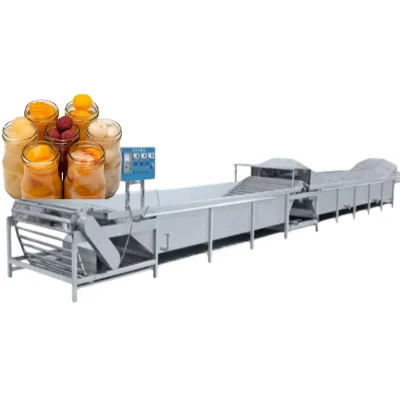

Tunnel Pasteurizer Vegetable and Fruit Drinks Juice Canned Food Tunnel Pasteurization Line
$49000.00 - $98000.00
MOQ: 1 Sets

Pasteurization of Bottled Juice Canned Food Tunnel Pasteurization Pasteurizer
$7800.00 - $12300.00
MOQ: 1 Pieces


Pasteurizer Automatic Beer Bottle Beer Pasteurization Equipment Tunnel
$8000.00 - $15300.00
MOQ: 1 Pieces

Automatic Jars Cans Tunnel Pasteurizer Juice Beer Tunnel Pasteurization Machine
$7900.00 - $12300.00
MOQ: 1 Pieces


Automatic Tunnel Pasteurizer Pasteurization Machine for Canned Foods Beverages Jars
$24500.00 - $25000.00
MOQ: 1 Pieces

Juice Pasteurization Machine Orange Juice Pasteurizer Pasteurization Tunnel
$20000.00 - $35000.00
MOQ: 1 Pieces

Apple Orange Fruit Juice Tunnel Pasteurizer Pasteurization Machine
$10000.00 - $15000.00
MOQ: 1 Pieces


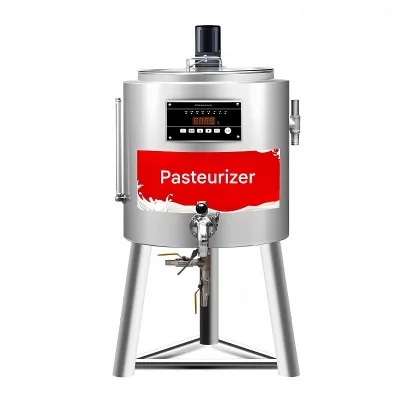

Automatic Industrial Continuous Glass Bottle Canned Food Tunnel Pasteurizer
$23800.00 - $39800.00
MOQ: 1 Sets


Complete Automatic Tunnel-Type Pasteurization Machine Beverage Pasteurizing Tunnel
$15000.00 - $30000.00
MOQ: 1 Pieces

Comprehensive Sourcing Guide
Strategic Sourcing Guide for Automatic Canned Fruit Pasteurization Tunnels
Understanding Core Technical Specifications and Operational Principles
When sourcing an Automatic Canned Fruit Pasteurization Tunnel, buyers must first distinguish between the fundamental operational principles that define the equipment's efficiency and suitability for specific production lines. The market offers units that operate on a static principle within a tunnel structure, designed specifically for continuous operation. This configuration ensures that products, such as orange juice, orange pulp, or juice concentrates, move steadily through a controlled thermal environment without interruption. The automation level is typically high, with systems classified as fully automatic to minimize manual intervention and ensure consistent processing parameters.
The physical construction of these tunnels is critical for food safety and durability. The primary material of construction is almost invariably Stainless Steel 304 or 316, which provides the necessary corrosion resistance required for handling acidic fruit products and the high humidity associated with steam-based sterilization. The structural design often accommodates a wide range of capacities, with observed specifications ranging from 100kg to 10t per hour. This variability means that a buyer must align the tunnel's throughput capacity with their specific production volume requirements. For instance, a facility processing fruit in syrup products may require a different throughput configuration compared to a facility focusing on high-volume juice concentration.
Power consumption and energy efficiency are also key technical differentiators. While some units are marketed with features like "Low Energy High Speed," the actual power requirements can vary significantly based on the model and capacity. Observed data indicates power ratings ranging from 5.5kW for smaller units to 180kW for larger industrial lines. The voltage supply is another critical specification to verify, as units may be designed for 220V, 380V, or dual-voltage configurations to match local grid standards. Furthermore, the energy source is predominantly electric, utilizing heat sterilization principles to achieve the necessary pasteurization temperatures. Buyers should also note that the total water consumption can be a significant operational cost factor, with some high-capacity lines consuming up to 2 tons of water per hour.
Compliance, Certification, and Regulatory Standards
Navigating the regulatory landscape is a non-negotiable aspect of sourcing industrial food processing equipment. The primary certification to look for is the CE mark, which indicates compliance with European health, safety, and environmental protection standards. While some listings may mention ISO-related certifications, the specific standard is often determined after finalizing the order with the customer, suggesting that buyers must explicitly request the relevant certification documents during the negotiation phase. It is essential to verify that the equipment meets the specific food safety regulations of the destination country, as standards can vary significantly between regions.
The "standard" for the equipment itself is frequently listed as "to be determined after finalizing with customer," which underscores the need for a detailed technical agreement. This implies that the machine's design parameters, including pressure ratings and temperature controls, must be explicitly defined in the contract to ensure they meet the buyer's local regulatory requirements. Additionally, the machinery test report is a vital document that should be provided by the supplier. This report serves as empirical evidence of the machine's performance and safety features before it leaves the manufacturing facility. Buyers should insist on reviewing these reports to confirm that the equipment has undergone rigorous testing for its core components, such as the engine, bearings, gearbox, motor, and gears.
Regarding the physical standards of the equipment, the dimensions are substantial. A typical unit may measure approximately 15000mm in length, 1400mm in width, and 1500mm in height. This large footprint requires careful planning of the factory floor layout. The weight of such a unit can be around 1100kg, necessitating robust floor support and specialized lifting equipment for installation. The packaging standard is usually a standard export package, often utilizing a shipping container for international transport to ensure the equipment arrives without damage. Buyers must verify that the packaging includes all necessary documentation, including manuals, spare parts lists, and compliance certificates, to facilitate smooth customs clearance and installation.
Cost Drivers and Financial Considerations in Procurement
The financial landscape of sourcing a pasteurization tunnel is influenced by several distinct cost drivers beyond the initial purchase price. The observed price range for these units is vast, spanning from approximately $328 to $551,000. This extreme variance is not indicative of quality differences alone but reflects the massive differences in capacity, automation level, and customization requirements. A unit priced at the lower end of the spectrum likely represents a smaller, less automated, or standard configuration, whereas the higher end represents a fully customized, high-capacity solution with advanced control systems.
Customization is a primary factor that drives up the cost. While the base equipment may be available as a standard model, the ability to customize the tunnel for specific end-product packages—such as bottles, pouches, PET containers, or aseptic bags—adds significant engineering and manufacturing costs. Similarly, the customization of the production line to handle specific fruit types, like orange juice or pulp, requires tailored conveyor systems and temperature zones. The "Customized" attribute is a standard offering, but the extent of this customization directly impacts the final price. Buyers should be prepared for a negotiation process where the final price is determined after defining the exact scope of work, including the specific materials, automation features, and output requirements.
Another critical cost driver is the warranty and after-sales service. A standard warranty period of one year is common, but the value of the equipment is heavily influenced by the availability of engineers to service the machine overseas. This service capability is a crucial differentiator for international buyers, as it reduces the risk of prolonged downtime. The cost of the machine should be evaluated against the total cost of ownership, which includes energy consumption, water usage, and maintenance costs. For example, a unit with a "Low Energy High Speed" feature may have a higher upfront cost but lower operational expenses over its lifespan. Buyers must also consider the Minimum Order Quantity (MOQ), which is typically set at 1 set, allowing for flexible procurement without the need for bulk purchasing commitments.
Typical Applications and Production Versatility
The versatility of automatic canned fruit pasteurization tunnels makes them suitable for a wide array of applications within the food and beverage industry. The primary application is the thermal processing of fruit-based products, including orange juice, orange pulp, and various juice concentrations. The equipment is designed to handle these products in a continuous flow, ensuring uniform pasteurization and extending shelf life without compromising flavor or nutritional value. The "Physical Sterilization" property of the machine ensures that the process relies on heat rather than chemical additives, which is a preferred method for many consumers and regulatory bodies.
Beyond simple juice processing, these tunnels are highly adaptable to different packaging formats. The end-product package attribute lists a variety of options, including bottles, pouches, PET containers, and aseptic bags. This flexibility allows manufacturers to switch between packaging types without investing in entirely new processing lines. The equipment is also suitable for fruit in syrup products, indicating its ability to handle viscous or sugar-rich liquids that may require specific temperature profiles to prevent caramelization or separation. The multifunctional nature of the machine allows it to serve as a key component in a larger production line, potentially integrating with filling and sealing machines to create a fully automated packaging solution.
The specific application also dictates the required customization. For instance, a line producing straight-cut frozen French fries, while technically a different product category, shares similar thermal processing requirements. However, the core focus for the pasteurization tunnel remains on liquid and semi-liquid fruit products. The ability to handle a wide range of end-product types means that the equipment can be a strategic asset for manufacturers looking to diversify their product portfolio. The continuous operation principle ensures high throughput, making these tunnels ideal for large-scale commercial production where consistency and volume are paramount.
Supplier Evaluation and Quality Assurance Protocols
Evaluating suppliers for industrial food processing equipment requires a rigorous approach to ensure reliability and long-term performance. The origin of the equipment is a significant factor, with major manufacturing hubs located in Shanghai and Jiangsu, China. Buyers should verify the specific place of origin, as different regions may have varying levels of industrial expertise and supply chain maturity. The brand name, such as ANTLER, may appear in listings, but buyers should not rely solely on brand recognition. Instead, they should focus on the supplier's track record, technical capabilities, and the quality of their core components.
The core components of the machine, including the engine, bearing, gearbox, motor, and gear, are critical indicators of quality. Buyers should request detailed specifications for these components, including the manufacturer and model numbers, to ensure they are sourced from reputable suppliers. The availability of a machinery test report is a strong positive signal, as it demonstrates that the supplier has validated the performance of the equipment before shipment. However, buyers should also consider the "After-Sale Service" capability, specifically the availability of engineers to service the machine overseas. This service network is essential for resolving technical issues quickly and minimizing production downtime.
Quality control should be a central part of the procurement process. Buyers must verify that the supplier adheres to strict quality standards and that the equipment is built to withstand the rigors of continuous industrial operation. The use of high-grade stainless steel (304/316) is a baseline requirement, but buyers should also inspect the welding quality, surface finish, and overall construction integrity. The "Standard Export Package" is a good starting point, but buyers should ensure that the packaging is robust enough to protect the equipment during long-distance shipping. Additionally, the "Automatic Grade" of the equipment should be verified to ensure it matches the buyer's operational needs, as the level of automation directly impacts the efficiency and ease of use of the production line.
Long-Term Procurement and Operational Sustainability
Sourcing an Automatic Canned Fruit Pasteurization Tunnel is a long-term investment that requires careful consideration of future operational needs and sustainability. The "Customization" attribute allows for future-proofing the equipment, enabling buyers to adapt the machine to new product lines or packaging formats as market demands evolve. The ability to customize the output and handle various end-product types ensures that the equipment remains relevant for years, protecting the initial investment. The "Medium" scale classification suggests that these units are designed for growing businesses that need to balance capacity with flexibility.
Energy efficiency and resource management are increasingly important factors in long-term procurement. The "Low Energy High Speed" feature, while not universal, represents a trend toward more sustainable manufacturing processes. Buyers should evaluate the energy consumption of different models and consider the long-term cost savings associated with more efficient units. Similarly, water consumption is a significant operational cost, and units with lower water usage rates can provide substantial savings over time. The "Continuous" operation principle also contributes to efficiency by minimizing start-up and shutdown cycles, which can be energy-intensive.
Finally, the warranty and support structure play a crucial role in long-term sustainability. A one-year warranty is standard, but the availability of spare parts and technical support is equally important. Buyers should establish a clear agreement regarding the supply of spare parts and the response time for technical support. The "Engineers Available to Service Machine Overseas" attribute is a key differentiator that can significantly reduce the risk of prolonged downtime. By selecting a supplier with a strong global support network, buyers can ensure that their production line remains operational and efficient for the long term. The "OEM & ODM Custom" acceptance further enhances this flexibility, allowing buyers to tailor the equipment to their specific brand and operational requirements.
FAQs
What is the standard material used for construction?
The standard material is Stainless Steel 304 or 316. This choice ensures high corrosion resistance and durability when handling acidic fruit products like orange juice or pulp in a continuous thermal processing environment.
Can the equipment handle different end-product packages?
Yes, the system supports various end-product packages including bottles, pouches, PET containers, and aseptic bags. Buyers must define the specific package type during the customization phase to align the tunnel design with their production needs.
What is the typical capacity range for these units?
The observed capacity ranges from 100kg to 10 tons per hour. This wide variability allows facilities to select a model that matches their specific production volume requirements for fruit in syrup or juice concentration.
Which certifications are typically available for this equipment?
CE certification is a common standard for this equipment. While ISO standards may be mentioned, the specific standard is often determined after finalizing the order, so buyers should request relevant compliance documents during negotiation.
How is the warranty and after-sales service structured?
A standard one-year warranty is provided for the machinery. Additionally, suppliers offer engineers available to service the machine overseas, which is crucial for international buyers to minimize downtime during operation.
What is the minimum order quantity for purchasing?
The minimum order quantity is typically one set. This low MOQ allows buyers to procure a single unit without needing to commit to bulk purchasing, making it suitable for various production scales.
Can the machine be customized for specific fruit types?
Yes, customization is available for specific fruit types and processing requirements. The standard is often determined after finalizing the customer agreement, allowing for tailored configurations for products like orange juice or frozen French fries.