Source Motor Garlic Peeler for Kitchens, Factories, Catering
Compare 30 Motor Garlic Peeler models from verified Chinese manufacturers. Buyers can evaluate capacities ranging from 150kg/h to 300kg/h, voltage options, and stainless steel construction to find the right equipment for their processing needs; compare the available evidence and request quotations based on your requirements.
Key considerations
Products List
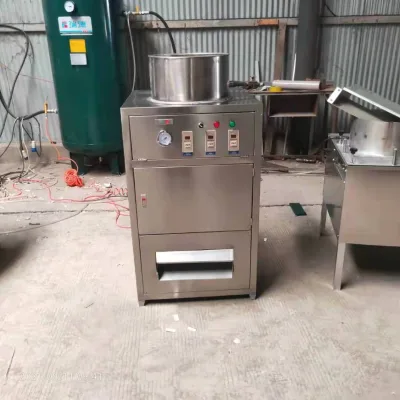


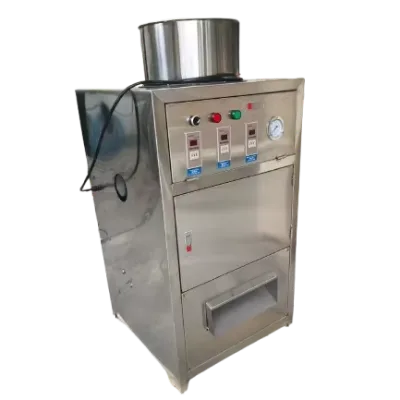


Good Quality Garlic Peeler Machine Automatic Price of Garlic Peeling Machine
$2800.00 - $6000.00
MOQ: 1 set


Automatic Electric Garlic Peeler Peeling Machine Garlic Processing Machine
$4580.00 - $4600.00
MOQ: 1 Pieces


Root Vegetable Peeling Machine Chain-Type Garlic Peeler Onion Peeler
$4580.00 - $4600.00
MOQ: 1 Pieces


Garlic Skin Peeling Electric Automatic Small Garlic Peeler Machine Garlic Peeler
$1000.00 - $3000.00
MOQ: 1 set

Automatic Garlic Peeling Machine / Color Sorter Machine / Garlic Peeler
$9899.00 - $13899.00
MOQ: 1 Sets


Comprehensive Sourcing Guide
Motor Garlic Peeler Sourcing Guide
Selecting the right Motor Garlic Peeler requires balancing throughput capacity with physical footprint constraints. Buyers must evaluate whether the machine’s dimensions, such as the observed 620x600x1300mm or larger 1320x500x1370mm variants, fit their facility layout. The choice between models like the GP-100, HT-RYL200, HT-ST150, and HT-ST300 hinges on specific production volume needs, ranging from 150kg/h to 300kg/h. Understanding these physical and operational differences is critical for efficient workflow integration.
The procurement process also demands attention to power infrastructure compatibility. Observed listings indicate a wide voltage range, including 110V, 220V, and 380V options, alongside varying power consumptions like 1.1KW or 11kw for air compressors. Ensuring the selected unit matches your local electrical standards prevents costly retrofits. Additionally, verifying the frequency, typically 50Hz or 60Hz, ensures the motor operates efficiently without overheating or performance degradation during continuous industrial use.
Product Scope and Observed Listing Signals
The market for motor garlic peelers features distinct models tailored to different scales of operation. The GP-100 model, constructed from 201 Stainless Steel, offers a compact design with a 150kg/h capacity, suitable for smaller processing lines. In contrast, the HT-RYL200 and HT-ST150 models utilize Stainless Steel 304, providing enhanced corrosion resistance and higher automation levels. These units often include self-equipped air compressors with capacities around 0.98m³/Min, utilizing compressed air blowing for gentle yet effective peeling.
Higher-capacity options like the HT-ST300 and TZ models cater to large-scale industrial demands, achieving outputs up to 300kg/h. These machines typically weigh between 80kg and 200kg, reflecting their robust construction and powerful motors. The peeling method remains consistent across many listings, relying on compressed air to remove skins without damaging the clove structure. Buyers should note that while some units are customized, others are non-customized, affecting lead times and final configuration flexibility.
Technical Specifications to Verify
Material composition is a primary technical differentiator, with listings specifying either 201 Stainless Steel or Stainless Steel 304. For food-grade applications, 304 stainless steel is generally preferred due to its superior durability and hygiene standards. Buyers must verify the exact material grade to ensure compliance with food safety regulations. Additionally, the automatic grade is typically listed as automatic, implying minimal manual intervention, which reduces labor costs and increases consistency in peeling quality.
Power specifications vary significantly, with electric type machines requiring specific voltage and frequency inputs. The core components often include a motor, which drives the peeling mechanism and air compressor. Buyers should confirm the power source, whether it is 1.1KW for smaller units or up to 11kw for larger air compressor systems. Verifying the dimension and weight ensures the machine can be installed in the designated space and handled safely during maintenance, preventing structural stress on factory floors.
Compliance and Safety Documentation
Safety certifications are essential for industrial machinery operating in food processing environments. While CE and ISO 9001:2015 are mentioned in background contexts, buyers must request valid certificates for the specific model purchased. These documents confirm that the Motor Garlic Peeler meets regional electrical and mechanical safety standards. Without proper certification, the equipment may not pass local inspections, leading to operational shutdowns or legal liabilities.
Documentation should also include detailed user manuals and maintenance guides. These resources are crucial for training staff on safe operation, particularly regarding the high-pressure air systems used in peeling. Buyers should verify that the supplier provides clear instructions for cleaning and sanitizing the stainless steel components. Proper documentation ensures that the machine remains hygienic and operational, reducing the risk of contamination and mechanical failure during peak production periods.
Cost Drivers and Commercial Terms
Pricing for motor garlic peelers varies widely, with observed ranges from approximately $411 to over $13,000. This disparity is driven by factors such as material quality, capacity, and automation level. Higher-capacity models with 304 stainless steel and advanced automation commands premium prices. Buyers should align their budget with their production volume requirements, avoiding over-specification for small-scale operations or under-specification for high-volume plants.
Commercial terms often include a minimum order quantity (MOQ) of one set, allowing for flexible procurement. However, buyers must clarify warranty terms, which are commonly listed as one year. It is essential to confirm what the warranty covers, including parts and labor. Additionally, packaging details, such as wooden crates or fumigation-free wooden cases, affect shipping costs and import duties. Understanding these commercial nuances helps in calculating the total landed cost accurately.
Supplier Qualification and Quality Control
Supplier verification is critical to ensure the reliability of the Motor Garlic Peeler. Buyers should confirm the place of origin, with many suppliers located in China, particularly in regions like Henan. Verifying the supplier’s production capabilities and history helps assess their ability to deliver consistent quality. Requesting references or case studies from other food processing clients can provide insights into the machine’s long-term performance and durability.
Quality control measures should be established before shipment. Buyers may request pre-shipment inspections to verify dimensions, material grades, and functional performance. Ensuring that the peeling method, such as compressed air blowing, operates efficiently is vital. Additionally, confirming the customization options, if required, ensures the machine meets specific operational needs. Establishing a clear communication channel with the supplier facilitates quick resolution of any technical issues post-delivery.
Long-Term Procurement Checks
Long-term success depends on the availability of spare parts and technical support. Buyers should inquire about the supply chain for critical components like motors and air compressors. Ensuring that replacement parts are readily available minimizes downtime during maintenance. Additionally, verifying the supplier’s commitment to after-sales service, including remote troubleshooting or on-site support, enhances operational continuity.
Regular maintenance schedules should be developed based on the manufacturer’s recommendations. Monitoring the condition of the stainless steel surfaces and the efficiency of the peeling mechanism helps prevent costly repairs. Buyers should also stay updated on any firmware or mechanical upgrades offered by the supplier. Engaging in continuous dialogue with the supplier ensures that the Motor Garlic Peeler remains optimized for evolving production demands and safety standards.
FAQs
What is the production capacity of the Motor Garlic Peeler?
The production capacity varies by model, ranging from 150kg per hour to 300kg per hour. Specific units like the HT-ST150 offer 150kg/h, while the HT-ST300 reaches 300kg/h. This ensures efficient processing for various business scales.
Which materials are used to construct the Motor Garlic Peeler?
These machines are constructed from high-quality stainless steel, specifically grades 201 and 304. This material choice ensures durability and hygiene during the peeling process for garlic, onions, and shallots. The robust build supports long-term industrial use.
How is the peeling process performed on the Motor Garlic Peeler?
The peeling method utilizes compressed air blowing to remove skins efficiently. Some models include a self-equipped air compressor with a capacity of 0.98 cubic meters per minute. This system ensures gentle yet effective skin removal without damaging the vegetable.
Can the Motor Garlic Peeler be customized for specific needs?
Customization is available for certain models to meet specific operational requirements. However, some units are listed as non-customized. Buyers should verify the customization status for each specific model before placing an order to ensure it meets their unique production needs.
What is the warranty period for the Motor Garlic Peeler?
The standard warranty period provided for these machines is one year. This coverage helps protect the investment against manufacturing defects. Buyers should review the specific terms associated with their selected model to understand the full scope of the warranty coverage.
What is the minimum order quantity for the Motor Garlic Peeler?
The minimum order quantity is typically one set for most models. This low threshold allows small businesses to start operations easily. The selling units are often listed as single items, making initial procurement accessible for various buyer sizes.
How is the Motor Garlic Peeler packed for shipping?
The machines are packed in wooden crates or fumigation-free wooden cases. This packaging ensures safe transport and protection during international shipping. The specific packing type may vary depending on the model and supplier requirements to guarantee arrival in perfect condition.