Source Electric Coffee Roaster with Timing Device for Cafes, Roasteries, Retailers
Explore 30 listings of Electric Coffee Roaster with Timing Device options featuring capacities from 1kg to 300kg per batch. Buyers can compare specifications like heating sources, materials, and automation levels to find suitable equipment for small or large-scale operations; compare the available evidence and request quotations based on your requirements.
Key considerations
Products List

Environment Friendly Coffee Roasting Machine Electric Heating Coffee Roaster
$3158.00 - $4150.00
MOQ: 1 Pieces


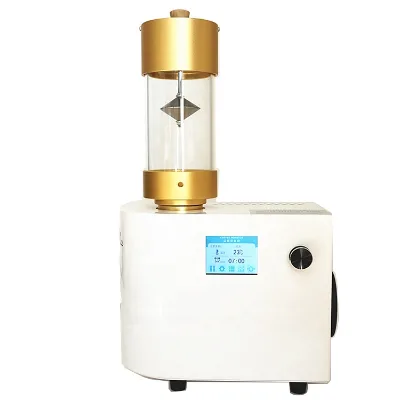


Coffee Roasting Machine 6kg Electric Commercial Coffee Roaster for Coffee Shop
$5699.00 - $5999.00
MOQ: 1 Pieces


6kg Automatic Commercial Coffee Roaster Coffee Bean Roaster for Commercial/Shop
$5699.00 - $5999.00
MOQ: 1 Pieces


Comprehensive Sourcing Guide
Electric Coffee Roaster with Timing Device Sourcing Guide
Buyers seeking electric coffee roasters with timing devices must first distinguish between batch sizes and heating mechanisms, as the market offers distinct units ranging from compact 1kg models to industrial 300kg capacity machines. The observed product data indicates that while some units feature integrated timing devices for precise roast control, others operate without them, requiring manual intervention or external monitoring. This distinction is critical for procurement teams aiming to automate their roasting cycles or maintain consistent quality across large production runs.
The available inventory includes roasters utilizing direct hot air thermal transfer or electric heating systems, with power ratings varying significantly from 200W to 1600W depending on the intended throughput. Prospective buyers should verify whether the specific listing includes a data logger, as this feature often accompanies the timing device to provide a digital record of temperature profiles. Understanding these technical variances ensures that the selected equipment aligns with the specific operational needs of the roasting facility, whether it is a small artisanal setup or a high-volume commercial operation.
Product Scope and Observed Listing Signals
The product scope for electric coffee roasters with timing devices spans a wide range of capacities, with observed listings indicating models capable of handling up to 300kg per batch alongside smaller units designed for 1kg or 5-6kg per hour throughput. Buyers must carefully review the capacity specifications, as the term "capacity" can refer to either batch weight or hourly output, leading to potential confusion if not cross-referenced with the heating source and power requirements. The presence of a timing device is not universal across all listings, necessitating a rigorous filter to isolate units that explicitly include this automation feature.
Listing signals also reveal variations in material construction, with many units specified as 304 stainless steel, while others combine stainless steel with plastic components. Color options such as gold, black, red, and blue are frequently available, often customizable to the buyer's request, which can influence the aesthetic integration of the machine into a specific facility. Additionally, packing methods range from standard export packaging to wooden cases or nude packages, which impacts shipping costs and the initial condition of the equipment upon arrival.
Technical Specifications to Verify
When evaluating technical specifications, the heating source is a primary verification point, as some units are designed for LPG, natural gas, or electric power, while others are strictly electric. Buyers must confirm that the voltage rating matches the local grid infrastructure, with 220V being a common standard in the observed listings, to prevent electrical incompatibility issues. The temperature range is another critical parameter, with observed data showing capabilities from 0-300 degrees Celsius to 50-350 degrees Celsius, directly affecting the roast profile and the ability to achieve specific color and flavor targets.
The inclusion of a timing device often correlates with specific operational modes, such as automatic operation, which simplifies the roasting process for operators with varying levels of expertise. However, the presence of a timing device does not guarantee a specific roast time, as observed listings indicate roast durations ranging from 6 to 15 minutes depending on the desired roast level, such as brown or dark. Buyers should also verify the weight of the machinery, as units can vary from 12kg to 90kg, influencing floor space requirements and the need for specialized lifting equipment during installation.
Compliance and Safety Documentation
Compliance documentation is essential for ensuring that the electric coffee roaster meets international safety and quality standards, with CE and ISO certifications frequently cited in the product data. Buyers should request valid certificates for these standards to verify that the manufacturing process adheres to recognized safety protocols, particularly regarding electrical safety and mechanical integrity. The absence of a machinery test report in some listings suggests that buyers must proactively request third-party testing data to confirm the performance and safety of the specific unit before finalizing the purchase.
Safety features often include specific core components like motors, which are critical for the rotation and airflow systems within the roaster. Buyers must ensure that the supplier provides detailed documentation on the motor specifications and any other critical components to assess long-term reliability and maintenance needs. Additionally, the standard of the product, often listed as "New," should be verified against the actual condition of the machine, as refurbished or used units may not carry the same warranty or compliance assurances as brand-new equipment.
Cost Drivers and Commercial Terms
Cost drivers for electric coffee roasters with timing devices are heavily influenced by the capacity, material quality, and the complexity of the heating system. Units with larger capacities, such as those handling 300kg per batch, or those constructed entirely from 304 stainless steel, typically command higher prices compared to smaller, mixed-material models. The inclusion of advanced features like data loggers and precise timing devices also adds to the overall cost, as these components require more sophisticated engineering and quality control during manufacturing.
Commercial terms such as the minimum order quantity (MOQ) and lead time are critical factors in the procurement process, with observed listings showing an MOQ of 1 unit for many models. Buyers should clarify the payment terms and shipping conditions, as packing methods like wooden cases or standard export packaging can affect freight costs and insurance requirements. The price range observed in the market spans from 35 to 10,500 USD, reflecting the vast difference between small-scale and industrial-grade equipment, necessitating a clear budget definition before engaging with suppliers.
Supplier Qualification and Quality Control
Supplier qualification involves verifying the origin of the machinery, with many listings indicating production in Zhengzhou, Henan, or generally in China. Buyers should assess the supplier's experience in manufacturing coffee roasting equipment and their ability to provide consistent quality across different batches. The presence of a brand name, such as "deshine," can be a positive indicator of established manufacturing capabilities, but it should be cross-referenced with the supplier's reputation and track record in the industry.
Quality control measures should include a review of the product standard, which is often listed as "New," and a verification of the physical dimensions and weight specifications. Buyers must ensure that the supplier can provide detailed technical drawings and specifications to confirm that the machine meets the required operational parameters. Additionally, the availability of a machinery test report, even if currently marked as "Not Available" in some listings, should be a prerequisite for high-value purchases to ensure the equipment performs as advertised.
Long-Term Procurement Checks
Long-term procurement checks focus on the durability and maintenance requirements of the electric coffee roaster with a timing device. Buyers should investigate the availability of spare parts, particularly for core components like the motor, to ensure that the machine can be maintained over its operational lifespan. The robustness of the construction, often highlighted by features like "sturdy and durable" in product descriptions, is a key indicator of the machine's ability to withstand continuous use in a commercial environment.
Finally, buyers must consider the scalability of the equipment, ensuring that the chosen roaster can adapt to future production needs without requiring a complete replacement. The ability to customize the machine, such as selecting specific colors or capacities, can also play a role in long-term utility, allowing the equipment to evolve with the business. Regular performance reviews and adherence to the manufacturer's maintenance schedule will be essential to maximize the return on investment and ensure consistent coffee quality over time.
FAQs
Can electric coffee roasters with timing devices be customized?
Yes, customization is available for these machines. Buyers can request specific colors such as gold, black, red, or blue to match their brand identity. The equipment supports customized configurations to meet unique operational requirements. This flexibility allows businesses to tailor the roasting process and aesthetic appearance to their specific facility needs and preferences.
What materials are used in electric coffee roasters?
These roasters are primarily constructed from 304 stainless steel. Some models also incorporate plastic components for specific parts. The use of 304 stainless steel ensures durability and resistance to corrosion during the roasting process. This material choice supports hygiene standards and long-term reliability for commercial coffee production environments.
What is the typical capacity of these roasting machines?
Capacities vary significantly across different models. Some units handle up to 300 kilograms per batch, while smaller desktop versions roast approximately 1 kilogram per batch. Other models offer a capacity of 5 to 6 kilograms per hour. Buyers should select a capacity that aligns with their specific production volume and operational scale requirements.
How does the timing device function in these roasters?
The timing device controls the roasting duration to ensure consistent results. For instance, a brown roast may take 12 minutes, while a dark roast requires 15 minutes. This automated timing helps maintain precise temperature exposure. It reduces manual monitoring efforts and supports repeatable quality control for different roast profiles in commercial settings.
What certifications do these electric coffee roasters hold?
These machines typically hold CE and ISO certifications. These certifications indicate compliance with relevant safety and quality standards for machinery. They provide assurance regarding the manufacturing quality and operational safety of the equipment. Buyers can rely on these documented standards when evaluating suppliers and ensuring regulatory compliance for their operations.
What is the power source for these coffee roasters?
The primary power source is electric, with specific models operating at 220V. Some units may also utilize gas or LPG heating sources alongside electric components. The electric heating system often includes hot air thermal transfer for even roasting. This versatile power configuration supports efficient energy use and consistent heat distribution during the coffee roasting process.