Source Rice Processing Optical Color Sorter for Grain, Tea, and Beans
Compare 30 Rice Processing Optical Color Sorter models from Hefei manufacturers. These machines use Toshiba CCD sensors to sort rice, wheat, corn, and tea with high accuracy and stable performance for industrial applications; compare the available evidence and request quotations based on your requirements.
Key considerations
Products List

Intelligent Optical 128 Channels Rice Color Sorter
$5000.00 - $50000.00
MOQ: 1 Pieces
Anhui Wenyao Intelligent Photoelectronic Technology Co., Ltd.

Stable Quality Rice Optic Color Sorter Machine
$16800.00 - $17800.00
MOQ: 1 Pieces
Anhui Wenyao Intelligent Photoelectronic Technology Co., Ltd.

High Accuracy Rice Processing Color Sorting Machine
$16800.00 - $17800.00
MOQ: 1 Pieces
Anhui Wenyao Intelligent Photoelectronic Technology Co., Ltd.


New Model Rice Color Sorter Machine for Rice Mill Rice Processing Machine
$19500.00 - $21500.00
MOQ: 1 Pieces


2021 Hot Sale Rice Optical Sorter Rice Color Sorting Machine Optical Sorting Machine
$7000.00 - $40000.00
MOQ: 1 Pieces


High Precision Rice Sorting Machine / Optical Sorter Equipment / Color Sorter Rice
$6000.00 - $50000.00
MOQ: 1 PIECE

2 Chute High Precision Optical Color Sorter for Rice Grain Nuts Processing
$4999.00 - $30000.00
MOQ: 1 PIECE


Multifunction High Efficiency Optical Sorter Grain Rice Color Sorting Machine
$1800.00 - $2600.00
MOQ: 1 Pieces


Multi-Purpose Grain Grading Machine Millet Rice Optical Color Sorter for Rice Mill
$4000.00 - $5800.00
MOQ: 1 Pieces

Color Sorter Newest Multimode Series Optical Sorter High Efficiency Rice Color Sorter Machine
$2900.00 - $4200.00
MOQ: 1 Pieces

Optical CCD Colour Sorter Rice Color Sorting Machine Rice Mini Rice Color Sorter Machine
$1800.00 - $2600.00
MOQ: 1 Pieces

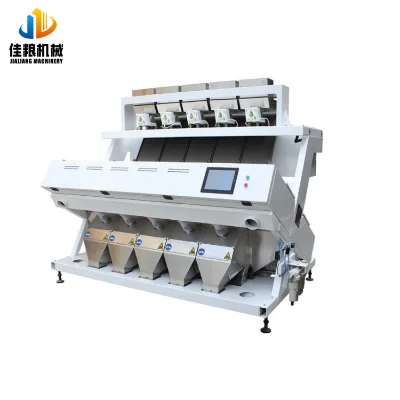
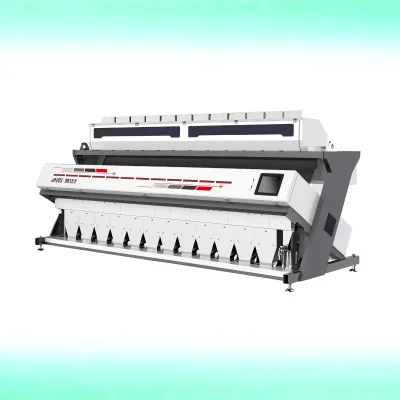
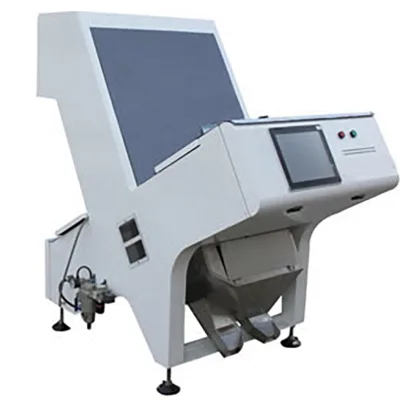
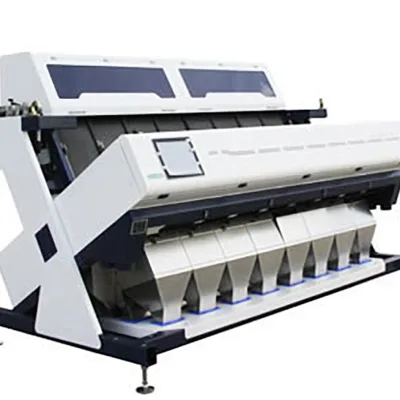
Comprehensive Sourcing Guide
Rice Processing Optical Color Sorter Sourcing Guide
The Rice Processing Optical Color Sorter is a critical piece of equipment designed to enhance grain quality by removing defective kernels through advanced imaging technology. These machines utilize high-resolution CCD sensors to detect color variations, ensuring that only premium grains proceed to packaging. Buyers should prioritize models that explicitly state compatibility with rice, wheat, corn, and various industrial products to ensure versatility across different processing lines.
When evaluating listings, procurement teams must distinguish between general agricultural sorters and specialized units optimized for rice. The observed product range includes specific models like the 6-6SXZ-128 and 6SXM-512, which feature distinct dimensions and sensor configurations. It is essential to verify that the listed application scope matches your specific crop requirements, as some units are tailored for dehydrated vegetables or tea, while others focus on ore and grain sorting.
Product Scope and Observed Listing Signals
Buyers should carefully analyze the listed product attributes to confirm the machine's structural integrity and operational readiness. The available inventory consistently indicates a "Waterfall" structure, which is a standard design for gravity-fed sorting systems that maximize contact time with the camera sensors. Additionally, the condition is uniformly listed as "New," suggesting that the market primarily offers fresh units rather than refurbished equipment, which simplifies the initial quality assessment process.
The observed price range spans from approximately 1,599 to 165,900 USD, reflecting significant variations in capacity and sensor technology. This wide disparity often correlates with the number of sorting channels and the pixel count of the camera system, with some models boasting 5,400 pixels for high-precision detection. Procurement teams must align their budget with the required throughput, noting that higher-end models often include advanced features like longer lifetime components and factory-direct pricing advantages.
Technical Specifications to Verify
Verification of the CCD sensor brand and pixel count is paramount for ensuring sorting accuracy meets industry standards. The supplied data highlights the use of Toshiba sensors, specifically from Japan, which are renowned for their sensitivity in detecting subtle color defects. Buyers must confirm that the specific model they select includes the 5,400-pixel camera specification, as this directly influences the machine's ability to identify and eject foreign materials or discolored grains with a reported accuracy of 99.9 percent.
Power supply compatibility and physical dimensions are equally critical technical factors that often dictate installation feasibility. Most units operate on a 220V / 50Hz power supply, utilizing components from Taiwan Meanwell for stability, but buyers must verify these details against local grid standards. Furthermore, the physical footprint varies significantly, with standard dimensions ranging from 1,250mm in width to over 3,600mm for high-capacity models, requiring precise floor planning before finalizing the purchase order.
Compliance and Safety Documentation
Ensuring that the equipment meets international safety and quality certifications is a non-negotiable step in the procurement process. The observed listings frequently cite CE certification, indicating compliance with European health, safety, and environmental protection standards. Additionally, some models display ISOCE and GS marks, which provide further assurance regarding electrical safety and operational reliability, though buyers should request valid certificates for the specific serial number of the unit they intend to purchase.
Documentation regarding the machine's origin and manufacturing standards must be scrutinized to verify the supply chain's integrity. Products are predominantly sourced from Hefei City or generally from China, with specific model standards defining their structural dimensions. Buyers should ensure that the provided documentation explicitly links the certification to the specific model number, such as the 6SXM-256 or 6SXZ-128, to avoid discrepancies between the advertised compliance and the actual delivered equipment.
Cost Drivers and Commercial Terms
The total cost of ownership is heavily influenced by the customization options and the specific configuration of the sorting channels. While the base price varies, the availability of customization allows buyers to tailor the machine to their specific throughput needs, potentially increasing the unit cost but improving long-term efficiency. The observed minimum order quantity is consistently one unit, which offers flexibility for small-scale operations but requires careful negotiation to secure favorable terms for single-unit purchases.
Packing and logistics represent significant hidden costs that must be factored into the commercial agreement. The products are shipped in either plywood or wooden cases, designed to protect the sensitive optical components during transit. Buyers should clarify whether the quoted price includes the cost of the wooden packing and if the supplier offers insurance for the shipment, as the large dimensions of high-capacity models can lead to substantial freight charges depending on the destination.
Supplier Qualification and Quality Control
Assessing the supplier's ability to provide after-sales support is crucial for maintaining continuous production in a rice processing facility. The listed warranty period is typically one year, covering potential defects in the sensor or mechanical structure, but buyers should verify the scope of this warranty to understand what specific components are included. It is advisable to confirm the availability of technical support for troubleshooting issues related to the CCD sensor or the air valve system, which are critical for maintaining the 99.9 percent sorting accuracy.
Quality control extends beyond the initial warranty to include the reliability of the machine's operational features. The products are marketed with advantages such as high efficiency running and easy operation, which are essential for minimizing downtime and reducing the need for highly specialized operators. Procurement teams should request references or case studies demonstrating the machine's performance in similar environments, particularly regarding the stability of the water flow and the longevity of the light source, which are key indicators of long-term reliability.
Long-Term Procurement Checks
Establishing a protocol for regular maintenance and calibration is essential to sustain the high performance of the optical color sorter over time. The machine's features, such as the longer lifetime components and stable operation, depend heavily on consistent cleaning of the optical sensors and the timely replacement of air valves. Buyers should develop a maintenance schedule that aligns with the manufacturer's recommendations to prevent the degradation of sorting accuracy, which could otherwise lead to increased waste and reduced product quality.
Future-proofing the procurement decision involves evaluating the scalability of the system as production volumes increase. The wide range of available models, from the compact 6-6SXZ-128 to the large 6SXM-640, suggests that suppliers offer a modular approach to capacity expansion. Buyers should inquire about the possibility of upgrading existing units or integrating additional sorting channels, ensuring that the initial investment can adapt to changing market demands without requiring a complete system replacement.
FAQs
What CCD sensor technology is used in these rice color sorters?
These machines utilize high-performance Toshiba CCD sensors for precise optical detection. The system captures detailed color variations to identify and remove defective grains. This technology ensures high sorting accuracy, typically reaching 99.9%, making it suitable for premium rice processing applications.
Can the rice color sorter be customized for specific production needs?
Yes, customization is available for these optical sorting machines. Buyers can tailor specifications to match their specific throughput requirements and material types. The equipment supports various applications including rice, wheat, and industrial products, allowing for flexible integration into existing processing lines.
What certifications do these rice processing machines hold?
The machines hold CE certification, ensuring compliance with European safety and quality standards. Some models also feature ISOCE and GS certifications. These credentials verify that the equipment meets rigorous industrial safety requirements, providing buyers with confidence in the machine's operational reliability and regulatory compliance.
How is the warranty structured for these optical sorting devices?
The standard warranty period for these rice color sorters is one year. This coverage typically includes support for the core mechanical and optical components. Buyers should verify specific terms with suppliers, as warranty details may vary slightly depending on the specific model and manufacturer policies.
What is the typical voltage requirement for these sorting machines?
These machines generally operate on AC 220V at 50Hz power supply. Some models may support AC 220/50 specifications. The power supply often uses reliable components like Taiwan Meanwell units to ensure stable operation. Always confirm voltage compatibility with your local electrical infrastructure before purchase.
Which applications are supported by these optical rice color sorters?
These sorters support a wide range of applications including rice, wheat, corn, beans, peanuts, and tea. They are also suitable for dehydrated vegetables and certain industrial products. The versatile design allows for efficient sorting of various grain sizes and types, maximizing utility for diverse processing facilities.