Source Automatic CNC Acrylic Bending Machine for Signage, Displays, and Prototyping
Find and compare 30 Automatic CNC Acrylic Bending Machine listings from verified suppliers. Evaluate key specifications such as bending width, cooling methods, and automation levels to select the right equipment for your manufacturing needs.
Key considerations
Products List


Automatic Smooth Curving Machine with Convex Curved and Concave Curved
$23900.00 - $38500.00
MOQ: 1 set
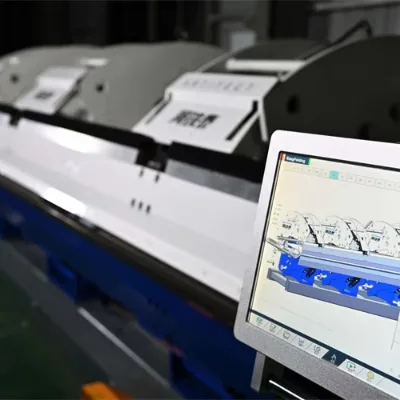
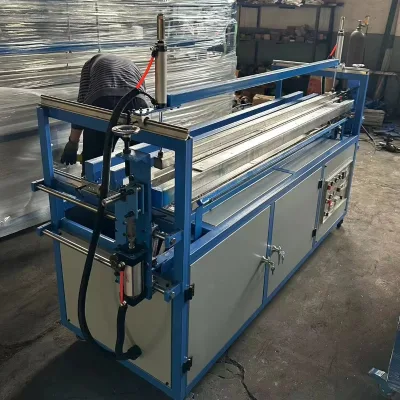
Comprehensive Sourcing Guide
Automatic CNC Acrylic Bending Machine Sourcing Guide
The Automatic CNC Acrylic Bending Machine represents a specialized class of industrial equipment designed to automate the forming of thermoplastic materials, specifically acrylic and plastic sheets, into precise angles and shapes. Based on observed market listings, these units are frequently categorized alongside CNC bending machines and press brakes, indicating a shared mechanical architecture for metal and plastic forming. The automation level is a critical differentiator, as these machines reduce manual intervention, ensuring consistent bend angles typically ranging from 20 to 179 degrees. Buyers must recognize that while the core keyword emphasizes acrylic, the underlying technology often supports a broader range of materials, including rubber and plastic, as indicated by product attributes found in current listings.
Procurement of these machines requires a clear understanding of the specific operational environment, as the equipment is designed for new condition operation with varying degrees of customization available. The observed product data suggests that while some models are optimized for specific widths like 2400mm, others offer unlimited bending lengths, necessitating a careful review of the working area relative to the intended production volume. The cooling systems, which may include both water and air cooling methods, are essential for maintaining material integrity during the heating and bending process, preventing warping or degradation of the acrylic sheets.
Product Scope and Observed Listing Signals
When evaluating the product scope, buyers should note that the market presents a mix of specific model designations such as FA1800D, FA2400D, and ZY-3012, which often correlate with different working widths and standard configurations. The observed listings indicate a significant variance in the effective bending length, with some units offering no limit while others are constrained by the physical dimensions of the machine frame. This variation directly impacts the scope of projects a facility can undertake, particularly for large-scale signage or architectural components that require long, continuous bends without seams.
The physical attributes of the machines, including weight and packing standards, provide insight into the logistics and installation requirements. Listings show weights as low as 230 Kg for certain models, while others are packed in heavy-duty wood crates or fumigation wooden boxes, suggesting a need for specialized handling equipment during unloading. The waterproof ratings observed in the data range widely from IPX-0 to IPX-8, which is a critical signal for buyers operating in environments with high humidity or where cleaning with water is part of the daily maintenance routine.
Technical Specifications to Verify
Verification of the maximum bending width and thickness is the first technical step in the procurement process, as these parameters define the physical limits of the machine's capability. Observed specifications highlight a maximum bending width of 2400mm for certain models, while others list effective bending thicknesses ranging from 0mm to 10mm. Buyers must cross-reference these figures with their specific material inventory to ensure the machine can handle the thickest sheets required for their production line without risking mechanical failure or poor bend quality.
The electrical and motor specifications are equally critical for ensuring the machine integrates correctly with the facility's power infrastructure. Listings indicate a voltage requirement of 220V and motor power ratings around 4kw, which are standard for many industrial bending applications but must be confirmed against local power availability. Additionally, the bending angle range of 20 to 179 degrees is a standard specification for these units, yet buyers should verify if the specific model offers programmable stops or manual overrides to achieve the precise angles required for complex acrylic fabrication tasks.
Compliance and Safety Documentation
Compliance with international safety and quality standards is a non-negotiable aspect of sourcing industrial machinery, and the observed data confirms the presence of CE certification across multiple listings. This certification indicates that the machine meets the essential health, safety, and environmental protection requirements for the European Economic Area, a baseline that often correlates with higher manufacturing quality. Buyers should also look for ISO 9001 certification, which is frequently paired with CE in the listings, as this demonstrates that the supplier adheres to a recognized quality management system for consistent production standards.
Beyond the primary certifications, additional safety documentation such as UL and RoHS compliance may be present in specific models, offering further assurance regarding electrical safety and the restriction of hazardous substances. The presence of SGS certification in some listings suggests that third-party inspection services have been utilized to validate the machine's construction and performance. It is imperative for buyers to request the full certificate of conformity for the specific serial number of the machine they intend to purchase, rather than relying on general claims, to ensure that the specific unit delivered matches the certified specifications.
Cost Drivers and Commercial Terms
The cost of an Automatic CNC Acrylic Bending Machine is heavily influenced by the level of customization and the specific technical capabilities required, such as unlimited bending lengths or advanced cooling systems. The observed price range in the market spans from 900 to 55,000 USD, a wide disparity that reflects differences in automation levels, build quality, and the inclusion of extra services like end forming. Buyers must analyze the total cost of ownership, considering that higher-priced units often come with more robust warranties, such as the 2-year coverage observed in some listings compared to the standard 1-year warranty.
Commercial terms regarding delivery and minimum order quantities (MOQ) are also significant factors in the procurement decision. The data indicates a flexible MOQ of 1 PC, allowing for single-unit purchases, while delivery times vary between 7 and 10 days, suggesting a relatively quick turnaround for standard configurations. However, buyers should be aware that customized orders or those requiring specific packing like plywood crates may extend these lead times. Shipping methods, typically by sea for such heavy equipment, should be factored into the final landed cost, especially given the varying weights and dimensions of the machines.
Supplier Qualification and Quality Control
Supplier qualification should begin with verifying the origin of the machinery, as the majority of observed listings indicate production in China, with specific manufacturing hubs like Maanshan noted for metalworking equipment. This geographic concentration often implies a mature supply chain for these types of machines, but it also necessitates rigorous due diligence regarding the specific factory's reputation and export history. Buyers should request proof of the supplier's ability to provide English and Chinese manuals, ensuring that operational guidance is accessible to their technical staff regardless of language barriers.
Quality control measures extend beyond the initial purchase to include the condition of the machine upon arrival and the availability of after-sales support. The observed listings consistently describe the products as "New," but buyers must verify the inspection protocols used by the supplier before shipment to prevent damage during transit. The inclusion of extra services like end forming suggests that some suppliers offer value-added capabilities, which can be a differentiator in quality. Establishing a clear communication channel for technical support and spare parts is essential, particularly given the complex nature of the automated bending processes.
Long-Term Procurement Checks
Long-term procurement success depends on the durability of the machine and the availability of replacement parts, which are often tied to the specific model and standard configurations. The observed product standards, such as 2400mm or 1800mm, refer to specific dimensional configurations that may dictate the availability of compatible tooling and components. Buyers should inquire about the expected lifespan of critical components like the heating elements and the hydraulic or pneumatic systems, as these are subject to wear and tear during continuous operation.
Maintenance and operational checks should be integrated into the facility's routine to ensure the machine continues to meet performance specifications over time. The waterproof ratings, ranging from IPX-0 to IPX-8, indicate varying levels of protection against environmental factors, and buyers should align the machine's rating with their facility's cleaning and environmental protocols. Regular calibration of the bending angles and verification of the cooling system efficiency are necessary to maintain the precision required for high-quality acrylic fabrication, ensuring that the investment continues to yield consistent results.
FAQs
What certifications do these machines have?
The machines hold CE and ISO 9001 certifications, with some models also featuring UL and RoHS compliance. These standards ensure safety and quality for industrial operations using rubber or plastic materials.
How long is the delivery time for orders?
Delivery typically occurs within 7 to 10 days after order confirmation. This rapid turnaround applies to new condition units shipped from China or Maanshan in wooden crates or plywood packaging.
Can the machine be customized for specific needs?
Yes, customization is available for various specifications including bending angles and working areas. Buyers can request specific models like FA1800D or FA2400D to match their production requirements.
What is the maximum bending width capacity?
The maximum bending width reaches 2400mm on standard models, with some configurations offering unlimited bending length. This capacity supports large-scale processing of metal, plastic, and rubber sheets.
What warranty period is provided with the machine?
Warranty coverage ranges from 1 year to 2 years depending on the specific model and supplier terms. This protection ensures reliability for new automatic CNC bending machines used in continuous production.
Which cooling methods are used for operation?
The machines utilize both water cooling and air cooling systems to maintain optimal performance. This dual cooling approach prevents overheating during extended bending cycles of plastic or metal materials.