Source Automatic Cocoa Bean Peeling Machine for Chocolate, Cocoa Powder, and Snack Production
Explore 30 listings for the Automatic Cocoa Bean Peeling Machine designed for chocolate making, cocoa powder production, and snack processing. Buyers can compare specifications like capacity, peeling rates, and voltage to find the right equipment for their facility.
Key considerations
Products List


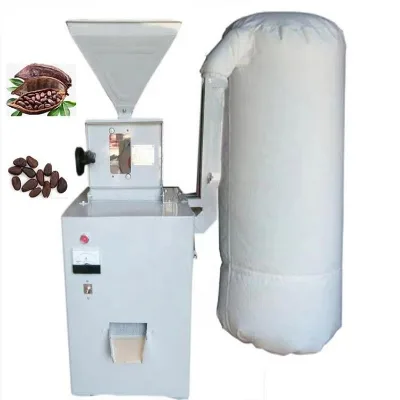
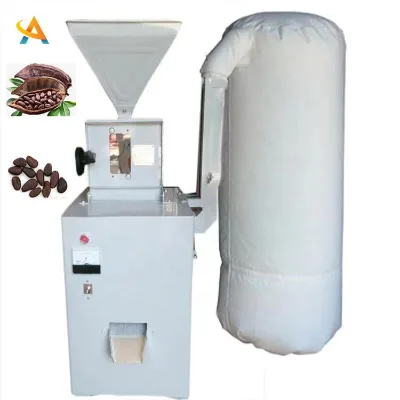
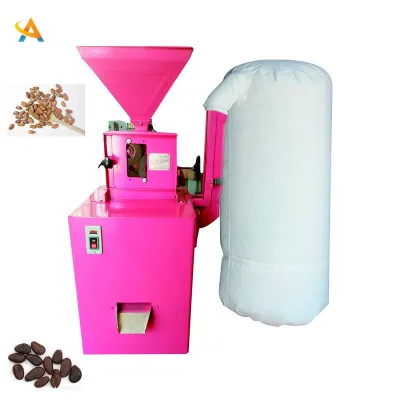
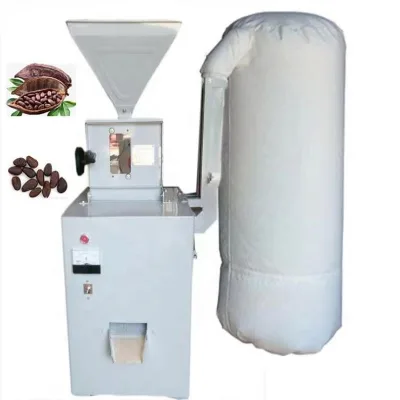


Automatic Cocoa Bean Peeling Machine Popular Cocoa Bean Sheller for Sale
$2500.00 - $3000.00
MOQ: 1 Pieces


Coffee Bean Peeler Cocoa Beans Hulling Machine Cocoa Bean Peeling Machine
$800.00 - $2000.00
MOQ: 1 Sets


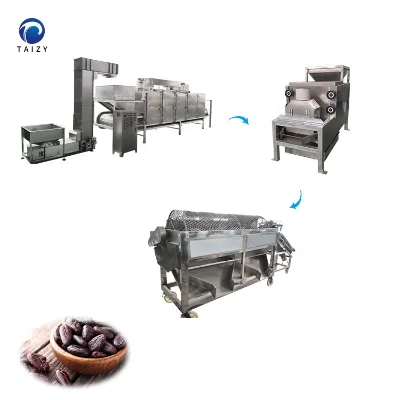
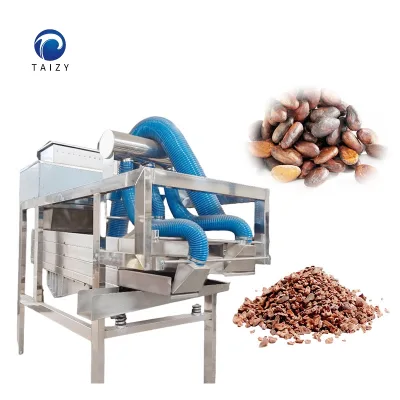


Cocoa Peeling Machine/Coffee Bean Removing Machine/Hot Sale Cacao Peeling Machine
$3500.00 - $4000.00
MOQ: 1 Pieces

1.5kw Automatic Cocoa Shelling Cleaning Machine Cocoa Bean Peeling Machine
$5000.00 - $6500.00
MOQ: 1 Sets

Comprehensive Sourcing Guide
Strategic Sourcing Guide for Automatic Cocoa Bean Peeling Machines
The global demand for high-quality cocoa processing equipment has driven significant innovation in automated shelling technology. For procurement professionals seeking an Automatic Cocoa Bean Peeling Machine, the market presents a diverse array of options ranging from compact units to high-capacity industrial systems. This guide synthesizes observed market data and technical specifications to provide a disciplined framework for evaluating potential suppliers and selecting machinery that aligns with specific production requirements. The focus remains on verifiable attributes, operational efficiency, and compliance standards derived from current product listings.
Technical Specifications and Operational Capabilities
When evaluating an Automatic Cocoa Bean Peeling Machine, the primary technical differentiator is the peeling rate and throughput capacity. Market observations indicate that high-performance units can achieve peeling rates exceeding 98%, with some models reporting rates between 94% and 99%. These figures are critical for minimizing waste and maximizing the yield of usable cocoa nibs. Capacity varies significantly across the product spectrum, with observed outputs ranging from 200 kg/h for smaller units to 1000 kg/h for heavy-duty industrial models. Specific listings note capacities of 400 kg/h and ranges of 500-700 kg/h, suggesting that buyers must align machine selection with their daily processing volume.
The power source and voltage requirements are equally vital for integration into existing facilities. Most industrial-grade units operate on a 380V, 50Hz electrical supply, which is standard for heavy machinery in many manufacturing regions. However, some compact or specific models are designed for 220V/110V operation, offering flexibility for smaller facilities or regions with different grid standards. The motor power for these systems is typically listed around 0.75 kW, indicating energy-efficient designs that balance performance with operational costs. The machines are predominantly constructed from stainless steel, with specific references to SUS304 grade, ensuring resistance to corrosion and compliance with food safety hygiene standards. The physical dimensions also vary, with standard configurations measuring approximately 120011001200mm or 19008501350mm, while smaller units may fit within a 50cm50cm120cm footprint.
Compliance, Certification, and Material Standards
Ensuring that the machinery meets international safety and quality standards is a non-negotiable aspect of B2B procurement. Verified product listings frequently cite CE certification, which is essential for machinery intended for the European market and often serves as a baseline for global safety compliance. Additionally, some suppliers indicate adherence to ISO standards, specifically ISO9001, though buyers should verify the specific scope of these certifications with the supplier rather than assuming blanket coverage. The raw materials processed by these machines are diverse, including peanuts, almonds, broad beans, chickpeas, and corn, in addition to the primary target of cocoa beans. This versatility suggests that the peeling mechanisms are adaptable to various seed types, provided the machine settings are adjusted accordingly.
Material construction is a key indicator of longevity and food safety. The consistent use of stainless steel, particularly SUS304, across multiple listings underscores the industry standard for food-contact surfaces. This material choice prevents contamination and facilitates easy cleaning, which is paramount in cocoa processing where hygiene is strictly regulated. The machinery often features a fully automatic operation mode, designed to minimize human intervention and reduce the risk of contamination. Buyers should verify that all components coming into contact with the product are made from food-grade materials and that the machine design allows for thorough sanitation protocols.
Cost Drivers and Pricing Structures
The pricing for automatic cocoa bean peeling machines is influenced by several factors, including capacity, automation level, and material quality. Observed market data shows a wide price range, typically spanning from $650 to $20,000 USD. This variance reflects the difference between entry-level units and high-capacity, fully automated industrial systems. The Minimum Order Quantity (MOQ) for these machines is consistently observed as 1 unit, indicating that suppliers are generally willing to sell single units, which is beneficial for small to medium-sized enterprises. However, buyers should be aware that pricing may fluctuate based on customization requests, such as specific voltage requirements or unique packing specifications.
Customization is a significant cost driver. Many suppliers offer customized solutions, including tailored dimensions, specific voltage configurations, and unique branding. The availability of customization allows buyers to fit the machine into existing production lines, but it may extend lead times and increase the final cost. Additionally, the type of packing required can affect the overall price. Options range from standard wooden packing to fumigation-free wooden cases and standard cartons with wooden boxes. These packaging choices are often dictated by the destination country's import regulations and the fragility of the machinery during transit.
Typical Applications and Production Integration
The primary application for these machines is the peeling of cocoa beans to produce cocoa nibs, which are then processed into cocoa powder or chocolate. The final products listed include cocoa powder and chocolate, indicating that the peeling machine is a critical upstream component in the cocoa value chain. The machinery is designed for use in fruit processing plants and dedicated cocoa processing facilities. The process is described as "mild processing," which helps preserve the quality and flavor profile of the cocoa beans during the shelling operation.
The versatility of these machines extends beyond cocoa. Listings indicate that they can process a variety of raw materials, including corn, peanuts, almonds, and broad beans. This multi-functionality makes them attractive for facilities that process multiple types of seeds or nuts. The high efficiency and easy operation features ensure that the machines can be integrated into existing workflows with minimal training for operators. The weight of the machines, ranging from 120 kg to 140 kg, suggests that they are robust yet manageable for installation in standard industrial settings.
Supplier Evaluation and Verification Protocols
Selecting the right supplier requires a rigorous evaluation process that goes beyond the initial product listing. Buyers should prioritize suppliers who provide machinery test reports, as these documents offer empirical evidence of the machine's performance under controlled conditions. The presence of a "Provided" status for machinery test reports in listings is a positive indicator of transparency and quality assurance. Furthermore, the warranty period is a critical factor; a standard warranty of 1 Year is commonly observed, but buyers should negotiate terms that cover critical components like the engine and motor.
Supplier location and after-sales support are also essential considerations. Most observed listings indicate that the machinery originates from China, specifically regions like Henan. While this is a major manufacturing hub, buyers should verify the supplier's ability to provide timely after-sales service. Video technical support is a commonly offered service, which can be effective for troubleshooting operational issues. However, for complex mechanical failures, buyers should inquire about the availability of on-site service or the supply of spare parts. The core components, such as the engine, should be from reputable manufacturers to ensure reliability and ease of maintenance.
Quality Control and Long-Term Procurement Considerations
Implementing a robust quality control strategy is vital for ensuring that the purchased machinery meets expectations. Buyers should request detailed specifications regarding the peeling rate, capacity, and material composition before finalizing the purchase. The observed peeling rates of 94-99% serve as a benchmark, but actual performance may vary based on the moisture content and size of the raw material. Therefore, it is advisable to conduct a trial run or request a video demonstration of the machine processing the specific type of cocoa beans intended for production.
Long-term procurement considerations include the availability of spare parts and the durability of the machine's construction. The use of stainless steel and high-quality motors suggests a long operational life, but regular maintenance is necessary to sustain performance. Buyers should establish a relationship with the supplier to ensure a steady supply of replacement parts and technical support. The standard wooden packing or fumigation-free wooden cases provided by suppliers should be inspected upon arrival to ensure the machine has not sustained damage during transit. Additionally, the dimension and weight of the machine must be verified against the facility's loading dock and floor load capacity to prevent installation issues.
Comparative Analysis of Machine Attributes
To facilitate decision-making, the following table summarizes key attributes observed across different product listings. This comparison highlights the range of capabilities available in the market.
| Attribute | Observation Range / Specific Values |
|---|---|
| Peeling Rate | 94% - 99% (Some models >98%) |
| Capacity | 200 kg/h to 1000 kg/h |
| Voltage | 380V/50Hz, 220V/110V |
| Material | Stainless Steel, SUS304 |
| Certification | CE, ISO (Customized/Verified) |
| Power Source | Electric (0.75 kW motor) |
| Warranty | 1 Year |
| Origin | China (Mainland, Henan) |
| Packing | Standard Wooden, Fumigation-Free Case, Carton+Wooden Box |
| MOQ | 1 Unit |
This comparative view underscores the importance of matching specific operational needs with the correct machine specifications. While the base technology is similar across listings, the variations in capacity, voltage, and packing requirements necessitate a tailored approach to procurement. By carefully analyzing these attributes and verifying them with the supplier, buyers can secure an Automatic Cocoa Bean Peeling Machine that delivers optimal performance and value.
Conclusion
Sourcing an Automatic Cocoa Bean Peeling Machine requires a balanced approach that considers technical specifications, compliance standards, and supplier reliability. The market offers a wide range of options, from compact units to high-capacity industrial systems, each with distinct advantages. By focusing on verified attributes such as peeling rates, material quality, and certification status, buyers can make informed decisions that align with their production goals. The availability of customization and after-sales support further enhances the value proposition of these machines. Ultimately, a disciplined procurement process that emphasizes verification and long-term partnership will ensure the successful integration of high-quality cocoa processing equipment into the supply chain.
FAQs
What is the typical peeling rate for these machines?
Typical peeling rates range from 94% to 99% depending on the specific model and raw material. Some high-performance units achieve rates exceeding 98%, ensuring minimal waste and maximum yield of usable cocoa nibs during the shelling process.
Which voltage options are available for industrial operation?
Most industrial-grade units operate on 380V, 50Hz electrical supplies, which is standard for heavy machinery. However, some compact models are designed for 220V or 110V operation to accommodate facilities with different grid standards.
How much does the machine weigh for installation?
The weight of these machines typically ranges from 120 kg to 140 kg, making them robust yet manageable for standard industrial settings. This weight ensures stability during high-efficiency operation while allowing for relatively straightforward facility integration.
Can the machine process materials other than cocoa beans?
Yes, the machine can process various raw materials including peanuts, almonds, broad beans, chickpeas, and corn. This versatility allows facilities to adapt the equipment for different seed types by adjusting the machine settings accordingly.
What is the standard warranty period for this equipment?
The standard warranty period observed for these machines is 1 year. Buyers should verify coverage for critical components like the engine and motor to ensure long-term reliability and protection against mechanical failures.
How is the machine packed for international shipping?
Packing options include standard wooden packing, fumigation-free wooden cases, and standard cartons with wooden boxes. These choices are often dictated by the destination country's import regulations and the need to protect the machinery during transit.