Source Automatic Commercial Popcorn Machine for Kiosks, Restaurants, and Events
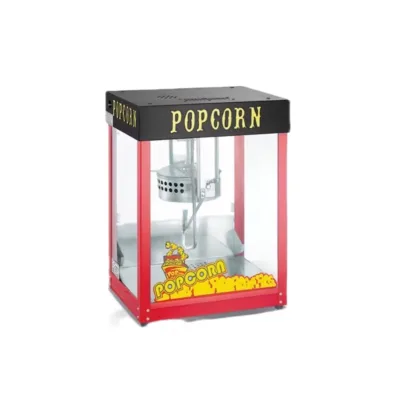
Explore 30 listings for the Automatic Commercial Popcorn Machine, comparing electric and gas-powered models with stainless steel construction. Buyers can evaluate features like timing devices, power-off protection, and packaging options to find suitable units for restaurants, home use, or commercial kiosks.
Key considerations
Products List

Industrial Popcorn Machine Automatic Popcorn Machine Commercial Popcorn Machine
$1500.00 - $2000.00
MOQ: 1 Sets


Fully Automatic Commercial Popcorn Machine Popcorn Machine Maker Popcorne Making Machine
$1500.00 - $2000.00
MOQ: 1 Sets


Popcorn Machine Industrial Popcorn Machine Electric Popcorn Machine with Good Quality
$1500.00 - $2000.00
MOQ: 1 Sets
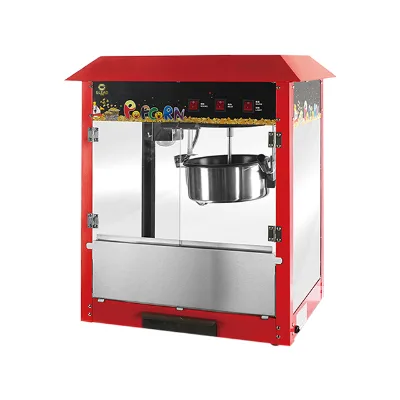


Commercial Electric Popcorn Machine Automatic Popcorn Production Line
$5800.00 - $6000.00
MOQ: 1 Pieces

Factory Supplier Commercial Popcorn Machine Automatic Popcorn Making Machine
$6300.00 - $6500.00
MOQ: 1 Pieces

China Factory Stainless Steel Electric Commercial Industrial Popcorn Machine
$6300.00 - $6500.00
MOQ: 1 Pieces


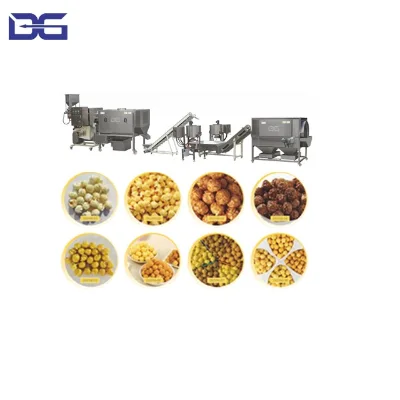
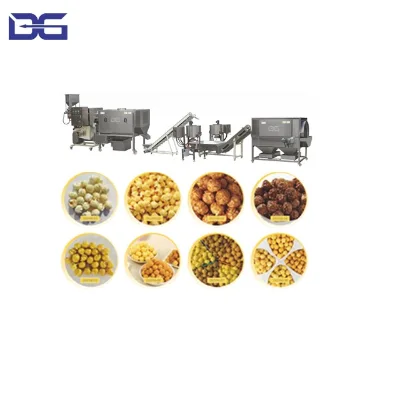
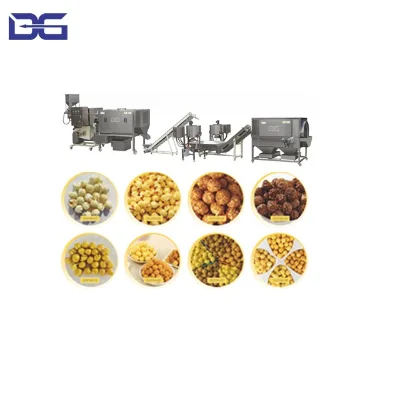


Electric Automatic Commercial Popcorn Making Machine Popcorn Machine
$5500.00 - $5688.00
MOQ: 1 Pieces



Comprehensive Sourcing Guide
Strategic Sourcing Guide for Automatic Commercial Popcorn Machines
The global demand for ready-to-eat snacks has driven a significant shift toward automated commercial popcorn machinery. For procurement professionals in the food service, retail, and entertainment sectors, sourcing an Automatic Commercial Popcorn Machine requires a rigorous understanding of technical capabilities, regulatory compliance, and supply chain reliability. This guide synthesizes available product attributes and industry standards to provide a structured approach for evaluating potential suppliers and selecting equipment that aligns with operational efficiency and safety requirements.
Technical Specifications and Operational Capabilities
When evaluating automatic commercial popcorn machines, the primary focus must be on the distinction between fully automatic and semi-automatic operations, as this dictates labor requirements and throughput consistency. Market observations indicate that suppliers offer units with varying grades of automation. Some models are explicitly categorized as "Automatic," while others are designated as "Semi-Automatic." Buyers must verify the specific "Automatic Grade" of the unit to ensure it matches the intended labor model. For high-volume environments such as cinemas or large amusement parks, a fully automatic system is generally preferred to minimize human intervention and maintain consistent output.
Power source is another critical technical differentiator. The supply chain presents options ranging from electric to gas-powered units. Electric models, often cited with power ratings such as 1.5kW, are suitable for indoor commercial kitchens where gas infrastructure is limited or where precise temperature control is required. Conversely, gas models may offer higher thermal efficiency in specific industrial settings. The voltage compatibility is equally vital; units designed for international markets often support a broad voltage range, such as 100-240V, ensuring adaptability across different regions.
Physical dimensions and weight are essential for facility planning. Observed specifications for commercial units often include dimensions around 550mm in width, 420mm in depth, and 740mm in height, with a single gross weight of approximately 25.0 kg. However, larger industrial variants may differ significantly, with some models featuring dimensions up to 740x320x1470mm. Procurement teams must reconcile these physical constraints with available floor space and loading dock capabilities. The material composition is predominantly stainless steel, a standard choice for food processing equipment due to its corrosion resistance and ease of cleaning. This material standard ensures durability in high-traffic kitchen environments.
Compliance, Certification, and Safety Standards
In the B2B food equipment sector, certification is not merely a formality but a prerequisite for market entry and operational safety. Buyers must scrutinize the certification portfolio of any prospective supplier. Common certifications observed in the commercial popcorn machine market include CE, CB, EMC, GS, LFGB, RoHS, and ISOCE. The presence of CE marking indicates conformity with health, safety, and environmental protection standards for products sold within the European Economic Area. Similarly, LFGB certification is crucial for food contact materials, ensuring that the machine does not leach harmful substances into the popcorn.
Safety features are integral to the design of modern commercial units. Advanced models often incorporate "Power-Off Protection" mechanisms to prevent accidents during unexpected power fluctuations or overheating events. Additionally, the inclusion of a "Timing Device" allows for precise control over the popping cycle, reducing the risk of burning or under-popping. These features are not optional luxuries but essential components for maintaining a safe working environment and adhering to occupational health regulations.
Buyers should also verify the "prod_standard" and "prod_packing" details to ensure the equipment meets local import standards. While some units are packed in plywood cases or wooden packages for heavy-duty transport, others may use color boxes for smaller, portable models. The packaging must be robust enough to protect the stainless steel components during transit, especially when shipping from major manufacturing hubs like Henan or Guangdong in China.
Cost Drivers and Total Cost of Ownership
The pricing landscape for automatic commercial popcorn machines is highly variable, with observed ranges spanning from $5.8 to $50,000 USD. This vast disparity is driven by several factors, including the level of automation, material quality, power source, and brand reputation. Lower-priced units often target home or small-scale commercial use, featuring simpler mechanisms and fewer safety features. In contrast, high-end commercial models command premium prices due to their robust stainless steel construction, advanced automation, and compliance with international safety standards.
Beyond the initial purchase price, buyers must consider the Total Cost of Ownership (TCO). This includes energy consumption, maintenance requirements, and the cost of replacement parts. Electric models with 1.5kW power ratings may have lower energy costs compared to gas units, depending on local utility rates. The "Supply Ability" of the manufacturer, often cited as 1000 pieces per month, can influence pricing; higher supply volumes may indicate economies of scale that benefit the buyer.
Minimum Order Quantity (MOQ) is another financial consideration. While some suppliers offer an MOQ of 1 unit, allowing for small-scale testing or single-unit procurement, others may require orders of up to 1000 units. Buyers should negotiate MOQ terms that align with their inventory strategy. Additionally, the "Customization" availability can impact costs. Customized features, such as specific branding or modified dimensions, typically incur additional charges but can enhance the machine's integration into a specific business model.
Typical Applications and Usage Scenarios
The versatility of automatic commercial popcorn machines allows them to serve a wide array of applications. The primary usage scenarios include restaurant kitchens, retail stores, cinemas, and amusement parks. For restaurant kitchens, the "Easy Operation" and "Convenient" features of these machines are paramount, allowing staff to prepare snacks quickly without extensive training. The "Mild Processing" and "Thermal Processing" methods ensure that the popcorn is prepared efficiently while retaining quality.
Some models are specifically designed for home use, featuring compact sizes and portable designs. These units often highlight features like "Preparation Without Oil," catering to health-conscious consumers. However, for commercial applications, the focus shifts to durability and volume. The "Type" of machine, whether labeled as "commercial" or "popcorn maker," dictates its suitability for the environment. For instance, a "Mini Small Portable Electric Popcorn Maker" is ideal for pop-up events or small kiosks, whereas a larger commercial unit is necessary for high-volume cinema operations.
The application also influences the choice of power source. Units designed for "Restuarant Kitchen" use often rely on electric power for ease of installation and safety, while gas-powered models might be preferred in outdoor food festivals where electrical infrastructure is limited. Understanding the specific "Application" and "Usage" requirements is essential for selecting the right equipment.
Supplier Evaluation and Supply Chain Reliability
Selecting the right supplier is as critical as selecting the right machine. Buyers should evaluate suppliers based on their "place of origin," "prod_origin," and "Port of dispatch." Major manufacturing hubs in China, such as Henan and Guangdong, are known for their specialized production capabilities. The "Port of dispatch," often Guangzhou, provides insight into the logistics network and shipping efficiency.
Supplier reliability is further indicated by their "Supply Ability" and "MOQ" flexibility. A supplier capable of delivering 1000 pieces per month demonstrates a robust production capacity. However, buyers must also assess the supplier's ability to handle customization requests. The availability of "Customization" and "Customized" options suggests a flexible manufacturing process that can adapt to specific client needs.
Brand reputation, such as "Glead," should be considered, but buyers must verify that the brand name is associated with the specific product line and not just a generic label. It is also important to check the "Product name" and "Model number" (e.g., GL-6B) to ensure the exact specifications are being delivered. Transparency in these details is a hallmark of a trustworthy supplier.
Quality Control and Long-Term Procurement Considerations
Quality control (QC) is a non-negotiable aspect of B2B procurement. Buyers should insist on detailed inspection reports that verify the "Material" (Stainless Steel), "Certification" status, and "Feature" integrity. The "Blade" specification, such as a "6 Leaves Stainless Steel" design, is a critical quality indicator for the popping mechanism. Ensuring that the blades are made of high-grade stainless steel prevents contamination and ensures consistent performance.
Long-term procurement considerations include the availability of spare parts and after-sales support. The "Packaging Details," such as "EXPORT PACKAGE," should be designed to facilitate easy maintenance and part replacement. Buyers should also consider the "Single package size" and "Single gross weight" for logistics planning, ensuring that the equipment can be easily moved and installed in the target location.
Finally, the "Feature" set, including "Convenient" operation and "Power-Off Protection," should be validated through testing or third-party verification. A reliable supplier will provide comprehensive documentation and support to ensure the machine operates safely and efficiently over its lifespan. By focusing on these quality control measures, buyers can mitigate risks and secure a long-term partnership with a supplier that delivers value and reliability.
FAQs
How does the power source affect machine selection?
Select between electric or gas power sources based on your facility's infrastructure. Electric models typically use 1.5kW and suit indoor kitchens, while gas units offer efficiency for outdoor events or areas with limited electrical access.
What certifications ensure safety for food contact?
Look for CE, LFGB, and RoHS certifications to ensure compliance with safety and food contact standards. These marks verify that the stainless steel construction does not leach harmful substances and meets international health regulations.
Which automatic grade suits high-volume cinema use?
Fully automatic models are preferred for high-volume environments to minimize labor and ensure consistent output. Semi-automatic units may suffice for smaller operations, but verify the specific automatic grade before purchasing.
Can I customize the machine for my brand?
Yes, customization is available for specific branding or modified dimensions to fit your business model. This service allows you to tailor the machine's appearance or features, though it may impact the final unit cost.
What is the typical minimum order quantity?
The minimum order quantity ranges from 1 to 1000 units depending on the supplier and product type. Single-item purchases are possible for testing, while bulk orders may leverage economies of scale for better pricing.
How do dimensions impact facility planning?
Commercial units often measure around 550 by 420 by 740 mm and weigh 25 kg, but larger models exist. Verify the single package size and gross weight to ensure the equipment fits your available floor space and loading capabilities.
Which material ensures durability in kitchens?
Stainless steel is the standard material choice for its corrosion resistance and ease of cleaning. This material ensures the machine remains durable and hygienic in high-traffic commercial kitchen environments.
What safety features prevent operational accidents?
Advanced models include power-off protection and timing devices to prevent overheating and burning. These features are essential for maintaining a safe working environment and adhering to occupational health regulations during operation.