Source Taiwan Bubble Tea Machine for Cafes, Kiosks, and Candy Production Lines
Compare Taiwan Bubble Tea Machine listings covering automatic popping boba production lines and commercial tea counters. Browse specifications, capacities from 100-600kg/h, stainless steel construction, and customization options across 30 products, then evaluate models, configurations, and delivery details to match your beverage or candy processing needs.
Key considerations
Products List

Taiwan Bubble Tea Popping Boba Depositing Machine Coffee Drink Juice Ball Machinery
$20000.00 - $35000.00
MOQ: 1 Pieces

Automatic Bubble Tea Popping Boba Machine for Bubble Boba and Bubble Pearl Machine
$73000.00 - $120000.00
MOQ: 1 Pieces

Automatic Boba Machine for Sale Bubble Tea Making Machine and Bubble Tea Equipment
$68000.00 - $73000.00
MOQ: 1 Pieces

Agar Jelly Boba Forming Equipment Taiwan Bubble Milk Tea Popping Boba Machine
$6999.00 - $9999.00
MOQ: 1 Pieces

Bubble Tea Ball Popping Boba Making Machine Juice Ball Forming Machine
$6999.00 - $9999.00
MOQ: 1 Pieces

Popping Boba Making Machine for Bubble Tea Popping Boba Production Line
$8999.00 - $10000.00
MOQ: 1 Pieces
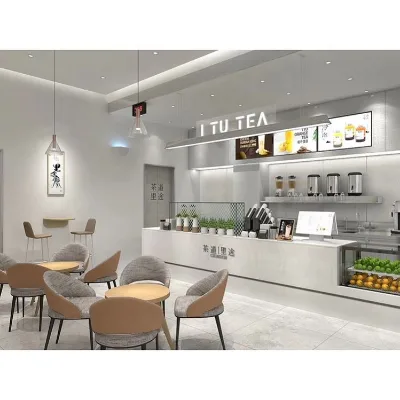


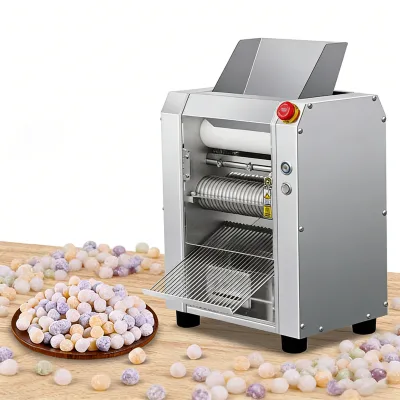
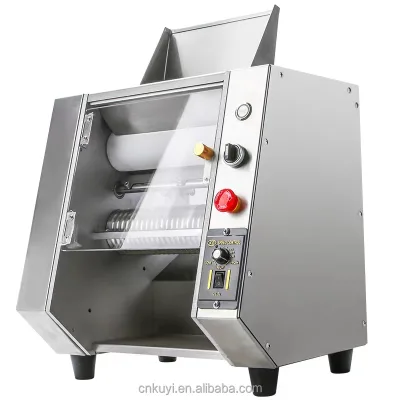


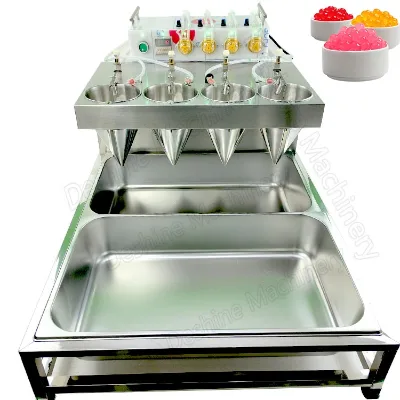


Electric Pearl Ball Making Machine Bubble Tea Commercial Tapioca Pearl Machine
$1200.00 - $1600.00
MOQ: 1 Pieces


Bubble Tea Popping Boba Making Machine Jelly Ball Bubble Tea Making Machine
$450.00 - $1280.00
MOQ: 1 Pieces

Pearl Jelly Ball Bubble Tea Juice Popping Boba Bursting Beads Making Machine
$450.00 - $1280.00
MOQ: 1 Pieces


Comprehensive Sourcing Guide
Taiwan Bubble Tea Machine Sourcing Guide
Sourcing a Taiwan Bubble Tea Machine covers a broader equipment category than many buyers expect. Listings under this keyword range from complete popping boba production lines with capacities of 100–600 kg/h down to single commercial tea counters intended for retail service, with observed listed prices spanning from roughly $65 to $120,000 and minimum order quantities from 1 to 10 units. That spread means the first procurement decision is defining your role: are you equipping a beverage shop, or investing in processing equipment to manufacture boba pearls or popping boba at scale? The two paths lead to entirely different product types, supplier bases, and verification requirements.
This guide organizes the sourcing process around the signals visible in current product listings. Buyers should treat listed attributes—certification marks, materials, capacity figures, and packing descriptions—as observations that vary by listing rather than guarantees attached to every product under this keyword. The sections below cover product scope, technical verification, compliance documentation, commercial terms, supplier qualification, and long-term procurement checks, so you can match your purchase order to equipment that is actually specified for your intended use.
Product Scope and Observed Listing Signals
The observed listings cluster into two distinct groups. The first is industrial candy processing equipment: popping boba machines and popping boba production lines, with models such as the TGP 100 / TGP 200 / TGP 500 series and the GP50N, capacities listed at 150–600 kg/h or 100–500 kg/h, thermal processing, electric power, full or semi-automatic operation, and 304/316 stainless steel construction. These are designed for candy application—producing the juice-filled spheres used in bubble tea—rather than for brewing or dispensing beverages. The second group is commercial fixtures, such as a bubble tea counter or tea counter (model TB-01, size 12007001400 mm, silver, stainless construction, single gross weight around 120 kg) intended for food service kiosks and commercial usage.
Listing signals also reveal how suppliers position these products. Brand names observed include Tgmachine and AD, with origins listed in Shanghai and Guangdong, China. Customization is repeatedly flagged—yield, material, and size can be customized—suggesting these are made-to-order or configurable products rather than off-the-shelf items. Buyers should read each listing's product name, model number, and attribute block carefully to confirm which equipment category it actually belongs to before requesting quotations.
Technical Specifications to Verify
For processing equipment, the priority specification is capacity. Listed figures of 100–500 kg/h and 150–600 kg/h describe different machine configurations, and buyers should confirm which figure corresponds to the model quoted, measured on what raw material, and under what operating conditions. Verify the automatic grade explicitly: listings show both full-automatic, semi-automatic, and "full/semi automatic" designations, which materially affects staffing, throughput consistency, and price. Also confirm the stainless steel grade—listings cite 304/316 stainless steel, but which grade applies to food-contact surfaces versus the frame should be stated in the quotation.
For footprint and installation, capture the dimensions actually given: one listing cites 2060X600x1660mm, while the commercial tea counter lists 12007001400 mm. Confirm power supply requirements, since observed listings specify electric power sources, and match voltage and phase to your facility. For the counter-type products, verify material quality carefully—listing text shows "Sainless Steel," a likely typo, which is a reminder to request written material specifications rather than relying on listing copy. Finally, ask for multi-function claims to be itemized: "multi-functional" appears in listings, but the specific functions delivered in your configuration should be listed line by line in the contract.
Compliance and Safety Documentation
Certification claims in the observed listings vary and should be verified individually rather than assumed. Listed standards include CE, CE with ISO, CE with ISO9001:2008, and "ISOCE," and one listing also carries a "2060X600x1660mm" entry in its standards field, which is evidently a dimension misplaced into the certification field. This inconsistency is a useful caution: treat certification fields as claims to confirm, not confirmed facts. Request copies of the actual certificates, check certificate numbers against the issuing body's records where possible, and confirm the certificate covers the specific model number you are purchasing.
Beyond certificates, ask suppliers for the documentation set that supports safe operation and import clearance: material certificates for food-contact stainless steel, an electrical safety declaration matching your destination market's requirements, an operating manual in your working language, and packing details confirming wooden case or plywood export packing. Because the popping boba machines involve thermal processing and electric power, request a description of safety interlocks, emergency stops, and any guarding. Buyers importing into regulated markets should independently confirm which local approvals apply to food processing machinery and commercial food service fixtures, since listing-level CE or ISO marks do not by themselves establish compliance with a specific country's import rules.
Cost Drivers and Commercial Terms
The observed listed price range of $65 to $120,000 underlines how differently these products are priced, and buyers should identify which cost drivers apply to their configuration. For popping boba machines and production lines, capacity tier (TGP 100 versus TGP 200 versus TGP 500), degree of automation, stainless steel grade (304 versus 316), and customization of yield, material, and size are the primary price levers. For commercial counters, size, material, and customization of the layout drive cost. Because customization is widely offered, obtain itemized quotations showing what each option adds to the base price rather than a single bundled figure.
On commercial terms, the observed listings provide useful reference points: minimum order quantities range from 1 to 10 units, and a delivery date of 30–60 days appears in the attribute data, though buyers should confirm lead time for their specific customized configuration, since customized machines typically extend beyond standard lead times. Confirm the Incoterms basis of any quotation, what the price includes (installation, commissioning, spare parts, training), payment schedule structure, and packing method—listings show wooden case, wooden packing, and wooden case/plywood variants, and export-grade packing should be specified in writing for machinery shipments.
Supplier Qualification and Quality Control
Qualify suppliers by matching their profile to your equipment category. A manufacturer of TGP-series popping boba production lines in Shanghai is a very different counterpart from a vendor of commercial tea counters in Guangdong, so begin by confirming the supplier actually manufactures the category you need, and ask for evidence: factory photos or video, the production floor where your equipment type is built, and references from buyers in your market segment. Verify the brand name on the quotation matches the entity issuing your contract, since observed listings show different brand names (Tgmachine, AD) under the same keyword.
For quality control, agree on a written inspection protocol before payment milestones. For processing equipment, specify factory acceptance testing at your stated capacity—within the quoted 100–600 kg/h range—using your actual raw material recipe, with you or a third-party inspector attending. For stainless steel, request material certificates distinguishing 304 and 316 on food-contact parts. For commercial counters, inspect welds, surface finish, and dimensional accuracy against the stated 12007001400 mm size. Pre-shipment inspection reports, documented test runs, and photographic evidence of the packed unit in its wooden case should all be contractual requirements, not courtesies.
Long-Term Procurement Checks
Plan for the ownership phase before you sign. For customized, made-to-order machinery, spare parts availability and technical support response times matter more than small differences in initial price. Ask which components are most likely to need replacement, how they are identified in the parts list, whether spare part kits can be ordered with the machine, and how software or control-system support is delivered remotely if the equipment is full or semi-automatic. Confirm warranty scope in writing—duration, what it covers, and whether travel or shipping costs for warranty service are included—since customized machines complicate warranty administration.
Also build repeatability into the relationship. If your first order succeeds, later expansion—adding another TGP-series line, upgrading capacity within the 100–600 kg/h range, or reconfiguring a counter—will be far easier with a supplier who has documented your original settings and customization choices. Request as-built drawings, final material specifications, and electrical schematics with delivery, and keep them with your maintenance records. Finally, when evaluating future reorders, reconfirm lead times and terms rather than assuming they carry over; the observed 30–60 day delivery window and MOQ range of 1–10 units are listing-level observations that can change between order cycles.
FAQs
What types of taiwan bubble tea machines are available for purchase?
Listings include popping boba production machines and bubble tea counters alongside related beverage equipment. Popping boba models such as the TGP series (TGP 100, TGP 200, TGP 500) offer capacities from 100 to 600 kg per hour, while counters like model TB-01 serve commercial tea shop use. Buyers can choose between full-automatic and semi-automatic configurations depending on production needs.
Can popping boba machines be customized for yield, material, and size?
Yes, customization is available, and suppliers state that yield, material, and size can all be customized. Capacity may be listed as customized on some models, so buyers should confirm target output before ordering. Machines are built in stainless steel, with some listings specifying 304 or 316 grades, so material preferences can be discussed during the quotation process.
What certifications do Taiwan Bubble Tea Machine listings carry?
Product pages show CE and ISO standards, including ISO9001:2008 on some listings, and a certification attribute of ISOCE appears in product properties. Certification coverage can differ between individual listings and models, so buyers should request copies of current certificates for the exact model and confirm which standards apply before finalizing an order.
How long is the delivery time for popping boba machines?
Listed delivery dates range from 30 to 60 days, so buyers should plan production schedules around this window. Actual lead time can vary with order quantity, customization requests, and factory workload at the time of booking. Confirming the exact dispatch date and production slot in writing before payment helps avoid delays in launching a bubble tea or boba production line.
What materials are used in Taiwan Bubble Tea Machine construction?
Machines are made of stainless steel, with some listings specifying 304 or 316 stainless steel grades for food-contact durability. Grade selection matters for hygiene and corrosion resistance in popping boba and beverage production. Buyers with specific sanitation requirements should confirm the material grade for each machine section, since listings reference both plain stainless steel and 304/316 options.
How are taiwan bubble tea machines packed and shipped?
Packaging is listed as wooden case, wooden packing, or wooden case and plywood, which suits export shipping for heavy equipment. Single gross weight for one counter model is listed at about 120 kg with a package size of 120 by 70 by 140 cm. Buyers should confirm packed dimensions for larger production lines to arrange freight, unloading, and installation space in advance.