Source Automatic Computerized EPS Pre-Expander for Packaging, Construction, and Insulation
Compare 30 listings for the automatic computerized eps pre-expander designed for packaging, construction, and insulation. Buyers can review specifications like density tolerance, power, and certifications to select the right machine for their plant.
Key considerations
Products List


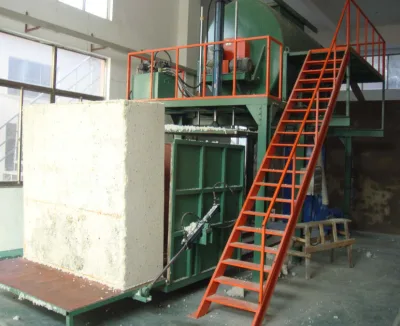
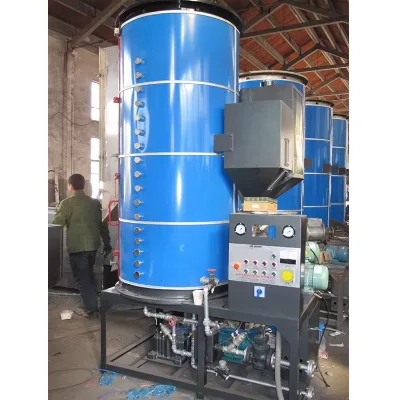


EPS Polystyrene Expander Machine Price Customized Continuous Pre-Expander Machine
$9000.00 - $11000.00
MOQ: 1 Sets


Continuous Mini EPS Pre Expander Machine EPS Expander Machinery EPS Expander Machine
$5460.00 - $5850.00
MOQ: 1 sets


Machine EPS Expanded Polystyrene EPS Continuous Expandible Pre Expander Machine
$5460.00 - $5850.00
MOQ: 1 sets


Expanded Polystyrene Pre-Expander Machine Pre-Expander Unit Pre Expanderex for EPS
$15800.00 - $22000.00
MOQ: 1 sets

Secure EPS Continuous Pre Expander Machine with Intelligent Control System
$30000.00 - $100000.00
MOQ: 1 Sets

EPS Pre Expander Expansion Machinery with Adjustable Foaming Process Parameters
$30000.00 - $100000.00
MOQ: 1 Sets

Advanced EPS Pre Expander Expansion Machinery with Temperature Control
$30000.00 - $100000.00
MOQ: 1 Sets


Durable EPS Continuous Pre Expander Foaming Machine with Long Service Life
$30000.00 - $100000.00
MOQ: 1 Sets
Comprehensive Sourcing Guide
Strategic Sourcing Guide for Automatic Computerized EPS Pre-Expanders
Understanding the Core Technology and Operational Principles
The automatic computerized EPS pre-expander represents a critical piece of industrial machinery designed for the secondary expansion of Expanded Polystyrene (EPS) foam. These machines are engineered to process raw EPS beads, typically identified as Zkf or Pkf types, into a pre-expanded state suitable for molding into final products. The fundamental operating principle for the majority of units observed in the market relies on high-pressure air systems. This mechanism ensures that the beads are uniformly expanded before being discharged into a storage hopper or directly into a molding machine.
The automation level of these units is a primary differentiator. Modern systems are fully computerized, utilizing advanced control interfaces to manage the expansion cycle, steam injection, and cooling phases. This automation reduces manual intervention, minimizes human error, and ensures consistent product density. The machinery is constructed with specific attention to material durability, often featuring shafts made from SS304 stainless steel to resist corrosion and ensure longevity in humid processing environments. The core components driving these systems typically include high-efficiency motors, with observed power ratings ranging from 1.1 kW to 5.5 kW depending on the specific model and capacity requirements.
Buyers must recognize that while the core function remains consistent, the physical configuration varies significantly. Dimensions can be substantial, with some models measuring approximately 3100mm in length, 1500mm in width, and 3500mm in height. The weight of these industrial units is also a critical logistical factor, with observed weights reaching up to 1200 kg. Understanding these physical attributes is essential for facility planning, as the equipment requires specific floor loading capacities and spatial arrangements to operate safely.
Technical Specifications and Model Variations
When evaluating the technical landscape of automatic computerized EPS pre-expanders, buyers will encounter a diverse array of model numbers and specifications. The market offers distinct series, such as the PSY-70, PSY-90, and PSY-120, alongside other designations like PSJ110-160 and FDS110-160. Specific models like the DTF500J and SPY-900 or SPY-900II also exist, each tailored to different production volumes and bead processing requirements.
The following table outlines the observed variations in key technical parameters across different model series. It is important to note that these specifications represent observed data points and may not apply to every unit listed in a general catalog.
| Parameter | Observed Range/Values | Notes on Application |
|---|---|---|
| Model Series | PSY-70, PSY-90, PSY-120, PSJ110-160, FDS110-160, SPY-900, DTF500J | Varies by production capacity and bead type. |
| Power Consumption | 1.1 kW to 5.5 kW | Higher power models generally support larger expansion volumes. |
| Voltage | 380V or Custom | Custom voltage options are available to match local grid standards. |
| Cylinder Height | 1000mm | Standard dimension for specific model configurations. |
| Volume Capacity | 0.2 m³ | Indicates the internal processing volume for specific units. |
| Density Tolerance | < ±3% | Critical for ensuring consistent foam quality in downstream molding. |
| Weight | 1200 kg | Represents the operational weight of standard units. |
The density calculation capabilities of these machines are a vital technical feature. The ability to achieve a density tolerance of less than ±3% is a significant indicator of machine precision. Furthermore, the availability of secondary expansion options allows for more complex processing workflows. Buyers should verify the specific density calculation methods and control logic of the model they are considering, as this directly impacts the final product quality. The spinning motor, often rated at 1.1 kW, plays a crucial role in the agitation and expansion process, ensuring that the beads do not clump and expand uniformly.
Compliance, Certification, and Safety Standards
Navigating the compliance landscape for industrial machinery requires a rigorous verification of certifications and standards. The market for automatic computerized EPS pre-expanders is characterized by a mix of international and regional standards. The most frequently observed certifications include CE and ISO9001. The presence of the CE mark indicates conformity with health, safety, and environmental protection standards for products sold within the European Economic Area. ISO9001 certification suggests that the manufacturer adheres to a quality management system that ensures consistent product quality.
Additional certifications such as SGS are also noted in the market, providing third-party verification of the machine's quality and safety. However, buyers must exercise caution when interpreting certification claims. While some listings explicitly state "CE, ISO9001," others may list "CE" independently or mention "Certification of Original: China." It is imperative for procurement teams to request and verify the actual certification documents rather than relying solely on product descriptions. The absence of a specific certification in a listing does not necessarily imply non-compliance, but the lack of verifiable documentation is a significant risk factor.
The standards governing these machines often include FDS1100 and FDS1500, which appear to be specific industry or manufacturer standards related to the processing of foam. Additionally, general standards like CE, SGS, and ISO are frequently cited. Buyers should confirm that the machinery meets the specific regulatory requirements of their local jurisdiction, as standards can vary by region. The origin of the machinery is predominantly Zhejiang, China (Mainland), a region known for its manufacturing capabilities but also requiring careful due diligence regarding the authenticity of the certifications provided.
Cost Drivers and Procurement Economics
The cost structure of automatic computerized EPS pre-expanders is influenced by several factors, including the level of automation, the complexity of the control system, and the materials used in construction. The observed price range in the market is exceptionally broad, spanning from 1 USD to 130,000 USD. This vast disparity indicates that the keyword search results likely include a mix of small-scale units, components, and fully integrated industrial systems. Buyers must be wary of extremely low-priced listings, as these may represent incomplete units, used equipment, or components rather than fully functional automatic computerized machines.
The "Competitive Price" is frequently cited as a key selling point, suggesting that price is a primary driver in the purchasing decision. However, the lowest price should not be the sole criterion for selection. The cost is also driven by the customization options available. Buyers can often request custom colors, custom voltage configurations, and specific model modifications. These customizations will inevitably impact the final cost and lead time.
The Minimum Order Quantity (MOQ) for these machines is observed to be 1, indicating that single-unit purchases are standard in the market. This flexibility allows small and medium-sized enterprises to enter the market without requiring large capital commitments. However, the warranty terms, typically ranging from 1 year to 12 months, are a critical component of the total cost of ownership. A longer warranty period can provide significant financial protection against early failures. Buyers should also consider the cost of ancillary components, such as the "Famous Brand" main valves, which may add to the overall expense but offer superior reliability.
Typical Applications and Production Capabilities
Automatic computerized EPS pre-expanders are primarily designed for the production of EPS foam used in various industrial applications. The core application is the preparation of EPS beads for subsequent molding processes. The machines are capable of handling secondary expansion, which is essential for producing foam with specific density requirements. This capability makes them suitable for a wide range of industries, including packaging, construction, and automotive sectors.
The processing type is classified as a Plastic Thermoforming Machine, highlighting its role in the broader plastics manufacturing ecosystem. The machines are designed to process specific raw materials, such as Zkf and Pkf types of EPS beads. The resulting pre-expanded foam is then used to create products ranging from protective packaging for electronics to insulation panels for buildings. The ability to customize the color of the machine and the density of the foam allows manufacturers to meet specific client requirements.
The production capacity of these machines varies based on the model. Larger models, such as those in the FDS series, are likely designed for high-volume production environments, while smaller units like the PSY series may be better suited for pilot plants or smaller manufacturing facilities. The density calculation feature ensures that the foam produced meets the precise specifications required by downstream molding processes. This consistency is crucial for maintaining the structural integrity and thermal properties of the final EPS products.
Supplier Evaluation and Quality Assurance
Evaluating suppliers of automatic computerized EPS pre-expanders requires a multi-faceted approach. The brand names observed in the market include Dongshen, Dong Shen, and D&T. While these names provide a reference point, buyers should not rely on brand reputation alone. Instead, they must conduct a thorough due diligence process that includes verifying the supplier's location, production capabilities, and after-sales support. The origin of the machinery is consistently listed as Zhejiang, China (Mainland), a hub for machinery manufacturing.
Quality assurance is a critical component of the procurement process. Buyers should request machinery test reports, which are often provided by suppliers. These reports offer objective data on the performance and safety of the equipment. The warranty period, typically 12 months, is another indicator of the supplier's confidence in their product. A supplier willing to offer a comprehensive warranty is more likely to provide reliable after-sales support.
The packing of the machinery is another area of focus. Standard export packages are commonly used to ensure safe transportation. However, buyers should verify that the packaging is sufficient to protect the machine during long-distance shipping. The condition of the machines is listed as "New," but buyers should confirm this through photos or third-party inspections if possible. The availability of customization options, such as custom colors and voltage, also indicates a supplier's flexibility and ability to meet specific client needs.
Long-Term Procurement and Maintenance Considerations
Long-term procurement success depends on more than just the initial purchase price. Buyers must consider the maintenance requirements, spare parts availability, and the overall lifecycle of the automatic computerized EPS pre-expander. The use of high-quality materials, such as SS304 for shafts, suggests a design intended for durability. However, regular maintenance is essential to keep the machine operating at peak efficiency.
The core components, particularly the motor, are critical to the machine's operation. Buyers should ensure that the supplier provides a clear maintenance schedule and access to spare parts. The "Famous Brand" main valves mentioned in the specifications indicate a reliance on high-quality components, which should be easier to source and replace. The density tolerance of < ±3% is a performance metric that must be maintained over time, requiring regular calibration and adjustment.
Lead times and production schedules are also important factors. While specific lead times are not provided in the general data, the complexity of the customization options can impact the delivery schedule. Buyers should establish clear communication channels with the supplier to manage expectations regarding delivery and installation. The warranty period of 1 year or 12 months provides a baseline for support, but buyers should consider the long-term costs of maintenance and potential downtime.
In conclusion, sourcing an automatic computerized EPS pre-expander requires a balanced approach that considers technical specifications, compliance, cost, and supplier reliability. By carefully evaluating the observed data and verifying claims through documentation, buyers can make informed decisions that ensure the successful integration of these critical machines into their production lines. The diversity of models and specifications available in the market offers opportunities for customization, but it also demands a rigorous evaluation process to select the right equipment for specific operational needs.
FAQs
What is the typical power consumption for these machines?
Power consumption ranges from 1.1 kW to 5.5 kW depending on the specific model and capacity requirements. Higher power ratings generally support larger expansion volumes and more complex processing workflows for industrial applications.
Which certifications are commonly available for these units?
Common certifications include CE, ISO9001, and SGS, indicating conformity with safety and quality management standards. Buyers should verify actual certification documents as listings may vary in their specific claims regarding compliance.
Can the machine density tolerance be customized?
The machine offers a density tolerance of less than ±3% for consistent foam quality. Secondary expansion is available, allowing for more complex processing workflows and specific density calculation capabilities to meet client requirements.
What is the standard weight and dimension of the equipment?
Standard units typically weigh 1200 kg with dimensions around 3100mm by 1500mm by 3500mm. These physical attributes are critical for facility planning to ensure sufficient floor loading capacity and spatial arrangements for safe operation.
How long is the warranty period for new machines?
The warranty period is typically 12 months for new equipment, providing financial protection against early failures. Some listings may specify a 1-year warranty, which is a standard indicator of the supplier's confidence in product reliability.
Which raw materials can the pre-expander process?
The machine processes specific raw materials such as Zkf and Pkf types of EPS beads. These materials are expanded into a pre-expanded state suitable for molding into final products for packaging or construction industries.
What is the minimum order quantity for purchasing?
The minimum order quantity is 1, allowing single-unit purchases for small and medium-sized enterprises. This flexibility enables buyers to enter the market without requiring large initial capital commitments for the machinery.