Source Automatic Control Relay Modules for Hotels and Warehouses
Find reliable Automatic Control Relay Modules for community, garage, and hospital applications. Compare 30 models with PCB mounting, various coil voltages, and RoHS certification to match your specific industrial or household needs; compare the available evidence and request quotations based on your requirements.
Key considerations
Products List


Pluggable Relay Module Customizable Omrom Compact Module Push in PCB Terminal
$21.00 - $22.00
MOQ: 1 Pieces

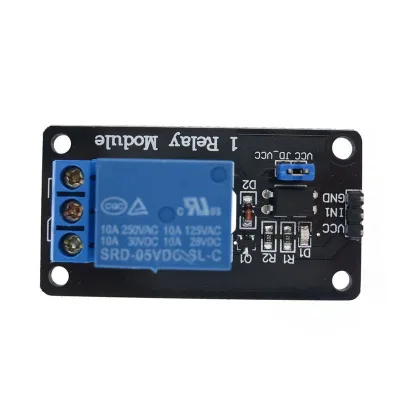


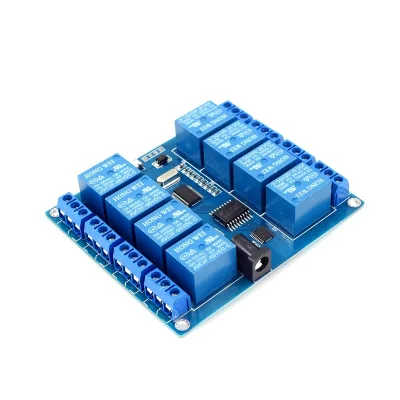


Comprehensive Sourcing Guide
Automatic Control Relay Modules Sourcing Guide
Procuring Automatic Control Relay Modules requires a precise understanding of the specific operational environments where these components will function. The observed product data indicates these modules are designed for diverse settings including community centers, garages, hotels, warehouses, parking facilities, and hospitals. Buyers must align their selection with the intended application, such as car relay systems, household appliance control, or communication relay networks, to ensure the module's internal architecture matches the load requirements.
The market offers a variety of configurations, ranging from subminiature sizes to larger combination structures, often featuring linear mathematical models for predictable performance. When evaluating listings, procurement teams should verify the physical dimensions and volume specifications, as observed ranges vary significantly from compact 19mm units to larger 114mm assemblies. Selecting the correct form factor is critical for integration into existing PCB layouts or terminal blocks, ensuring the module fits within the designated enclosure without compromising thermal management or accessibility.
Product Scope and Observed Listing Signals
Buyers should scrutinize the listed product models to distinguish between specific functional variants like the S4A-502, WDX series, and HF3F models. These identifiers often correlate with distinct coil voltage options, which include values such as 3V, 5V, 6V, 9V, 12V, 15V, 18V, 24V, and 48V. Understanding these voltage specifications is essential for matching the relay to the control circuit, as using an incorrect voltage can lead to immediate failure or unreliable switching behavior in the field.
The observed listings also highlight variations in material composition and structural design, with some units utilizing high-quality elements and stainless steel for durability. Packaging standards vary from neutral packing to specific carton configurations, which can impact logistics planning and inventory management. Procurement teams must verify the "New" condition status and confirm whether the product supports customization, as this affects lead times and the ability to tailor the module for unique industrial or commercial requirements.
Technical Specifications to Verify
Technical due diligence must begin with the electrical parameters, specifically the coil voltage and contact version. The available data suggests a single contact version is common, but buyers must confirm if the specific unit supports the required switching capacity for high-power relay applications. Verifying the terminal type, such as PCB or PCB-Tht mounting, is equally vital to ensure compatibility with the manufacturing assembly line and to prevent soldering issues during the integration process.
Physical dimensions and volume are critical constraints that often dictate the feasibility of a design. Observed volumes range from approximately 62mm to 114mm in various dimensions, requiring precise measurement against the target enclosure. Buyers should also check the applicable wire range, typically between 0.5mm² and 1.5mm², to ensure the module can handle the current load without overheating. Confirming the theory of operation, such as thermal relay mechanisms, helps in predicting long-term reliability under continuous signal conditions.
Compliance and Safety Documentation
Regulatory compliance is a non-negotiable aspect of sourcing Automatic Control Relay Modules for commercial and industrial use. The observed product data lists certifications such as RoHS, CCC, and ISO: CE, which indicate adherence to environmental and safety standards. Buyers must request valid certification documents for each batch to verify that the materials used, including the PA66 standard noted in some listings, meet the specific regulatory requirements of the destination market.
Safety documentation should also cover the electrical type, with observed data specifying DC electricity types. It is imperative to confirm that the module's insulation and isolation properties meet the safety standards for the intended application, whether in a hospital or a warehouse. Procurement teams should ensure that the supplier provides test reports validating the product's performance under the stated conditions, particularly regarding the automatic control function and its ability to handle continuous signals without failure.
Cost Drivers and Commercial Terms
Pricing for these modules is influenced by several factors, including the complexity of the design, the quality of the internal elements, and the level of customization required. The observed price range spans from 1 to 200 USD, reflecting the diversity from basic subminiature units to more complex combination structures. Buyers should analyze the cost per unit against the volume order, as the minimum order quantity (MOQ) can range from 1 to 200 units, significantly impacting the overall budget and unit economics.
Commercial terms extend beyond the unit price to include logistics and packaging details. The data indicates options for express delivery and sea transportation, which will affect the total landed cost and delivery timeline. Packaging variations, such as 1PCS/Box or carton configurations, also play a role in shipping efficiency and potential damage rates. Negotiating clear terms regarding these logistics and the specific packing requirements can prevent unexpected costs and ensure the product arrives in optimal condition for immediate deployment.
Supplier Qualification and Quality Control
Supplier qualification should focus on the origin and manufacturing capabilities, with observed data pointing to Guangdong, China, as a primary production hub. Buyers must verify the supplier's ability to maintain consistent quality, especially given the "High Quality Elements with Superb Design" claim. It is essential to audit the supplier's production processes to ensure they can consistently deliver products that meet the specified standards, such as the 36Lx34Wx20H(mm) dimensions or the specific model numbers listed.
Quality control protocols must be established to validate the "New" condition and the functional integrity of each module. Since the products are often customized, the supplier must demonstrate a robust process for handling custom orders without compromising the standard specifications. Buyers should request samples for rigorous testing, focusing on the relay's ability to perform the "Adjust" task and maintain the "Automatic Control" function under the specified load conditions before committing to a large-scale purchase.
Long-Term Procurement Checks
Sustaining a reliable supply chain requires ongoing monitoring of product consistency and performance over time. Buyers should establish a schedule for periodic re-verification of the module's specifications, ensuring that the coil voltage, contact version, and mounting type remain consistent with the original order. This proactive approach helps in identifying any drift in manufacturing quality or changes in material composition that could affect the reliability of the automatic control systems in the field.
Long-term checks also involve assessing the supplier's ability to support the product lifecycle, including the availability of spare parts and technical support. Given the diverse applications from communication relays to car relays, the supplier must be capable of providing timely assistance for any integration issues. Maintaining a clear record of the product's origin, certifications, and test results ensures that the procurement team can quickly address any compliance or performance concerns that arise during the product's operational life.
FAQs
What applications support Automatic Control Relay Modules?
These modules support diverse environments including community facilities, garages, companies, hotels, warehouses, parking areas, and hospitals. They are designed for car relays, household appliances, communication systems, and lathe operations. The continuous signal and automatic control function ensure reliable performance across these varied industrial and commercial settings.
Which certifications are available for these relay modules?
The products hold RoHS, CCC, ISO, and CE certifications. These standards ensure compliance with international safety and environmental regulations. Buyers can rely on these documented credentials for quality assurance and regulatory adherence when sourcing components for sensitive electronic applications in global markets.
Can the Automatic Control Relay Modules be customized?
Yes, customization is available for these modules. The products feature a combination structure and allow for specific adjustments. Buyers can request tailored solutions to meet unique operational requirements, ensuring the relay modules integrate seamlessly into their specific electronic systems and control architectures.
What coil voltage options are offered for these relays?
Coil voltage options include 3, 4, 5, 6, 9, 12, 15, 18, and 24 volts. These DC voltage levels provide flexibility for various circuit designs. The subminiature size and PCB through-hole mounting facilitate easy integration into compact electronic boards requiring precise electrical parameter control.
What is the origin and logistics for these modules?
The modules originate from Guangdong, China, and are shipped via express delivery or sea transportation. The packing is neutral or carton-based, with specific dimensions provided for each model. This logistics framework ensures efficient global distribution and secure handling of the high-quality elements during transit.