Source Recyclable Terminal Busbar Insulator for Power Systems
Find and compare 30 Recyclable Terminal Busbar Insulator options for high-voltage transmission, energy storage, and new energy vehicle applications. Evaluate composite polymer and porcelain materials with customizable specifications to meet diverse electrical installation needs; compare the available evidence and request quotations based on your requirements.
Key considerations
Products List


High Quality Bus Bar Insulator Low Voltage Busbar Support Insulator Manufacturer
$5.00 - $20.00
MOQ: 100 Pieces

Factory High-Voltage Busbar Insulator 65X140mm Indoor Post Insulator Busbar
$3.50 - $98.98
MOQ: 10 Pieces
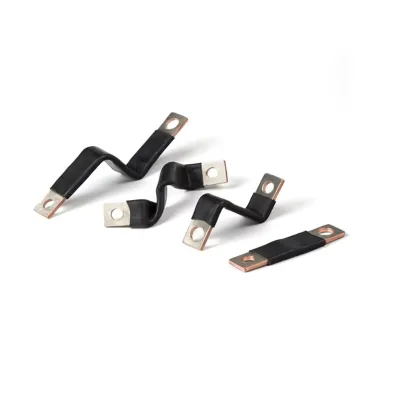


Power Distributing Block Insulated Busbar Terminal for Distribution Well
$0.10 - $3.00
MOQ: 1000 Pieces


Comprehensive Sourcing Guide
Recyclable Terminal Busbar Insulator Sourcing Guide
Procuring recyclable terminal busbar insulators requires a nuanced understanding of material science and electrical engineering constraints. These components serve as critical interfaces in power distribution systems, ensuring safe electrical isolation while maintaining structural integrity under high voltage conditions. Buyers must recognize that the term "recyclable" often refers to the end-of-life disposal or material recovery potential rather than a specific operational feature. Consequently, sourcing strategies must balance environmental goals with rigorous technical performance requirements.
The market offers diverse configurations, including composite polymer and porcelain variants, each presenting distinct advantages for different installation environments. Composite insulators often provide superior weight-to-strength ratios and resistance to environmental degradation, while porcelain options may offer proven long-term reliability in specific high-temperature applications. Understanding these material distinctions is essential for selecting the right product for your specific electrical infrastructure needs, ensuring both safety and sustainability are addressed in the procurement process.
Product Scope and Observed Listing Signals
Current market listings indicate a wide price range, typically spanning from $0.10 to $9,999 USD, reflecting the vast diversity in component complexity and volume. Minimum order quantities (MOQs) vary significantly, ranging from single units for prototyping to ten thousand pieces for large-scale industrial deployments. This variability suggests that buyers should align their order volumes with their project phases, leveraging the flexibility of suppliers who support customization and OEM services.
Observed product attributes highlight key features such as high-temperature resistance, good sealing properties, and specific connection methods like trough types. Materials identified include composite polymers, porcelain, and copper, indicating a broad spectrum of electrical and mechanical capabilities. Buyers should carefully review these attributes to ensure compatibility with their existing infrastructure, particularly noting applications in high-voltage transmission, low-voltage systems, and emerging sectors like energy storage and new energy vehicles.
Technical Specifications to Verify
Verifying technical specifications is paramount to ensuring the insulator meets the electrical and mechanical demands of your application. Key parameters to confirm include the bearing capacity, which may be specified as 60KN for certain models, and the type of insulator, such as A Type or Neer-CC series variants. Buyers must also assess the connection method, ensuring it aligns with the busbar design, and verify the surface treatment, such as nickel plating, which enhances conductivity and corrosion resistance.
Material composition plays a crucial role in performance, with options ranging from epoxy resin bushings to standard porcelain and composite polymers. It is essential to confirm the shape and species of the terminal, such as rectangular sockets, to ensure physical compatibility with mating components. Additionally, buyers should verify tolerances against international standards and confirm whether drawings are customer-supplied or customized, ensuring precise fit and function within the assembly.
Compliance and Safety Documentation
Compliance with international standards is non-negotiable for electrical components used in power systems. Buyers should request documentation verifying certifications such as ISO, CCC, JIS, GB, REACH, CE, and RoHS, which indicate adherence to quality, safety, and environmental regulations. These certifications provide assurance that the products have undergone rigorous testing and meet the necessary regulatory requirements for their intended markets, reducing legal and operational risks.
Safety features, such as firm quality construction and safe operational characteristics, must be explicitly confirmed in product datasheets. Environmental protection attributes, including recyclability, should be documented to support corporate sustainability goals. Buyers should also verify the packaging standards, such as wooden boxes or cartons, to ensure products arrive undamaged, and confirm that the supplier supports OEM customization for specific compliance needs.
Cost Drivers and Commercial Terms
Several factors influence the total cost of ownership for recyclable terminal busbar insulators, including material selection, customization level, and order volume. Customization options, such as specific sizes or shapes, can increase unit costs but may reduce overall assembly expenses by improving fit and reducing installation time. Buyers should evaluate the trade-off between standard and custom components, considering the long-term benefits of optimized performance against the initial price premium.
Commercial terms, including delivery times and shipping methods, also impact procurement costs. Delivery times are often quantity-dependent, with sample delivery taking 7-15 days, while bulk orders may require longer lead times. Shipping options via sea, air, or express services should be selected based on urgency and budget constraints. Buyers should negotiate clear terms regarding packaging and handling to minimize the risk of damage and associated replacement costs.
Supplier Qualification and Quality Control
Selecting a qualified supplier is critical for ensuring consistent quality and reliable supply. Buyers should verify the supplier’s origin, such as Zhangzhou, Fujian, and assess their capability for OEM customization and drawing-based production. Quality control processes should include adherence to international tolerances and robust surface treatment techniques, such as nickel plating, to ensure durability and performance.
It is essential to request evidence of the supplier’s quality management systems and past performance in similar applications. Buyers should inquire about the supplier’s ability to provide customer-supplied drawings and their flexibility in accommodating custom specifications. Establishing a clear communication channel for technical queries and quality assurance checks will help mitigate risks and ensure that the delivered products meet all specified requirements.
Long-Term Procurement Checks
Long-term procurement success depends on establishing a robust relationship with suppliers and implementing continuous quality monitoring. Buyers should regularly review supplier performance metrics, including delivery accuracy, product quality, and responsiveness to issues. Maintaining open lines of communication and conducting periodic audits can help identify potential problems early and ensure ongoing compliance with agreed-upon standards.
As technology and regulations evolve, buyers must stay informed about changes in material science and environmental standards. Regularly updating technical specifications and compliance requirements will ensure that procured components remain suitable for future applications. By proactively managing these aspects, buyers can secure a reliable supply of high-quality recyclable terminal busbar insulators that support their operational and sustainability objectives.
FAQs
What materials are used for recyclable terminal busbar insulators?
These insulators are commonly made from composite polymer or porcelain materials. Some variants also utilize copper for specific conductive applications. The choice depends on the required electrical properties and environmental resistance for the installation.
Can these insulators be customized for specific projects?
Yes, customization is available and supported for various product attributes. Buyers can request specific models, dimensions, or packaging solutions like wooden boxes. Custom drawings are also accepted to meet unique engineering requirements.
Which certifications do these electrical insulators typically hold?
Products often carry ISOCE, CCC, ISOJIS, GB, REACH, CE, and RoHS certifications. These standards ensure compliance with international safety and environmental regulations. Specific certifications may vary depending on the manufacturer and product model.
How are these insulators packaged for shipping?
Packaging options include wooden boxes, cartons, or inner boxes combined with cartons. Some suppliers offer OEM customization for packaging to suit specific logistics needs. The final packing method is often determined by the product size and order quantity.
What is the typical delivery time for sample orders?
Sample delivery usually takes between seven to fifteen days. For bulk orders, the delivery time is calculated according to the specific quantity requested. Shipping methods include sea, air, or express services depending on urgency.
Where are these insulators manufactured?
Manufacturing origins include China, with specific production sites located in Zhangzhou, Fujian. The products are designed for use in high-voltage and low-voltage electrical installations. Origin details may vary based on the specific supplier selected.
What are the main applications for these insulators?
They are used in high-voltage power transmission, energy storage systems, and new energy vehicles. Applications also cover rail transit, charging systems, and general power generation. The insulators provide essential insulation and signal transmission in these fields.