Source Die Cut Eva Foam Gasket for Sealing, Cushioning, and Insulation
Compare 30 Die Cut Eva Foam Gasket options from Chinese manufacturers. Evaluate features like corrosion resistance, heat insulation, and waterproofing for industrial flooring, machinery, and construction applications. These products offer hardness from 18-60 and thickness up to 60mm, suitable for custom sizes and various industrial needs.
Key considerations
Products List


Standard/Custom CAD/Pdf Drawing EVA/Rubber Foam Die Cut Foam Gasket
$10.50 - $61.30
MOQ: 1 Square Meters


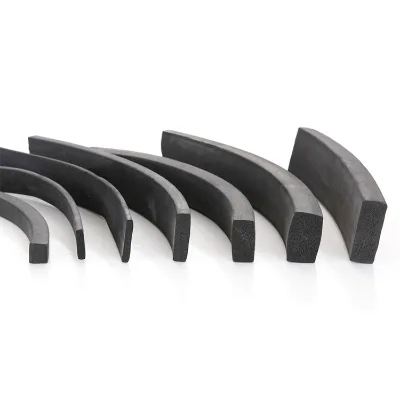

Customized Die Cut EVA Foam Gaskets Waterproof, Dustproof Seal for Automotive
$0.00 - $0.01
MOQ: 1000 Pieces


Custom Precision Self-Adhesive EVA Die Cut Gasket for Industrial Use/ Automoptive
$0.00 - $0.01
MOQ: 10000 Pieces

Custom Precision PP/Pet/Cooper/EVA with Adhesive Backing Die Cut Gaskets
$0.00 - $0.01
MOQ: 1000 Pieces

Comprehensive Sourcing Guide
Die Cut Eva Foam Gasket Sourcing Guide
Sourcing die-cut EVA foam gaskets requires a clear understanding of material properties, manufacturing tolerances, and application-specific performance needs. These components are widely used in industrial, automotive, and consumer electronics sectors to provide sealing, cushioning, and vibration dampening. Buyers must distinguish between standard off-the-shelf items and custom-engineered solutions, as the latter often involve higher tooling costs but offer superior fit and function. The decision to source from specific regions, such as China, often hinges on cost efficiency and supply chain flexibility, though quality consistency remains the primary concern for long-term procurement success.
The procurement process begins with defining the exact technical requirements, including hardness, density, and thickness, which directly impact the gasket’s performance in its intended environment. EVA foam is valued for its softness, good elasticity, and waterproof characteristics, making it suitable for applications requiring impact resistance and insulation. However, not all EVA formulations are identical; buyers should verify the raw material composition and any additives that affect heat or cold resistance. Understanding these material nuances ensures that the selected gasket will withstand operational stresses without degrading, thereby preventing premature failure and reducing maintenance costs.
Product Scope and Observed Listing Signals
The market for die-cut EVA foam gaskets presents a diverse range of product listings, often characterized by varying price points and minimum order quantities. Observed data indicates a price range from zero to approximately sixty-one dollars USD, reflecting differences in material quality, thickness, and customization levels. Minimum order quantities typically span from one unit to ten thousand, allowing both small-scale prototyping and large-volume production runs. Buyers should interpret these signals carefully, as extremely low prices may indicate inferior material quality or hidden costs associated with tooling and shipping, while higher MOQs often correlate with better unit economics for established production lines.
Listing attributes frequently highlight features such as corrosion resistance, wear resistance, and heat insulation, which are critical for industrial applications. Some suppliers offer products with specific certifications like RoHS and SGS, signaling adherence to environmental and safety standards. Additionally, customization is widely available, enabling buyers to specify exact dimensions, shapes, and densities to meet unique design requirements. It is essential to verify that the listed features align with actual product capabilities, as some claims may be generic marketing statements rather than verified performance data. Buyers should request detailed product specifications and sample evaluations to confirm that the gaskets meet their specific operational needs.
Technical Specifications to Verify
Verifying technical specifications is crucial to ensure that die-cut EVA foam gaskets perform as expected in their intended applications. Key parameters include hardness, which typically ranges from 18 to 60 on the Shore A scale, and density, which can vary from 20 to 220 kg/m³. These properties influence the gasket’s ability to absorb impact and maintain a seal under pressure. Thickness is another critical factor, with options ranging from 0.5mm to 60mm, allowing for flexibility in design and application. Buyers should confirm these specifications with the supplier, as variations can significantly affect the gasket’s performance and longevity in service.
In addition to physical properties, buyers must verify the gasket’s dimensional accuracy and tolerance levels, especially for custom die-cut parts. Standard sizes such as 1000x2000mm or specific sheet dimensions like A4 20x30cm may be available, but custom cuts often require precise tooling. The shape and form of the gasket, whether sheet, strip, or roll, should also be confirmed to ensure compatibility with the assembly process. Suppliers may offer different packing methods, such as woven bags, cartons, or custom packaging, which can impact storage and handling. Ensuring that all technical specifications are clearly defined and agreed upon before production helps prevent costly errors and delays.
Compliance and Safety Documentation
Compliance with safety and environmental standards is a critical aspect of sourcing die-cut EVA foam gaskets, particularly for applications in regulated industries. Certifications such as RoHS and SGS are commonly cited, indicating that the materials used are free from hazardous substances and meet specific quality benchmarks. Buyers should request valid certification documents from suppliers to verify compliance, as these documents provide assurance that the products meet international safety and environmental regulations. This is especially important for products used in consumer electronics, automotive, and medical applications, where material safety is paramount.
Beyond certifications, buyers should inquire about the raw materials used in the production of the gaskets, such as synthetic rubber, sponge, or nitrile rubber, and their associated safety profiles. Some applications may require additional testing for flame retardancy, chemical resistance, or thermal stability, which should be documented and verified. Suppliers may also provide material safety data sheets (MSDS) that detail the chemical composition and handling instructions for the gaskets. Ensuring that all compliance documentation is up-to-date and accessible helps mitigate legal and reputational risks, while also facilitating smoother customs clearance and regulatory approvals in target markets.
Cost Drivers and Commercial Terms
Understanding the cost drivers and commercial terms associated with die-cut EVA foam gaskets is essential for effective budgeting and negotiation. Key factors influencing cost include material type, thickness, density, and the complexity of the die-cut design. Customization often incurs additional tooling fees, which can be amortized over larger order quantities. Minimum order quantities typically range from 5000 square units to 1000 pieces, depending on the supplier and product specifications. Buyers should negotiate favorable terms based on order volume, seeking discounts for larger commitments while ensuring that quality standards are maintained.
Payment terms and delivery times are also significant commercial considerations. Common payment methods include T/T and PayPal, with delivery times ranging from 7 to 10 days for standard orders. Buyers should clarify these terms upfront to avoid unexpected delays or financial burdens. Additionally, packaging options, such as woven bags, cartons, or custom packaging, can affect shipping costs and product protection during transit. Suppliers may offer free samples for evaluation, which can be a valuable tool for assessing quality before committing to a large order. Clear communication regarding commercial terms helps establish a transparent and mutually beneficial relationship with suppliers.
Supplier Qualification and Quality Control
Supplier qualification is a critical step in ensuring the reliability and consistency of die-cut EVA foam gasket supplies. Buyers should assess suppliers based on their production capabilities, quality control processes, and track record in the industry. Suppliers located in regions like Changzhou and Qingdao in China are known for their manufacturing expertise, but buyers must verify their operational standards through audits or third-party inspections. Quality control measures should include rigorous testing of material properties, dimensional accuracy, and performance under simulated operating conditions. Buyers should request detailed quality assurance protocols to ensure that every batch of gaskets meets the specified requirements.
In addition to initial qualification, ongoing quality monitoring is essential to maintain product consistency over time. Buyers should establish clear communication channels with suppliers to address any quality issues promptly and implement corrective actions as needed. Regular audits and performance reviews can help identify potential problems before they impact production. Suppliers may offer customization services, but buyers must ensure that these services are managed with the same level of quality control as standard products. By prioritizing supplier qualification and quality control, buyers can build a resilient supply chain that delivers high-quality gaskets consistently.
Long-Term Procurement Checks
Long-term procurement checks are necessary to ensure that the sourcing strategy for die-cut EVA foam gaskets remains effective and adaptable to changing market conditions. Buyers should regularly review supplier performance metrics, including delivery times, quality consistency, and responsiveness to issues. These metrics provide valuable insights into the reliability of the supply chain and help identify areas for improvement. Additionally, buyers should stay informed about industry trends and technological advancements that may impact material availability or product performance. This proactive approach allows buyers to anticipate potential disruptions and adjust their sourcing strategies accordingly.
Furthermore, buyers should periodically reassess their technical requirements and explore alternative materials or suppliers that may offer better value or performance. The availability of customization and various material options, such as EVA, nitrile rubber, or synthetic rubber, provides flexibility in adapting to new design challenges. Buyers should also consider the environmental impact of their sourcing decisions, seeking suppliers who adhere to sustainable practices and regulatory standards. By maintaining a dynamic and informed procurement strategy, buyers can ensure that their die-cut EVA foam gasket supply chain remains competitive, reliable, and aligned with their long-term business objectives.
FAQs
What materials are used for die cut eva foam gaskets?
Die cut eva foam gaskets are primarily made from EVA material, though some variants use nitrile rubber or sponge. These materials provide softness, good elasticity, and waterproof properties suitable for industrial flooring and sealing applications.
Can I customize the size and thickness of these gaskets?
Yes, customization is available for size and thickness. Products range from 0.5mm to 60mm in thickness with standard sizes like 1000x2000mm or 2000x1000mm. You can request specific dimensions to fit your machinery or construction needs.
What certifications do these rubber sheets hold?
Many products hold RoHS and SGS certifications to ensure safety and quality. These certifications verify that the materials meet international standards for environmental compliance and performance, making them suitable for industrial and automotive applications.
How long is the delivery time for orders?
The typical delivery time is 7 to 10 days after order confirmation. This lead time applies to standard orders, though custom requests may vary. Suppliers often use woven bags or cartons for secure packaging during transit.
What is the minimum order quantity for these gaskets?
Minimum order quantities vary by product type, ranging from 1 piece to 5000 square meters. Some specific items require 1000 pieces as a baseline. Buyers should check specific listings to confirm the exact MOQ for their selected model.
Which features make these gaskets suitable for industrial use?
These gaskets offer corrosion resistance, wear resistance, and heat resistance. They also provide insulation, impact resistance, and fireproofing capabilities. Such features make them ideal for machinery, construction, and flooring applications requiring durability and safety.