Source Automatic Dot Peen Engraving Machine for Auto Parts, Instruments, Machinery
Find 30 Automatic Dot Peen Engraving Machine options for marking auto parts, instruments, and machinery. Compare models like LBQD-100 and KT-PH02 with varying marking areas, speeds, and customization features from verified Chinese suppliers.
Key considerations
Products List


Pneumatic Marking Machine DOT Peen Marking/Engraving/ Etching Machine
$900.00 - $1500.00
MOQ: 1 Pieces

Metal Nameplates DOT Peen Marking/Engraving Machine /Vin Number Marker
$800.00 - $1200.00
MOQ: 1 Pieces


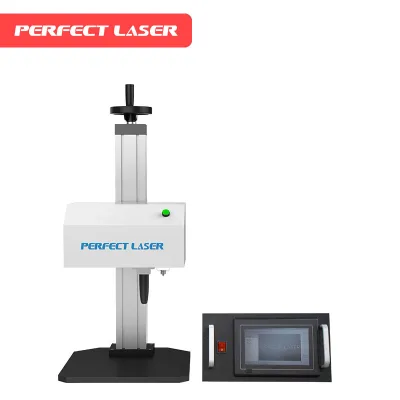
Perfect Laser Cheap Pneumatic DOT Peen Marking Engraving Machine Price
$900.00 - $1200.00
MOQ: 1 Pieces


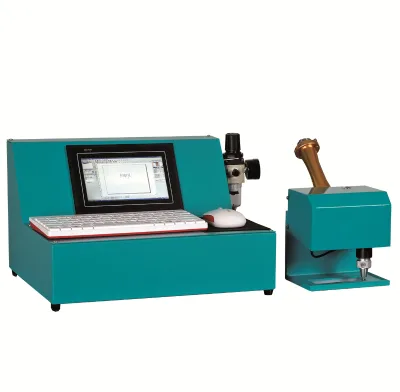


Portable Electric DOT Peen Marking Machine with Trolley Metal Engraving Machine
$1950.00 - $2350.00
MOQ: 1 Pieces

Metal DOT Pin Date Matrix Marking Engraving Machine/Mini Portable Electric DOT Peen Marking Machine
$1650.00 - $1850.00
MOQ: 1 Pieces

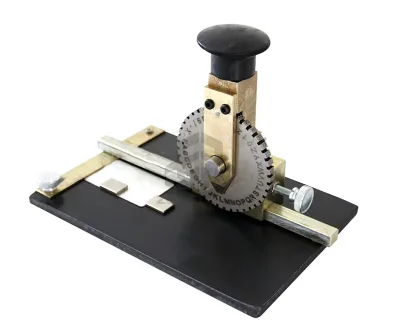
Automatic Nameplate Engraving Dot Pin Etching Machine for Stainless Steel
$1200.00 - $1500.00
MOQ: 1 units


Comprehensive Sourcing Guide
Automatic Dot Peen Engraving Machine Sourcing Guide
Product Scope and Observed Listing Signals
The Automatic Dot Peen Engraving Machine market presents a diverse range of industrial marking solutions designed for high-precision identification on various substrates. Based on observed listing signals, the product count stands at thirty distinct items, indicating a robust supply base with varying capabilities. The observed price range spans from $80 to $4,900 USD, reflecting significant variation in machine complexity, automation level, and marking head specifications. This wide financial spread suggests that buyers must carefully distinguish between basic manual or semi-automatic units and fully integrated CNC-controlled systems that offer higher throughput and repeatability.
Listing attributes reveal that customization is a prevalent feature, with many suppliers offering adjustable marking areas and specialized mounting options. The observed models, such as the LBQD-100, LBQD-310, and KT-PH series, demonstrate a focus on portability and adaptability for different production environments. Many units are described as portable, yet they incorporate robust standard bases, such as the 350420mm700mmh bottom base, ensuring stability during high-speed operation. Buyers should note that while some listings emphasize portability, the inclusion of export-standard wooden cases and plywood packaging indicates that these machines are built for industrial durability and safe international transit.
Technical Specifications to Verify
When evaluating technical specifications, the controlling mode is a critical differentiator between entry-level and advanced systems. The observed listings highlight CNC controlling modes and man-machine dialogue interfaces, which allow for precise programming of complex marking patterns. Buyers should verify the marking speed, which varies significantly across models; for instance, some units mark at a rate of three pieces per second for English letters and figures of 3mm height, while others specify speeds of 30-40mm/s. Understanding these metrics is essential for aligning machine capabilities with production line throughput requirements and ensuring that the marking process does not become a bottleneck.
The physical dimensions of the marking area and depth are equally important for application compatibility. Observed marking areas range from compact sizes like 120X40mm to larger formats such as 150X50mm, with some models supporting customized dimensions. The marking depth typically falls between 0.01mm and 0.6mm, depending on material hardness, which allows for both subtle identification marks and deeper, more permanent engravings on hard metals. Additionally, the marking shape capabilities, including arc and linear patterns, along with content types like VIN codes, graphics, and logos, must be matched to the specific identification needs of the end product.
Compliance and Safety Documentation
Compliance with international standards is a non-negotiable aspect of sourcing industrial machinery, particularly when operating in regulated markets. The observed listings frequently cite certifications such as ISO, CE, and FDA, which serve as indicators of adherence to quality management and safety protocols. Buyers must verify the current validity of these certifications, as they often require periodic renewal and specific testing regimes. The presence of CE marking, for example, is crucial for machines intended for use within the European Economic Area, ensuring that the equipment meets essential health and safety requirements for electrical and mechanical components.
Beyond general certifications, specific standards like ROHS and ISO9001:2008 are mentioned in some listings, pointing to environmental compliance and quality assurance processes. Buyers should request copies of these certificates and cross-reference them with the issuing bodies to ensure authenticity. Furthermore, the power source, identified as pneumatic power in several models, requires verification of air pressure requirements and filtration standards to prevent contamination or mechanical failure. Ensuring that the machine’s electrical and pneumatic systems comply with local facility standards is vital for safe and uninterrupted operation.
Cost Drivers and Commercial Terms
The cost of an Automatic Dot Peen Engraving Machine is influenced by several key drivers, including the complexity of the control system, the durability of the marking head, and the inclusion of auxiliary equipment. The observed MOQ range of 1-1 suggests that most suppliers are willing to sell single units, which is beneficial for small to medium-sized enterprises looking to upgrade their marking capabilities without committing to large inventory purchases. However, buyers should be aware that prices at the lower end of the spectrum may correspond to basic models with limited customization options or shorter warranty periods.
Commercial terms such as packing and shipping logistics also impact the total cost of ownership. The observed packing methods, including wrapping film, export-standard wooden cases, and plywood cases, indicate a focus on protecting the machine during transit. Buyers should clarify whether these packing costs are included in the quoted price or if they are charged separately. Additionally, the gross weight of the machines, ranging from 25kg for some models to larger dimensions for others, will affect shipping costs and handling requirements at the destination facility. Understanding these logistical details helps in budgeting for the complete procurement process.
Supplier Qualification and Quality Control
Supplier qualification is paramount to ensuring the reliability and longevity of the purchased equipment. The observed listings indicate that many suppliers offer a 12-month warranty, which provides a baseline level of protection against manufacturing defects. Buyers should inquire about the scope of this warranty, including whether it covers parts, labor, and shipping costs for replacements. Additionally, the availability of consumable items such as marking needles and steel bushings is a critical factor, as these components wear out over time and require regular replacement to maintain marking quality.
Quality control processes, such as the 100% QC inspection mentioned in some listings, are essential for minimizing the risk of receiving defective units. Buyers should request details on the specific tests performed during this inspection, including functional checks of the marking head, control system responsiveness, and dimensional accuracy. Furthermore, the origin of the machines, primarily from China with specific mentions of Jiangsu and Wuxi, should be considered in the context of the supplier’s manufacturing capabilities and export experience. Verifying the supplier’s track record and customer feedback can provide additional assurance of their reliability.
Long-Term Procurement Checks
Long-term procurement success depends on the availability of technical support and spare parts. Buyers should establish a clear channel for after-sales service, including access to technical documentation, software updates, and troubleshooting assistance. The observed customization options, such as adjustable marking areas and specialized mounting bases, suggest that suppliers are capable of tailoring machines to specific needs, but this also implies a need for ongoing support to ensure that custom configurations remain functional and efficient.
Distributor relationships can also play a significant role in long-term procurement, as indicated by the "Distributor Wanted" attribute in some listings. Engaging with authorized distributors may provide access to better pricing, faster delivery of spare parts, and localized technical support. Buyers should evaluate the supplier’s willingness to establish such partnerships and their commitment to maintaining a robust supply chain for consumables and replacement parts. This proactive approach ensures that the Automatic Dot Peen Engraving Machine remains a valuable asset throughout its operational lifecycle.
FAQs
What certifications do these machines have?
The machines hold ISO, CE, and FDA certifications. These standards ensure compliance with international safety and quality requirements for industrial equipment used in various applications.
Can the marking area be customized?
Yes, the marking area is acceptable for customization. Standard sizes include 120x40mm or 150x50mm, but specific dimensions can be adjusted to meet unique production needs.
What is the marking speed of the device?
The marking speed reaches 30 to 40mm per second. This rate allows for efficient processing of English letters and figures with a height of 3mm on various materials.
Which materials can be marked by this machine?
The machine marks both metal and nonmetal materials. It is suitable for applications in auto parts, instruments, and machinery where durable identification is required.
How deep can the machine engrave into the surface?
The marking depth ranges from 0.1 to 0.6mm depending on material hardness. Some models achieve a depth of 0.01 to 0.5mm based on the specific material used.
What is the warranty period for the equipment?
The equipment comes with a 12-month warranty. This coverage ensures support for the machine's performance and reliability during the initial year of operation.
Is the machine portable for different work sites?
Yes, the machine is designed as a portable unit. It features a compact structure suitable for moving between different locations within a factory or workshop environment.