Source Automatic Energy Saving Wood Mill for biomass, sawdust, and construction
Find 30 listings for the Automatic Energy Saving Wood Mill designed for converting biomass to sawdust and supporting construction applications. Buyers can compare models like HXSM and 2600, motor ranges, and customization options from verified Chinese manufacturers.
Key considerations
Products List

Energy Saving High Output Efficiency Stable Working Wood Sawdust Hammer Mill
$14000.00 - $110000.00
MOQ: 1 Sets

5mm-8mm Output Size, High Output Capacity Wood Sawdust Grinding Mill
$14000.00 - $110000.00
MOQ: 1 Sets


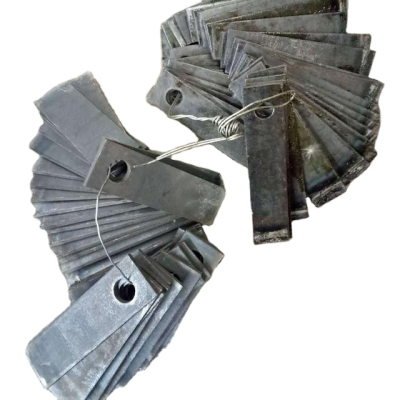

High Efficiency Wood Powder Mill/Wood Powder Processing Machine Wood Flour Mill
$12000.00 - $20000.00
MOQ: 1 Sets


Wood Grinder Machine to Turn Wood Into Sawdust Wood Hammer Mill for Sale
$10000.00 - $120000.00
MOQ: 1 Sets

Comprehensive Sourcing Guide
Strategic Sourcing Guide for Automatic Energy Saving Wood Mill Equipment
Procuring industrial machinery for biomass processing requires a disciplined approach that balances technical performance with regulatory compliance and total cost of ownership. The search for an "Automatic Energy Saving Wood Mill" specifically targets equipment capable of reducing wood waste into sawdust or similar particulate matter while optimizing power consumption and minimizing manual intervention. Buyers must navigate a complex landscape of specifications, certifications, and supplier capabilities to ensure the selected machinery aligns with their operational goals. This guide outlines the critical factors for evaluating such equipment based on observed market data and established industry standards.
Technical Specifications and Operational Capabilities
The core functionality of an Automatic Energy Saving Wood Mill is defined by its mechanical design and power configuration. Market observations indicate that these machines often feature a Dual Rotor design, which enhances the efficiency of the grinding process by allowing for more uniform particle size reduction. The cutting mechanism typically utilizes Hammer cutters, which are selected for their durability and ability to handle varying densities of biomass waste. The Blade quality is frequently described as meeting "High Standard" requirements, a critical factor in maintaining consistent output quality over extended operational periods.
Power consumption is a primary driver for the "energy saving" classification. Available units in the current market range in motor power from 75kw to 355kw, allowing buyers to select a capacity that matches their specific throughput needs. For smaller scale operations, lower power configurations such as 30kw units are also observed, though the primary focus for large-scale recycling often lies in the higher power brackets. The Controlling Mode for these advanced units is predominantly CNC (Computer Numerical Control), which automates the grinding process and reduces the reliance on manual labor, thereby increasing safety and consistency.
The Automatic Grade of the machinery varies. While many high-end models are classified as Automatic, some configurations may still operate on a Manual grade depending on the specific model and intended application. Buyers must verify the level of automation required for their facility. The discharge mechanism is another critical specification; many units employ a Screw Conveyor for efficient material removal. The length of both the Feed in Conveyor and the Discharge Conveyor is often customizable, listed as "Length as Required" or "Length as Requried," allowing the equipment to be integrated into existing production lines with specific spatial constraints.
Compliance, Certification, and Safety Standards
In the global B2B market, compliance with international safety and quality standards is non-negotiable. The supplied product data highlights CE and ISO certifications as high-confidence attributes for these wood mills. The CE marking indicates conformity with health, safety, and environmental protection standards for products sold within the European Economic Area, while ISO certification suggests adherence to international management system standards. Some listings also reference SGS as a standard or verification body, which buyers should verify as a third-party inspection or quality assurance measure rather than a product standard itself.
When evaluating compliance, buyers must look beyond the presence of a certification label. The prod_standard for these machines is noted as "depend on model," meaning that specific technical standards may vary based on the machine's configuration. It is essential to request the specific standard documents applicable to the model being purchased. Furthermore, the Voltage requirements are critical for operational safety; observed units operate at 380V, a standard industrial voltage in many regions, but buyers must confirm compatibility with their local power grid to prevent equipment damage or safety hazards.
Cost Drivers and Pricing Dynamics
The pricing for automatic energy saving wood mills exhibits a wide range, observed between 1.22 USD and 120,000 USD. This vast disparity is not indicative of product quality variance alone but reflects differences in scale, motor power, automation level, and included accessories. A unit priced at the lower end of the spectrum may be a smaller, manual-grade model or a component part, whereas the higher end represents fully automated, high-capacity systems with extensive conveyor systems and advanced control modules.
Several factors drive the final cost. The Motor power is a significant cost component; a 355kw motor will inherently cost more than a 30kw unit. The Customization options also impact price; machines with Customized features or specific prod_packing requirements, such as Plywood Box or FCL (Full Container Load) configurations, will carry a premium. Additionally, the Warranty period influences the total cost of ownership. While some units offer a 1 Year warranty, others provide an extended 2 Years coverage, which often correlates with a higher initial purchase price but offers better long-term risk mitigation.
Buyers should also consider the MOQ (Minimum Order Quantity) and Packing costs. The observed MOQ range is 1-10 units, suggesting flexibility for small buyers, but larger orders may benefit from volume discounts. The prod_packing varies from Plywood Box to Standard Container or FCL, and the logistics cost associated with shipping these heavy industrial machines can be substantial. The N/G Weight (Net/Gross Weight) of specific models, such as 940/970kg for smaller units, directly impacts freight charges.
Typical Applications and Industry Use Cases
The versatility of automatic energy saving wood mills makes them suitable for a diverse range of industries. The primary application identified is the conversion of Bimass Waster to Sawdust or Biomass to Sawdust. This process is fundamental for the production of wood pellets, where the Pellet Diameter of the final product is often a target specification, with observed ranges of 4-10mm. The machinery is also explicitly noted for Construction applications, where wood waste from demolition or processing needs to be recycled into usable material.
The Capacity of these machines varies significantly. Smaller units may offer a capacity of 300-500kg/H, suitable for pilot plants or small workshops. Larger industrial models, such as those with models like HXSM or HX2600, are designed for high-volume processing. The Main Part of some configurations includes a Roller and Flat Die, which suggests that certain units may also function as pellet mills or have integrated pelletizing capabilities, adding value to the recycling process.
Supplier Evaluation and Service Infrastructure
Selecting a reliable supplier is as critical as selecting the machine itself. The prod_origin for these machines is consistently listed as China, with specific hubs like Shanghai noted as a location of origin. Buyers should verify the supplier's ability to provide Spare Parts Supply for the Whole Year and After-Sale Service for the Whole Using Life. These long-term service commitments are vital for minimizing downtime in industrial operations.
The Test&Installation process is another key evaluation point. Many suppliers offer Engineer Assigned services, ensuring that the machine is correctly installed and tested on-site before handover. This service is crucial for complex machinery involving CNC controls and high-power motors. The Export Markets for these machines are Global, indicating that suppliers are experienced in international logistics and compliance. However, buyers must verify the supplier's track record in their specific region to ensure timely support.
Quality Control and Long-Term Procurement Considerations
Quality control extends beyond the initial purchase. Buyers should inspect the Condition of the machine, which is listed as New, but should also verify the physical condition of the Cutter and Blade upon delivery. The Color of the machine is often Multi Color, which may be a cosmetic choice, but the structural integrity of the frame and the quality of the Plywood Box or Standard Container packaging are essential for protecting the equipment during transit.
For long-term procurement, the Warranty terms are a primary consideration. A 2 Years warranty is superior to a 1 Year warranty, offering better protection against manufacturing defects. Buyers should also review the prod_standard documentation to ensure the machine meets the specific requirements of their local jurisdiction. The Automatic Grade of the machine should be matched to the skill level of the operators; a fully Automatic machine requires less training but may have higher maintenance costs if not serviced correctly.
Finally, the Capacity and Power specifications must align with the buyer's production targets. A mismatch in these areas can lead to inefficiencies or equipment failure. Buyers should request detailed performance data and test results from the supplier to validate the claimed Energy Saving attributes. While the market lists these machines as "Energy Saving," the actual performance depends on the specific application and maintenance practices. By rigorously evaluating these factors, buyers can secure a reliable, efficient, and compliant wood mill that supports their long-term operational success.
| Feature Category | Observed Specifications | Verification Requirement |
|---|---|---|
| Motor Power | 75kw-355kw (also 30kw observed) | Confirm power grid compatibility (380V) |
| Certification | CE, ISO, SGS (as standard/verification) | Request specific certificate copies |
| Automation | CNC, Automatic, Manual | Verify level of automation required |
| Warranty | 1 Year, 2 Years | Check terms for spare parts coverage |
| Origin | China (Shanghai noted) | Verify export experience and logistics |
| Capacity | 300-500kg/H (varies by model) | Match to production throughput needs |
| Packing | Plywood Box, FCL, Standard Container | Assess shipping and handling costs |
| Service | Engineer Assigned, Whole Life Support | Confirm response time and local presence |
In conclusion, sourcing an Automatic Energy Saving Wood Mill requires a comprehensive understanding of the technical, regulatory, and logistical aspects of the equipment. By focusing on the specific attributes observed in the market, such as the dual rotor design, high-standard blades, and available certifications, buyers can make informed decisions. The wide range of prices and specifications necessitates a tailored approach, ensuring that the selected machine meets the specific needs of the application while providing the necessary support for long-term operation.
FAQs
What certifications do automatic energy saving wood mills have?
These machines typically hold CE and ISO certifications to ensure safety and quality standards. Some listings also reference SGS as a verification standard. Buyers should request specific certificate copies to confirm compliance with their local regulations before purchasing.
How much does an Automatic Energy Saving Wood Mill cost?
The price range observed in the market spans from 1.22 USD to 120,000 USD depending on the model. Higher costs often correlate with larger motor power, such as 355kw, and advanced customization options. Smaller units with 30kw motors may be priced lower.
Can I customize the conveyor length for this machinery?
Yes, customization is available for the feed and discharge conveyor lengths. The specifications list these as length as required to fit specific production line constraints. Buyers should confirm exact dimensions with the manufacturer during the ordering process.
What is the warranty period for these wood recycling machines?
Warranty periods vary, with options including 1 Year or 2 Years coverage depending on the specific model. Extended warranties often provide better protection against manufacturing defects. Buyers should verify spare parts supply terms which are often available for the whole year.
Where are these automatic wood mills manufactured?
The products originate from China, with specific manufacturing hubs noted in Shanghai. Export markets are global, indicating experienced international logistics capabilities. Buyers should verify the supplier's location and export track record to ensure reliable delivery.
What is the capacity of the Automatic Energy Saving Wood Mill?
Capacity varies by model, with smaller units offering 300-500kg per hour. Larger industrial models are designed for high-volume processing of biomass waste. Buyers must match the capacity to their specific throughput needs to ensure operational efficiency.
Which motor power options are available for these mills?
Motor power ranges from 30kw for smaller operations up to 75kw-355kw for larger industrial units. The 380V voltage is standard for these machines. Selecting the correct power rating is essential for matching the machine to the required processing volume.