Source Automatic EV Charger Cable Retractor for Stations, Garages, Fleets
Compare 30 listings for the Automatic EV Charger Cable Retractor from Guangdong suppliers. Buyers can evaluate models like YS-PHQ-01 and YS-PHQ-02, checking materials, MOQ, and delivery times for EV charging station security and cable management needs.
Key considerations
Products List
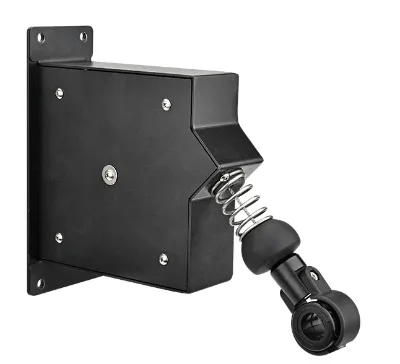


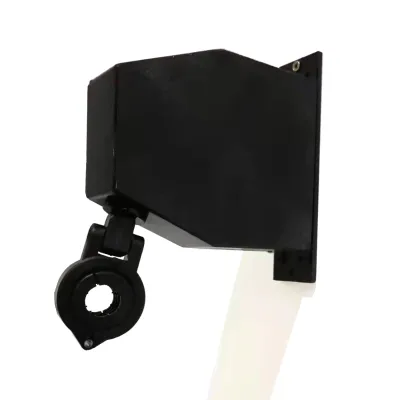
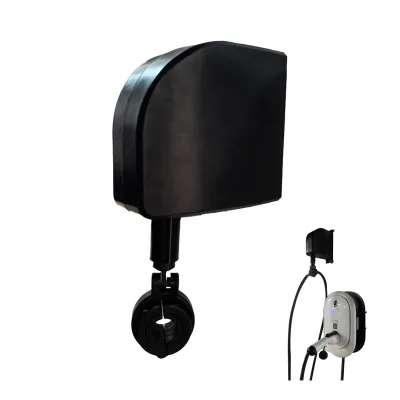


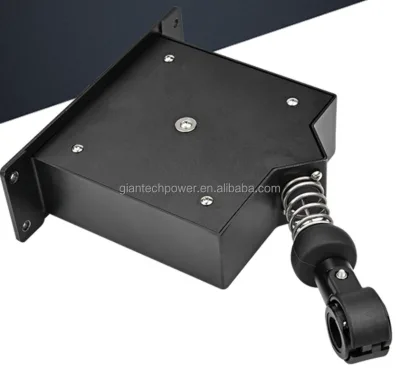
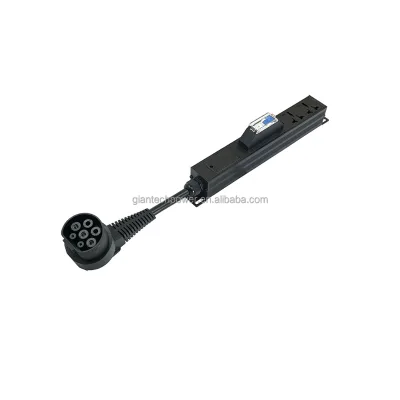
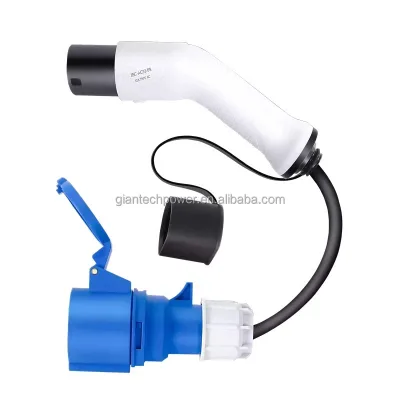
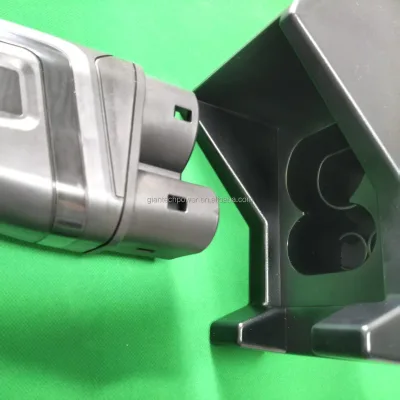
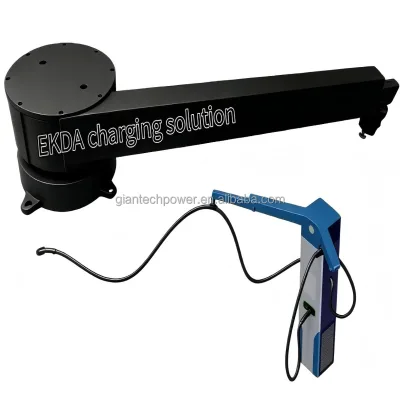
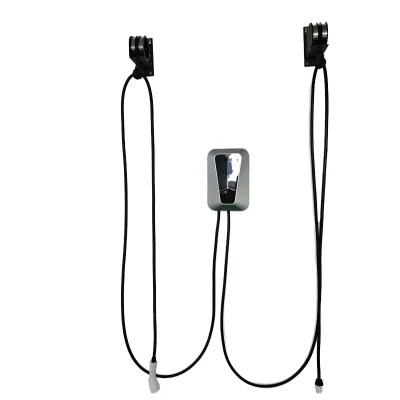
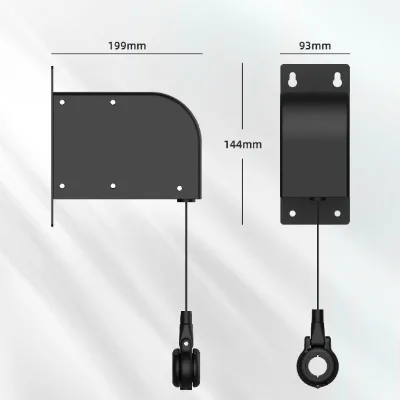
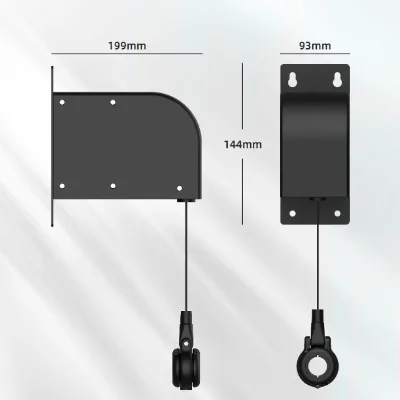
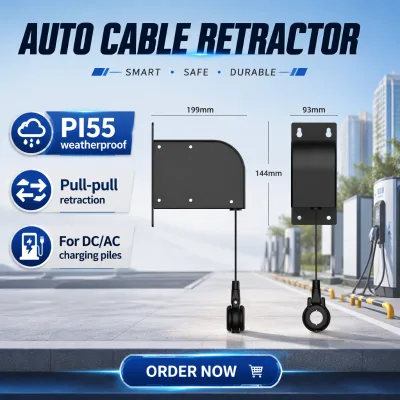

Comprehensive Sourcing Guide
Strategic Sourcing Guide for Automatic EV Charger Cable Retractors
The global transition toward electric mobility has accelerated the demand for infrastructure that ensures safety, organization, and longevity at charging stations. Among the critical components in this ecosystem is the Automatic EV Charger Cable Retractor. This device serves a dual purpose: it manages the physical weight of charging cables to prevent strain on the connector and vehicle port, and it provides a secure housing that protects sensitive electrical components from environmental damage. For procurement professionals, sourcing these units requires a nuanced understanding of mechanical specifications, material durability, and supplier capabilities. This guide provides a structured approach to evaluating potential suppliers and selecting the right product for specific deployment scenarios, grounded in verified market data and technical requirements.
Technical Specifications and Mechanical Design
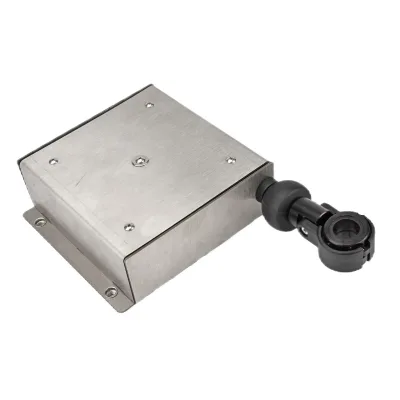
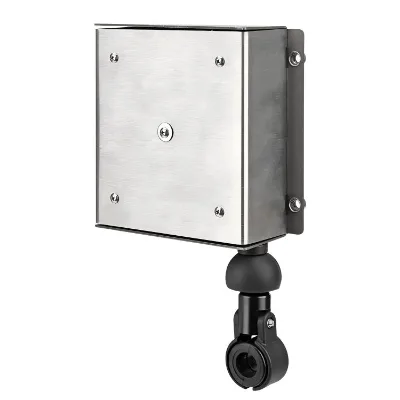
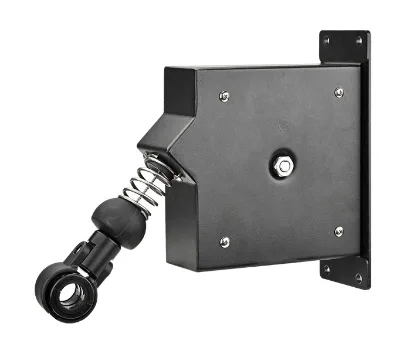
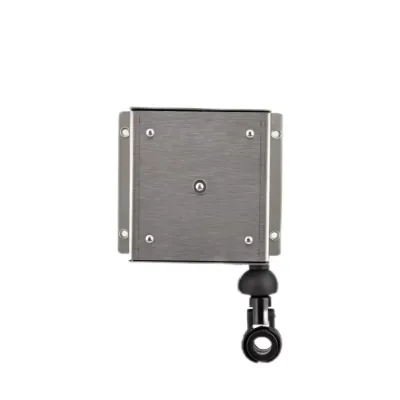
When evaluating automatic cable retractors, the primary focus must be on the mechanical integrity of the spring mechanism and the housing materials. The core function relies on a high-tension spring system that automatically retracts the cable after use, eliminating the need for manual winding. Based on observed market data, these units are frequently engineered with a combination of stainless steel and ABS (Acrylonitrile Butadiene Styrene) or iron and plastic composites. The selection of materials is critical; stainless steel offers superior corrosion resistance, which is essential for outdoor charging stations exposed to rain and humidity, while ABS provides impact resistance and lightweight durability for the housing.
Load capacity is a defining specification that varies by model. Procurement teams must verify the weight rating of the retractor to ensure it matches the specific cable being used. Data indicates that these units are available in specifications ranging from 5kg to 10kg. Selecting a unit with insufficient load capacity can lead to spring fatigue or failure, while an oversized unit may be unnecessarily bulky and costly. Furthermore, the physical dimensions of the product, often listed as customized sizes, must align with the mounting constraints of the charging station. Standard package dimensions observed in the market include sizes around 31x17x27.5 cm or 40x17x27.5 cm, which influence shipping logistics and storage requirements. The product is typically available in black or white finishes, with some suppliers offering OEM color customization to match the aesthetic of the charging infrastructure.
Compliance, Certification, and Safety Standards
In the B2B procurement of electrical accessories, verifying compliance with international quality and environmental standards is non-negotiable. While specific test results for individual units may vary, reputable manufacturers often operate under established management systems. Buyers should look for evidence of ISO9001 certification, which validates the supplier's quality management processes, and ISO14001, which confirms adherence to environmental management standards. These certifications suggest a systematic approach to production consistency and environmental responsibility, reducing the risk of supply chain disruptions due to non-compliance.
Safety is paramount when dealing with high-voltage equipment. The retractor must provide adequate security protection for the charging cable, preventing unauthorized access or tampering. The design should facilitate "All EV Charging Stations System" integration, ensuring compatibility with various charging protocols. Buyers must verify that the product meets local electrical safety codes and fire resistance standards relevant to their deployment location. Although specific fire ratings are not universally standardized in the provided data, the material composition (steel and ABS) generally implies a degree of fire resistance. However, procurement teams should request specific test reports regarding flammability and electrical insulation from the supplier to ensure the product does not become a liability in the event of a fault.
Cost Drivers and Pricing Dynamics
The pricing of automatic EV charger cable retractors is influenced by several variables, including material quality, customization levels, and order volume. Market observations indicate a significant price range, with unit costs varying from approximately $4.80 to $362. This wide disparity is not merely a reflection of brand premium but is driven by the complexity of the engineering and the specific configuration of the unit. High-end models featuring stainless steel construction, higher load capacities (up to 10kg), and advanced OEM customization will naturally command a higher price point compared to basic iron and plastic variants.
Volume is another critical cost driver. While some suppliers offer a Minimum Order Quantity (MOQ) as low as 1 set, allowing for sample testing or small-scale pilot projects, larger orders often benefit from economies of scale. The MOQ range observed spans from 1 to 500 units. Buyers should negotiate based on their projected deployment volume. Additionally, the payment terms, typically structured as T/T (Telegraphic Transfer) or negotiable arrangements, can impact the overall cost of ownership. Early payment discounts or favorable credit terms may be available for long-term contracts. It is essential to distinguish between the unit price and the total landed cost, which includes packaging, shipping, and potential duties. The packaging typically involves an outer box with foam board protection to prevent damage during transit, adding to the logistical cost.
Typical Applications and Deployment Scenarios
The versatility of automatic cable retractors makes them suitable for a wide array of applications across the EV charging landscape. The primary use case is in public and private charging stations where cable management is essential for user experience and equipment longevity. In high-traffic public areas, the retractor prevents cables from dragging on the ground, reducing wear and tear and minimizing tripping hazards. The product is designed for "All EV Charging Stations System" applications, indicating broad compatibility with Level 1 (LV1) and Level 2 (LV2) charging infrastructure.
Beyond standard parking lots, these units are increasingly deployed in commercial fleets, residential complexes, and industrial facilities. The "EV Charger Induction" capability suggests that some models may integrate with sensors to detect vehicle presence or charging initiation, automatically deploying or retracting the cable as needed. This automation enhances the user experience by reducing the physical effort required to connect the vehicle. Furthermore, the "Security Protection" aspect is vital for locations where vandalism or theft is a concern. The robust housing of the retractor acts as a deterrent, keeping the cable and connector secure when not in use. Buyers should assess the specific environmental conditions of their deployment sites, such as exposure to extreme temperatures or salt spray, to determine the appropriate material grade.
Supplier Evaluation and Capability Assessment
Selecting the right supplier is as important as selecting the right product. When evaluating potential partners, buyers should prioritize suppliers with a proven track record in the industry. Data indicates that some manufacturers possess over 23 years of experience, a metric that suggests stability and a deep understanding of the manufacturing process. Experience in this field often correlates with better quality control and more reliable after-sales support.
The ability to offer OEM (Original Equipment Manufacturer) and ODM (Original Design Manufacturer) services is a significant differentiator. Many suppliers provide "OEM/ODM Customised" options, allowing buyers to brand the product with their own logo or modify the design to fit specific mounting requirements. This flexibility is crucial for companies looking to create a unified brand identity across their charging network. Buyers should also verify the supplier's production capacity and lead times. While some suppliers offer a delivery time of as little as 5 to 7 working days, others may have longer lead times depending on order volume and customization needs. The location of the supplier, often identified as Guangdong, China, is a key factor in logistics, as this region is a major hub for manufacturing and export. Buyers should confirm the supplier's ability to handle international shipping via sea or air express to ensure timely delivery.
Quality Control and Long-Term Procurement Considerations
To ensure the longevity and reliability of the purchased retractors, a robust quality control (QC) process is essential. Buyers should implement a multi-stage QC strategy that includes pre-production sample verification, in-process inspections, and final random sampling before shipment. Given the mechanical nature of the product, testing the spring tension and retraction speed is critical. The product should be subjected to stress tests to ensure it can withstand repeated cycles of extension and retraction without failure. The single gross weight of the units, ranging from 5.000 kg to 8.0 kg, provides a baseline for verifying that the correct materials and components are being used in the final assembly.
Long-term procurement considerations extend beyond the initial purchase. Buyers should evaluate the supplier's warranty policies and their ability to provide spare parts or replacement units in the event of a failure. The "Single item" selling unit structure suggests that the product is often sold individually, which simplifies replacement logistics. However, for large-scale deployments, establishing a framework for bulk replacements or bulk ordering is advisable. Additionally, buyers should consider the environmental impact of the product. The use of recyclable materials like steel and ABS aligns with sustainability goals, and suppliers with ISO14001 certification are better positioned to support these initiatives.
Comparative Analysis of Product Variants
To assist in decision-making, the following table summarizes key differentiators observed in the market for automatic EV charger cable retractors. This comparison highlights the variations in model numbers, materials, and specifications that buyers should consider when finalizing their procurement strategy.
| Feature | Variant A (Standard) | Variant B (Heavy Duty) | Variant C (Customized) |
|---|---|---|---|
| Model Number | YS-PHQ-01 | YS-PHQ-02 | SPF / CV / FA |
| Material | Stainless Steel / Iron / Plastic | Stand Steel + ABS | Steel (Custom Grade) |
| Load Capacity | 5KG | 8KG / 10KG | Variable (OEM) |
| Color Options | Black / White | Black | OEM / Black / White |
| Package Size | 40X17X27.5 cm | 31X17X27.5 cm | Customized |
| Gross Weight | 8.0 kg | 5.000 kg | Variable |
| Certification | ISO9001/ISO14001 | ISO9001/ISO14001 | Verified on Request |
| Application | EV Charger Induction | Security Protection | All EV Stations |
This comparison underscores the importance of matching the specific variant to the operational requirements of the charging station. While the standard variant may suffice for light-duty residential use, heavy-duty variants are necessary for high-traffic commercial environments. Customized options offer the most flexibility but require a more rigorous vetting process to ensure quality consistency.
Final Procurement Recommendations
In conclusion, sourcing automatic EV charger cable retractors requires a balanced approach that weighs technical specifications against cost and supplier reliability. Buyers must prioritize products that offer the right balance of material durability, load capacity, and safety features. By leveraging the available data on certifications, lead times, and customization options, procurement teams can make informed decisions that align with their strategic goals. The wide range of available models and the presence of experienced manufacturers provide ample opportunity to find a solution that meets the unique demands of any EV charging infrastructure project. Ultimately, the success of the procurement lies in thorough due diligence, clear communication of requirements, and a commitment to quality assurance throughout the supply chain.
FAQs
What materials are used for Automatic EV Charger Cable Retractor housing?
Housing typically combines stainless steel with ABS or iron with plastic for durability. Stainless steel offers corrosion resistance for outdoor stations, while ABS provides impact resistance and lightweight protection for the internal spring mechanism.
Which load capacities are available for these retractors?
Units are available in specifications ranging from 5kg to 10kg to match different cable weights. Selecting the correct capacity prevents spring fatigue and ensures the device handles the physical strain of the charging cable effectively.
Can suppliers offer OEM customization for branding and design?
Yes, many manufacturers provide OEM and ODM customized options for branding and specific design needs. Buyers can request custom colors like black or white and modify dimensions to align with their charging station infrastructure requirements.
What certifications do reliable manufacturers typically hold?
Reputable suppliers often hold ISO9001 and ISO14001 certifications for quality and environmental management. These standards validate systematic production processes and environmental responsibility, reducing supply chain risks for buyers sourcing electrical accessories.
How long is the typical delivery time for these units?
Delivery times can range from 5 to 7 working days depending on order volume and customization. Suppliers located in Guangdong, China, often utilize sea or air express shipping to ensure timely international delivery for bulk orders.
What is the minimum order quantity for purchasing these retractors?
Minimum order quantities can be as low as 1 set, allowing for sample testing or small pilot projects. Larger orders may benefit from economies of scale, with some suppliers setting higher thresholds up to 500 units.