Source Automatic Filter Bag Sewing Machine for factories, workshops, and production lines
Find 30 verified options for the Automatic Filter Bag Sewing Machine tailored for industrial filtration needs. Buyers can compare models like SQ-700-X and SQ-4331 based on voltage, power, and sewing speed to select the right equipment for their facility.
Key considerations
Products List


$1800.00 - $2000.00
MOQ: 1 Pieces


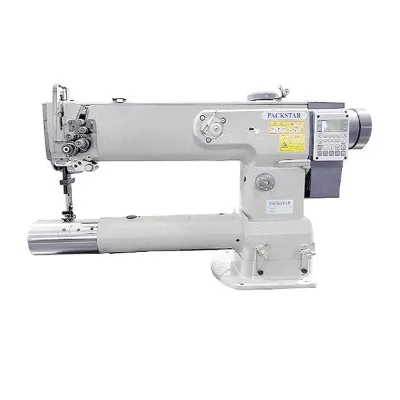


Industrial Sewing Machine Sleeve Bottom Sewing Machine Automatic Sewing Machine
$16000.00 - $21000.00
MOQ: 1 Pieces

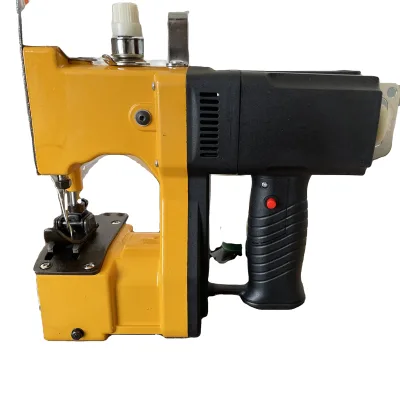
Automatic Sewing Machine Pocket Sewing Machine Industrial Sewing Machine
$9800.00 - $18000.00
MOQ: 1 Pieces

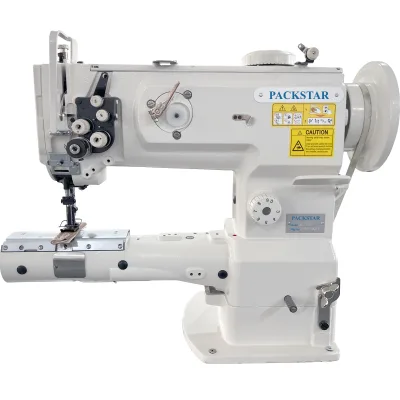
Automatic Sewing Machine Pocket Sewing Machine Auto Industrial Sewing Machine
$9800.00 - $18000.00
MOQ: 1 Pieces




Comprehensive Sourcing Guide
Strategic Sourcing Guide for Automatic Filter Bag Sewing Machines
Procuring an Automatic Filter Bag Sewing Machine represents a significant capital investment for industrial filtration manufacturers. These specialized units are designed to automate the stitching of filter bags, a critical component in dust collection systems for industries ranging from cement manufacturing to pharmaceutical processing. The market offers a variety of configurations, from single-needle to double-needle systems, each tailored to specific material thicknesses and production volumes. This guide synthesizes available product attributes and industry standards to help buyers navigate the technical landscape, evaluate supplier claims, and establish a robust procurement strategy without relying on unverified market data.
Technical Specifications and Operational Capabilities
The core functionality of an Automatic Filter Bag Sewing Machine is defined by its mechanical architecture and operational parameters. Buyers must first distinguish between the primary stitching mechanisms available. The observed market includes models equipped with Juki sewing machine heads, such as the Juki 1261, which are renowned for reliability in industrial settings. A critical specification to verify is the needle configuration; some units operate with a single needle, while others feature double needles to enhance seam strength and efficiency. The thread configuration typically aligns with the needle count, often utilizing double threads to create a robust lock stitch type essential for withstanding the pressure differentials in filtration systems.
Power consumption and drive systems are equally vital for operational planning. Available units demonstrate a wide range of power requirements, from compact 750W models suitable for lighter duties to heavy-duty industrial machines rated between 4kW and 7kW. The drive mechanism is predominantly electric, with some advanced configurations utilizing servo motors to ensure precise control over stitching speed and tension. Voltage compatibility is a frequent point of variation; while some units are designed for 220V single-phase power, others require 220V or 380V three-phase inputs. Procurement teams must verify the electrical infrastructure of their factory before finalizing a purchase to avoid costly retrofitting.
Speed and dimensional capabilities further define the machine's utility. The sewing speed for these units typically ranges from 6 to 10 meters per minute, while integrated hot welding capabilities, where applicable, can reach speeds of 6 to 13 meters per minute. The physical dimensions of the machine, often standardized around 1350mm x 650mm x 1400mm or similar large footprints, must be accommodated within the factory floor plan. Furthermore, the arm length varies significantly, with options ranging from 300mm to over 1100mm, directly influencing the maximum diameter of the filter bags that can be processed. The applicable sewing diameter generally spans from 120mm to 200mm, while hot welding diameters cover a similar range of 110mm to 200mm.
Material Compatibility and Filtration Standards
The selection of a sewing machine is inextricably linked to the materials it must process. The primary material for filter bags is non-woven fabric, specifically non-woven polyester fiber, which requires specific needle and thread settings to prevent tearing or fraying. The filtration grade is typically classified as a medium filter, necessitating seams that are both airtight and durable. The machine must be capable of handling thick materials, as filter bags often undergo rigorous testing for structural integrity under load.
The environment in which the filter bag is manufactured or used also influences machine selection. Units are often rated for room temperature operation, and the installation method for cartridges or filters can vary, with vertical lifting mechanisms being a common feature for ease of maintenance. The sectional shape of the filter bag, whether flat or cylindrical, dictates the sewing path and the required arm length. Additionally, the thread cutting method is a crucial automation feature; automatic thread cutting ensures consistent seam lengths and reduces operator intervention, thereby increasing overall throughput.
Compliance, Certification, and Quality Assurance
In the industrial machinery sector, compliance with international standards is a non-negotiable aspect of procurement. While specific certification bodies vary by region, the presence of ISO certification is a strong indicator of a manufacturer's commitment to quality management systems. Buyers should explicitly request certification documentation to verify that the machine meets the necessary safety and performance benchmarks. The origin of the machinery, often China, suggests a need for rigorous due diligence regarding the manufacturer's track record and adherence to international shipping and safety standards.
Quality assurance extends beyond the initial purchase. Many suppliers provide machinery test reports, which serve as empirical evidence of the machine's performance under controlled conditions. These reports should be reviewed to confirm that the machine meets the claimed specifications for speed, power, and stitching quality. The warranty period, typically one year for such equipment, is another critical factor. Buyers must understand the scope of this warranty, including coverage for core components like the hook and motor, to mitigate long-term operational risks.
Cost Drivers and Procurement Economics
The price of an Automatic Filter Bag Sewing Machine is influenced by a complex array of factors, including the brand name, the complexity of the control system, and the specific configuration of the sewing head. The observed price range in the market is extensive, spanning from approximately $1 to $26,500. This wide variance reflects differences in automation levels, brand reputation, and the inclusion of advanced features like servo motors or hot welding capabilities.
Minimum Order Quantity (MOQ) is another economic consideration. While some suppliers may offer flexible terms with an MOQ as low as one unit, others might require higher volumes. The packaging standard, typically a wooden case, adds to the logistical cost and must be factored into the total landed cost. Buyers should also consider the cost of consumables, such as needles and threads, which are specific to the machine's configuration. The total cost of ownership should include not only the purchase price but also installation, maintenance, and potential downtime costs.
Supplier Evaluation and Verification
Evaluating a supplier requires a systematic approach that goes beyond the initial product listing. Buyers should verify the supplier's ability to provide detailed machinery test reports and confirm the availability of core components like the hook. The brand name, such as PACKSTAR, may indicate a specific manufacturer, but buyers should remain cautious and verify the authenticity of the brand and the specific model numbers, such as SQ-700-X, SQ-4331, or SQ-206.
The supplier's location, typically China, implies specific logistical considerations, including lead times and shipping methods. While specific lead times are not universally standardized, buyers should request a clear timeline for production and delivery. The condition of the machine, usually listed as "new," should be verified through photos or video evidence. Additionally, the supplier's willingness to provide a warranty and after-sales support is a key indicator of their reliability.
Quality Control and Long-Term Procurement Considerations
Implementing a robust quality control (QC) protocol is essential for ensuring the longevity and performance of the sewing machine. Buyers should establish clear acceptance criteria based on the machine's specifications, including voltage, power, and stitching speed. Regular maintenance schedules should be developed to address wear and tear on critical components like the needles and the hook. The use of automatic thread cutting and precise needle distance settings (e.g., 6.4mm or 12.7mm) can significantly reduce the frequency of manual adjustments and improve consistency.
Long-term procurement considerations also involve the scalability of the machine. As production demands grow, the ability to upgrade the machine or integrate it with other automated systems becomes crucial. The application place, typically a factory setting, requires machines that can withstand continuous operation. Buyers should also consider the environmental impact and energy efficiency of the machine, especially given the varying power ratings from 750W to 7kW.
Comparative Analysis of Key Models
To assist in decision-making, the following table summarizes key specifications observed across different models. This comparison highlights the diversity in capabilities and helps buyers align their selection with specific production needs.
| Feature | Model SQ-700-X | Model SQ-4331 | Model SQ-206 | Model SQ-4431 | Model SQ-700 |
|---|---|---|---|---|---|
| Sewing Head | Juki Sewing Machine | Juki 1261 | N/A | N/A | N/A |
| Needle Number | Double Needles | N/A | 1/2 | N/A | N/A |
| Power | 4-7kw | N/A | 750W | N/A | N/A |
| Voltage | 220V/ 380V | N/A | 220V | N/A | N/A |
| Arm Length | N/A | N/A | 760mm/1100mm | N/A | 300mm |
| Standard Size | N/A | 13506501400mm | 105018701800 | N/A | N/A |
| Sewing Diameter | 120-200mm | N/A | N/A | N/A | N/A |
| Drive Type | Electric | N/A | Servo Motor | N/A | N/A |
| Condition | New | New | New | New | New |
| Warranty | 1 Year | 1 Year | 1 Year | 1 Year | 1 Year |
This table illustrates that while some models share common features like the Juki sewing head and double needles, others are specialized for specific tasks, such as the SQ-206 with its servo motor and variable arm lengths. The SQ-4331, with its specific standard dimensions, suggests a fixed footprint design, whereas the SQ-700-X offers a broader power range. Buyers must carefully match these specifications to their production requirements, ensuring that the selected machine can handle the intended material thickness and filtration grade.
Final Procurement Recommendations
In conclusion, sourcing an Automatic Filter Bag Sewing Machine requires a meticulous approach that balances technical specifications, cost considerations, and supplier reliability. Buyers should prioritize machines that offer the necessary power, speed, and dimensional flexibility for their specific application. Verification of certifications, test reports, and warranty terms is essential to mitigate risk. By adhering to the observed specifications and maintaining a rigorous evaluation process, procurement teams can secure equipment that enhances production efficiency and ensures the quality of the final filtration products. The diversity of available models, from the high-power SQ-700-X to the specialized SQ-206, provides ample opportunity to find a solution that aligns with both current needs and future growth strategies.
FAQs
What power options are available for automatic filter bag sewing machines?
Available power ratings range from 750W for compact units to 4-7kW for heavy-duty industrial models. Buyers must verify their factory's electrical infrastructure, as some machines require 220V single-phase while others need 220V or 380V three-phase inputs.
Which needle configurations are supported by these sewing machines?
Machines are available with either single or double needle configurations to suit different seam strength requirements. The thread count typically matches the needle count, often using double threads to create a robust lock stitch type essential for filtration systems.
Can these machines handle thick filter bag materials effectively?
Yes, the equipment is specifically designed to process thick materials like non-woven polyester fiber. The stitching mechanism ensures airtight and durable seams capable of withstanding the pressure differentials found in industrial dust collection applications.
What is the typical sewing speed for these automatic units?
The standard sewing speed ranges from 6 to 10 meters per minute during operation. Some models with integrated hot welding capabilities can achieve speeds of up to 13 meters per minute for enhanced production throughput.
How are these machines typically packaged for international shipping?
Units are standardly packed in wooden cases to ensure protection during transit. This packaging adds to the logistical cost and must be factored into the total landed cost when calculating the overall procurement budget for the equipment.
What warranty coverage is typically provided for this machinery?
A standard one-year warranty is commonly offered for these industrial sewing machines. This coverage often includes core components like the hook and motor, but buyers should verify the specific scope of the warranty with the supplier.
Which certifications should buyers look for in these machines?
Buyers should look for ISO certification as a strong indicator of quality management systems. It is essential to request certification documentation to verify that the machine meets necessary safety and performance benchmarks before finalizing the purchase.