Source Linear Multi-Head Bowl Sealing Machine for Food, Cosmetics, and Dairy
Explore 30 options for the Linear Multi-Head Bowl Sealing Machine, featuring automatic PLC control and pneumatic lifting structures. Compare specifications for rotary and single-room feeding models to find reliable sealing solutions for diverse packaging needs; compare the available evidence and request quotations based on your requirements.
Key considerations
Products List


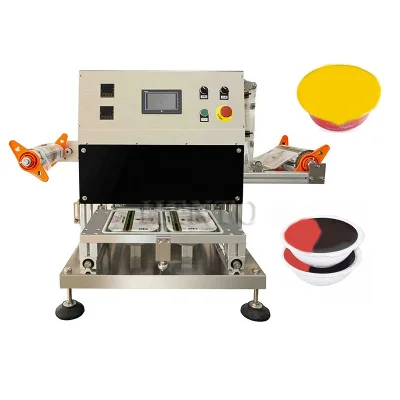


Advanced Industrial Bowl Sealer for Efficient Food Packaging Solutions
$24500.00 - $25000.00
MOQ: 1 Pieces


Comprehensive Sourcing Guide
Linear Multi-Head Bowl Sealing Machine Sourcing Guide
Procuring a linear multi-head bowl sealing machine requires a clear understanding of the specific mechanical architecture and operational parameters that define its efficiency. Buyers must distinguish between rotary and linear configurations, as the latter often offers easier maintenance access and modular scalability for high-volume production lines. The core functionality relies on precise synchronization between the feeding mechanism and the sealing head, ensuring consistent seal integrity across varying bowl dimensions. This guide outlines the critical verification steps necessary to align machine capabilities with your specific packaging throughput and quality standards.
Understanding the observed market signals is essential for setting realistic expectations regarding availability and customization. Current listings indicate a wide price range and flexible minimum order quantities, suggesting a competitive supplier base with varying levels of technological maturity. Buyers should note that while some models emphasize automatic grade and pneumatic lifting structures, others may focus on specific sealing materials like roll film or plastic caps. Verifying these attributes against your actual production needs prevents costly mismatches between machine design and your existing packaging line infrastructure.
Product Scope and Observed Listing Signals
The observed product landscape reveals a diverse array of sealing technologies, with distinct variations in head configuration and feeding structures. Some listings highlight multi-head filling principles combined with pressure-based dosing, indicating a hybrid capability that may suit viscous or semi-viscous products. Others focus exclusively on sealing functions, utilizing single-room feeding structures to maintain product integrity during the sealing process. Buyers must carefully review whether the machine is designed for continuous linear motion or intermittent rotary indexing, as this dictates the overall footprint and integration complexity within your facility.
Market data suggests that customization is widely available, allowing for adjustments in voltage, power consumption, and dimensional specifications. Observed models often feature automatic grades with core components such as motors, PLCs, and bearings, which are critical for long-term reliability. The presence of pneumatic lifting structures for packaging containers indicates a focus on ergonomic operation and quick changeover times. Procurement teams should verify if the observed sealing width and capacity metrics align with your current bowl sizes, as mismatched specifications can lead to significant operational bottlenecks and increased waste rates.
Technical Specifications to Verify
Technical verification must begin with the core component list, ensuring that the motor, pressure vessel, and pump are of industrial grade and compatible with your local power infrastructure. Buyers should confirm the voltage requirements, as observed listings may specify 220V or other standards, necessitating potential transformer installations. The PLC system is a critical control element; its programming language and interface usability should be evaluated to ensure your maintenance team can troubleshoot errors without extensive external support. Additionally, the sealing mechanism’s maximum width and speed must be validated against your peak production demands to avoid capacity constraints.
The mechanical structure, whether rotary or linear, directly impacts maintenance frequency and part replacement costs. Verify the material type of the sealing jaws and the type of film or lid used, as these wear items require regular replacement. Observed specifications often include weight and dimensional data, which are crucial for planning factory floor layout and logistics. Ensure that the machine’s power consumption, typically measured in kilowatts, aligns with your energy budget. Confirming the accuracy of these technical parameters prevents unexpected downtime and ensures seamless integration with upstream filling and downstream labeling equipment.
Compliance and Safety Documentation
Safety compliance is non-negotiable for industrial machinery, requiring thorough review of electrical certifications and mechanical guarding standards. Buyers must verify that the machine meets local electrical safety codes, particularly regarding grounding, emergency stop functionality, and interlock systems for moving parts. The presence of a machinery test report is a positive indicator, but it should be accompanied by detailed documentation of pressure vessel safety, especially if the machine utilizes pneumatic or hydraulic systems. Ensure that all safety guards are robust and clearly labeled to prevent operator injury during high-speed sealing operations.
Documentation should also cover environmental and operational safety, including noise level assessments and energy efficiency ratings. Observed listings often highlight low noise levels and energy-saving features, which contribute to a safer and more sustainable working environment. Verify that the machine’s control panel includes clear warnings and operational instructions in the appropriate language. Additionally, confirm that the supplier provides comprehensive manuals covering routine maintenance, lubrication schedules, and troubleshooting guides. Proper documentation ensures that your team can maintain compliance and optimize machine performance over its lifespan.
Cost Drivers and Commercial Terms
Cost structures for sealing machines are influenced by material quality, automation level, and the complexity of the sealing mechanism. High-grade stainless steel components and advanced PLC systems typically command higher prices but offer superior durability and precision. Buyers should analyze the total cost of ownership, including energy consumption, spare parts availability, and maintenance requirements. Observed listings show a wide price range, reflecting differences in brand reputation, component sourcing, and after-sales service packages. Understanding these drivers helps in negotiating fair pricing and avoiding hidden costs associated with inferior components.
Commercial terms such as warranty coverage, payment conditions, and delivery timelines significantly impact the procurement decision. Observed warranties for core components often range from one to two years, providing a baseline for risk mitigation. Buyers should negotiate extended warranty options or comprehensive service contracts to protect against unexpected repair costs. Clarify the minimum order quantity and lead times, as these affect inventory planning and production scheduling. Ensure that the contract includes clear provisions for installation, commissioning, and operator training, which are critical for achieving optimal machine performance from day one.
Supplier Qualification and Quality Control
Supplier qualification requires a rigorous assessment of manufacturing capabilities, quality control processes, and after-sales support infrastructure. Buyers should verify the supplier’s production capacity, facility cleanliness, and adherence to international quality management standards. Request detailed information about the sourcing of core components, such as motors and PLCs, to ensure they are from reputable manufacturers. Observing the supplier’s quality control procedures, including incoming material inspections and final assembly testing, provides confidence in the machine’s reliability and consistency.
After-sales service is a critical differentiator, with options ranging from video technical support to field installation and maintenance. Buyers should evaluate the supplier’s response time, technical expertise, and availability of spare parts. Observed listings often highlight comprehensive support packages, including online assistance and free spare parts for a specified period. Ensure that the supplier provides detailed training materials and access to technical experts for complex troubleshooting. A reliable supplier partnership minimizes downtime and ensures that your production line operates efficiently throughout the machine’s lifecycle.
Long-Term Procurement Checks
Long-term procurement success depends on establishing a robust framework for continuous performance monitoring and supplier relationship management. Buyers should implement regular audits of machine performance metrics, including seal quality, throughput rates, and maintenance frequency. Track the cost of spare parts and service calls to identify potential issues early and negotiate better terms with the supplier. Maintain a detailed log of machine modifications and upgrades to ensure compatibility with future production requirements and technological advancements.
Regular communication with the supplier is essential for staying informed about product updates, industry trends, and potential improvements. Participate in supplier training sessions and technical webinars to enhance your team’s operational knowledge. Consider establishing a long-term service agreement that includes preventive maintenance schedules and priority support. By proactively managing the machine’s lifecycle and maintaining a collaborative relationship with the supplier, buyers can maximize return on investment and ensure sustained production efficiency.
FAQs
What filling principle does the machine use?
The machine utilizes a pressure filling principle for accurate dosing. It features a plunger dosing device and a multi-head filling valve. This rotary structure ensures efficient operation for various liquid applications like cosmetics and food products.
Which core components are included in the warranty?
The warranty covers core components for one year. These parts include the motor, pressure vessel, pump, PLC, gear, and bearing. This protection ensures reliable performance during the initial operational period for the rotary filling machine.
Can the machine handle different packaging materials?
Yes, the machine supports plastic packaging materials and flexible container sealing. It is designed to seal barrels and bottles using roll film and plastic caps. This versatility allows it to process various items like seasoning, rice, and cleaning detergents.
What is the voltage requirement for operation?
The machine operates on a 220v voltage supply. It consumes 0.8kw of power and weighs 55kg. This electrical specification supports its function as an automatic bowl seal machine for food and commodity packaging applications.
How is the machine customized for buyers?
Customization is available to meet specific production needs. The machine offers video technical support and field installation services. Buyers can also receive free spare parts and online support to ensure long-term operational success.
What is the minimum order quantity for purchase?
The minimum order quantity is one set. This low threshold allows buyers to source the equipment without large initial commitments. The product originates from Wenzhou, China, and includes a two-year warranty for the bowl seal machine.
Which industries can use this sealing machine?
This machine serves industries including food, cosmetics, and cleaning products. It handles applications like dairy, meat, and vegetable packaging. The automatic grade ensures suitability for seasoning, rice, flour, and snack production lines.