Source Beverage Bottle Induction Sealer for Drinks, Dairy, and Cosmetics
Find reliable Beverage Bottle Induction Sealer options from 30 verified listings. Compare models like LGYF-2000BX and CW-22-18, featuring heat and cold sealing capabilities for drinks, dairy products, and cosmetics. Evaluate specs including 25pcs/min speed and 500W power to match your packaging line needs.
Updated
Key considerations
Products List


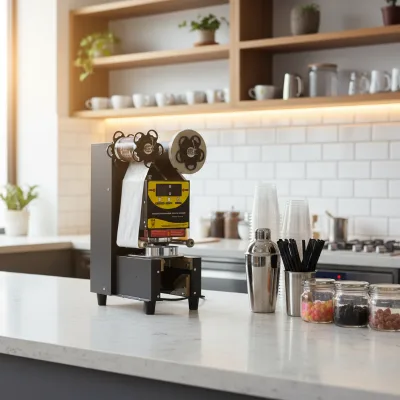
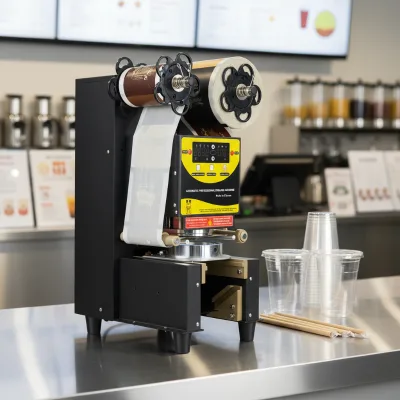
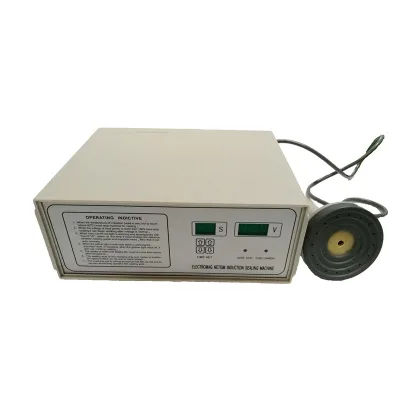
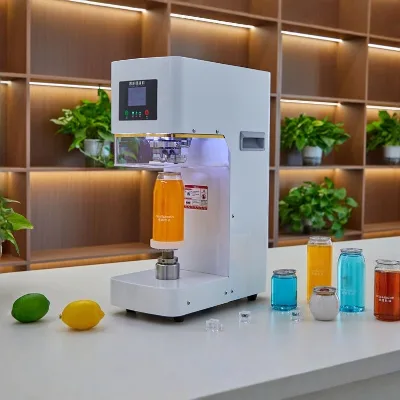
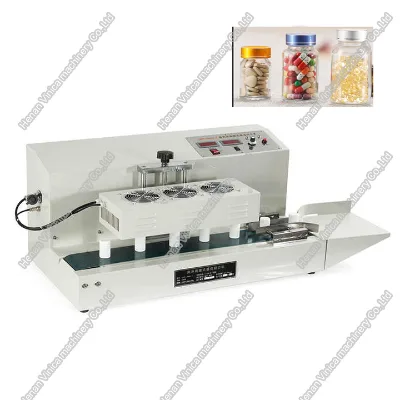
Induction Sealing Machine for Plastic Bottle Glass Jars Aluminum Foil Induction Sealer
$1900.00 - $2200.00
MOQ: 1 Pieces

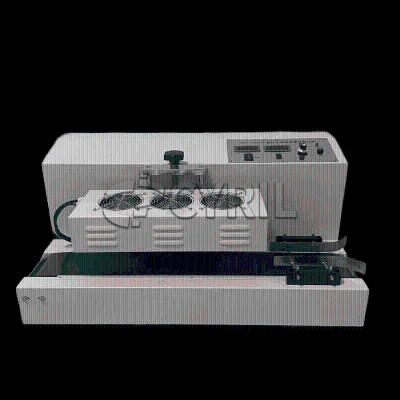
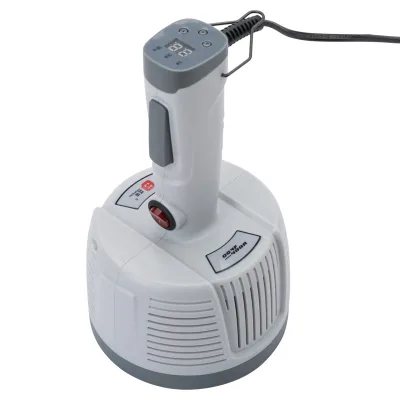
Portable Magnetic Induction Bottle Sealer
$469.00 - $845.00
MOQ: 1 SET
Qingdao Zhongkang Printing and Packaging Machinery Co., Ltd.


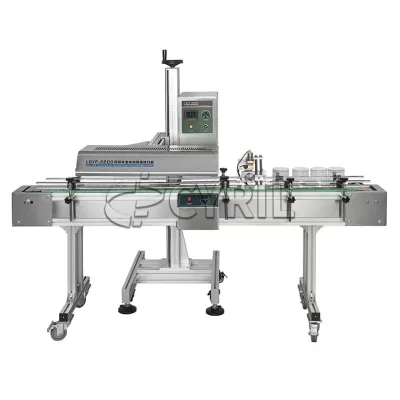
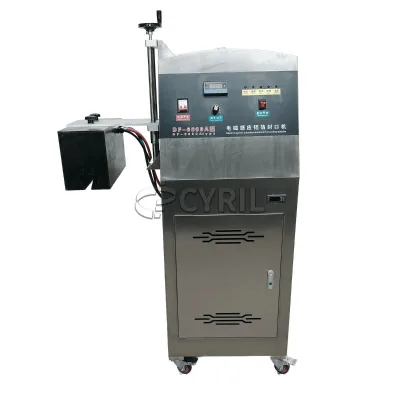
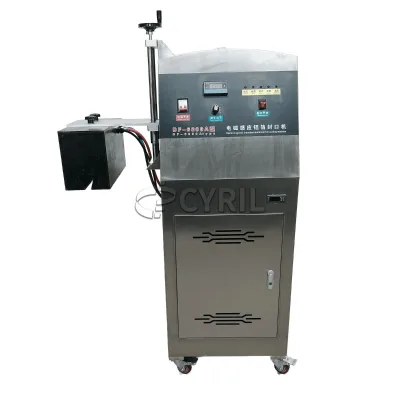
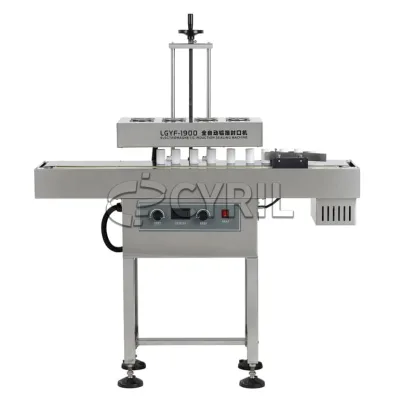
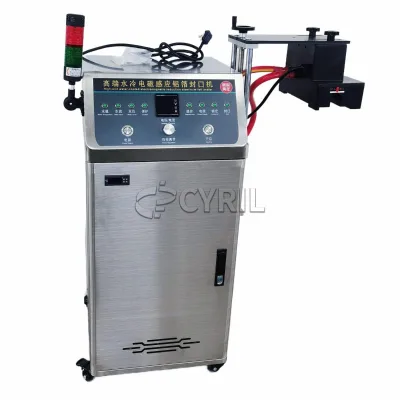


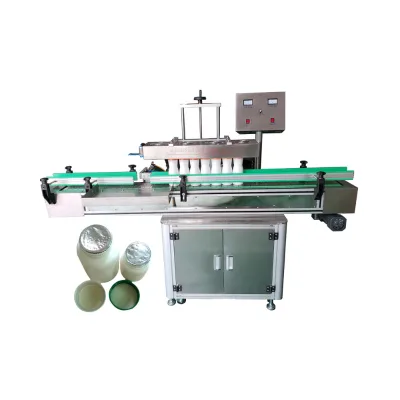
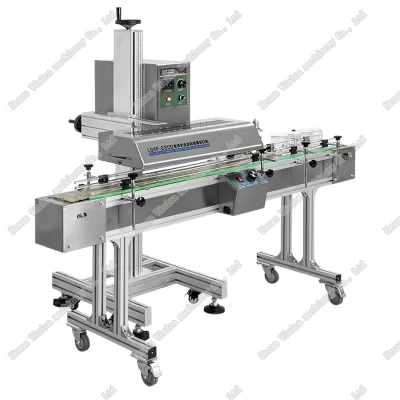
Factory Price Induction Bottle Sealer Electromagnetic Induction Bottle Cap Sealing Machine
$3500.00 - $5000.00
MOQ: 1 Sets

Comprehensive Sourcing Guide
Beverage Bottle Induction Sealer Sourcing Guide
Procuring induction sealing equipment for beverage production lines requires a precise understanding of machine capabilities and operational constraints. Buyers must evaluate whether the selected unit supports continuous or batch processing based on throughput demands. The observed market includes models with varying sealing speeds, such as those rated at 25 pieces per minute, which directly impacts line efficiency. Understanding these mechanical limits is essential for aligning equipment with existing production schedules and avoiding bottlenecks in high-volume beverage manufacturing environments.
Selection also depends on the specific sealing technology employed, with heat and cold sealing options available for different container materials. Induction sealing ensures tamper-evident seals and extends shelf life by creating an airtight barrier against moisture and oxygen. Buyers should verify that the machine’s voltage compatibility, such as 220 V, 110 V, or 380 V, matches their facility’s power infrastructure. This technical alignment prevents installation delays and ensures consistent performance across diverse operational settings without requiring extensive electrical modifications.
Product Scope and Observed Listing Signals
The current market offers a diverse range of sealing machines, including continuous induction sealers designed for various packaging formats. Listings indicate that these units are often marketed for applications beyond beverages, such as sealing snacks, dairy products, cosmetics, and cleaning detergents. This versatility suggests that many machines can handle multiple product types, but buyers must confirm compatibility with specific bottle neck geometries and liner materials. The presence of automatic grade classifications indicates a shift toward fully automated solutions that reduce manual intervention and improve consistency in high-speed production lines.
Packaging and shipping details provide insight into the physical footprint and handling requirements of these machines. Observed specifications include dimensions around 500x390x720 mm and weights near 20 kg, suggesting compact designs suitable for integration into existing workstations. Suppliers often package these units in wooden cases or plywood boxes to ensure safe transit. Buyers should review single package sizes and gross weights to plan warehouse storage and logistics efficiently, ensuring that receiving docks and internal transport systems can accommodate the equipment’s physical characteristics without damage.
Technical Specifications to Verify
Voltage and power requirements are critical technical parameters that must be verified before purchase. Machines may operate on 220 V, 110 V, or 380 V systems, with power consumption typically around 500 W for smaller units. Buyers must ensure their facility’s electrical supply matches the machine’s input requirements to prevent operational failures or safety hazards. Additionally, the driven type is usually electric, requiring stable power delivery to maintain consistent sealing temperatures and speeds. Confirming these electrical specifications early in the sourcing process avoids costly retrofits and ensures seamless integration into the production line.
Sealing speed and dimensional compatibility are equally important for operational efficiency. Some models offer a max speed of 25 pieces per minute, which may be sufficient for small to medium-scale operations but insufficient for high-volume beverage plants. Buyers should verify the machine’s ability to handle the specific diameter and height of their beverage bottles. The sealing type, whether heat or cold, must also align with the liner material used in the bottle caps. Mismatches in these technical specifications can lead to poor seal integrity, product spoilage, and increased waste, undermining the investment in the sealing equipment.
Compliance and Safety Documentation
Safety certifications and machinery test reports are essential for ensuring that the sealing equipment meets international safety standards. Buyers should request machinery test reports from suppliers to verify that the machine has undergone rigorous testing for electrical safety, mechanical stability, and operational reliability. These documents provide evidence that the equipment complies with relevant safety regulations, reducing the risk of workplace accidents and ensuring that the machine can operate safely in a busy production environment. Without proper documentation, buyers may face regulatory hurdles or insurance complications during installation and operation.
Warranty and after-sales support are critical components of the compliance and risk management strategy. A standard one-year warranty is commonly observed, providing coverage for defects in materials and workmanship. Buyers should also verify the availability of video technical support and free spare parts, which are crucial for minimizing downtime in case of mechanical failures. Understanding the scope of after-sales service helps buyers plan for maintenance costs and ensures that technical assistance is readily available. This support structure is vital for maintaining long-term operational efficiency and protecting the investment in the sealing equipment.
Cost Drivers and Commercial Terms
The price range for induction sealing machines varies significantly based on automation level, sealing speed, and additional features. Observed prices span from $45 to $5,000, reflecting the diversity of models available in the market. Lower-priced units may be semi-automatic or designed for low-volume applications, while higher-priced models offer full automation and higher throughput. Buyers should align their budget with their production volume requirements, avoiding over-investment in high-capacity machines for small-scale operations or under-investment in equipment that cannot meet demand. Understanding these cost drivers helps in making informed purchasing decisions that balance performance and financial constraints.
Minimum order quantities (MOQ) and payment terms also influence the total cost of ownership. Many suppliers list an MOQ of one unit, allowing buyers to purchase single machines for pilot testing or small-scale production. This flexibility reduces the financial risk associated with bulk purchases. Buyers should negotiate clear payment terms and delivery schedules to manage cash flow effectively. Additionally, considering the cost of ancillary items, such as sealing liners and replacement parts, is essential for accurate budgeting. Transparent commercial terms help buyers avoid hidden costs and ensure a smooth procurement process from order placement to installation.
Supplier Qualification and Quality Control
Supplier location and manufacturing origin are key factors in assessing reliability and logistical efficiency. Many suppliers are based in China, with origins in cities like Shanghai, Dongguan, and Guangdong. Buyers should verify the supplier’s manufacturing capabilities and quality control processes to ensure consistent product quality. Requesting references or case studies from previous clients can provide insight into the supplier’s reliability and after-sales support. Evaluating the supplier’s reputation and track record helps mitigate the risk of receiving substandard equipment or experiencing delays in delivery and support.
Quality control measures, such as machinery test reports and warranty provisions, are indicators of a supplier’s commitment to product integrity. Buyers should inquire about the specific quality assurance protocols employed by the supplier, including pre-shipment inspections and functional testing. Ensuring that the machine comes with a machinery test report provides assurance that the equipment has been verified for performance and safety. Additionally, confirming the availability of free spare parts and video technical support enhances the supplier’s value proposition. A qualified supplier with robust quality control measures reduces the risk of operational disruptions and ensures long-term satisfaction with the purchased equipment.
Long-Term Procurement Checks
Regular maintenance and spare parts availability are critical for the long-term reliability of induction sealing machines. Buyers should establish a maintenance schedule that includes routine cleaning, inspection of sealing heads, and calibration of temperature controls. Ensuring a steady supply of compatible sealing liners and replacement parts is essential to prevent production stoppages. Buyers should verify the supplier’s inventory of spare parts and lead times for delivery to maintain operational continuity. Proactive maintenance and parts management extend the lifespan of the equipment and reduce the total cost of ownership over time.
Technological upgrades and scalability are important considerations for future-proofing the investment. As production volumes grow, buyers may need to upgrade to higher-speed models or integrate additional sealing stations. Buyers should assess the supplier’s ability to provide upgrades or compatible accessories that can enhance the machine’s capabilities. Additionally, staying informed about advancements in induction sealing technology can help buyers identify opportunities for improving seal quality and efficiency. Long-term procurement checks ensure that the sealing equipment remains a valuable asset that supports evolving business needs and maintains competitive advantage in the beverage market.
FAQs
What sealing types are available for beverage bottle induction sealers?
These machines typically offer both heat sealing and cold sealing options to accommodate various container materials and closure types. The specific sealing method depends on the liner material used within the cap. This flexibility ensures a secure, tamper-evident seal for liquids like beverages, dairy products, and oils without compromising product integrity or shelf life.
Can the machine handle different voltage requirements for international use?
Yes, the equipment supports multiple voltage inputs including 110 V, 220 V, and 380 V to suit diverse electrical standards. This adaptability allows for seamless integration into factories in various regions without requiring external transformers. Buyers should verify the specific voltage configuration required for their local power grid before installation to ensure safe and efficient operation.
What is the typical production speed for these sealing machines?
The maximum sealing speed is approximately 25 pieces per minute, providing efficient throughput for small to medium production lines. This rate is suitable for various packaging applications including snacks, vegetables, and cosmetics. The speed ensures consistent output while maintaining seal quality, making it a practical choice for businesses seeking reliable automation without excessive capital investment.
What after-sales support is provided for the sealing equipment?
Manufacturers provide video technical support and free spare parts to assist with installation and maintenance. This support structure helps minimize downtime and ensures operators can resolve common issues quickly. Buyers receive guidance on proper usage and troubleshooting, which is essential for maintaining the machine's performance and extending its operational lifespan in a busy production environment.
How is the machine packaged for safe international shipping?
The unit is packed in a plywood case or wooden standard packaging to protect it during transit. This robust packaging prevents damage to the delicate electronic components and mechanical parts. The single package dimensions are approximately 50x39x72 cm, facilitating easier handling and storage upon arrival at the destination port or factory floor.
What is the warranty period for the induction sealing machine?
The equipment comes with a one-year warranty covering core components and general functionality. This warranty provides buyers with peace of mind regarding the initial investment and machine reliability. During this period, any manufacturing defects or component failures are addressed through the provided after-sales service, ensuring the machine meets expected performance standards from the start.