Source Automatic Flatbed Box Stick Plotter for Packaging
Find 30 Automatic Flatbed Box Stick Plotter options for stickers, insulating materials, and paper packaging. Compare specs like 220V/380V voltage, 150W power, and 1600*1000mm working area to select the right computerized die cutting solution; compare the available evidence and request quotations based on your requirements.
Key considerations
Products List
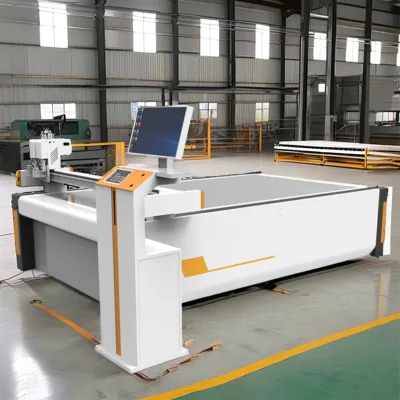


Flatbed A3 Paper Cardboard Label Sticker Cutting Plotter Machine Vinyl Cutter
$1500.00 - $2000.00
MOQ: 1 Pieces


High Quality Digital Flatbed Cutter Plotter Printer Corrugated Cutting Machine
$30000.00 - $38000.00
MOQ: 1 set

Auto Feed Digital Carton Cardboard Corrugated Die Cut Sticker Cutting Machine
$12300.00 - $13970.00
MOQ: 1 Pieces
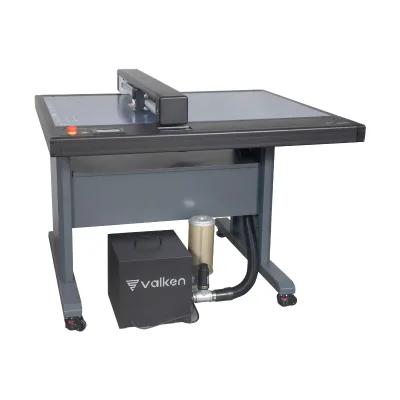
Hot Sale Flatbed Cutting Plotter for Sticker With Kiss Cutting Tool
$10590.00 - $13200.00
MOQ: 1 units


Flat Bed Box Cutting Machine Package Carton Cutting Plotter Cardboard Cutting Table
$11000.00 - $15000.00
MOQ: 1 SET


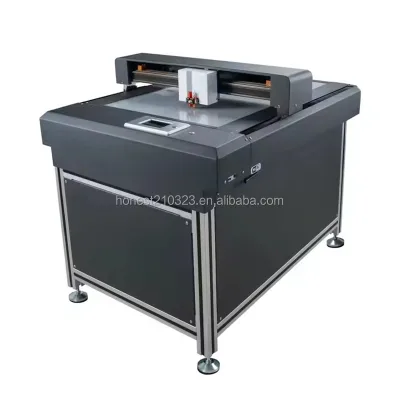
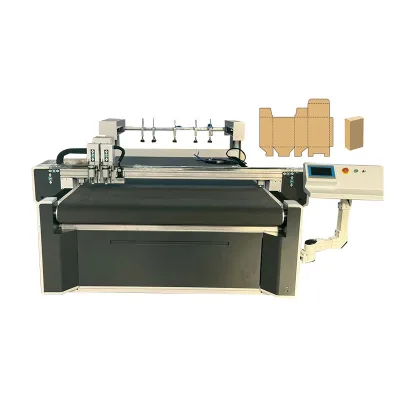

Corrugated Box Flatbed Cutter Plotter Machine Carton Sample Cutter Plotter Machine
$10200.00 - $25000.00
MOQ: 1 Pieces

Cardboard Flatbed Cutter Plotter Cutting Machine to Make Cardboard Boxes
$9900.00 - $25000.00
MOQ: 1 Pieces


Comprehensive Sourcing Guide
Automatic Flatbed Box Stick Plotter Sourcing Guide
The Automatic Flatbed Box Stick Plotter represents a specialized class of industrial equipment designed for high-precision cutting and creasing operations in packaging and material processing sectors. These machines integrate computerized control systems with rotary or platen die-cutting tools to handle diverse materials ranging from paper packaging to EMI shielding and heat insulation products. Buyers must recognize that while the core function remains consistent, the specific configuration of the automatic grade and the working area dimensions can vary significantly between different model numbers such as the MQ series or LF-FC4560.
Procurement decisions should prioritize the alignment between the machine's working area and the specific dimensions of the materials being processed. Observed listings indicate working areas like 16001000mm or 450600mm, which directly impact production throughput and material waste. It is critical to verify whether the machine supports the required imprinting type, such as rotary or platen, and to ensure the die-cutting tool, whether steel blade or steel plate, matches the intended application for stickers, dust-proof materials, or insulating components.
Product Scope and Observed Listing Signals
When evaluating product listings, buyers should focus on the specific model identifiers and physical dimensions provided to avoid confusion between different machine types. The observed data includes models like MQ-86, MQJ-47, and DK-fabric laser cutting machines, each with distinct specifications such as single package sizes of 450X230X150 cm or 450*600mm. These variations suggest that the market offers both compact units suitable for smaller batches and larger industrial systems capable of handling broader material widths, necessitating a careful review of the listed dimensions against actual production floor constraints.
The application scope for these devices is broad, covering sectors that require precise cutting of stickers, earthquake products, and various insulating materials. Listings frequently mention applications for paper packaging and EMI shielding, indicating that the machinery is versatile enough to handle both standard packaging needs and specialized industrial requirements. Buyers must confirm that the specific model they are considering supports the full range of materials they intend to process, as the automatic grade and computerized features are essential for maintaining consistency across these diverse product lines.
Technical Specifications to Verify
Technical verification must begin with the electrical requirements, as observed listings specify voltages of 220V/380V or 220V/50hz, which are critical for compatibility with local power infrastructure. The core components, particularly the motor, are central to the machine's performance, and buyers should ensure the power rating, such as the 150W specification noted in some listings, aligns with the expected load and cutting speed requirements. Additionally, the maximum cutting speed of 600mm/s and the cutting thickness range of 0.1-25mm are vital parameters that determine the machine's efficiency and versatility in handling different material densities.
Dimensional accuracy is another crucial technical aspect, with observed specifications ranging from 4.5m2.3m1.5m to 4800X2200X1350MM for the overall machinery. Buyers must distinguish between the machine's external dimensions and the internal working area, as the latter directly dictates the size of the materials that can be processed in a single pass. The single gross weight of 1250.000 kg or 1200 KG also impacts logistics planning and foundation requirements, ensuring that the installation site can safely support the operational weight of the equipment during high-speed cutting cycles.
Compliance and Safety Documentation
Safety compliance is paramount when sourcing industrial cutting equipment, and buyers should request detailed machinery test reports that are often provided by suppliers. These reports serve as evidence that the machine has undergone rigorous testing to ensure operational safety and performance stability, which is essential for protecting both the equipment and the operators. The presence of a machinery test report indicates a commitment to quality assurance and helps mitigate the risks associated with high-speed automated cutting processes in a busy manufacturing environment.
Warranty terms and after-sales support structures are equally important components of the compliance and safety framework. Listings consistently mention a two-year warranty and online support services, which provide a safety net for buyers against potential mechanical failures or software issues. Buyers should verify the specific scope of the warranty coverage, including whether it extends to core components like the motor, and ensure that the supplier has a clear protocol for responding to technical issues to minimize downtime during critical production periods.
Cost Drivers and Commercial Terms
The cost of an Automatic Flatbed Box Stick Plotter is influenced by several factors, including the model complexity, working area size, and the inclusion of specialized software like DragonCut Pro. Prices observed in the market range from 480 to 38000 USD, reflecting the vast difference between basic models and advanced, high-capacity systems. Buyers must analyze the total cost of ownership, considering not just the initial purchase price but also the long-term value provided by features such as computerized control and the ability to handle a wide range of material thicknesses.
Commercial terms such as the minimum order quantity (MOQ) and packaging requirements also play a significant role in the procurement process. Most listings indicate an MOQ of 1 unit, allowing for flexible purchasing, while the packaging is typically specified as a wooden box or wooden case to ensure safe transport. Buyers should negotiate clear terms regarding the selling units and ensure that the packaging standards meet the requirements for international shipping, especially given the heavy weight and large dimensions of these industrial machines.
Supplier Qualification and Quality Control
Supplier qualification should focus on the place of origin and the production capacity of the manufacturer, with many listings indicating origins in Shandong or Hangzhou, China. These regions are known for their manufacturing capabilities, but buyers must verify the specific production capacity, such as the noted 100 units, to ensure the supplier can meet demand without compromising quality. The availability of customization options is another key indicator of a supplier's flexibility and ability to tailor the machine to specific operational needs.
Quality control measures should be rigorously assessed through the supplier's adherence to standards and the provision of detailed product specifications. Buyers should request documentation on the prod_standard, which may include dimensions like 1460mm1300mm1000mm or 1000700300mm, to ensure the machine meets industry benchmarks. Additionally, the use of high-quality materials for the die-cutting tools and the robustness of the automatic grade system are essential factors that contribute to the overall reliability and longevity of the equipment.
Long-Term Procurement Checks
Long-term procurement success depends on establishing a reliable supply chain for spare parts and ongoing technical support. Buyers should verify the availability of replacement components, such as steel blades or steel plates, and ensure that the supplier offers comprehensive after-sales services, including online support and warranty coverage. The ability to access these resources quickly is crucial for maintaining production continuity and minimizing the impact of any potential equipment failures.
Future-proofing the investment requires evaluating the machine's adaptability to evolving market demands and technological advancements. The computerized nature of these plotters allows for software updates and potential integration with other automated systems, making them a strategic asset for growing businesses. Buyers should consider the scalability of the machine, ensuring that it can handle increased production volumes or new material types as the business expands, thereby protecting the initial investment over the long term.
FAQs
What is the cutting thickness range for this Automatic Flatbed Box Stick Plotter?
The machine supports a cutting thickness range of 0.1 to 25mm. This capability allows for processing various materials including insulating materials, EMI shielding materials, and paper packaging. The automatic grade ensures consistent performance across different material densities without manual adjustment for each cut.
Can the Automatic Flatbed Box Stick Plotter be customized for specific needs?
Yes, customization is available for this equipment. Buyers can request specific modifications to meet unique production requirements. The machine features computerized control and online after-sales support to assist with any custom configuration adjustments, ensuring the final setup aligns precisely with your operational workflow and material specifications.
What is the warranty period for the Automatic Flatbed Box Stick Plotter?
The standard warranty period provided is two years. This coverage ensures protection against manufacturing defects and supports long-term operational reliability. Combined with online support services, the warranty helps minimize downtime and maintains consistent performance for applications involving stickers, dust-proof materials, and heat insulation products during the covered period.
How much does the Automatic Flatbed Box Stick Plotter weigh?
The machine weighs approximately 1200 kg, with a single gross weight of 1250 kg. This substantial weight ensures stability during high-speed cutting operations. The dimensions are 4.5m by 2.3m by 1.5m, requiring adequate floor space and structural support in the facility to accommodate the heavy industrial equipment safely.
What voltage options are supported by the Automatic Flatbed Box Stick Plotter?
The equipment supports 220V and 380V voltage options, with a specific variant operating at 220V/50hz. This flexibility allows integration into various industrial power grids. The core motor component drives the automatic cutting mechanism, ensuring precise operation across different voltage configurations while maintaining the specified cutting speed and accuracy for diverse materials.
What is the production capacity of the Automatic Flatbed Box Stick Plotter?
The production capacity is listed as 100 units. This figure indicates the manufacturing output capability of the supplier rather than the machine's hourly throughput. For high-volume sticker or packaging material processing, the automatic flatbed design with computerized control ensures consistent quality and efficiency, supporting steady production demands in industrial environments.