Source Automatic Flat-Bed Ultrasonic Sewing Machine for Medical, Packaging, and Household Use
Find and compare 30 automatic flat-bed ultrasonic sewing machine listings from China. Evaluate options featuring 35kHz frequency, 800W to 1000W power, and CE certification for nonwoven surgical gowns, package edges, and household applications.
Key considerations
Products List


Hot Sale Ultrasonic Equipment / Sewing Machine / Ultrasonic Lace Machine
$989.00 - $1354.00
MOQ: 1 set


Single Head 2 Head Double Heads Embroidery Machine Ultrasonic Sewing Machine
$4999.00 - $5999.00
MOQ: 1 Pieces


Fully Automatic Ultrasonic Sewing Machine / Ultrasonic Lace Sewing Machine
$496.00 - $1039.00
MOQ: 1 set
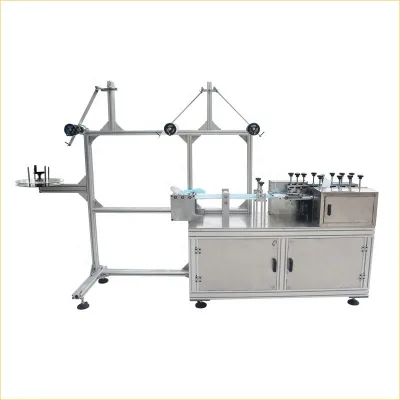
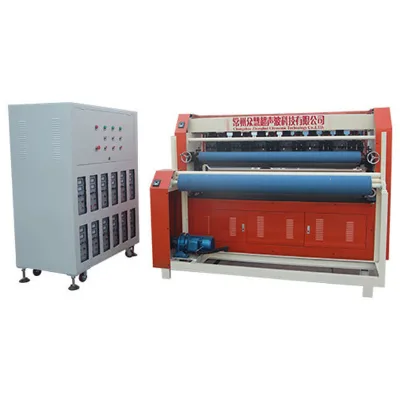


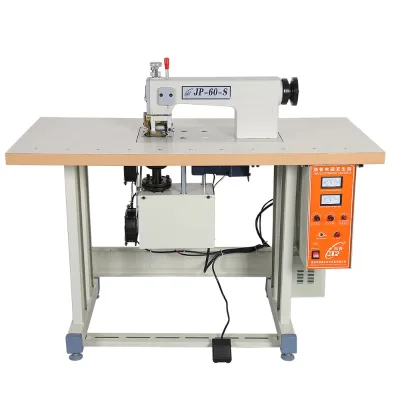
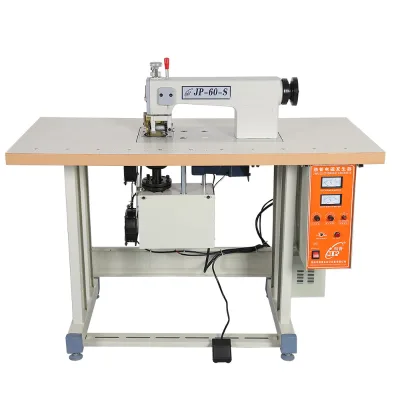
Comprehensive Sourcing Guide
Automatic Flat-Bed Ultrasonic Sewing Machine Sourcing Guide
Sourcing an automatic flat-bed ultrasonic sewing machine requires a shift from traditional textile procurement strategies, as this technology replaces needle-and-thread mechanics with high-frequency sound waves to bond materials. Buyers must understand that these machines are not universal replacements for all sewing tasks but are specialized tools designed for specific material types and production goals. The core value proposition lies in the elimination of thread consumption, the prevention of fabric fraying, and the creation of hermetic seals that are impossible to achieve with conventional stitching. Consequently, the initial sourcing decision hinges on aligning the machine’s ultrasonic capabilities with the specific physical properties of the materials being processed, such as nonwovens, thermoplastics, or synthetic blends.
The procurement process for these machines involves navigating a diverse supplier landscape, primarily concentrated in manufacturing hubs like China, where a significant volume of listings is observed. Buyers will encounter a wide spectrum of equipment, ranging from compact, portable units suitable for service industries to heavy-duty, automated systems designed for high-volume factory environments. Understanding the distinction between these tiers is critical, as the footprint, power requirements, and operational complexity vary drastically. A thorough evaluation of the machine’s intended application place—whether it is a small-scale household workshop, a specialized service industry setting, or a large-scale manufacturing factory—will dictate the necessary specifications and budget allocation.
Product Scope and Observed Listing Signals
The market for automatic flat-bed ultrasonic sewing machines exhibits a broad range of capabilities, reflected in the observed listing signals. Listings indicate a price range from approximately $20 to $21,000 USD, which suggests a segmentation between basic, possibly manual or semi-automatic units, and fully automated, high-power industrial systems. The minimum order quantity (MOQ) typically ranges from 1 to 10 units, indicating that suppliers are generally willing to accommodate single-unit purchases for testing or small-scale operations, though bulk discounts may apply for larger orders. Buyers should interpret this price variance as a direct indicator of the machine’s automation level, power output, and additional features such as digital generators or custom pattern capabilities.
Observed product attributes reveal a strong emphasis on customization and specific operational parameters. Many listings highlight the availability of customization, allowing buyers to tailor the machine to specific production needs, such as adjusting the welding width or pattern size. For instance, some models offer a welding width of up to 15mm or a pattern width ranging from 0 to 200mm, catering to diverse design requirements. Additionally, the presence of features like foot-step drives and automatic grades suggests a mix of manual control options and fully automated systems. Buyers must carefully review these attributes to ensure the selected machine matches their desired balance of operator control and production speed, particularly when considering applications like nonwoven surgical gowns or household packaging.
Technical Specifications to Verify
When evaluating technical specifications, the ultrasonic frequency and power output are paramount determinants of performance. Most observed listings specify a frequency of 35kHz, which is a standard for many ultrasonic welding applications, balancing penetration depth and precision. However, power ratings vary significantly, with observed values ranging from 800W to 2000W-2500W (adjustable), and some high-end models claiming power outputs up to 20kW. Buyers must verify the actual power input versus output, as higher input power does not always correlate with better welding quality if the generator efficiency is low. The choice of generator, whether digital or analog, also impacts the consistency of the welds, with digital generators offering more precise control over energy delivery.
Physical dimensions and material compatibility are equally critical verification points. The machine’s size, often listed as 12006001200mm for larger industrial models, must fit within the designated factory floor space. Additionally, the applicable thickness of the material, categorized as thin or middle thickness, must align with the buyer’s production requirements. The horn material, typically steel, and the type of welding horn, such as a rotary horn for continuous welding, should be inspected for durability and suitability for the specific fabric type. Buyers should also confirm the working power supply requirements, which are commonly 220V±5V at 50/60Hz, to ensure compatibility with their facility’s electrical infrastructure, and verify the running speed, which can range from 0-20m/Min, to assess throughput capabilities.
Compliance and Safety Documentation
Compliance with international safety standards is a non-negotiable aspect of sourcing ultrasonic equipment. The CE certification is a frequently observed attribute in listings, indicating that the machine meets European health, safety, and environmental protection standards. Buyers must request and verify the official CE documentation, including the Declaration of Conformity, to ensure that the specific model and serial number are covered. This certification is particularly important for buyers operating in or exporting to European markets, as it serves as a passport for customs clearance and demonstrates adherence to rigorous regulatory frameworks. Without valid certification, the machine may face legal barriers and safety liabilities in regulated jurisdictions.
Beyond certification, buyers should inquire about additional safety features and operational safeguards. Ultrasonic machines generate high-frequency vibrations and heat, which can pose risks if not properly contained. Documentation should include detailed user manuals, safety warnings, and maintenance guidelines that outline proper handling procedures. Buyers should verify that the machine includes emergency stop mechanisms, sound insulation, and thermal protection systems to mitigate risks to operators. Additionally, understanding the machine’s noise levels and vibration isolation capabilities is essential for maintaining a safe and compliant working environment, especially in shared factory spaces where other workers are present.
Cost Drivers and Commercial Terms
The total cost of ownership for an automatic flat-bed ultrasonic sewing machine is influenced by several commercial terms and cost drivers beyond the initial purchase price. The observed price range of $20 to $21,000 USD reflects differences in automation, power, and customization options. Buyers should consider the cost of consumables, such as replacement horns and sonotrodes, which may vary in price and availability depending on the supplier. Additionally, the cost of maintenance and spare parts should be factored into the budget, as regular upkeep is necessary to maintain weld quality and machine longevity. Suppliers may offer different warranty terms and support packages, which can significantly impact the long-term cost efficiency of the equipment.
Shipping and packaging are also significant cost factors, particularly for international buyers. Observed packaging options include wooden boxes, carton/wooden cases, and fumigation-free wooden box packaging, each with different implications for shipping costs and customs clearance. Wooden packaging may require fumigation certificates, adding to the administrative burden and cost, while fumigation-free options can streamline the import process. Buyers should negotiate clear Incoterms to define responsibility for shipping, insurance, and import duties. Furthermore, the lead time for production and delivery should be confirmed, as delays can impact production schedules and overall project timelines.
Supplier Qualification and Quality Control
Supplier qualification is a critical step in ensuring the reliability and quality of the automatic flat-bed ultrasonic sewing machine. Buyers should verify the supplier’s manufacturing capabilities, including their production facilities, quality control processes, and after-sales support infrastructure. Requesting references from existing customers, particularly those in similar industries, can provide valuable insights into the supplier’s reputation and product performance. Additionally, buyers should assess the supplier’s responsiveness and technical expertise, as these factors are crucial for resolving any issues that may arise during installation or operation. A supplier with a strong track record in ultrasonic technology is more likely to provide a high-quality product and reliable support.
Quality control measures should be established before placing the order, including pre-shipment inspections and testing protocols. Buyers should specify the acceptance criteria for the machine, such as weld strength, consistency, and operational speed, and request evidence that the supplier conducts rigorous testing before dispatch. If possible, arranging a factory audit or third-party inspection can provide an independent verification of the supplier’s quality management systems. Additionally, buyers should ensure that the machine is properly packed to prevent damage during transit, using appropriate materials and methods as indicated in the supplier’s packaging specifications. Clear communication of quality expectations and inspection rights helps mitigate the risk of receiving a substandard product.
Long-Term Procurement Checks
Long-term procurement success depends on establishing a sustainable relationship with the supplier and ensuring ongoing support for the automatic flat-bed ultrasonic sewing machine. Buyers should negotiate clear terms for spare parts availability, technical support, and maintenance services to minimize downtime and extend the machine’s lifespan. Regular maintenance schedules should be implemented, following the manufacturer’s recommendations, to keep the machine in optimal condition. Additionally, buyers should stay informed about technological advancements in ultrasonic welding, as newer models may offer improved efficiency, precision, and features that could enhance production capabilities.
Continuous evaluation of the machine’s performance and cost-effectiveness is essential for making informed procurement decisions. Buyers should monitor key performance indicators, such as weld quality, production speed, and energy consumption, to assess whether the machine meets their operational goals. If performance declines or maintenance costs rise, buyers should consider whether upgrading to a newer model or switching suppliers is a viable option. By maintaining a proactive approach to procurement and supplier management, buyers can ensure that their investment in automatic flat-bed ultrasonic sewing machines delivers long-term value and supports their business objectives.
FAQs
What is the operating frequency of the machine?
The machine operates at a frequency of 35kHz. This frequency is suitable for welding thin to middle thickness materials, ensuring precise bonding for applications like nonwoven surgical gowns.
Can the machine be customized for specific needs?
Customization is available for this automatic flat-bed ultrasonic sewing machine. Buyers can request specific adjustments to meet unique production requirements while maintaining the standard new condition of the unit.
What is the maximum running speed of the device?
The maximum running speed reaches 20 meters per minute. This speed allows for efficient continuous welding operations, making it ideal for factory environments requiring high throughput and consistent quality.
Which power supply voltage does the machine require?
The machine requires a working power supply of 220V plus or minus 5V at 50 or 60Hz. Some models may also support 110V or 220V inputs depending on the specific configuration selected.
How is the machine packaged for shipping?
The machine is packaged in a wooden box or carton to ensure safety during transit. Some specific models utilize fumigation-free wooden box packaging to meet international shipping standards and protect the equipment.
What is the net weight of the standard unit?
The net weight of the standard unit is 120kg. This weight reflects the robust construction required for automatic operation and stable performance in industrial factory settings.
Can the machine handle continuous welding operations?
Yes, the machine is capable of continuous welding operations. It features a digital generator and rotary horn to maintain consistent weld quality over extended periods without interruption.