Source Automatic Fourdrinier Paper Recycling Machine for Kraft, Liner, and Corrugated Paper
Compare 30 listings for the Automatic Fourdrinier Paper Recycling Machine used to produce kraft, liner, and corrugated paper from waste materials. This sourcing page details specifications like working speed, capacity, and raw material compatibility for industrial buyers.
Key considerations
Products List


High-Efficiency Fourdrinier Waste Paper Recycling Machine for Pulp Production
$100000.00 - $200000.00
MOQ: 1 Sets


High-Quality Fourdrinier Paper Machinery for A4 and Newspaper Production
$60000.00 - $890000.00
MOQ: 1 Sets

Fourdrinier Kraft Paper Making Machine Recycle Paper Machine Price
$10000.00 - $2800000.00
MOQ: 1 Sets


High Quality Waste Paper Recycling Machine Kraft Paper Machine Corrugated Paper Machine
$375000.00 - $380000.00
MOQ: 1 Pieces


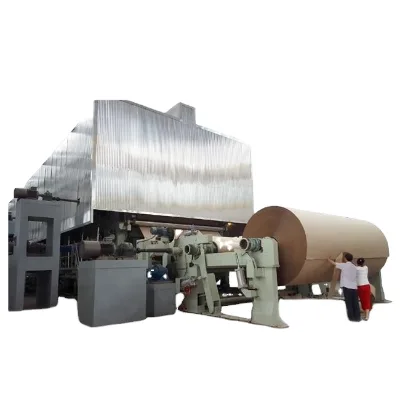

2400mm Paper Recycling Plant Fourdrinier Kraft Paper Making Machine
$1000000.00 - $2000000.00
MOQ: 1 Pieces


Waste Paper Recycling Machinery for Making Copy Paper/ Notebook Paper
$60000.00 - $150000.00
MOQ: 1 Pieces

Fourdrinier Cardboard Paper Making Machine for All Paper Production Line
$20000.00 - $35000.00
MOQ: 1 Pieces


Comprehensive Sourcing Guide
Strategic Sourcing Guide for Automatic Fourdrinier Paper Recycling Machines
Understanding the Core Technology and Operational Mechanics
The Automatic Fourdrinier Paper Recycling Machine represents a sophisticated class of industrial equipment designed to transform waste paper into usable paperboard and kraft paper products. At the heart of this machinery lies the Fourdrinier wire, a continuous mesh screen that facilitates the drainage of water from the pulp slurry, forming the initial paper sheet. This specific configuration is distinct from other papermaking methods due to its ability to handle high volumes of raw materials, including waste paper, old carton boxes, newspaper, and box paper, with consistent quality. The automation level is a critical differentiator in this sector, with modern units offering fully automatic operation to minimize manual intervention and maximize throughput efficiency.
Buyers must recognize that the "automatic" designation implies a high degree of process integration. The machinery typically employs an AC motor with variable frequency speed regulation, allowing for precise control over the production line's velocity. This drive mode is essential for adapting to different raw material compositions and desired output specifications. The operational speed of these machines varies significantly based on the model and intended application. Observed data indicates working speeds ranging from 100 to 180 meters per minute for certain configurations, while others may operate at speeds up to 250 meters per minute. Furthermore, the balance speed, which represents the maximum safe operating velocity before mechanical instability occurs, can reach 300 meters per minute in high-performance units. Understanding these speed parameters is vital for aligning machine capabilities with production targets.
The physical dimensions of the machine are equally critical for facility planning. The net paper width is a primary specification that dictates the scale of the operation. Available configurations include widths of 1092mm, 3600mm, and 3800mm, catering to small-scale workshops and large industrial plants alike. The gauge, or the width of the machine structure, is often standardized at 1800mm for specific models. These dimensions directly influence the layout requirements of the manufacturing floor and the capacity of the downstream drying and winding sections. The raw material input is versatile, accepting a mix of waste paper types, which allows for flexible sourcing of feedstock from various recycling streams. This adaptability is a key advantage for buyers looking to establish a circular economy operation with diverse input sources.
Technical Specifications and Performance Parameters
When evaluating the technical specifications of an Automatic Fourdrinier Paper Recycling Machine, buyers must scrutinize the output capabilities and the quality of the finished product. The primary output for many of these units is kraft paper, a robust material widely used in packaging and industrial applications. Some advanced models are capable of producing a broader range of products, including liner paper and corrugated paper, which expands the potential market for the manufacturer. The paper thickness is another crucial parameter, with specifications ranging from normal specification paper to thick paper variants. The paper weight, often measured in grams per square meter (GSM), is adjustable within specific ranges, typically between 100 and 300 GSM, allowing for the production of different grades of paperboard and cultural paper.
The production capacity of these machines varies widely, reflecting the diversity of the market. Units are available with daily capacities ranging from 10 tons per day (t/D) to 200 tons per day. This wide spectrum allows buyers to select equipment that matches their capital investment and market demand. For instance, a facility targeting a niche market might opt for a 10 t/D unit, while a large-scale operation serving regional distribution centers would require a 200 t/D machine. The design speed and working speed are interdependent factors that influence the overall efficiency of the production line. A machine with a design speed of 180 meters per minute and a working speed of 100-180 meters per minute offers a balance between speed and quality control, ensuring that the paper formation is uniform.
Dynamic balance is a technical aspect often overlooked but essential for the longevity and stability of the machinery. The rotating components, such as rolls and cylinders, must be balanced to specific grades to prevent vibration and wear. Specifications indicate that the roll of dynamic balance should meet grade G2.5, while the cylinder balance is typically rated at G4. The batch-off roll of dynamic balance is even more stringent, requiring a G1.6 rating. These precise tolerances ensure that the machine operates smoothly at high speeds, reducing maintenance costs and preventing premature failure of critical components. The drive system, utilizing an A/C converter for speed control and section drive technology, further enhances the machine's ability to maintain consistent tension and speed across the entire production line.
Compliance, Certification, and Safety Standards
Navigating the regulatory landscape is a fundamental aspect of sourcing industrial machinery. For automatic fourdrinier paper recycling machines, compliance with international safety and quality standards is non-negotiable. The most prominent certification observed in the market is the CE mark, which indicates conformity with health, safety, and environmental protection standards for products sold within the European Economic Area. Buyers must verify that the machinery they intend to purchase carries valid CE certification, as this is often a prerequisite for importing equipment into many global markets. The presence of this certification suggests that the manufacturer has undergone rigorous testing and adheres to specific design and manufacturing protocols.
Beyond specific certifications, buyers should investigate the adherence to broader industrial standards. The production standard for these machines is often defined by the operational speed or the specific model configuration, such as 350 meters per minute for certain high-speed units. However, it is crucial to note that standards can vary depending on the specific model and the manufacturer's internal quality protocols. In some cases, the standard may be listed as "Depends," indicating that the compliance requirements are tailored to the specific application or the destination market. This variability underscores the importance of conducting a thorough due diligence process to ensure that the machine meets the regulatory requirements of the buyer's local jurisdiction.
Safety features are integral to the design of modern paper recycling machines. The automatic nature of the equipment implies the presence of various safety interlocks, emergency stop mechanisms, and protective guards. Buyers should verify that the machine includes comprehensive safety documentation and that the control systems are designed to prevent accidental operation. The drive mode, which often involves variable frequency speed regulation, must be equipped with fail-safes to prevent runaway speeds or mechanical failures. Additionally, the packaging of the machine, whether in trays or wooden cases with plastic film, must ensure that the equipment arrives at the site without damage, preserving its structural integrity and safety features.
Cost Drivers and Financial Considerations
The financial landscape of sourcing an Automatic Fourdrinier Paper Recycling Machine is influenced by a complex array of factors. The observed price range for these machines is extensive, spanning from 1,000 to 8,000,000 USD. This vast disparity is primarily driven by the machine's capacity, technical specifications, and the level of automation. A small-scale unit with a capacity of 10 t/D will naturally command a lower price compared to a high-capacity 200 t/D machine with advanced speed regulation and dynamic balance features. Buyers must carefully assess their budget against their production goals to avoid over-investing in unnecessary capabilities or under-investing in critical performance metrics.
The minimum order quantity (MOQ) for these machines is typically low, often ranging from 1 to 1 unit, which provides flexibility for buyers to purchase a single machine without the need for bulk commitments. This is particularly advantageous for small to medium-sized enterprises looking to enter the paper recycling market. However, the total cost of ownership extends beyond the initial purchase price. Buyers should consider the cost of raw materials, energy consumption, and maintenance requirements. The machine's ability to process waste paper efficiently can significantly impact the cost of goods sold, as waste paper is generally a low-cost raw material.
Lead times and shipping costs are also significant cost drivers. The origin of the machinery, often China or specific regions like Henan, influences the logistics and import duties associated with the purchase. The packaging method, such as wooden cases or trays, affects the shipping volume and weight, thereby impacting freight costs. Buyers should factor in these logistical expenses when calculating the total investment. Additionally, the availability of after-warranty services, including online support, spare parts, and video support, can influence the long-term financial viability of the purchase. A machine with robust after-sales support may have a higher upfront cost but can result in lower downtime and maintenance expenses over its lifecycle.
Typical Applications and Market Versatility
The versatility of automatic fourdrinier paper recycling machines makes them suitable for a wide range of applications across the global market. The primary output, kraft paper, is essential for the packaging industry, where it is used to manufacture boxes, bags, and other protective packaging materials. The ability to produce liner paper and corrugated paper further expands the utility of these machines, allowing manufacturers to supply the growing demand for sustainable packaging solutions. The production of cultural paper also represents a significant application, catering to the printing and publishing sectors that require high-quality paper for books, magazines, and office supplies.
The market reach of these machines is global, with major markets including Egypt, Iran, Turkey, Russia, India, Syria, and Pakistan. This diverse geographic distribution highlights the universal demand for paper recycling solutions, driven by both environmental regulations and economic factors. In developing regions, the ability to recycle local waste paper into valuable products can stimulate economic growth and reduce reliance on imported paper. In more developed markets, the focus is often on sustainability and the reduction of carbon footprints, making these machines a strategic investment for companies aiming to meet corporate social responsibility goals.
The raw material flexibility of the machines is a key driver of their market versatility. By accepting a mix of waste paper, old carton boxes, and newspaper, these machines can adapt to the varying availability of feedstock in different regions. This adaptability ensures that the machines remain operational even when specific types of waste paper are scarce. The ability to adjust the paper weight and thickness allows manufacturers to respond to changing market demands, producing different grades of paper for different applications. This flexibility is crucial for maintaining competitiveness in a dynamic market environment.
Supplier Evaluation and Quality Assurance Protocols
Selecting the right supplier is a critical step in the procurement process for automatic fourdrinier paper recycling machines. Buyers should prioritize suppliers who demonstrate a commitment to quality and reliability. The presence of certifications like CE is a strong indicator of a supplier's adherence to international standards. However, buyers should also look for evidence of a robust quality control system, including regular testing of components and final product inspections. The dynamic balance specifications, such as G2.5 for rolls and G4 for cylinders, should be verified through independent testing to ensure that the machine meets the required performance standards.
Supplier reputation and track record are also important factors. Buyers should seek references from existing customers, particularly those operating in similar markets or with similar production requirements. The availability of after-warranty services, such as online support, spare parts, and video support, is a strong indicator of a supplier's confidence in their product and their commitment to long-term customer satisfaction. A supplier that offers comprehensive training and technical assistance can significantly reduce the learning curve and ensure that the machine is operated correctly from day one.
Quality assurance protocols should be established before the purchase is finalized. Buyers should request detailed specifications, including the working speed, paper thickness, and raw material compatibility, to ensure that the machine meets their specific needs. The production model, such as RY2500-350 or FRD-1092, should be clearly defined, and the buyer should verify that the machine's capabilities align with their production goals. The condition of the machine, typically listed as "New," should be confirmed, and any warranties or guarantees should be clearly outlined in the purchase agreement.
Long-Term Procurement and Lifecycle Management
The long-term success of a paper recycling operation depends on effective lifecycle management of the machinery. This involves not only the initial purchase and installation but also ongoing maintenance, upgrades, and eventual replacement. Buyers should consider the availability of spare parts and the ease of maintenance when selecting a machine. The drive system, with its variable frequency speed regulation, requires regular monitoring and calibration to ensure optimal performance. The dynamic balance of the rotating components must be checked periodically to prevent wear and tear.
The evolution of the paper recycling industry suggests that future machines will likely incorporate more advanced automation and energy-efficient technologies. Buyers should consider the scalability of their current investment, ensuring that the machine can be upgraded or expanded as market demands grow. The ability to process a wider range of raw materials and produce higher quality paper will be key competitive advantages in the future. Additionally, the environmental impact of the machine, including energy consumption and waste generation, should be evaluated to ensure alignment with sustainability goals.
In conclusion, sourcing an Automatic Fourdrinier Paper Recycling Machine requires a comprehensive understanding of the technology, market dynamics, and supplier capabilities. By carefully evaluating technical specifications, compliance standards, cost drivers, and long-term management strategies, buyers can make informed decisions that support the growth and sustainability of their paper recycling operations. The diversity of available models and the global reach of the market provide ample opportunities for buyers to find the right equipment to meet their specific needs.
FAQs
What raw materials can the machine process?
The machine processes waste paper, old carton boxes, newspaper, and box paper. It transforms these diverse inputs into kraft paper, liner paper, or corrugated paper using an automatic Fourdrinier wire system for consistent quality.
What is the production capacity range?
Daily capacities range from 10 tons to 200 tons depending on the specific model selected. Buyers can choose units like the 10t/D or 200t/D configurations to match their specific production volume requirements.
Does the machine have CE certification?
Yes, the Automatic Fourdrinier Paper Recycling Machine holds CE certification. This indicates conformity with health, safety, and environmental protection standards required for selling products within the European Economic Area.
What is the working speed of the machine?
Working speeds vary between 100 and 250 meters per minute across different models. Some units operate at 100-180 meters per minute while others reach up to 250 meters per minute for higher throughput.
Can the paper weight be adjusted?
Yes, the paper weight is adjustable within a range of 100 to 300 GSM. This flexibility allows manufacturers to produce different grades of paperboard and cultural paper to meet specific market demands.
What is the minimum order quantity?
The minimum order quantity is one unit for these machines. This low MOQ allows small to medium enterprises to purchase a single unit without needing to commit to bulk orders for entry into the market.
Where are these machines manufactured?
These machines originate from China, with specific production locations including Henan. The origin influences logistics and import duties, making it a key factor in the total cost of ownership for international buyers.