Source Automatic Geomembrane Welding Machine for Pond, Landfill, and Hydraulic Projects
Find and compare 30 Automatic Geomembrane Welding Machine options for environmental, geotechnical, and hydraulic applications. Evaluate models with ISO and CE certifications, adjustable heating temperatures, and support for HDPE, PVC, and PP materials to ensure reliable seam integrity.
Key considerations
Products List
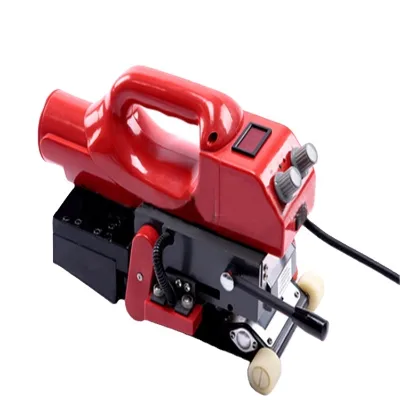


Hot Wedge Automatic Welding Machine Sud G900 Geomembrane Welding Machine
$1500.00 - $1900.00
MOQ: 1 Pieces


High Quality HDPE Geomembrane Welder Machine Plastic Welding Machine
$1300.00 - $2700.00
MOQ: 1 Pieces


High Quality Geomembrane and Welding Machine Hot Wedge Welder Geomembrane Welding Machine
$2600.00 - $2800.00
MOQ: 1 Pieces


Comprehensive Sourcing Guide
Automatic Geomembrane Welding Machine Sourcing Guide
Procuring an Automatic Geomembrane Welding Machine requires a clear understanding of the distinct operational roles within the geosynthetic installation workflow. The market presents two primary categories of equipment: large-scale automatic welding machines designed for high-volume, flat-surface applications, and handheld or semi-automatic units intended for complex geometries, corners, and repairs. Buyers must first determine whether their project demands the throughput of a fully automatic system, such as the BPM800 model, or the versatility of a handheld device. The automatic machines typically feature air cooling and AC electric current, offering consistent heat distribution for long seams, while handheld units often operate on intermediate or low-frequency ranges to provide precise control in tight spaces.
The decision between these machine types directly influences project timelines, labor requirements, and overall installation quality. Automatic welding systems are engineered for speed and uniformity, making them ideal for large environmental projects like landfill liners, pond liners, and hydraulic containment structures. In contrast, semi-automatic or handheld welders are essential for finishing touches, patching, and welding around obstacles where a large machine cannot maneuver. A comprehensive procurement strategy often involves acquiring both types to ensure seamless coverage across all project phases, from initial sheet laying to final seam inspection.
Product Scope and Observed Listing Signals
The observed market for automatic geomembrane welding machines reveals a wide spectrum of capabilities, with listed prices ranging from approximately $0.33 to $60,000 USD. This vast disparity reflects the difference between basic handheld tools and sophisticated, computer-controlled automatic welding systems. Buyers should note that the lower end of this range typically corresponds to manual or semi-automatic handheld units, which are essential for detailed work but lack the automated feed and heat control of larger machines. Conversely, the higher price points are associated with fully automatic systems that offer features such as graphic design integration, 3D model design support, and industrial-grade durability.
Minimum Order Quantities (MOQ) for these machines vary significantly, with observed ranges from 1 to 10,000 units, though this metric often applies to the geomembrane materials themselves rather than the machinery. For the welding equipment, MOQs are generally lower, often allowing for single-unit purchases for pilot projects or small-scale operations. However, buyers should verify if suppliers offer bundled packages that include the welding machine along with the necessary HDPE, LDPE, LLDPE, PVC, or PE geomembrane rolls. Understanding whether the MOQ applies to the machine or the consumable materials is critical for accurate budgeting and inventory planning.
Technical Specifications to Verify
When evaluating automatic welding machines, the control mechanism and heating temperature range are paramount specifications. Automatic systems typically feature fully automatic control with air cooling and AC power, ensuring stable operation during extended use. The heating temperature range is a critical performance indicator, with observed capabilities spanning from 20°C to 450°C. This wide range allows the machine to adapt to different geomembrane materials, including HDPE, PP, PE, PVC, and EVA, which have varying melting points. Buyers must verify that the specific machine model can achieve the precise temperature required for their chosen membrane thickness, which typically ranges from 0.2mm to 5.0mm.
The welding width and seam quality are equally important technical factors. Automatic machines often feature a dual-welding width, such as 15mm x 2, which creates a double seam with an air channel for pressure testing. This design enhances the reliability of the weld by allowing for non-destructive testing of the seam integrity. Additionally, the machine’s ability to handle different membrane thicknesses, from thin 0.2mm liners to thick 5mm industrial geomembranes, must be confirmed. Buyers should also consider the machine’s portability and power requirements, ensuring that the AC electric current supply is available and stable at the installation site.
Compliance and Safety Documentation
Certification and standard compliance are essential for ensuring that the welding equipment meets international safety and quality benchmarks. Many automatic welding machines are certified under ISO and CE standards, indicating adherence to European safety directives and international quality management systems. These certifications are crucial for buyers operating in regulated markets, as they provide assurance that the equipment has undergone rigorous testing for electrical safety, mechanical stability, and operational reliability. Buyers should request copies of these certificates to verify their validity and ensure they cover the specific model being purchased.
Furthermore, the geomembrane materials welded by these machines must comply with relevant industry standards, such as ASTM GRI-GM13. This standard specifies the requirements for high-density polyethylene (HDPE) geomembranes, including tensile strength, elongation, and puncture resistance. While the welding machine itself does not need to be ASTM certified, its performance must be capable of producing seams that meet the material’s specifications. Buyers should ensure that the welding parameters, such as temperature and speed, are calibrated to produce seams that pass the required physical tests, thereby maintaining the integrity of the waterproofing system.
Cost Drivers and Commercial Terms
The total cost of ownership for an Automatic Geomembrane Welding Machine includes not only the initial purchase price but also ongoing expenses related to maintenance, consumables, and training. Automatic machines with advanced features, such as 3D model design and graphic design capabilities, command higher prices but offer greater efficiency and precision. Buyers should evaluate the cost-benefit ratio of these features based on their project complexity and volume. Additionally, the type of geomembrane material being welded can influence operational costs, as different materials may require specific welding tips or settings that could wear out faster.
Commercial terms such as after-sales service and warranty coverage are critical components of the procurement agreement. Suppliers often provide online technical support and onsite installation services, which can significantly reduce downtime and ensure proper machine operation. Buyers should clarify the scope of these services, including the availability of spare parts and the response time for technical issues. Packaging is typically handled via containers for larger automatic machines and cartons for smaller handheld units, so logistics and shipping costs should be factored into the overall budget.
Supplier Qualification and Quality Control
Selecting a reliable supplier is vital for ensuring the long-term performance of the welding equipment. Buyers should prioritize suppliers with a proven track record in the geosynthetic industry, particularly those located in major manufacturing hubs like Taian, Shandong, China. These regions are known for their expertise in producing high-quality geomembranes and associated equipment. Suppliers should be able to provide detailed product specifications, including material composition, thickness ranges, and width options, to ensure compatibility with the welding machine.
Quality control measures should be implemented both before and after the purchase. Buyers should request samples of the geomembrane materials to test the welding machine’s performance in real-world conditions. Additionally, suppliers should offer free samples for evaluation, allowing buyers to assess the material’s tear resistance, impact resistance, and puncture resistance. It is also important to verify the supplier’s ability to provide customization options, such as specific colors or thicknesses, to meet unique project requirements. Establishing a clear communication channel for ongoing support and troubleshooting is essential for maintaining equipment performance over its 5-50 year lifespan.
Long-Term Procurement Checks
Long-term procurement success depends on regular maintenance and periodic performance audits of the welding equipment. Automatic welding machines, with their complex electronic and heating components, require routine inspections to ensure consistent weld quality. Buyers should establish a maintenance schedule that includes cleaning the heating elements, checking the air cooling system, and calibrating the temperature controls. This proactive approach helps prevent unexpected breakdowns and extends the machine’s operational life.
Additionally, buyers should monitor changes in geomembrane materials and industry standards that may necessitate equipment upgrades or adjustments. As new materials with different thermal properties become available, the welding machine’s settings may need to be recalibrated to maintain seam integrity. Staying informed about advancements in welding technology and participating in supplier training programs can help procurement teams optimize their operations. By maintaining a close relationship with the supplier and adhering to best practices, buyers can ensure that their automatic geomembrane welding machines continue to deliver reliable performance throughout the project lifecycle.
FAQs
What certifications do automatic geomembrane welding machines have?
These machines typically hold ISO and CE certifications to ensure safety and quality standards. The specific model BPM800 is documented with these certifications, confirming compliance with international regulations for industrial equipment used in environmental and hydraulic projects.
How thick can the HDPE geomembrane be for welding?
The welding machine handles geomembranes with thickness ranging from 0.2mm to 5mm. This specification allows for versatile applications in landfill and pond liners, ensuring the equipment can process various material densities required for different construction projects.
Can I customize the color of the geomembrane liner?
Yes, customization is available for the geomembrane color, including black, white, blue, and green options. While the standard product is black, buyers can request specific color classifications to match project requirements for environmental or geotechnical applications.
What is the minimum order quantity for the geomembrane?
The minimum order quantity is 500 square meters for the HDPE geomembrane liner. This MOQ applies to the material supply, while the welding machine itself may have different purchasing terms depending on the specific supplier configuration and customization needs.
Where are these welding machines manufactured?
The products originate from Taian, Shandong, China, where manufacturing facilities produce both the liners and the welding equipment. This location is a known hub for plastic processing machinery, ensuring access to established supply chains for industrial components.
What is the lifespan of the HDPE geomembrane liner?
The HDPE geomembrane liner has a lifespan ranging from 5 to 50 years depending on environmental conditions. This durability makes it suitable for long-term waterproof projects such as ponds, landfills, and hydraulic structures requiring high resistance to tears and punctures.