Source Automatic Gluten Washing Machine for Flour, Snack, and Food Industry
Find and compare 30 Automatic Gluten Washing Machine listings from verified suppliers. Evaluate key specifications such as voltage, power, and capacity to select the right equipment for your flour, snack food, or general food industry processing needs.
Key considerations
Products List


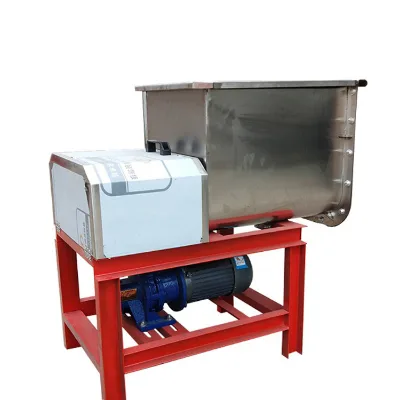


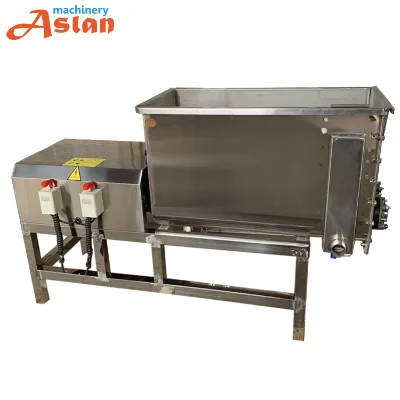
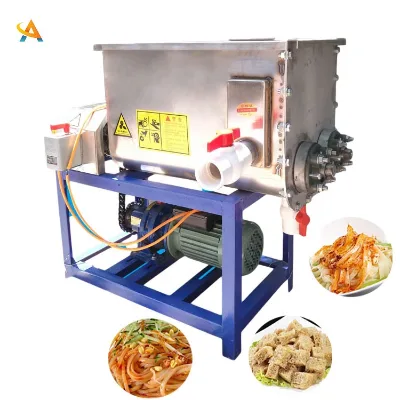

Wheat Starch Production Line Easy Operatrion Gluten Washing Machine Gluten Making Machine
$4000000.00 - $15000000.00
MOQ: 1

Reliable Wheat Gluten Countercurrent Washing System for Improved Quality Fiber Screening Machine
$4000000.00 - $15000000.00
MOQ: 1


Precision Wheat Starch and Gluten Machine for Accurate and Consistent Production
$4000000.00 - $15000000.00
MOQ: 1


Innovative Wheat Starch and Gluten Machine for Maximum Yield and Efficiency
$4000000.00 - $15000000.00
MOQ: 1
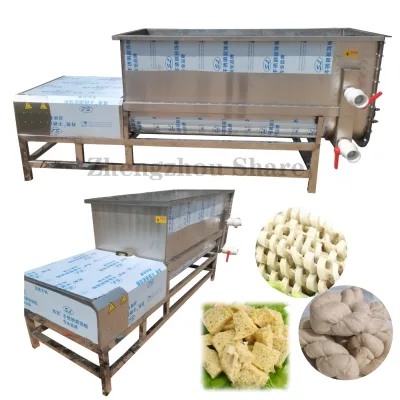
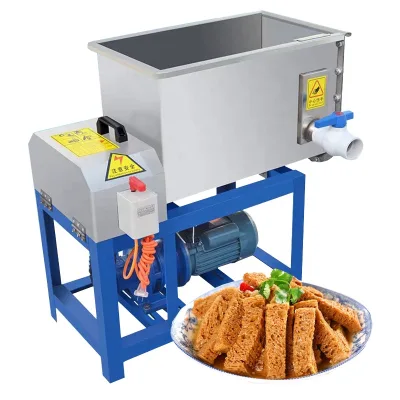
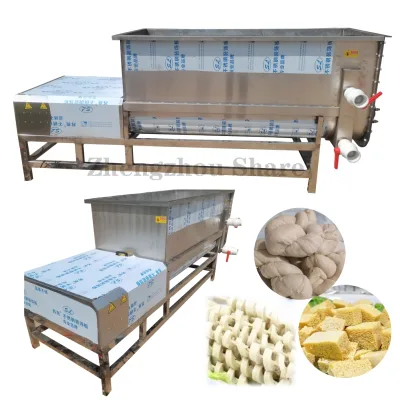


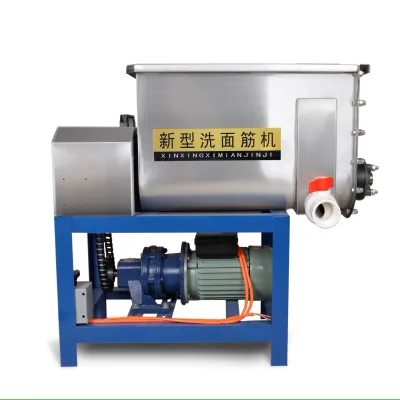
Electrical Wheat Flour Gluten Washer Machine for Flour Washing Gluten Extracting
$1310.00 - $1510.00
MOQ: 1 sets


Advanced Wheat Starch Machinery for Efficient Gluten Washing Solutions
$143000.00 - $1500000.00
MOQ: 1 Pieces


Comprehensive Sourcing Guide
Automatic Gluten Washing Machine Sourcing Guide
Sourcing an Automatic Gluten Washing Machine requires a clear understanding of the equipment’s role in separating wheat starch from gluten, a critical process in food manufacturing. These machines are designed to automate the washing and separation process, ensuring consistent product quality while reducing manual labor. Buyers must recognize that while the core function remains consistent, variations in automation levels, capacity, and voltage compatibility can significantly impact operational efficiency and integration into existing production lines.
The procurement process involves evaluating multiple technical and commercial factors, from power requirements to warranty terms. Given the diversity of available models, it is essential to verify specific attributes such as motor type, output capacity, and physical dimensions before making a purchase decision. This guide provides a structured approach to evaluating suppliers and selecting the right machinery based on verified product data and industry best practices.
Product Scope and Observed Listing Signals
The market for automatic gluten washing machines includes a variety of models tailored to different production scales. Observed listings indicate a wide price range, from approximately $469 to $15,000,000, reflecting differences in capacity, automation, and brand positioning. Most suppliers offer a minimum order quantity (MOQ) of one set, allowing for flexible procurement for small to medium-sized enterprises. The products are generally categorized under grain processing machinery, with specific applications in snack food factories and the broader food industry.
Key product attributes observed in current listings include customization options, with many machines offering customized configurations to meet specific client needs. The voltage requirements vary, with common options including 220V, 380V, and 110V, necessitating careful alignment with local power infrastructure. Additionally, the machines are typically new, with brands such as Hanchuang offering models like the Ju-25 and ASL-XMJ-100. These models often feature horizontal appearances and are designed for processing wheat, rice flour, starch, beans, and other grains.
Technical Specifications to Verify
When evaluating technical specifications, buyers should prioritize the motor and power consumption, as these directly affect operational costs and efficiency. Observed data indicates power ratings ranging from 2.2kW to 4kW, with some models specifying 3kW. The core component is typically a motor, and buyers should verify the machinery test report to ensure performance reliability. Additionally, the automatic grade of the machine is a critical factor, with most listed products being fully automatic, reducing the need for manual intervention during the washing process.
Capacity and output are also vital considerations, with observed ranges varying from 25kg to 200kg per batch or hour, depending on the model. Physical dimensions and weight must be assessed to ensure compatibility with the factory floor layout. For instance, some models have dimensions of 920500800mm and weigh around 134-135kg, while others may have different specifications. Buyers should also check the packing details, as wooden cases or boxes are commonly used for export, ensuring safe transportation and protection during shipping.
Compliance and Safety Documentation
Compliance with international standards is essential for ensuring the safety and reliability of the gluten washing machine. Many suppliers provide CE certification, indicating that the product meets European health, safety, and environmental protection standards. Buyers should request and verify these certifications to ensure that the machinery complies with relevant regulations in their target markets. Additionally, the provision of machinery test reports is a positive indicator, offering insights into the machine’s performance and durability under various conditions.
Warranty terms are another critical aspect of compliance and risk management. Most suppliers offer a one-year warranty, covering potential defects or malfunctions during the initial period of operation. Buyers should carefully review the warranty terms to understand what is covered, including parts and labor, and whether there are any exclusions or limitations. Furthermore, the place of origin, often China, should be considered in the context of supply chain reliability and after-sales support availability.
Cost Drivers and Commercial Terms
The cost of an Automatic Gluten Washing Machine is influenced by several factors, including capacity, automation level, and brand reputation. Lower-priced models may offer basic functionality, while higher-priced options often include advanced features, higher capacity, and better build quality. Buyers should consider the total cost of ownership, including energy consumption, maintenance, and potential downtime, rather than just the initial purchase price. The observed price range suggests that significant investments can yield higher efficiency and reliability, but careful evaluation is necessary to avoid overpaying for unnecessary features.
Commercial terms such as payment methods, shipping arrangements, and lead times should be clearly defined in the purchase agreement. Suppliers typically use wooden cases or boxes for packing, which may affect shipping costs and logistics planning. Buyers should also inquire about the availability of spare parts and technical support, as these can impact long-term operational costs. Negotiating favorable terms, such as extended warranties or bulk discounts, can provide additional value and reduce overall procurement expenses.
Supplier Qualification and Quality Control
Selecting a qualified supplier is crucial for ensuring the quality and reliability of the Automatic Gluten Washing Machine. Buyers should verify the supplier’s business credentials, including their registration, export history, and customer reviews. Suppliers with a strong track record in grain processing machinery are more likely to provide high-quality products and reliable after-sales support. Additionally, buyers should request references or case studies from previous clients to assess the supplier’s performance and customer satisfaction levels.
Quality control measures should be implemented throughout the procurement process, from initial inquiry to final delivery. Buyers should request detailed product specifications, including dimensions, weight, and power requirements, to ensure that the machine meets their operational needs. Inspecting the machinery test report and certification documents can provide further assurance of quality. If possible, conducting a factory audit or requesting a video demonstration of the machine in operation can help verify the supplier’s claims and ensure that the product meets expected standards.
Long-Term Procurement Checks
Long-term procurement success depends on establishing a strong relationship with the supplier and ensuring ongoing support for the Automatic Gluten Washing Machine. Buyers should maintain open communication with the supplier to address any issues that may arise during operation, such as maintenance needs or technical difficulties. Regularly reviewing the machine’s performance and comparing it to initial expectations can help identify areas for improvement or potential upgrades. Additionally, staying informed about industry trends and technological advancements can help buyers make informed decisions about future procurement needs.
It is also important to monitor the supplier’s ability to provide timely spare parts and technical assistance. A reliable supplier should have a robust supply chain and customer service infrastructure to support the machine throughout its lifecycle. Buyers should also consider the machine’s energy efficiency and environmental impact, as these factors can influence operational costs and regulatory compliance in the long run. By focusing on these aspects, buyers can ensure that their investment in an Automatic Gluten Washing Machine delivers sustained value and operational efficiency.
FAQs
What is the voltage requirement for this machine?
The machine operates on 220V, 380V, or 110V depending on the specific configuration. This flexibility allows it to fit various electrical standards in different regions while maintaining consistent performance for wheat gluten processing.
Can the machine be customized for specific needs?
Yes, customization is available for this Automatic Gluten Washing Machine. Buyers can request specific modifications to suit their production lines, ensuring the equipment integrates seamlessly with existing factory setups and operational requirements.
What is the minimum order quantity for this product?
The minimum order quantity is one set for this Automatic Gluten Washing Machine. This low entry threshold allows small and medium-sized food factories to acquire the equipment without needing to commit to large bulk purchases immediately.
Which certifications does the machine hold?
The machine holds CE certification, indicating compliance with European safety and quality standards. This certification ensures the equipment meets rigorous regulatory requirements for industrial machinery used in food processing environments across various international markets.
How much does the machine weigh?
The machine weighs approximately 100 to 135 kilograms depending on the specific model and packaging. This weight range reflects the robust construction required for efficient dough washing and gluten separation in industrial food production settings.
What is the warranty period for this equipment?
The warranty period is one year or twelve months for this Automatic Gluten Washing Machine. This coverage provides buyers with assurance regarding the motor and core components, ensuring support for potential operational issues during the initial usage phase.