Source Automatic Gear Shift Knob for Cars, Trucks, and Racing
Find and compare 30 Automatic Gear Shift Knob options from China. Evaluate materials like plastic, aluminum, and leather, along with customization and OEM logo services for your vehicle needs.
Key considerations
Products List




Comprehensive Sourcing Guide
Automatic Gear Shift Knob Sourcing Guide
Sourcing automatic gear shift knobs requires a careful balance of aesthetic customization, mechanical compatibility, and material durability. These components serve as the primary interface between the driver and the vehicle’s transmission system, influencing both the tactile experience of shifting and the overall interior design language of the automobile. Buyers must navigate a market that offers a wide spectrum of options, ranging from standard replacement units to highly personalized accessories that reflect individual style preferences. The procurement process involves verifying thread compatibility, assessing material integrity under varying temperature conditions, and ensuring that the chosen knob does not interfere with surrounding dashboard controls or center console structures.
The modern automotive aftermarket provides diverse solutions for both OEM replacements and aftermarket upgrades. Procurement teams often seek products that offer customization options, such as logo embossing or specific color matching, to align with brand identity or fleet specifications. Understanding the distinction between manual and automatic transmission requirements is critical, as the internal mechanisms and ergonomic designs differ significantly. This guide outlines the essential steps for evaluating suppliers, verifying technical specifications, and managing commercial terms to ensure a successful sourcing outcome for automatic gear shift knobs.
Product Scope and Observed Listing Signals
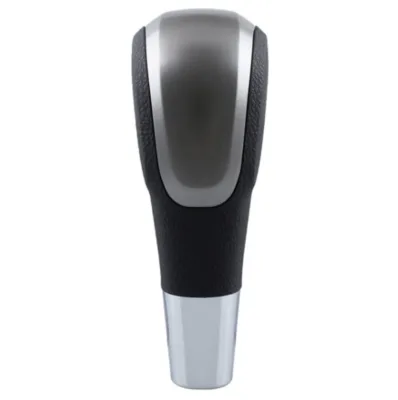
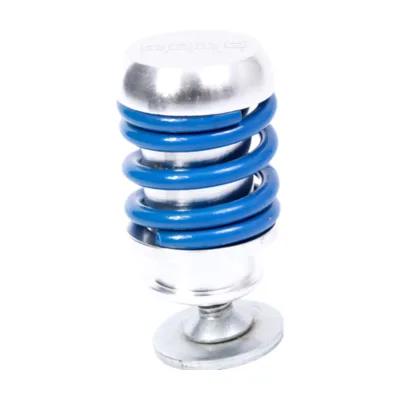
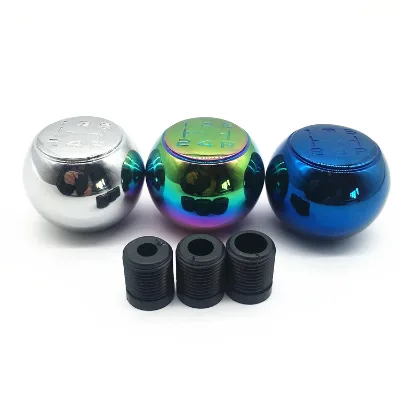
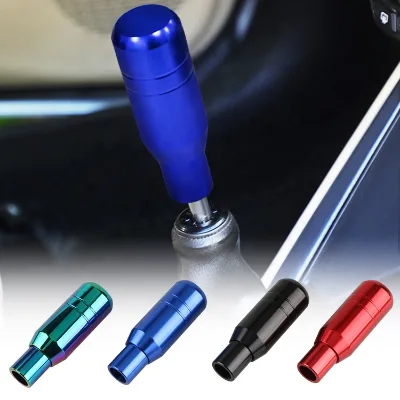
The current market landscape for automatic gear shift knobs reveals a diverse range of materials and packaging formats. Observed listings indicate that major materials include plastic, aluminum, and leather, with some products combining resin and leather for enhanced grip and aesthetic appeal. Color options are varied, with silver and black being prominent choices, often designed to match common interior trim levels. Packaging methods also vary, with suppliers offering OPP packs, blister cards, or custom boxes, which can impact logistics costs and product protection during transit. Buyers should note that customization is widely available, allowing for tailored solutions that meet specific design or branding requirements.
Listing signals suggest a flexible approach to minimum order quantities (MOQs), with observed ranges spanning from 100 to 1000 pieces. This variability allows buyers to scale orders based on demand forecasts, whether for small boutique fleets or large-scale vehicle manufacturing. Product models such as 115046, 115081, and G08001 indicate a structured inventory system, where specific SKUs correspond to distinct design features or compatibility profiles. Additionally, the presence of OEM logo acceptance highlights the importance of branding opportunities for corporate clients. Buyers must carefully review these listing details to ensure that the selected product aligns with their volume needs and customization expectations.
Technical Specifications to Verify
Verifying thread compatibility is the most critical technical step in sourcing automatic gear shift knobs. The knob must match the transmission shaft’s thread size and pitch to ensure a secure fit without the need for excessive force or adapters. Buyers should request detailed dimensional drawings or thread specifications from suppliers to confirm compatibility with their target vehicle models. Additionally, the overall dimensions of the knob, such as the 80x50mm size observed in some listings, must be evaluated to ensure it fits within the center console’s spatial constraints. Improper sizing can lead to ergonomic issues or interference with adjacent controls, compromising both safety and user experience.
Material selection plays a significant role in the knob’s performance and longevity. Aluminum and plastic options offer durability and resistance to wear, while leather and resin combinations provide a premium tactile feel. Buyers should assess the material’s resistance to UV exposure, temperature fluctuations, and sweat, as these factors can degrade the product over time. The condition of the product, typically listed as new, should be verified to ensure that no defects or previous use have compromised its integrity. Furthermore, the distinction between automatic and manual function types must be clearly understood, as the internal mechanisms and ergonomic designs differ, affecting the shifting experience.
Compliance and Safety Documentation
Compliance with relevant safety and quality standards is essential for automotive components. Buyers should verify that suppliers hold recognized certifications, such as CE or ISO, which indicate adherence to international quality management and safety protocols. These certifications provide assurance that the manufacturing processes meet rigorous standards, reducing the risk of defects or failures in the field. Additionally, buyers should inquire about any specific automotive industry standards that the products comply with, as these can vary by region and vehicle type. Ensuring that the supplier can provide documentation for these certifications is a key step in mitigating supply chain risks.
Safety considerations extend beyond certification to include the physical stability of the knob under stress. Buyers should request test data or quality control reports that demonstrate the knob’s ability to withstand vibration, torque, and temperature changes without loosening or breaking. The use of high-quality adhesives or mechanical fasteners should be confirmed to prevent accidental detachment during driving. Furthermore, buyers should ensure that the materials used are non-toxic and free from harmful substances, aligning with environmental and health regulations. This due diligence helps protect both the end-user and the brand’s reputation.
Cost Drivers and Commercial Terms
Several factors influence the cost of automatic gear shift knobs, including material choice, customization level, and order volume. Premium materials like leather and aluminum typically command higher prices than standard plastic options. Customization features, such as OEM logo printing or unique color matching, add to the production complexity and cost. Buyers should negotiate pricing based on volume tiers, leveraging the observed MOQ ranges to secure better rates for larger orders. Understanding the cost structure helps in budgeting accurately and identifying opportunities for cost savings without compromising quality.
Commercial terms, including packaging and lead times, also impact the total cost of ownership. Suppliers offering customized packaging may charge additional fees, while standard packaging like OPP or blister cards might be more cost-effective. Lead times, such as the 40-day production period observed in some listings, should be factored into inventory planning to avoid stockouts. Buyers should clarify payment terms, shipping responsibilities, and return policies to ensure a smooth transaction process. Transparent communication regarding these terms helps prevent unexpected costs and delays, ensuring a predictable procurement experience.
Supplier Qualification and Quality Control
Evaluating supplier qualifications is crucial for ensuring consistent product quality and reliable service. Buyers should assess the supplier’s manufacturing capabilities, including their experience with automotive components and their ability to handle customization requests. Verifying the supplier’s location, such as Zhejiang or Ningbo in China, can provide insights into their logistical advantages and supply chain efficiency. Additionally, buyers should request samples to evaluate the product’s build quality, finish, and fit before committing to large orders. This hands-on assessment helps identify potential issues early in the sourcing process.
Quality control measures should be clearly defined and agreed upon with the supplier. Buyers should inquire about the supplier’s inspection processes, including in-line checks and final random inspections, to ensure that products meet specified standards. Establishing clear acceptance criteria for defects, such as scratches, misalignments, or material imperfections, helps maintain quality consistency. Buyers should also consider implementing third-party inspections for larger orders to provide an additional layer of verification. A robust quality control framework minimizes the risk of receiving substandard products and protects the buyer’s brand reputation.
Long-Term Procurement Checks
Establishing long-term relationships with suppliers requires ongoing monitoring and evaluation. Buyers should regularly review supplier performance metrics, including on-time delivery rates, product quality consistency, and responsiveness to issues. Continuous feedback loops help identify areas for improvement and strengthen the partnership over time. Additionally, buyers should stay informed about market trends and technological advancements in gear shift knob design to ensure that their sourcing strategy remains competitive. This proactive approach helps adapt to changing customer preferences and industry standards.
Risk management is a key component of long-term procurement success. Buyers should diversify their supplier base to mitigate the risk of supply disruptions and ensure business continuity. Regular audits of supplier facilities and processes can help identify potential risks and ensure compliance with agreed-upon standards. Furthermore, buyers should maintain open communication channels with suppliers to address any emerging issues promptly. By implementing these long-term checks, buyers can build a resilient and efficient sourcing network that supports their business goals and customer satisfaction.
FAQs
What materials are used for automatic gear shift knobs?
Automatic gear shift knobs are commonly made from plastic, aluminum, or leather. Some products also combine resin and leather for enhanced grip and durability. The specific material depends on the model selected, such as the silver tone auto gear shift knob or black leather options available from suppliers.
Can I customize the logo on these gear shift knobs?
Yes, OEM logo customization is available for most automatic gear shift knobs. Suppliers accept custom branding requests to meet specific buyer needs. This service allows businesses to brand products with their own logos while maintaining the standard universal fit for various vehicle models.
What is the minimum order quantity for these products?
The minimum order quantity varies by supplier, ranging from 100 pieces to 500 pieces. Some listings indicate an MOQ of 100PC, while others require 500PC. Buyers should verify the specific MOQ with the manufacturer before placing an order to ensure it meets their procurement requirements.
Which certifications do these gear shift knobs hold?
Certain automatic gear shift knobs carry CE and ISO certifications to ensure quality and safety standards. These certifications indicate compliance with international regulations for automotive accessories. Buyers should check specific product models like 5-1002 or G08001 to confirm which certifications are included with their order.
How long does it take to receive the products?
Production and packing times can take up to 40 days depending on the order size and customization. The lead time is influenced by the specific model and packaging requirements, such as blister cards or boxes. Buyers should plan their inventory accordingly to account for this manufacturing duration.
Where are these gear shift knobs manufactured?
These products originate from manufacturing locations in Zhejiang and Ningbo, China. The universal standard ensures compatibility across various vehicle types. Buyers sourcing from these regions can expect consistent quality and adherence to standard specifications for automatic gear shift knobs.