Source Automatic Grape Seed Extract Capsule for Cosmetics, Healthcare, Medicine
Find 30 verified suppliers offering Automatic Grape Seed Extract Capsule with features like organic certification and low-fat formulations. Compare specifications, MOQs, and customization options for skin whitening and blood pressure support applications.
Key considerations
Products List


Natural Herbal Food Supplement Skincare Products Grape Seed Extract Capsules
$2.99 - $6.99
MOQ: 500 Bottle


Herbal Anti Aging Supplements Grape Seed P. E. Powder Custom Pills Capsules
$0.01 - $0.06
MOQ: 100000 Pieces


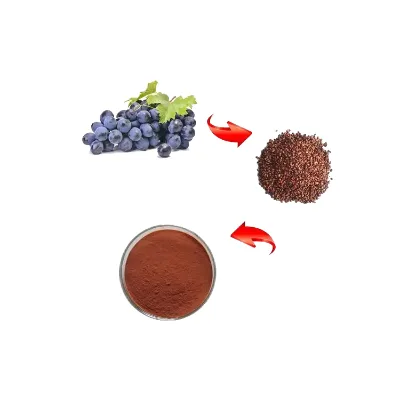
Natural Plant Grape Seed Extract Capsules Food Grade Grape Seed Extract Powder
$15.00 - $30.00
MOQ: 1 Minimum
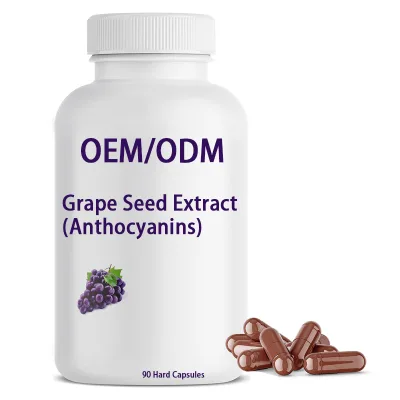
Comprehensive Sourcing Guide
Strategic Sourcing Guide for Automatic Grape Seed Extract Capsule Procurement
The global demand for natural botanical supplements has driven significant interest in grape seed extract, particularly in the form of capsules designed for automated packaging and distribution. For B2B procurement professionals, sourcing "Automatic Grape Seed Extract Capsule" products requires a nuanced understanding of the intersection between botanical extraction standards, capsule manufacturing capabilities, and regulatory compliance. The market offers a diverse array of suppliers, primarily concentrated in regions with established herbal processing infrastructure, yet the path to a reliable supply chain demands rigorous due diligence. This guide outlines the critical technical, regulatory, and operational factors that define a successful procurement strategy for this specific product category.
Technical Specifications and Formulation Standards
The foundation of any successful procurement contract lies in the precise definition of technical specifications. In the context of grape seed extract capsules, the primary active component is proanthocyanidins, a potent antioxidant derived from the seeds of Vitis vinifera L. Buyers must verify the assay method used to quantify these compounds, as this directly impacts product efficacy and consistency. The industry typically employs High-Performance Liquid Chromatography (HPLC) or Ultraviolet (UV) spectroscopy for these measurements. Procurement teams should explicitly request the specific assay methodology in the product data sheet to ensure comparability across different batches and suppliers.
The physical form of the product is equally critical. While the core keyword implies a capsule format, the underlying raw material may vary between powder and pre-filled capsules. Specifications often cite standard dosages such as 500mg or 1000mg per unit, though "as requested" customization is a common feature in the market. The grade of the raw material is a non-negotiable factor; healthcare grade materials are the standard for supplements intended for human consumption. Furthermore, the botanical source must be clearly identified as Vitis vinifera L., with the seed being the specific part used. Buyers should also note that packaging configurations can range from individual bottles to bulk fiber drums with LDPE bagging, typically weighing 25kg per drum, depending on whether the product is sold as a finished good or a raw ingredient for further processing.
Regulatory Compliance and Certification Verification
Navigating the regulatory landscape is perhaps the most complex aspect of sourcing grape seed extract capsules. Unlike generic food items, supplements often face stricter scrutiny regarding their claims and manufacturing processes. A comprehensive review of supplier certifications is essential. The market data indicates that reputable suppliers often hold a combination of certifications, including ISO, HACCP, GMP, and FDA registration. The presence of these certifications suggests adherence to Good Manufacturing Practices and Hazard Analysis Critical Control Point protocols, which are vital for maintaining product safety and traceability.
Beyond general manufacturing standards, specific dietary certifications can open or restrict market access. For instance, Halal and Kosher certifications are frequently observed in the grape seed extract sector, catering to specific demographic requirements. Additionally, the product may be marketed as organic, which requires verification of organic certification bodies. Buyers must understand that while a supplier may claim these certifications, the documentation must be current and verifiable. The absence of FDA registration, for example, does not necessarily disqualify a supplier for export markets, but it significantly limits the ability to market the product as a dietary supplement in the United States without additional regulatory hurdles. Therefore, the procurement strategy must align the supplier's certification portfolio with the target market's legal requirements.
Cost Drivers and Pricing Structures
Understanding the cost structure of grape seed extract capsules is vital for budgeting and margin analysis. The price of these products is not static and is influenced by several variables, including the concentration of proanthocyanidins, the purity of the extract, and the complexity of the capsule formulation. The observed market data suggests a wide price range, from nominal values to significant figures, reflecting the diversity from bulk raw materials to finished, branded goods. This variance underscores the importance of defining the exact product specification before requesting a quote.
Minimum Order Quantity (MOQ) is another primary cost driver. Suppliers often set MOQs based on production efficiency, with figures ranging from small batches of 500 bottles to large industrial orders exceeding hundreds of thousands of units. For buyers seeking to minimize initial capital expenditure, negotiating a lower MOQ or requesting samples is a standard practice. However, buyers should be aware that lower MOQs often come with a higher unit cost. Additionally, customization options, such as logo printing, specific bottle designs, or unique dosage strengths, will incur additional tooling and setup fees. The shipping method, whether via air freight, sea freight, or specialized carriers like FedEx or DHL, also plays a significant role in the landed cost, particularly for time-sensitive orders.
Typical Applications and Market Segmentation
Grape seed extract capsules are versatile products with applications spanning multiple sectors. The primary application is in the healthcare and wellness industry, where the product is marketed for its antioxidant properties and potential benefits for cardiovascular health. Specific functional claims, such as lowering blood pressure or cosmetology benefits, are common in marketing materials, though these claims must be substantiated by the regulatory framework of the destination country. The product is generally targeted at adults, with specific exclusions for newborns and infants due to safety and dosage considerations.
In the cosmetic sector, grape seed extract is utilized for its skin-whitening and anti-aging properties. This dual application in both healthcare and cosmetics allows for a broader market reach. The product is often categorized as unisex and suitable for a wide demographic of adults. Buyers should also consider the "as request" nature of many product models, which allows for tailored applications in private label manufacturing. Whether the end product is a standalone supplement or an ingredient in a broader skincare regimen, the core specification of the grape seed extract must remain consistent to ensure efficacy. The storage requirements, such as keeping the product in a cool, dry place with insect prevention measures, are critical for maintaining the integrity of the active ingredients throughout the supply chain.
Supplier Evaluation and Quality Control Protocols
Selecting the right supplier requires a multi-faceted evaluation process that goes beyond price comparisons. The first step is verifying the supplier's production capabilities and history. A reliable supplier should demonstrate a clear track record of meeting quality standards, evidenced by their certifications and past performance. Buyers should request detailed information regarding the supplier's quality control (QC) protocols, including how they handle raw material testing, in-process controls, and final product release. The use of specific assay methods like HPLC or UV is a strong indicator of a robust QC system.
Furthermore, the supplier's ability to handle customization is a key differentiator. Many suppliers offer OEM (Original Equipment Manufacturer) services, allowing buyers to brand the product with their own logo and packaging. The availability of samples is another critical factor; a supplier that readily provides samples demonstrates confidence in their product quality and a willingness to build a partnership. Buyers should also assess the supplier's logistical capabilities, including their lead times and shipping methods. While some suppliers may offer rapid delivery within 48 hours of payment, others may have longer lead times depending on the order size and customization requirements. A comprehensive supplier evaluation should include a review of their storage facilities to ensure they meet the necessary conditions for preserving the product's shelf life, which is typically around 24 months.
Long-Term Procurement Considerations and Risk Management
Establishing a long-term supply chain for grape seed extract capsules requires a strategic approach to risk management and relationship building. One of the primary risks in this sector is the variability of botanical raw materials. Since the product is derived from plants, factors such as harvest season, climate conditions, and soil quality can affect the concentration of active ingredients. Buyers should work with suppliers who have strict control over their botanical sourcing and who perform rigorous testing on every batch to ensure consistency.
Another consideration is the evolving regulatory landscape. As regulations regarding dietary supplements and cosmetics change, suppliers must be agile enough to adapt their formulations and labeling to remain compliant. A supplier that proactively monitors regulatory changes and updates their documentation accordingly is a valuable partner. Additionally, buyers should consider the scalability of the supply chain. As demand grows, the supplier must be able to increase production without compromising quality. This often involves assessing the supplier's capacity to handle larger MOQs and their ability to maintain consistent lead times during peak demand periods.
Finally, the importance of clear communication and contractual agreements cannot be overstated. Detailed contracts should specify all technical parameters, including assay methods, dosage strengths, packaging requirements, and quality acceptance criteria. Regular audits and quality reviews should be scheduled to ensure ongoing compliance. By focusing on these long-term considerations, buyers can secure a reliable supply of high-quality grape seed extract capsules that meet their market needs and regulatory obligations.
| Evaluation Criteria | Key Verification Points | Importance Level |
|---|---|---|
| Certifications | ISO, HACCP, GMP, FDA, Halal, Kosher | Critical |
| Assay Method | HPLC or UV for Proanthocyanidins | High |
| Raw Material | Vitis vinifera L. seeds, Healthcare Grade | High |
| MOQ Flexibility | Range from 500 bottles to bulk drums | Medium |
| Lead Time | Standard vs. Expedited (e.g., 48 hours) | Medium |
| Customization | Logo printing, OEM, Packaging specs | High |
| Storage | Cool, dry, insect-proof conditions | High |
In conclusion, sourcing automatic grape seed extract capsules is a complex process that demands attention to detail across technical, regulatory, and operational domains. By adhering to the guidelines outlined in this guide, procurement professionals can navigate the market effectively, mitigate risks, and establish partnerships that deliver value and quality to their end consumers. The key lies in rigorous verification of specifications and certifications, coupled with a strategic approach to supplier selection and long-term relationship management.
FAQs
What certifications do Automatic Grape Seed Extract Capsule suppliers hold?
Suppliers typically hold ISO, HACCP, GMP, FDA, Halal, and Kosher certifications. These credentials ensure adherence to strict manufacturing and safety standards required for healthcare and cosmetic applications.
How is the active ingredient proanthocyanidins measured in these capsules?
The active ingredient is measured using HPLC or UV assay methods. This ensures accurate quantification of proanthocyanidins derived from Vitis vinifera L. seeds for consistent product efficacy.
Can I customize the logo and packaging for these capsules?
Yes, logo printing and OEM customization are available for these products. Buyers can request specific packaging like bottles or fiber drums, with options for 500mg or 1000mg specifications.
What is the typical lead time for delivery after payment?
Delivery time is typically within 48 hours after payment is received. This rapid turnaround applies to standard orders, though bulk customizations may require adjusted scheduling based on capacity.
Which storage conditions are required for these grape seed capsules?
Products must be stored in a cool, dry place with moisture and insect prevention measures. Proper storage ensures the 24-month shelf life is maintained for the healthcare grade material.
What is the minimum order quantity for grape seed extract capsules?
The minimum order quantity can start as low as 500 bottles for standard orders. However, bulk raw materials may require different packaging like 25kg fiber drums depending on the supplier.
Are samples available for testing the automatic grape seed extract capsules?
Samples are available for buyers to verify product quality before placing large orders. This allows clients to assess the 500mg or 1000mg specifications and the Vitis vinifera L. botanical source.