Source Automatic Helmet Dryer for Shoes, Boots, and Gloves
Compare 30 Automatic Helmet Dryer options from verified suppliers. These units offer drying and sterilization for shoes, boots, and gloves with various voltage and plug types available.
Key considerations
Products List
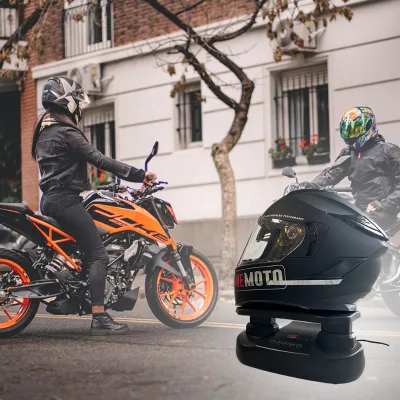
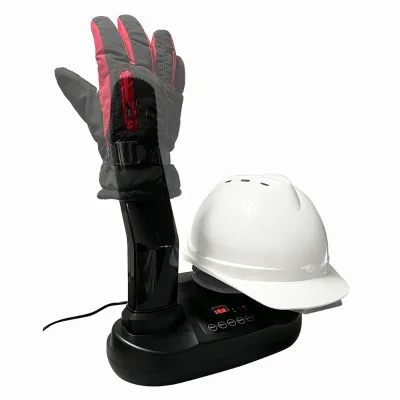
Factory Price Helmet Cleaning Machine Public Use Helmet Dryer Rack for Worker
$12.60 - $12.90
MOQ: 1000 pieces
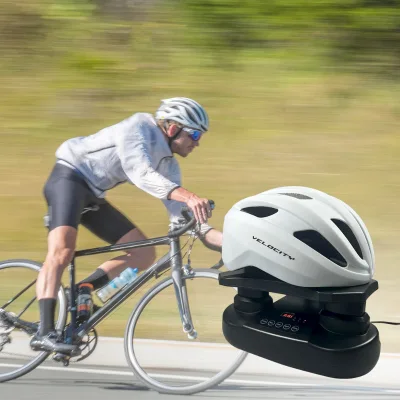
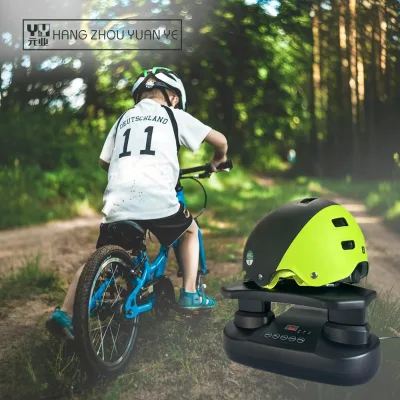
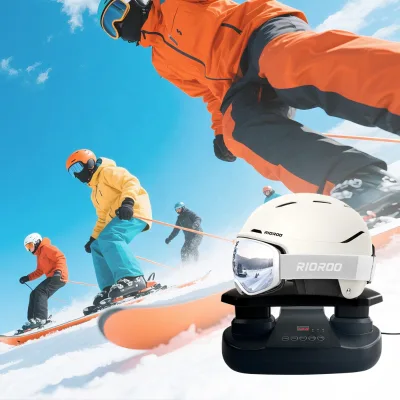
Helmet Dryer Machine Set with Accessories Hot Sale Can Be Applied to Ski Helmets
$12.96 - $13.27
MOQ: 1000 pieces
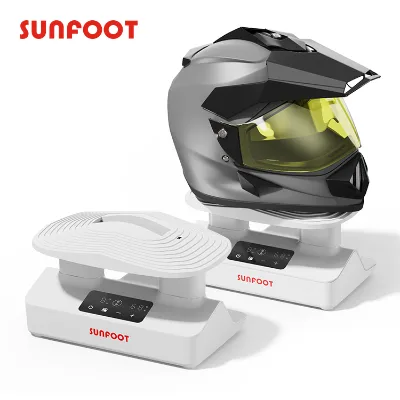
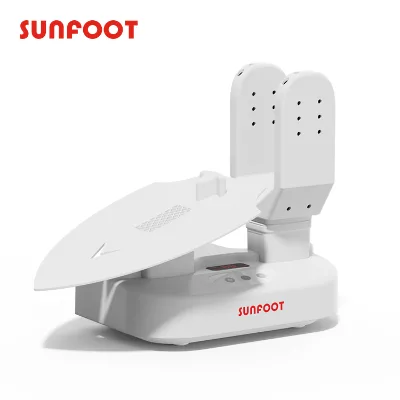
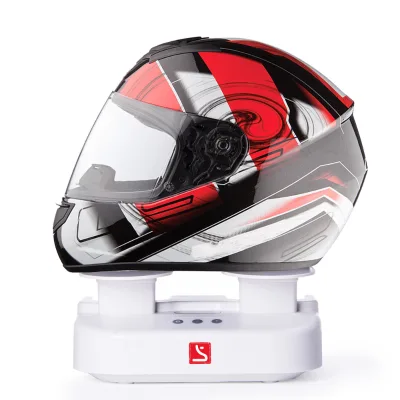


Helmet Automatic Cleaner Machine Motorcycle Helmet Dryer and Sterilizer
$1599.00 - $1688.00
MOQ: 1 Pieces

Timed Custom Scent Helmet Sterilization Dryer Motorcycle Helmet Cleaner
$1599.00 - $1688.00
MOQ: 1 Pieces

Timed Custom Scent Helmet Sterilization Dryer Motorcycle Helmet Cleaner
$1599.00 - $1688.00
MOQ: 1 Pieces

Automatic Helmet Dryer with Temperature Control Prevents Deformation and Mildew
$1980.00 - $2250.00
MOQ: 1 Pieces

Constant Temperature Helmet Dryer for Safe Drying Without Deformation or Mold
$1980.00 - $2250.00
MOQ: 1 Pieces

Professional Helmet Washer Dryer with 60°C Constant Temperature Drying
$1980.00 - $2250.00
MOQ: 1 Pieces


Professional Helmet Washer Dryer with One-Touch Auto Program Selection
$1980.00 - $2250.00
MOQ: 1 Pieces


Comprehensive Sourcing Guide
Strategic Sourcing Guide for Automatic Helmet Dryers
The global demand for protective gear maintenance has elevated the category of automatic helmet dryers from niche accessories to essential equipment for commercial fleets, law enforcement agencies, and recreational sports organizations. Sourcing these devices requires a disciplined approach that balances technical performance with regulatory compliance. Buyers must navigate a market where product attributes vary significantly between models, ranging from simple heating elements to complex ozone-based sterilization units. This guide provides a structured framework for evaluating suppliers and specifications, ensuring that procurement decisions are grounded in verifiable data rather than marketing assertions.
Technical Specifications and Functional Capabilities
When evaluating automatic helmet dryers, the primary distinction lies in the functional mechanism employed. The market presents two distinct operational profiles: devices focused solely on thermal drying and those integrating advanced sterilization. A critical observation in current product listings indicates that specific models are engineered for "Drying shoe, sterilize" functions, utilizing ozone technology to achieve a "High Sterilizating Rate." These units often feature a power consumption profile that varies by mode, with some models listing a "Power at sterilizing" of 7 watts and a "Power at drying" range of 20-300 watts. This variance suggests that the drying function may be adjustable or dependent on the specific load and ambient conditions.
Conversely, other units in the supply chain are designed with a singular focus on heating. For instance, certain models are explicitly described as having the function of "heating and drying for helmet," with a total power rating of 110W. The electrical requirements for these devices are generally flexible to accommodate global markets. Observed voltage specifications include ranges of "100-120V /220-240V," allowing for dual-voltage operation in many regions. Frequency is typically standardized at "50/60Hz," ensuring compatibility with both North American and European power grids.
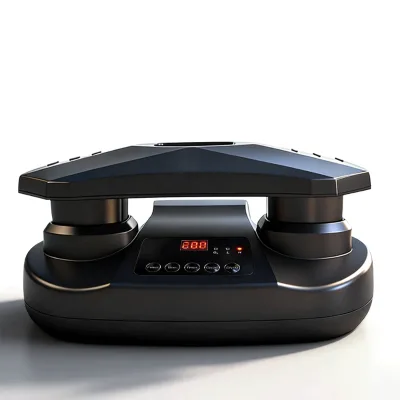
The physical construction of these units is another vital technical consideration. Most observed models utilize a combination of "ABS+electronic Components" or general "plastic" materials to ensure durability while maintaining a lightweight profile. The dimensions of the drying chamber are critical for helmet compatibility. Listings show sizes such as "330280180" millimeters or "262740cm" for the single package, indicating that the internal volume must be sufficient to accommodate various helmet shapes without forcing the unit to operate outside its thermal design parameters. Buyers should verify that the internal chamber depth and width align with the specific helmet models they intend to dry, as a generic "Single package size" does not guarantee internal clearance for larger tactical or full-face helmets.
Compliance and Certification Verification
In the B2B procurement of electrical appliances, particularly those used in professional environments, certification is not merely a formality but a prerequisite for liability management and operational safety. The supply data indicates that various models carry specific certifications, with "CE" appearing as a common standard for products originating from manufacturing hubs in China. Some listings further specify "CE,TUV" compliance, suggesting a higher tier of quality assurance for specific export markets.
The electrical plug configuration is a frequent point of failure in international procurement if not verified early. The observed product attributes list multiple plug types, including "VDE" (common in Germany), "UL" (standard for the United States), "UK,US,EU," and "American standard plug." A procurement strategy that assumes a single plug type can lead to significant logistical delays. Buyers must explicitly confirm that the "Plug Type" matches the local electrical infrastructure of the destination facility. Furthermore, the "Plug Style" is sometimes listed as "Fahrenheit," which is likely a mislabeling for "Fahrenheit" temperature scales or a confusion with "American standard," necessitating a direct technical clarification with the supplier to ensure the physical connector is correct.
While the data mentions "TUV" and "CE," it does not provide a comprehensive list of all possible certifications for every model. Buyers should not assume that a product listing a "CE" mark automatically meets all local safety standards for their specific jurisdiction. For instance, markets in North America often require specific UL or ETL listings for commercial equipment, while the European Union requires strict adherence to Low Voltage Directive (LVD) and Electromagnetic Compatibility (EMC) directives. The presence of a "Certificate" field in a product listing is an observation of what the supplier claims, not a guarantee of validity. Procurement teams must request valid, up-to-date certification documents directly from the manufacturer to verify the scope of coverage.
Cost Drivers and Pricing Structures
The pricing landscape for automatic helmet dryers is characterized by a wide dispersion, with observed listed prices ranging from $12.60 to $5,300 USD. This massive variance indicates that the category encompasses everything from basic, single-helmet residential units to industrial-grade, multi-helmet drying stations with advanced ozone generation and automated controls. The lower end of the price spectrum likely corresponds to simple heating elements with minimal features, while the higher price points reflect units with complex electronics, larger capacities, and integrated sterilization capabilities.
Several factors drive these cost differences. First, the power rating is a significant determinant. Units with a "Power" of 110W or those capable of "20-300w" drying output will generally command higher prices than lower-wattage alternatives. Second, the inclusion of sterilization technology adds cost. Models that advertise a "High Sterilizating Rate" using ozone technology involve more complex circuitry and safety mechanisms compared to pure thermal dryers. Third, the build quality and material composition play a role; units constructed with "ABS+electronic Components" may be priced differently than those using generic "plastic."
The Minimum Order Quantity (MOQ) also influences the effective unit cost. The observed MOQ range spans from 1 to 1000 units. Buyers purchasing single items or small batches may face higher per-unit costs due to the lack of economies of scale. Conversely, bulk procurement can leverage the lower end of the price range. However, buyers must be cautious of suppliers offering extremely low prices with high MOQs, as this may indicate a compromise on material quality or certification validity. The "Single gross weight" of 1.800 kg to 4.000 kg also impacts shipping costs, which should be factored into the total cost of ownership calculations.
Typical Applications and Usage Scenarios
The versatility of automatic helmet dryers allows them to serve a diverse array of applications beyond simple footwear drying. The product attributes explicitly list the "Purpose" as "Drying Shoes/Boots/Socks/Helmet/Gloves," highlighting the multi-functional nature of these devices. In a commercial setting, such as a motorcycle racing team or a fire department, the ability to dry multiple types of gear simultaneously is a significant operational advantage.
For helmet-specific applications, the "Function" of "heating and drying for helmet" is critical. Helmets accumulate moisture from sweat and humidity, which can degrade the internal padding and compromise the structural integrity of the liner over time. Automatic dryers that operate in an "Automatic" mode reduce the risk of overheating, which can damage the helmet's shell or foam. The "Installation" type is noted as "Portable," making these units suitable for use in garages, locker rooms, or field stations where permanent installation is not feasible.
The "Usage" is predominantly categorized as "Home," but the robustness of the "High Sterilizating Rate" models makes them equally suitable for professional environments. In healthcare or public safety sectors, the sterilization function is paramount for preventing the spread of bacteria and fungi. The "Color" options, typically "Black" or "White," and the availability of "Customized Logo" services allow organizations to brand these units for internal identification or corporate gifting. The "Gender" attribute is listed as "Other," indicating that these devices are designed for universal use regardless of the user's demographic.
Supplier Evaluation and Origin Analysis
Evaluating suppliers requires a close examination of the "Place of Origin" and the associated manufacturing capabilities. The data indicates a concentration of production in "Zhejiang, China" and "Guangdong, China," which are major manufacturing hubs for consumer electronics and home appliances. These regions offer a mature supply chain for components like "electronic Components" and plastic molding. However, some listings mention "Other Country" as the place of origin, which introduces variability in quality control standards and logistics.
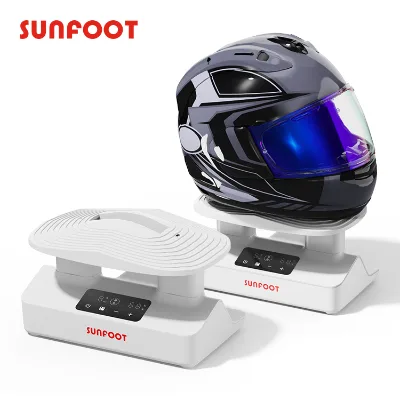
When assessing a supplier, buyers should look beyond the "Brand Name" listed on the product page. While names like "YY" or "Sunfoot" appear in the data, relying solely on brand recognition without verifying the manufacturing entity can be risky. The "Brand Name" field often reflects the seller's private label rather than the original equipment manufacturer (OEM). Buyers should request the actual factory name and location to conduct a thorough due diligence process.
The "Logo" customization option is a strong indicator of a supplier's willingness to engage in B2B partnerships. Suppliers offering "Customized Logo" services are typically more experienced in handling bulk orders and branding requirements. However, buyers must ensure that the customization process does not compromise the product's safety certifications. The "Selling Units" are listed as "Single item," which suggests that the platform may be geared toward retail, but the "MOQ" range up to 1000 implies that bulk capabilities exist. Buyers should confirm the supplier's capacity to handle large orders without compromising lead times or quality.
Quality Control and Long-Term Procurement Considerations
Quality control in the helmet dryer sector must focus on the reliability of the heating elements and the safety of the sterilization mechanisms. The "Power at standby" of 1.6w for some models indicates a focus on energy efficiency, but buyers must verify that the standby mode does not interfere with the active drying or sterilization cycles. The "Single package size" and "Net weight" of 1.415kg to 4.000 kg provide insight into the packaging robustness, which is essential for protecting the "electronic Components" during transit.
Long-term procurement considerations include the availability of spare parts and the durability of the "Material." Units constructed with "ABS" plastic are generally more impact-resistant than those using generic plastics, but the longevity of the heating element is the true test of quality. Buyers should inquire about the expected lifespan of the heating coils and the ozone generator, if applicable. The "Installation" being "Portable" suggests that the unit is subject to frequent movement, which can stress cables and connectors.
To mitigate long-term risks, buyers should establish clear acceptance criteria based on the observed specifications. For example, verifying that the "Voltage" matches the local grid and that the "Plug Type" is compatible is a basic but essential step. Additionally, requesting sample units for testing is highly recommended to validate the "High Sterilizating Rate" claims and the actual drying performance. The "Function" of drying and sterilizing should be tested under real-world conditions to ensure that the device can handle the intended load without overheating or failing.
In conclusion, sourcing automatic helmet dryers requires a meticulous approach that prioritizes technical verification over marketing claims. By focusing on the specific attributes such as power consumption, certification status, and material composition, buyers can make informed decisions that ensure safety, efficiency, and long-term value. The wide range of available options allows for tailored procurement strategies that meet the specific needs of diverse applications, from home use to large-scale industrial operations.
FAQs
What certifications do automatic helmet dryers typically have?
Most models carry CE certification, and some listings specify CE and TUV compliance. Buyers must verify valid documents directly from the manufacturer as the presence of a certificate field is an observation, not a guarantee of validity for all jurisdictions.
How does the power consumption vary for drying and sterilizing?
Power usage differs by mode, with some models listing 7 watts for sterilizing and a range of 20 to 300 watts for drying. Other units may have a fixed power rating of 110 watts, indicating that consumption depends on the specific operational mode and load.
Which plug types are available for these electric devices?
Available plug types include VDE, UL, UK, US, and EU configurations. Some listings also mention American standard plugs, so buyers must explicitly confirm the physical connector matches the local electrical infrastructure of their destination facility to avoid logistical delays.
Can these units be customized with a specific company logo?
Yes, many suppliers offer customized logo services for bulk orders. This option indicates a supplier's willingness to engage in B2B partnerships, though buyers should ensure the customization process does not compromise the product's safety certifications or build quality.
What is the typical price range for automatic helmet dryers?
The observed listed price range spans from 12.6 to 5300 USD. This variance reflects differences between basic heating units and industrial-grade models with advanced ozone generation, where higher prices often correlate with complex electronics and larger capacities.
How large are the single package dimensions for these dryers?
Single package sizes vary, with observed dimensions including 36 by 36 by 18.5 cm and 26 by 27 by 40 cm. Buyers should verify that the internal chamber volume aligns with specific helmet shapes, as package size does not guarantee internal clearance for larger tactical helmets.