Source Automatic Heating and Ventilation Chicken Cage for Farms
Find 29 options for Automatic Heating and Ventilation Chicken Cage systems designed for precision high-density farming. Compare features like automated feeding, durable steel frames, and tier configurations from verified Chinese manufacturers.
Key considerations
Products List


Automatic Chicken Cage with Extended Durability and High-Accuracy Design
$100.00 - $400.00
MOQ: 10 cases


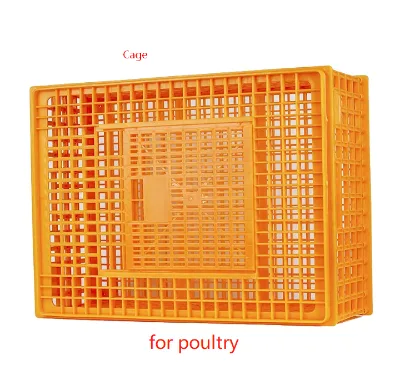
Comprehensive Sourcing Guide
Strategic Sourcing Guide for Automatic Heating and Ventilation Chicken Cages
Understanding the Technical Architecture of Automated Poultry Systems
When sourcing automatic heating and ventilation chicken cages, buyers must first distinguish between the structural framework and the integrated automation systems. The core of these systems typically relies on a steel frame or steel truss structure, designed to provide the necessary rigidity for multi-tier configurations. The observed market data indicates that these units are frequently available in 3-tier, 4-tier, and configurations extending up to 9 tiers, with specific capacity metrics ranging from 120 heads per 3-tier unit to 160 heads per 4-tier unit. The material composition is predominantly hot-dipped galvanized steel, a critical specification for ensuring resistance to the corrosive environment inherent in poultry farming. This surface treatment is essential for longevity, with some product specifications citing a service life of more than 50 years, while others indicate a standard operational lifespan of 15 to 20 years depending on maintenance and environmental conditions.
The automation aspect is defined by the integration of core components such as automatic feeding systems and egg collection systems. These systems are often powered by electricity and can be described as fully automatic or high-automatic, reducing the reliance on manual labor. The design often includes specific features like curved teeth for blade types in certain mechanical components, though the primary focus remains on the feeding and cleaning mechanisms. The cages are categorized into specific types, such as H-Type and A-Type, which dictate the spatial arrangement and airflow dynamics within the facility. Buyers should note that the color of these units is typically white or silver, which may influence heat reflection properties in the heating and ventilation context. The ability to combine these units flexibly and move them easily suggests a modular design that can adapt to changing farm layouts.
Compliance Verification and Certification Standards
In the realm of industrial poultry equipment, compliance with international and local standards is non-negotiable for ensuring safety and operational reliability. The supply chain for these systems often references certifications such as ISO9001, which validates the manufacturer's quality management systems. Some suppliers may also list additional certifications including CE, GMP (Good Manufacturing Practice), and QS, indicating adherence to specific regional safety and hygiene protocols. However, buyers must exercise caution and verify these claims directly, as the presence of a certification on a product listing does not automatically guarantee that every unit in a specific order holds that status.
The structural standards for these cages are often customized to meet specific farm requirements, with dimensions such as 72104m, 92134m, or 102m17m4m appearing in product descriptions. These dimensions are not universal but rather represent specific configurations available from suppliers. When evaluating compliance, buyers should request physical documentation or third-party audit reports rather than relying solely on marketing assertions. The "Customized Or Not" attribute is a critical differentiator; while many systems offer standard sizes, the ability to customize the structure type and dimensions is a key value proposition for large-scale operations. Furthermore, the origin of the products, often cited as Hebei, China, should be factored into the compliance check, as different regions have varying regulatory environments regarding agricultural machinery and safety standards.
Cost Drivers and Economic Factors in Procurement
The pricing for automatic heating and ventilation chicken cages is influenced by a complex interplay of factors, including material costs, automation levels, and customization requirements. The observed price range in the market spans from 10 to 400 USD, though this wide variance likely reflects differences in unit definitions, such as price per cage versus price per system, or the inclusion of ancillary equipment like the mobile vaccination car mentioned in some listings. The minimum order quantity (MOQ) varies significantly, ranging from 1 unit to 500 units, which allows for flexibility for small-scale buyers while accommodating large industrial orders.
Several specific cost drivers must be analyzed during the procurement process. The "Hot Dipped Galvanized" surface treatment is a premium feature that increases the initial cost but reduces long-term maintenance expenses. Similarly, the tier count is a primary cost determinant; moving from a 3-tier to a 4-tier or higher configuration increases the steel volume and the complexity of the automated feeding and egg collection systems. The "Full and High Automatic" grade of the equipment also commands a higher price point due to the integration of electric motors, sensors, and control systems. Additionally, the "Service Life" of the equipment, whether cited as 15-20 years or over 50 years, impacts the total cost of ownership. Buyers should calculate the amortized cost over the expected lifespan rather than focusing solely on the upfront purchase price. The "Save Workers Cost" advantage is a significant economic factor, as the automation reduces the need for manual labor, which can offset the higher initial investment over time.
Typical Applications and Operational Environments
The application scope for these automated cages is broad, covering farms, manufacturing plants, and retail environments, though the primary use case is clearly defined as poultry farming. The specific application is noted for "Precision High-Density Farming," indicating that these systems are engineered to maximize output per square meter while maintaining animal welfare standards. The target animal is explicitly identified as chickens, with the cages designed for feeding, cleaning, breeding, and heat preservation. The "H-Type" and "A-Type" designs offer different airflow and space utilization characteristics, making them suitable for various farm layouts and ventilation strategies.
The operational environment is a critical consideration for the longevity and performance of the equipment. The "Anti-Corrosion" features are essential for environments with high humidity and ammonia levels, which are common in intensive poultry farming. The "Eco-Friendliness" attribute suggests that these systems are designed to minimize waste and energy consumption, aligning with modern sustainability goals. The "Demonstration Farm" availability allows buyers to observe the equipment in action, providing a tangible reference for performance in real-world conditions. The "Stock" availability being "Whole Year" ensures that buyers can procure these systems without significant delays, which is crucial for maintaining continuous production cycles. The "Fast Installation" feature further supports rapid deployment, minimizing downtime during farm setup or expansion.
Supplier Evaluation and Quality Assurance Protocols
Evaluating suppliers for automatic heating and ventilation chicken cages requires a rigorous approach that goes beyond surface-level marketing claims. Buyers should prioritize suppliers who offer "Free Chicken Cage Layout" design services, as this indicates a deeper level of engineering expertise and a commitment to tailoring solutions to specific farm needs. The "On-Site Installation or Install Video" service options are also critical indicators of supplier support capabilities. A supplier that provides comprehensive installation guidance, whether through physical presence or detailed video tutorials, reduces the risk of installation errors that could compromise the system's functionality.
Quality assurance should be verified through the "Core Components" of the system. Buyers must ensure that the automatic feeding system and egg collection system are sourced from reputable manufacturers and are compatible with the overall cage structure. The "Condition" of the products should be confirmed as "New," and the "Standard Sea Worthy Package" or "Wooden Box" packaging should be inspected to ensure that the equipment arrives without damage. The "Weight" of the units, such as the 80kg specification, provides a baseline for assessing the robustness of the construction. Buyers should also verify the "Surface Treatment" process to confirm that the hot-dip galvanization meets industry standards for thickness and adhesion. Finally, the "Key Advantages" such as "Long Lifespan" and "Good Quality" should be substantiated by customer references or case studies rather than accepted as marketing slogans.
Long-Term Procurement and Lifecycle Management
The long-term success of an automated poultry operation depends on the durability and maintainability of the equipment. The "Service Life" of the cages is a pivotal factor in this regard. While some specifications claim a lifespan of more than 50 years, others suggest 15 to 20 years, highlighting the importance of understanding the specific conditions under which these figures are achieved. Proper maintenance, including regular cleaning and inspection of the automated systems, is essential to achieving the maximum service life. The "Customization" availability allows for future modifications, ensuring that the system can adapt to changes in flock size or management practices.
Procurement strategies should also consider the "Epidemic Prevention Equipment" such as mobile vaccination cars, which can be integrated into the overall farm infrastructure. The "Automatic Grade" of the system, whether full or high, dictates the level of monitoring and control required. Buyers should plan for the long-term availability of spare parts and technical support, especially for the electric and computerized components. The "Place of Origin" and "Prod Origin" information can influence the supply chain resilience, as geopolitical factors or logistics issues may impact the delivery of replacement parts. By focusing on suppliers with a track record of "Good Quality" and "Save Workers Cost," buyers can ensure a sustainable and profitable operation over the lifespan of the equipment. The ability to "Easily Movable" the cages also offers flexibility for farm expansion or reconfiguration, adding value to the initial investment.
Summary of Key Selection Criteria
To summarize the essential factors for sourcing automatic heating and ventilation chicken cages, buyers should focus on the structural integrity provided by the steel frame and hot-dipped galvanized material. The automation level, defined by the feeding and egg collection systems, is crucial for operational efficiency. Compliance with certifications like ISO9001 and regional standards ensures safety and quality. The cost drivers, including tier count and customization, must be balanced against the long-term benefits of reduced labor and extended service life. Finally, supplier support through layout design and installation services is vital for a successful deployment. By adhering to these evidence-based criteria, buyers can make informed decisions that align with their specific agricultural needs and financial goals.
FAQs
What is the service life of these cages?
The service life is typically more than 50 years for some units, while others are rated for 15 to 20 years. This duration depends on the specific material treatment and maintenance conditions in the precision high-density farming environment.
Which tier configurations are available for purchase?
Buyers can choose from 3-tier, 4-tier, or configurations extending up to 9 tiers. Specific capacities include 120 heads for 3-tier units and up to 160 heads for 4-tier units depending on the design type.
How is the surface treatment applied to ensure durability?
The cages undergo a hot-dipped galvanized process to provide anti-corrosion protection. This treatment is essential for longevity in poultry farming environments and contributes to the claimed long lifespan of the equipment.
Can the cages be customized for specific farm layouts?
Yes, customization is available for structure types and dimensions to meet specific requirements. Suppliers often provide free chicken cage layout designs to ensure the steel frame or truss structure fits the farm's unique needs.
What certifications do the manufacturers typically hold?
Manufacturers often hold ISO9001 certification, and some listings also include CE, GMP, and QS standards. These certifications validate quality management systems and adherence to safety protocols for the automatic feeding and egg collection systems.
What is the minimum order quantity for these units?
The minimum order quantity ranges from 1 to 500 units depending on the supplier and configuration. This flexibility allows both small-scale buyers and large industrial operations to procure the necessary equipment for their farms.
How are the cages installed at the farm site?
Installation can be performed on-site or guided via installation videos provided by the supplier. The design supports fast installation, and the modular nature allows for easy movement and flexible combination of the units.
What is the primary material used for construction?
The primary material is steel, specifically hot-dipped galvanized steel for the frame and truss structure. This material choice ensures durability, safety, and the ability to withstand the corrosive conditions of intensive poultry farming.