Source Portable Foldable Shoe Dryer for Home, Shop, and Travel
Explore 30 listings for the Portable Foldable Shoe Dryer designed for home, shop, and travel use. Buyers can compare specifications like power rating, voltage, and drying functions to find the right supplier for their needs.
Key considerations
Products List


Ozone-Generating Shoe Dryer with Foldable Boot Rack
$500.00 - $800.00
MOQ: 1 Pieces
Henger Manufacturing (Shandong) Machinery Technology Co., Ltd.


Portable Shoe Warmer & Dryer with Compact Ozone Boot Rack
$500.00 - $800.00
MOQ: 1 Pieces
Henger Manufacturing (Shandong) Machinery Technology Co., Ltd.

Henger High Quality Shoe Dryer for Various Places
$500.00 - $800.00
MOQ: 1 Pieces
Henger Manufacturing (Shandong) Machinery Technology Co., Ltd.

Henger Electric Shoe Dryer/ Shoe Dryer for Factory
$500.00 - $800.00
MOQ: 1 Pieces
Henger Manufacturing (Shandong) Machinery Technology Co., Ltd.

Ozone-Enabled Shoe Dryer with Adjustable Height Boot Rack
$500.00 - $800.00
MOQ: 1 Pieces
Henger Manufacturing (Shandong) Machinery Technology Co., Ltd.

Intelligent Timing Folding Portable Durable Hot Sale New Designed Adult Shoe Dryer
$1.90 - $2.00
MOQ: 500 Pieces

Timed Home Travel Portable Shoe Dryer Multifunctional Dormitory Shoe New Modern Dryer
$2.90 - $3.00
MOQ: 330 Pieces

Multi-Function Retractable Timed Ultraviolet Sterilization and Deodorization Shoe Dryer
$2.90 - $3.00
MOQ: 330 Pieces

Timing Shoe Dryer Constant Temperature Dehumidification Odor New Designed Shoe Dryer
$4.95 - $28.00
MOQ: 200 Pieces


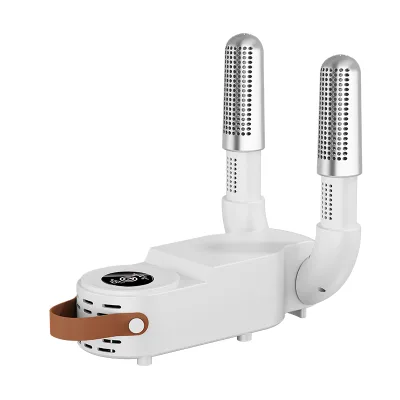


Intelligent Shoe Dryer with Deodorizing Function for Quick Drying Shoes
$40.00 - $80.00
MOQ: 10 Pieces


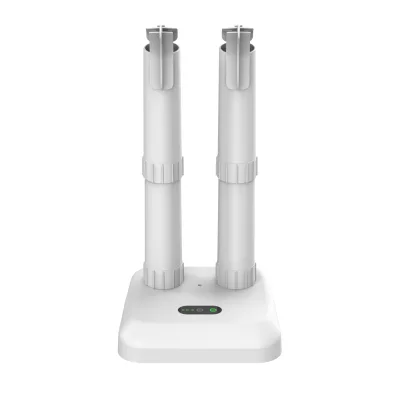
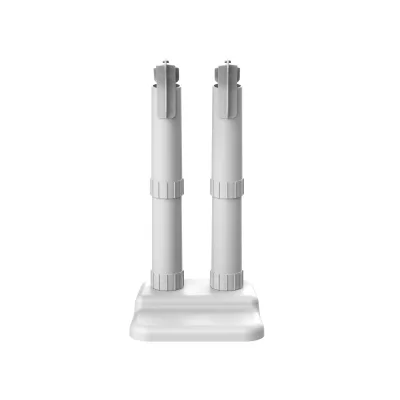
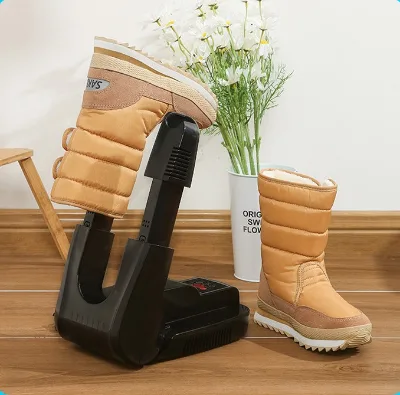
Comprehensive Sourcing Guide
Strategic Sourcing Guide for Portable Foldable Shoe Dryers
Understanding Product Variants and Technical Specifications
When sourcing a Portable Foldable Shoe Dryer, buyers must first navigate the significant variance in technical specifications found across the market. The core keyword implies a device designed for mobility and space efficiency, yet the actual product landscape includes distinct categories ranging from compact personal units to larger, semi-automatic racks. The supplied data indicates that "Shoe Dryer" units typically feature a rated power of 20W, while other variants, such as the "PM10" model, operate at 40W. This difference in wattage directly influences drying speed and energy consumption, requiring buyers to align power requirements with their specific drying volume needs.
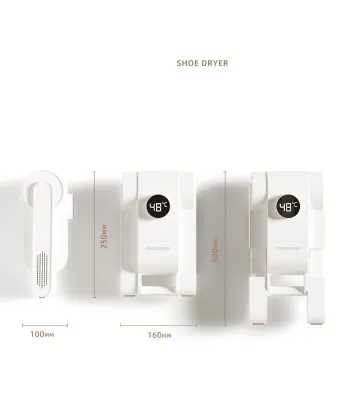
Voltage compatibility is another critical technical parameter. The observed product range includes units rated for AC110/220V, offering broad international applicability, while other models are strictly rated for AC220V. For buyers operating in regions with 110V mains, selecting a dual-voltage unit is essential to prevent equipment failure. Furthermore, the physical dimensions of these devices vary significantly. Compact models are observed with dimensions around 13.5 x 8.5 x 21.5 cm, whereas larger industrial-style units, such as the "HE-BD" model, may reach dimensions of 1500 x 500 x 1500 mm. This suggests that the term "portable" can apply to both handheld units and larger floor-standing racks that are designed to be moved rather than permanently installed.
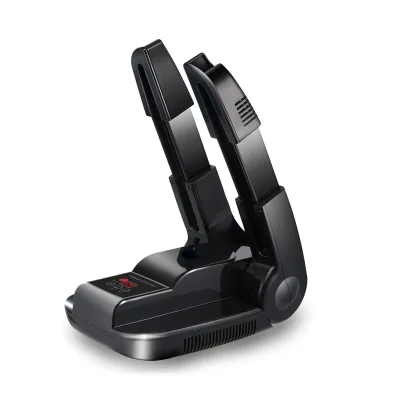
The material composition also plays a vital role in durability and safety. Most observed units are constructed from ABS plastic, which provides a lightweight and impact-resistant housing suitable for home and shop use. However, specific models, such as the "Ozone Boot Dryer," are fabricated from Stainless Steel, indicating a higher durability requirement for commercial or heavy-duty environments. The gross weight of these units generally ranges between 530g and 580g for the smaller portable models, confirming their portability, while the larger units naturally carry a significantly higher mass.
Functional Capabilities and Operational Modes
The functional scope of portable shoe dryers extends beyond simple moisture removal. The supplied facts highlight that advanced models offer a triad of functions: drying, sterilization, and deodorization. This is particularly relevant for the "PM 2.0 pro" and "PM 2.0" models, which explicitly list these capabilities. The inclusion of sterilization often implies the use of ozone technology or specific temperature ranges, such as the observed 45~55°C range, which is effective for killing bacteria without damaging sensitive shoe materials.
Ventilation is a key feature for efficient operation. Units described as having "with Ventilation" ensure proper air circulation, which is crucial for preventing mold growth and ensuring even drying. In contrast, some models may rely on passive airflow. The automation level also varies; while many units are manual, the data indicates the existence of "Semi-Automatic" models. These units may feature timers or automatic shut-off mechanisms, enhancing user convenience and safety.
Installation methods further define the product's utility. The "Portable" installation type is the standard for the core keyword, allowing users to place the device on a countertop or floor and move it as needed. However, the market also includes "Wall Mounted" options, such as the "Keyword: Wall Mounted Ski Boot Dryer," and "Floor Mounted" cabinets. Buyers must distinguish between these installation types based on their available space and intended usage. For instance, a "Wall Mounted Ski Boot Dryer" is ideal for ski lodges or specialized retail spaces, whereas a "Portable" unit is better suited for general household use or small retail shops.
Compliance, Certification, and Safety Standards
Navigating the compliance landscape is essential for B2B procurement, especially when importing goods across borders. The supplied data confirms that certain models carry "CE/ISO9001" certifications. The CE mark indicates conformity with health, safety, and environmental protection standards for products sold within the European Economic Area, while ISO9001 suggests that the manufacturer adheres to a recognized quality management system. However, buyers should not assume that every listed product possesses these certifications; they must verify the specific certificate status for the model they intend to purchase.
Safety standards are often tied to the electrical specifications of the device. With voltage ratings varying between 110V and 220V, it is imperative to ensure that the product's electrical safety certifications match the destination country's grid standards. Additionally, the temperature range of 45~55°C is a critical safety parameter. Buyers should verify that the device includes thermal protection mechanisms to prevent overheating, which could pose a fire hazard or damage the footwear.
While the data mentions "CE" as a low-confidence background fact, the explicit mention of "CE/ISO9001" for specific models provides a higher degree of confidence. Buyers should request valid certification documents from the supplier to validate these claims. Furthermore, for units intended for industrial applications, such as those listed for "Food Industrial, Slaughterhouse, Seafood Industrial," additional hygiene and safety standards may apply. These units, often made of Stainless Steel, are designed to meet stricter sanitation protocols, and buyers should ensure the supplier can provide documentation regarding compliance with local food safety or industrial hygiene regulations.
Cost Drivers and Pricing Dynamics
The pricing of portable foldable shoe dryers is influenced by several factors, including material quality, functional complexity, and production volume. The observed price range in the market spans from $1.9 to $875 USD. This wide disparity reflects the difference between basic ABS plastic units and high-end stainless steel or semi-automatic systems. The lower end of the price spectrum likely corresponds to simple, single-function dryers with minimal features, while the higher end encompasses units with advanced sterilization, larger capacities, and durable industrial-grade materials.
Minimum Order Quantity (MOQ) is another significant cost driver. The observed MOQ range is 1 to 1000 units. Buyers seeking small batches or sample orders can find suppliers with an MOQ of 1, which is ideal for testing the market or for small-scale retail operations. Conversely, larger commercial buyers may negotiate lower per-unit costs by ordering in bulk, potentially reaching MOQs of 1000 units. The packaging method also impacts cost; units packed in "Wooden Cases" or wrapped in "Plastic Film" before being packed in wood incur higher logistics and material costs compared to those in "Standard Packaging."
The rated power of the unit is a subtle but important cost factor. Higher wattage units, such as the 40W models, may command a premium over 20W units due to the more robust heating elements and electrical components required. Additionally, the inclusion of features like ozone sterilization or semi-automatic controls adds to the manufacturing complexity and, consequently, the unit price. Buyers should carefully evaluate the total cost of ownership, including energy consumption and potential maintenance costs, rather than focusing solely on the initial purchase price.
Typical Applications and Usage Scenarios
The versatility of portable shoe dryers allows them to serve a wide array of applications. The primary use case is residential, where the "Home, Shop" usage designation applies. In a home setting, these devices are used to dry wet footwear after outdoor activities, preventing odors and extending the life of the shoes. The compact size and portability make them suitable for apartments or homes with limited storage space.
In a retail environment, shoe dryers can be used for display purposes. The "Storage, Display" function suggests that some units are designed to showcase footwear while simultaneously maintaining its condition. This is particularly useful for shoe stores that sell premium or moisture-sensitive materials. The "Simple" style and "Cabinets" type mentioned in the data indicate that these units can be integrated into retail displays without disrupting the aesthetic of the store.
Industrial and specialized applications also exist. The data mentions usage in "Food Industrial, Slaughterhouse, Seafood Industrial," which points to the need for high-hygiene drying solutions in these sectors. These environments require materials like Stainless Steel to meet strict sanitation standards. Additionally, the "Wall Mounted Ski Boot Dryer" is tailored for the sports and outdoor industry, specifically for drying ski boots which often require high temperatures and robust drying capabilities. The "Application Shoe Size: >35EU" specification indicates that some models are designed to accommodate adult footwear, while others may be limited to smaller sizes.
Supplier Evaluation and Quality Control Protocols
Evaluating suppliers for portable foldable shoe dryers requires a rigorous approach to ensure product consistency and reliability. Buyers should prioritize suppliers who can provide clear documentation regarding the product's origin, with "China" being the primary origin noted in the data. Verifying the supplier's manufacturing capabilities is crucial, especially for models with complex features like sterilization or semi-automatic functions.
Quality control should focus on the physical attributes of the product. Buyers must verify that the actual product matches the listed specifications, such as the "Gross Weight" of 530g to 580g for portable units and the "Size" of 135 x 85 x 215 mm. Discrepancies in weight or dimensions can indicate quality issues or the use of substandard materials. The "Condition: New" and "Warranty: 1 Year" are standard expectations, but buyers should confirm the terms of the warranty, including what is covered and the process for claims.
The "Customization: Available" attribute suggests that suppliers may offer tailored solutions. Buyers should assess the supplier's flexibility in meeting specific customization requests, such as branding, voltage adjustments, or size modifications. However, buyers must be cautious of over-promising; not all listed products may satisfy every customization request. It is advisable to request samples before placing a large order to verify the quality of the customization.
Long-Term Procurement and Maintenance Considerations
Sourcing portable foldable shoe dryers is not just a one-time transaction but a long-term commitment. Buyers should consider the longevity of the product and the availability of spare parts. The "1 Year" warranty is a baseline, but buyers should inquire about the availability of replacement parts, such as heating elements or ventilation fans, to extend the product's lifecycle.
Maintenance requirements vary by model. Units with "Ventilation" systems may require regular cleaning of the filters to maintain efficiency. Stainless steel models, while more durable, may require specific cleaning agents to prevent corrosion or staining. Buyers should ensure that the supplier provides clear maintenance instructions and that the product design facilitates easy cleaning.
The "Product Name" and "Function" of the unit should remain relevant over time. As technology evolves, features like ozone sterilization may become standard, and buyers should consider whether their current procurement strategy aligns with future market trends. Additionally, the "Installation: Portable" nature of the product means that buyers should consider the durability of the folding mechanisms and hinges, which are prone to wear and tear over time.
Comparative Analysis of Key Product Attributes
To facilitate decision-making, the following table summarizes the key attributes observed in the market, highlighting the differences between compact and industrial models.
| Attribute | Compact Portable Model | Industrial/Commercial Model |
|---|---|---|
| Product Name | Shoe Dryer | Boot Drying Rack / Ozone Boot Dryer |
| Rated Power | 20W | 40W |
| Voltage | AC110/220V | AC220V |
| Material | ABS | Stainless Steel |
| Dimensions | 13.5 x 8.5 x 21.5 cm | 1500 x 500 x 1500 mm |
| Weight | ~530-580g | Heavy (Industrial) |
| Installation | Portable | Floor Mounted / Wall Mounted |
| Functions | Drying | Drying, Sterilization, Deodorization |
| Certification | Variable | CE/ISO9001 |
| Packing | Standard / Plastic Film | Wooden Case |
This comparison underscores the importance of aligning product selection with specific operational needs. Compact models are ideal for personal or small retail use, while industrial models are better suited for high-volume or specialized environments. By carefully evaluating these attributes, buyers can make informed decisions that balance cost, functionality, and long-term value.
FAQs
What are the typical power ratings for portable shoe dryers?
Typical power ratings are 20W or 40W depending on the model. Units like the ZH model operate at 20W, while the PM10 model uses 40W. Buyers should select the wattage that matches their drying volume and energy efficiency needs.
Which voltage options are available for international use?
Some models support dual voltage AC110/220V for broad international applicability. Other specific units are rated strictly for AC220V. Ensure the selected product matches your local grid standard to prevent equipment failure.
Can these devices sterilize and deodorize footwear?
Yes, advanced models offer drying, sterilization, and deodorization functions. The PM 2.0 series explicitly lists these capabilities along with a temperature range of 45 to 55 degrees Celsius. This ensures effective bacteria removal without damaging sensitive materials.
What materials are used to construct these dryers?
Most units are constructed from ABS plastic for lightweight durability. However, specialized models like the Ozone Boot Dryer use stainless steel for commercial or heavy-duty environments. Material choice depends on whether the use case is residential or industrial.
Are there certifications available for safety compliance?
Certain models carry CE and ISO9001 certifications for safety and quality management. Buyers must verify specific certificate status for the intended model as not all listed products possess these. Documentation should be requested to validate compliance for import.
How does the installation type vary across models?
Installation types include portable, wall-mounted, and floor-mounted options. While portable units suit general household use, wall-mounted ski boot dryers serve specialized sports spaces. Floor-mounted cabinets are designed for storage and display in retail environments.