Source Automatic Linear Perfume Filling Machine for Beverage, Chemical, and Cosmetics
Explore 30 listings for the Automatic Linear Perfume Filling Machine designed for beverage, chemical, and cosmetic applications. Buyers can compare specifications like filling range, speed, and voltage to find the right solution.
Key considerations
Products List


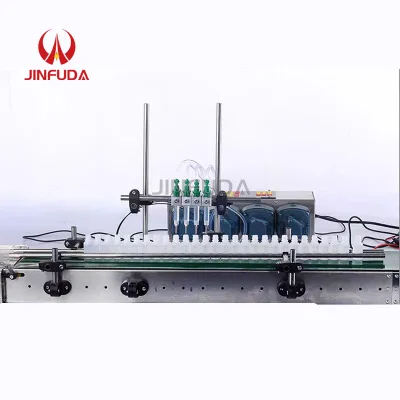


Reasonable Price Fragrance Perfume Filler Equipment Industry Machinery
$45000.00 - $56000.00
MOQ: 1 Pieces


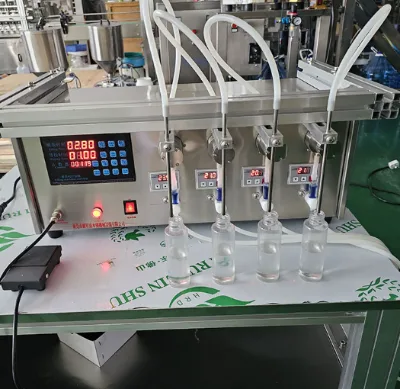


Good Quality Quantitative Liquid Filling Machine/Perfume Filling Machine
$960.00 - $48965.00
MOQ: 1 Pieces


Advanced Hot Sale Perfume Filling Machine for Efficient Production
$20000.00 - $22000.00
MOQ: 1 Pieces

Advanced Fully Automatic Perfume Filling Production Line for Efficient Bottling
$20000.00 - $22000.00
MOQ: 1 Pieces

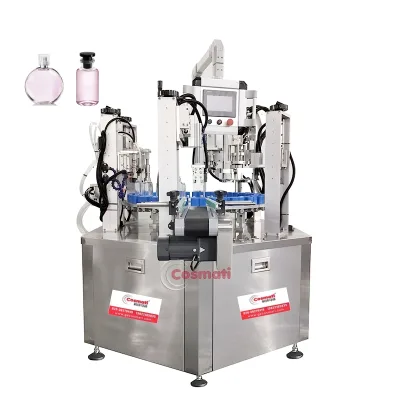
Automatic Perfume Filling Machine Flat Round Bottles Fragrance Essential Oil Vias Filler
$20000.00 - $25000.00
MOQ: 1 sets
Comprehensive Sourcing Guide
Strategic Sourcing Guide for Automatic Linear Perfume Filling Machines
Understanding Core Technical Specifications and Variants
When sourcing an Automatic Linear Perfume Filling Machine, buyers must first distinguish between the two primary operational architectures observed in the current market: rotary and linear systems. While rotary machines offer high-speed throughput suitable for massive production lines, the linear configuration is often preferred for perfume applications due to its flexibility and ease of integration into smaller or medium-scale bottling lines. The linear structure typically features a single-track conveyor system where bottles are fed, filled, and capped in a sequential manner. This design allows for easier maintenance and quicker changeovers between different bottle shapes, a critical factor in the perfume industry where packaging aesthetics vary widely.
The filling principle is another pivotal technical specification. In the observed product data, two distinct mechanisms are prevalent: pressure filling and vacuum filling. Pressure filling systems utilize positive pressure to force the liquid into the container, which is effective for products with low viscosity. Conversely, vacuum filling creates a negative pressure environment to draw the liquid into the bottle, often providing superior accuracy for volatile or sensitive liquids like perfumes. The choice between these principles depends heavily on the specific chemical properties of the fragrance being bottled. Furthermore, the dosing device is a critical component; some units utilize a plunger mechanism, while others employ a capacity cup system. The plunger type generally offers higher precision for small volumes, whereas capacity cups may be suited for larger batch runs.
The mechanical drive system also dictates the machine's performance and longevity. Modern high-end units often feature servo driving, which provides precise control over the filling stroke and speed, ensuring consistency across thousands of bottles. In contrast, some models rely on electric driving types that may be less flexible but cost-effective. The filling range is another variable that buyers must align with their production needs. Data indicates a wide operational spectrum, with some machines capable of handling volumes from 10ml to 5000ml. For perfume applications, the lower end of this spectrum is most relevant, requiring machines that can accurately dose small quantities without waste. The number of filling heads is also customizable, with options ranging from single heads to multi-head configurations (such as 2, 4, 6, or 8 heads), directly influencing the production speed, which can range from 30 to 60 pieces per minute in standard linear setups.
Compliance, Certification, and Safety Standards
Navigating the regulatory landscape for industrial machinery requires a rigorous approach to compliance and safety. While specific certification statuses like CE are mentioned in background contexts, buyers should not assume a specific listing possesses these certifications without explicit verification from the supplier. Instead, the procurement process must prioritize the verification of safety features and adherence to international standards. A critical safety component observed in high-quality units is the human protection frame equipped with an emergency switch. This feature ensures that the machine can be immediately halted in the event of a malfunction or operator error, preventing potential injury.
The electrical standards of the machine must also align with the buyer's local infrastructure. Voltage requirements vary significantly, with observed models supporting both 110V and 220V configurations. It is imperative to confirm the specific voltage rating of the machine before installation to avoid electrical damage or safety hazards. Additionally, the air pressure requirements for pneumatic components, such as the packaging container lifting structure, must be compatible with the facility's compressed air supply. Data suggests a requirement of 0.5MPa for certain pneumatic operations, a standard that should be verified against the buyer's plant capabilities.
Beyond electrical and mechanical safety, the materials used in construction play a vital role in compliance. The machine's contact parts with the product must be made of materials that do not react with the perfume ingredients. While the general packaging material for the machine itself might be metal or plastic, the internal components handling the liquid must be verified for chemical resistance. The standard dimensions of the machinery, such as the 12009002200mm or 100015002200mm footprints observed in listings, must be checked against the available floor space in the production facility. Furthermore, the production standard, often cited as a weight capacity like 1000kg, indicates the structural integrity of the frame, which is essential for maintaining stability during high-speed operations.
Cost Drivers and Pricing Variables
The pricing of automatic linear perfume filling machines is influenced by a complex array of factors, resulting in a wide observed range from 200 to 56,000 USD. This disparity is not merely a reflection of brand prestige but is driven by the specific technical configuration and the level of automation. The primary cost driver is the filling head configuration. A single-head machine will be significantly less expensive than a multi-head system capable of 60 pieces per minute. The complexity of the control system also impacts price; units featuring advanced touch screens customized to customer requirements will command a higher price point than those with basic interfaces.
The material composition of the machine is another significant variable. Models constructed with high-grade stainless steel for the contact parts and robust metal frames for the exterior will be more costly than those utilizing standard plastics or lower-grade metals. The driving mechanism is also a key determinant; servo-driven systems offer superior precision and energy efficiency but come at a premium compared to electric or pneumatic alternatives. Additionally, the customization options available, such as specific filling ranges or unique packaging container lifting structures, add to the overall cost.
The packaging and shipping requirements further influence the final landed cost. Many suppliers utilize non-fumigation wooden boxes or standard wooden boxes for shipping, which adds to the logistics expense. The origin of the machinery, whether from Shanghai or Guangzhou, can affect shipping times and costs, although the base manufacturing cost might be similar. Buyers should also consider the warranty terms, with a standard 1-year warranty being common, but extended coverage or specific service agreements may increase the initial investment. It is crucial for buyers to request a detailed breakdown of costs to understand exactly what features are included in the quoted price, ensuring that the investment aligns with their specific production requirements.
Typical Applications and Material Compatibility
Automatic linear perfume filling machines are designed to handle a diverse range of liquids, making them versatile assets for various industries. While the core keyword focuses on perfume, the observed data indicates that these machines are equally suitable for beverages, chemicals, milk, water, oil, and juice. This versatility stems from the adjustable filling principles and the ability to switch between different dosing devices. For perfume applications, the machine's ability to handle small volumes with high accuracy is paramount. The filling accuracy of 0.5% observed in some models is a critical metric for ensuring product consistency and minimizing waste, which is essential in the high-value perfume sector.
The compatibility with different packaging materials is another key consideration. The machines are designed to work with bottles made from plastic, glass, and metal. This flexibility allows manufacturers to switch between different packaging types without needing to purchase entirely new filling equipment. The packaging container lifting structure, often pneumatic, ensures that bottles of various heights and shapes can be securely held during the filling process. The application scope extends beyond just the liquid itself; the machine must also accommodate the specific viscosity and volatility of the product. For instance, volatile perfumes require vacuum filling principles to prevent evaporation and ensure accurate dosing, whereas less volatile liquids like water or oil can be handled effectively with pressure filling.
The production speed of these machines, typically ranging from 30 to 60 pieces per minute, makes them ideal for small to medium-sized production runs. This speed is sufficient for boutique perfume brands or larger manufacturers looking to add a secondary line for specialty products. The ability to customize the filling range from 10ml to 5000ml allows the same machine to handle everything from sample vials to large promotional bottles. This adaptability ensures that the machine remains a valuable asset even as the product line expands or changes.
Supplier Evaluation and After-Sales Support
Selecting the right supplier is as critical as selecting the right machine. Buyers should prioritize suppliers who offer comprehensive after-sales services, including engineers available to service machinery overseas. This capability is essential for international buyers who may face challenges with local maintenance teams. The availability of online support is another key indicator of a supplier's commitment to customer satisfaction. A robust after-sales network ensures that any technical issues can be resolved quickly, minimizing downtime and protecting production schedules.
When evaluating suppliers, buyers should verify the machine's origin and the manufacturer's track record. The observed data points to origins in Shanghai and Guangzhou, two major manufacturing hubs in China. While these locations are known for their industrial capabilities, buyers should still conduct due diligence to ensure the supplier has a history of delivering reliable equipment. The video outgoing inspection provided by some suppliers is a valuable tool for verifying the quality of the machine before shipment. This visual inspection can confirm that the machine meets the specified standards and is free from defects.
The warranty period is another important factor in supplier evaluation. A standard 1-year warranty is common, but buyers should inquire about the terms of coverage and the process for claiming warranty services. Suppliers who offer extended warranties or comprehensive service packages may provide better long-term value. Additionally, the customization options available from the supplier, such as touch screen configurations and specific filling head selections, indicate the supplier's flexibility and willingness to tailor the machine to the buyer's unique needs.
Quality Control and Long-Term Procurement Considerations
Implementing a rigorous quality control process is essential for ensuring the longevity and reliability of the Automatic Linear Perfume Filling Machine. Buyers should request detailed test results and performance data from the supplier to verify the machine's capabilities. The filling accuracy, production speed, and material compatibility should be validated through trial runs before final acceptance. The core components of the machine, such as gears, motors, and pumps, should be of high quality to ensure smooth operation and minimal maintenance requirements.
Long-term procurement considerations also include the availability of spare parts and the ease of maintenance. Machines with a linear structure and modular design are generally easier to maintain, as individual components can be replaced without dismantling the entire system. The feeding cylinder structure, whether single-room or multi-room feeding, should be evaluated for its ability to handle continuous operation without frequent jams or blockages. The human protection features, such as the frame with emergency switches, should be regularly inspected to ensure they remain functional.
Finally, buyers should consider the scalability of the machine. As production demands grow, the ability to upgrade the machine with additional filling heads or more advanced control systems can extend its useful life. The customization options available, such as the touch screen interface and specific voltage requirements, should be chosen with future expansion in mind. By focusing on these long-term factors, buyers can ensure that their investment in an Automatic Linear Perfume Filling Machine provides sustained value and supports their business growth over time.
FAQs
What filling principles are available for automatic linear perfume filling machines?
Both pressure and vacuum filling principles are available for these machines. Pressure systems force liquid into containers, while vacuum systems draw liquid in, which is often better for volatile perfumes.
Which dosing devices can be used on automatic linear perfume filling machines?
Plunger and capacity cup dosing devices are commonly used options. Plunger types generally offer higher precision for small volumes, whereas capacity cups may be suited for larger batch runs.
How fast can an Automatic Linear Perfume Filling Machine produce bottles?
Production speeds typically range from 30 to 60 pieces per minute. This speed is suitable for small to medium-sized production runs in the perfume industry.
Can the voltage be customized for different regions on these machines?
Yes, voltage options include 110V and 220V configurations. Buyers must confirm the specific voltage rating before installation to ensure compatibility with local infrastructure.
What warranty is typically provided for automatic linear perfume filling machines?
A standard one-year warranty is commonly provided for these machines. Extended coverage or specific service agreements may be available depending on the supplier.
Which materials are compatible with automatic linear perfume filling machines?
These machines handle liquids like milk, water, oil, juice, and perfumes. They are designed to work with bottles made from plastic, glass, and metal.