Source Automatic Luncheon Meat Canning Machine for Canned Meat, Fruits, and Vegetables
Compare 30 listings for the Automatic Luncheon Meat Canning Machine designed for canned meat, fruits, and vegetables. These units feature PLC control, stainless steel construction, and production capacities up to 600kg per hour with customizable packaging options.
Key considerations
Products List
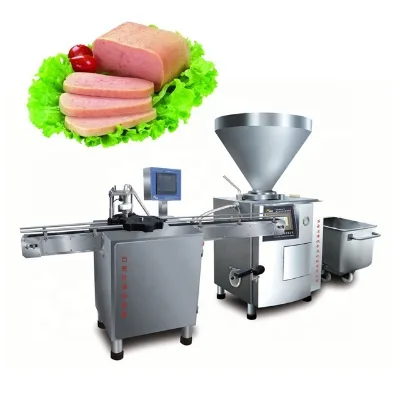
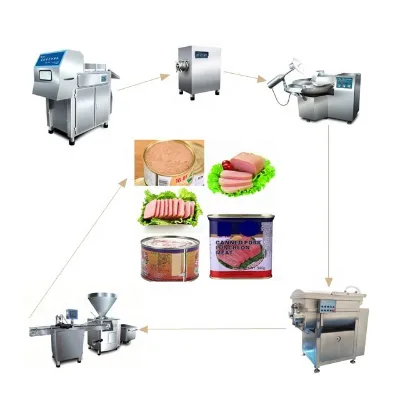

Canned Smoked Chicken Luncheon Meat Halal Spam Meat Automatic Canning Machine
$19000.00 - $190000.00
MOQ: 1 Pieces


Automatic Luncheon Meat Weighing Filling Machine Food Canning Machinery
$60000.00 - $200000.00
MOQ: 1 Sets

Tin Food Luncheon Meat Canned Production Line Luncheon Meat Canning Machine
$19000.00 - $190000.00
MOQ: 1 Sets


Customizable Lunch Meat Filling Machine Canning Line for Canned Ground Pork Beef
$19000.00 - $190000.00
MOQ: 1 Sets

Manufacturer Canned Food Pork Luncheon Meat Paste Canning Line Production Machine
$13000.00 - $67000.00
MOQ: 1 Sets

High Capacity Canned Fish Luncheon Meat Pork Canned Food Canning Production Line
$13000.00 - $67000.00
MOQ: 1 Sets


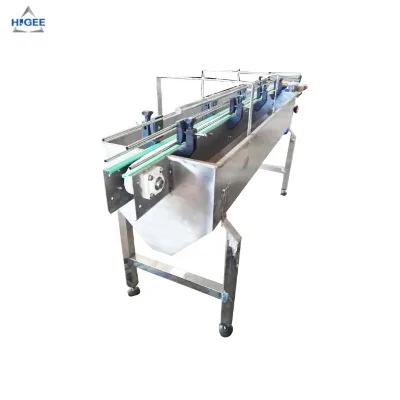
Full Automatic Canned Lobster Meat Canning Machine Luncheon Meat Can Production Line
$81483.14 - $203707.85
MOQ: 1 sets

Automatic Canned Food Production Line Beans, Corn, Mushroom Canning Machine
$20000.00 - $250000.00
MOQ: 1 set

Beef Meat Canning Machine Sardine Tuna Fish Canned Machine Tin Can Sealing Machine
$20000.00 - $40000.00
MOQ: 1 Sets


Automatic High Quality Beans Canning Machinery Food Process Making Machine
$42000.00 - $45000.00
MOQ: 1 Sets


High Efficiency Canned Luncheon Meat Packing Machine for Food Industry
$3000.00 - $50000.00
MOQ: 1 Pieces
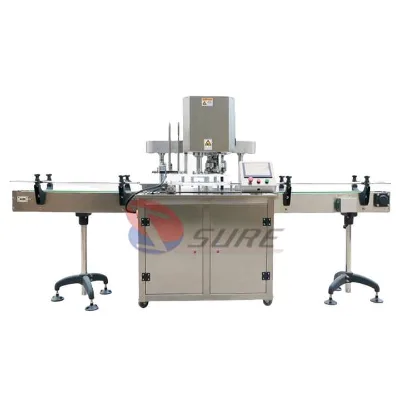

Automatic Filling and Sealing Machine for Canned Sausage Ham and Luncheon Meat
$11125.00 - $12015.00
MOQ: 1 Pieces

Automatic Pet Food Canning Filling Machine for Canned Meat Production Line
$11125.00 - $12015.00
MOQ: 1 Pieces

Six-Head Canned Food Production Line Filling Machine for Chicken Corned Beef Luncheon Meat
$11125.00 - $12015.00
MOQ: 1 Pieces

Automatic Can Filling and Sealing Machine for Meat and Vegetable Stew Cans
$11125.00 - $12015.00
MOQ: 1 Pieces
Comprehensive Sourcing Guide
Strategic Sourcing Guide for Automatic Luncheon Meat Canning Machinery
Selecting the correct Automatic Luncheon Meat Canning Machine is a critical decision that directly impacts production efficiency, product consistency, and long-term operational costs. For procurement professionals in the food processing sector, the market offers a range of specialized equipment designed to handle the unique challenges of meat canning, from vacuum filling to thermal processing. This guide synthesizes available market data to provide a disciplined framework for evaluating suppliers and specifications, ensuring that buyers make informed decisions based on verified attributes rather than marketing assertions. The following sections detail the technical requirements, compliance standards, cost structures, and evaluation criteria necessary for a successful procurement cycle.
Technical Specifications and Operational Capabilities
The core of any luncheon meat production line lies in its mechanical and electrical specifications. Based on observed market data, modern automatic machines typically feature an automatic grade that allows for continuous operation with minimal human intervention. A critical specification to verify is the production capacity, which varies significantly depending on the specific model and configuration. Available data indicates production capacities ranging from 600kg/H to variable outputs that can be customized based on output requirements. Buyers must align these figures with their actual throughput needs to avoid bottlenecks or underutilized assets.
Power consumption is another vital technical parameter. Observed units demonstrate power ratings such as 8.5KW or configurations combining 6500W and 8500W components. These figures suggest that the machinery relies on substantial electrical input to drive motors, pumps, and control systems. The standard voltage for these industrial units is typically 380V, often operating at 50Hz or 60Hz, with a three-phase power supply (3pH) being the norm. When evaluating a specific machine, procurement teams should confirm that the facility's electrical infrastructure can support these specific voltage and phase requirements to prevent operational disruptions.
The mechanical composition of the machine is equally important. High-confidence data points to the inclusion of core components such as motors, PLCs (Programmable Logic Controllers), and pumps. The PLC is essential for managing the automated sequence of filling, sealing, and processing, ensuring precision and repeatability. Some advanced configurations also integrate specific brands for transducers and electrical elements, such as Danfoss and Schneider, which are recognized for reliability in industrial automation. The filling principle often employed in these systems is vacuum filling, which is crucial for removing air pockets in luncheon meat cans to extend shelf life and ensure product quality. The dosing device is frequently a plunger type, offering the necessary force and accuracy for viscous meat products.
Compliance, Certification, and Material Standards
In the food processing industry, compliance with safety and quality standards is non-negotiable. When sourcing automatic luncheon meat canning machines, buyers must rigorously verify the certifications held by the manufacturer. While general industry standards like ISO9001 and CE are often referenced, the specific certifications provided by suppliers must be confirmed through documentation. Observed listings indicate that machines may come with certificates such as CE, SGS, and ISO, alongside specific machinery test reports that are provided upon request. These documents serve as evidence that the equipment meets international safety and performance benchmarks.
Material selection is a primary determinant of hygiene and durability. The standard material for food contact surfaces in these machines is stainless steel, which resists corrosion and facilitates easy cleaning. This is a critical feature given the nature of meat products, which are prone to bacterial growth if equipment is not maintained to high sanitary standards. The design should prioritize features such as "Easy to Clean" and simple operation, reducing the risk of contamination and minimizing downtime for maintenance. Buyers should inspect the surface finish of the stainless steel and verify that all gaskets and seals are food-grade.
Additionally, the packaging of the machine itself is a logistical consideration. Units are often shipped in wooden cases to protect the machinery during transit. The origin of the machinery, such as Hebei or Shanghai in China, can influence the supply chain dynamics, but the primary focus should remain on the quality of the components and the validity of the certifications. Procurement teams should request copies of the machinery test reports and certification documents before finalizing any purchase to ensure that the equipment complies with the regulatory requirements of the destination market.
Cost Drivers and Pricing Structures
Understanding the cost drivers for automatic luncheon meat canning machines is essential for budgeting and financial planning. The observed price range in the market is extensive, spanning from $1,500 to $3,000,000. This wide variance is not indicative of a single product type but rather reflects the complexity of the system, ranging from standalone filling units to complete production lines. A standalone machine with basic functions will naturally be priced lower than a fully integrated line that includes thermal processing, sealing, and automated packaging.
Several factors influence the final price. First, the level of customization plays a significant role. Many suppliers offer customized dimensions, production capacities, and functional modules. The ability to customize the machine to fit specific factory layouts or output targets often adds to the cost. Second, the quality of core components, such as the brand of the motor, PLC, and electrical elements, directly impacts the price. Machines equipped with premium brands like Schneider or Danfoss may command a higher price point due to their reliability and longevity.
The weight of the machinery is another indicator of cost and complexity. Observed weights range from 1,000 kg to 2,500 kg, suggesting that larger, more robust machines with higher capacities are heavier and likely more expensive. Buyers should also consider the "Selling Units," which are typically listed as single items, meaning the price quoted is for the entire unit rather than a per-piece cost. It is crucial to distinguish between the price of a basic filling machine and a comprehensive production line that handles multiple stages of the canning process.
Typical Applications and Production Versatility
While the core keyword focuses on luncheon meat, the versatility of these machines is a key selling point. The primary application is for canned luncheon meat, but many systems are designed to handle a variety of canned fruits and vegetables as well. This flexibility allows manufacturers to utilize the same equipment for different product lines, maximizing return on investment. The packaging types supported by these machines include tin cans, glass bottles, and plastic containers, providing adaptability to different market preferences.
The filling principle of vacuum filling is particularly advantageous for luncheon meat, as it ensures that the product is packed tightly without air pockets, which is essential for preservation. The single-head filling valve is a common configuration, but the system can often be upgraded or customized to handle higher speeds or different can sizes. The production capacity, ranging from 50-100% of design specifications depending on the product, allows for scalability. Buyers should assess whether the machine can handle the specific viscosity and particle size of their luncheon meat formulations to ensure smooth operation.
Supplier Evaluation and Quality Assurance
Evaluating suppliers requires a focus on their track record, support services, and transparency. A critical aspect of supplier evaluation is the warranty period, which is typically 1 year for these machines. However, the after-warranty service is equally important. Buyers should verify that the supplier offers online support and other forms of assistance to ensure minimal downtime in the event of a malfunction. The availability of a machinery test report is a strong indicator of a supplier's confidence in their product's performance.
When assessing a supplier, procurement teams should look for evidence of their production capacity and the origin of the machinery. Suppliers based in regions like Hebei or Shanghai have established industrial ecosystems, but the specific capabilities of the supplier must be verified. The "Automatic Grade" of the machine should be confirmed as truly automatic, with minimal manual intervention required. Buyers should also check if the supplier offers customization services, as this can be a significant differentiator in meeting specific production needs.
Quality control should be integrated into the procurement process. This includes verifying the material quality, such as the use of stainless steel, and checking the certifications like CE and SGS. The supplier should provide detailed documentation regarding the electrical elements and core components used in the machine. By demanding transparency and evidence of quality, buyers can mitigate the risks associated with purchasing complex industrial machinery.
Long-Term Procurement and Operational Considerations
Long-term success with automatic luncheon meat canning machinery depends on factors beyond the initial purchase. The maintenance requirements, spare parts availability, and the ease of operation are critical for sustained productivity. Machines with simple operation and easy-to-clean features reduce the burden on maintenance staff and minimize the risk of operational errors. The warranty period of 1 year provides a baseline for support, but the long-term viability of the machine depends on the supplier's ability to provide ongoing technical assistance.
Buyers should also consider the scalability of the equipment. As production demands grow, the ability to upgrade the machine or integrate it into a larger production line becomes important. The customization options available, such as adjusting the production capacity or changing the packaging types, allow for future-proofing the investment. Additionally, the energy efficiency of the machine, indicated by its power consumption, can impact long-term operating costs. Machines with optimized power ratings, such as 8.5KW or specific dual-motor configurations, may offer better energy efficiency than less optimized models.
Finally, the procurement process should include a thorough review of the supplier's reputation and customer feedback. While specific supplier names should not be recommended, the general market data suggests that buyers should prioritize suppliers who provide comprehensive documentation, including machinery test reports and certification copies. By focusing on these long-term considerations, buyers can ensure that their investment in automatic luncheon meat canning machinery delivers consistent value and operational efficiency for years to come.
Comparative Analysis of Key Machine Attributes
To facilitate decision-making, the following table summarizes the key attributes observed in the market for automatic luncheon meat canning machines. This comparison highlights the variability in specifications and helps buyers identify the features most relevant to their specific needs.
| Attribute | Observed Range / Common Value | Relevance to Procurement |
|---|---|---|
| Production Capacity | 600kg/H to Customized (50-100%) | Determines throughput and line sizing. |
| Power Consumption | 8.5KW or 6500W+8500W | Impacts electrical infrastructure requirements. |
| Voltage | 380V (50/60Hz) | Must match facility power supply. |
| Core Components | Motor, PLC, Pump | Indicates automation level and reliability. |
| Material | Stainless Steel | Critical for hygiene and corrosion resistance. |
| Filling Principle | Vacuum | Essential for product quality and shelf life. |
| Warranty | 1 Year | Standard baseline for support coverage. |
| Certifications | CE, SGS, ISO (Verified via docs) | Required for regulatory compliance. |
| Packaging Types | Tin, Glass, Plastic | Determines product versatility. |
| Origin | Hebei, Shanghai (China) | Influences logistics and lead time. |
This table serves as a reference point for buyers to compare different offerings and ensure that the selected machine meets the specific technical and operational requirements of their production facility. By systematically evaluating these attributes, procurement professionals can make data-driven decisions that align with their strategic goals.
FAQs
What core components are included in the Automatic Luncheon Meat Canning Machine?
The machine includes motors, PLCs, and pumps as core components. Some models also feature Danfoss transducers and Schneider electrical elements for reliable automation and precise control during the canning process.
Can the production capacity be customized for specific output needs?
Yes, the automatic grade allows customization according to output requirements. While standard capacities range from 600kg/H to variable outputs, buyers can request specific configurations to match their production targets.
What voltage and power supply does the machinery require for operation?
The equipment typically operates on 380V 50Hz or 60Hz three-phase power. Power consumption varies by model, with observed ratings including 8.5KW or combined 6500W and 8500W configurations for different operational needs.
Which certifications and test reports are provided with the machine?
Machines often come with CE, SGS, and ISO certificates alongside a provided machinery test report. These documents verify compliance with safety standards and confirm the equipment meets international performance benchmarks for food processing.
How is the machine packaged for shipping and what is the warranty period?
The unit is shipped in a wooden case to ensure protection during transit. A standard one-year warranty is included, with after-warranty service typically provided through online support for technical assistance.
What materials are used for food contact surfaces in the production line?
Food contact surfaces are constructed from stainless steel to ensure hygiene and durability. This material choice supports easy cleaning and prevents corrosion, which is critical for maintaining safety standards in meat canning applications.