Source Automatic Patty Making Burger Press for Fast Food
Find 30 Automatic Patty Making Burger Press units from verified Chinese manufacturers. Buyers can compare models like BG-100 and HT-RB100, review capacities ranging from 35 to 300kg per hour, and evaluate power sources and certifications before requesting quotes.
Key considerations
Products List


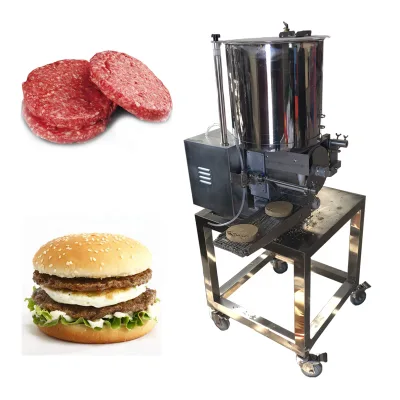
Automatic Burger Press Making Equipment Hamburger Patty Machine Commercial
$3800.00 - $58000.00
MOQ: 1 Pieces


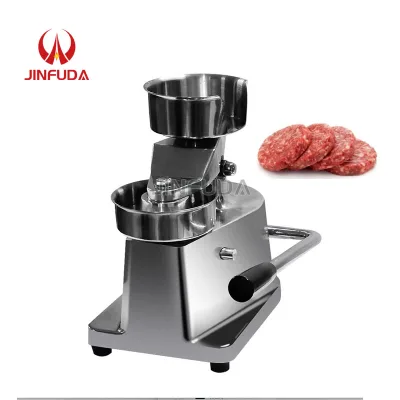
Burger Press / Burger Press Patty Maker / Meat Pie Machine / Meat Patty Machine
$1089.00 - $2489.00
MOQ: 1 SET




Comprehensive Sourcing Guide
Strategic Sourcing Guide for Automatic Patty Making Burger Press Equipment
Procuring an Automatic Patty Making Burger Press represents a significant capital investment for food processing facilities aiming to standardize output and enhance operational efficiency. The market for these machines is characterized by a diverse range of configurations, from compact units suitable for small-scale production to high-speed industrial systems designed for mass manufacturing. Buyers must navigate a complex landscape of technical specifications, material standards, and compliance requirements to ensure the selected equipment aligns with their specific production needs. This guide synthesizes available product data and industry knowledge to provide a structured approach for evaluating potential suppliers and selecting the right machinery.
Technical Specifications and Operational Capabilities
The core functionality of an Automatic Patty Making Burger Press relies on precise mechanical control to ensure consistent weight, shape, and texture. When evaluating equipment, the primary focus should be on the production capacity and the versatility of the forming process. Available data indicates that capacity can vary significantly, with some units operating at rates of approximately 35 pieces per minute, while others are designed for throughput ranging from 200 to 300 kilograms per hour. This disparity suggests that buyers must clearly define their volume requirements before initiating the sourcing process.
The physical dimensions and power requirements are equally critical for facility planning. Observed specifications for certain models indicate an overall dimension of 860mm by 600mm by 1400mm, which necessitates specific floor space allocation. Power consumption also varies, with observed ratings including 0.55kw, 0.75kw, and higher industrial loads up to 13.25kw. These figures are not universal but represent specific configurations found in the market. Buyers should verify the voltage requirements, as some units operate on 380V, which is standard for industrial three-phase power in many regions.
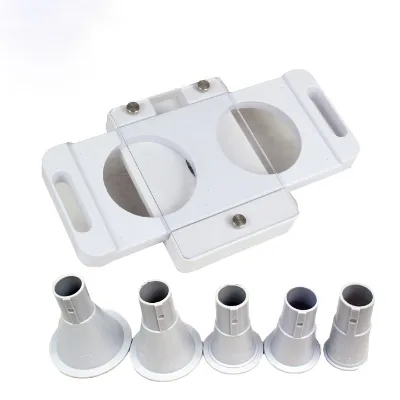
The forming mechanism itself often involves specific parameters regarding pressure and speed. Data points suggest that filling pressure can range from 3 to 15MPa, while the forming frequency may operate between 15 and 60 times per minute. The machine must accommodate specific product dimensions; for instance, the maximum diameter for hamburger patties is noted as 150mm, and the thickness of the formed product can typically be adjusted between 6mm and 40mm. Additionally, the mesh belt width for conveyor-based systems is observed at 100mm in certain configurations. These variables dictate the machine's ability to handle different patty sizes and shapes, making it essential to match the equipment's mechanical limits with the desired product specifications.
Material Standards and Construction Quality
The durability and hygiene of the equipment are paramount in food processing environments. The construction material is a primary indicator of quality and longevity. The most common standard observed in high-quality units is 304 Stainless Steel, often referred to as SUS 304. This material grade is preferred for its resistance to corrosion and ease of cleaning, which are critical for maintaining food safety standards. Some listings explicitly mention "Food Grade Stainless Steel" as a material attribute, reinforcing the necessity of verifying that all contact surfaces meet these rigorous standards.
Beyond the primary material, the overall build quality includes the standard of the machine's frame and components. While some specifications list "BG" or "BG100" as standards, these often refer to specific model series or internal designations rather than universal industry standards. Buyers should prioritize machines that explicitly state compliance with international food safety material standards. The packing method, such as "Fumigation-Free Wooden Case" or "in Wooden Box," also reflects the manufacturer's attention to export readiness and protection during transit, though this is a logistical detail rather than a technical performance metric.
Compliance, Certification, and Safety Standards
Navigating the regulatory landscape is a critical step in the procurement of industrial food machinery. Compliance with international certifications ensures that the equipment meets safety and quality benchmarks. The most frequently observed certifications in the market include CE, SGS, and ISO. The CE mark indicates conformity with health, safety, and environmental protection standards for products sold within the European Economic Area. SGS certification often relates to quality assurance and testing, while ISO certification implies adherence to international management system standards.
It is important to note that not every listed product may possess all certifications simultaneously. Buyers must treat certification claims as specific attributes of individual models rather than universal guarantees. The presence of a "Certificate: CE, SGS, ISO" on a product listing should be verified through official documentation from the supplier. Furthermore, the origin of the machinery, often listed as China or specific regions like Zhucheng and Henan, does not preclude high-quality standards, but it necessitates rigorous verification of the provided certificates. Buyers should request copies of these certificates to ensure they are current and applicable to the specific model being purchased.
Cost Drivers and Procurement Economics
The pricing of automatic patty making burger presses is influenced by a complex array of factors, including capacity, material quality, and the level of automation. The observed price range in the market is extensive, spanning from approximately 25.68 USD to 80,000 USD. This wide variance highlights the difference between basic, low-capacity units and fully automated, high-throughput industrial systems. The Minimum Order Quantity (MOQ) also varies, with observed ranges from 1 to 100 units, offering flexibility for both small businesses and large corporations.
When evaluating cost, buyers should look beyond the initial purchase price. The power consumption, such as the difference between a 0.55kw unit and a 13.25kw unit, will impact long-term operational expenses. Similarly, the weight of the machine, observed at 100kg for certain models, affects shipping costs and installation requirements. The inclusion of features like "Engineers Available to Service Machinery Overseas" adds value but may also influence the initial cost. Buyers must conduct a total cost of ownership analysis, considering energy efficiency, maintenance requirements, and the potential for customization, which is listed as an available attribute for many models.
Supplier Evaluation and After-Sales Support
Selecting the right supplier is as important as selecting the right machine. The availability of after-sales service is a critical differentiator in the market. A key attribute observed in high-value listings is "Engineers Available to Service Machinery Overseas." This capability is essential for international buyers who require technical support, troubleshooting, and maintenance assistance without the need to ship the entire machine back to the manufacturer.
Suppliers should be evaluated based on their transparency regarding product origins and specifications. The product origin is frequently listed as China, with specific mentions of regions like Henan. While this provides context, buyers should verify the supplier's track record and the authenticity of their claims. Customization is another vital factor; the ability to tailor the machine to specific production needs, such as adjusting the mesh belt width or modifying the forming pressure, can significantly enhance the machine's utility. Buyers should inquire about the extent of customization available and any associated costs or lead times.
Quality Control and Performance Verification
Ensuring the quality of the output is the ultimate goal of any patty making operation. The error rate of the machine is a key performance indicator, with observed data suggesting an error rate of less than 1%. This metric reflects the precision of the weighing and forming mechanisms. Buyers should request performance data or test results that validate these claims, as the actual error rate can vary based on the specific model and operational conditions.
The process of thermal processing is also relevant, particularly for machines that integrate cooking or pre-treatment functions. The classification of the machine as a "Meat Grinder" or "Meat Patty Machine" indicates its specific function within the production line. Buyers must ensure that the machine's capabilities align with their specific product requirements, such as the ability to handle different meat types or the need for specific filling pressures. The tank volume, observed at 30L for certain models, is another specification that impacts the machine's ability to handle continuous production without frequent refilling.
Long-Term Procurement Considerations
Sourcing an Automatic Patty Making Burger Press is a long-term decision that requires careful planning. The standard of the machine, whether listed as "BG" or specific model numbers like "HT-RB100," should be evaluated in the context of future scalability. As production demands grow, the ability to upgrade or replace the machine becomes crucial. The availability of spare parts and the manufacturer's support infrastructure are key factors in this regard.
Buyers should also consider the environmental and safety standards of the machine. The use of "Fumigation-Free Wooden Case" for packing indicates an awareness of international shipping regulations and environmental concerns. Additionally, the air pressure and water pressure requirements, observed at 6 Bar and 2bar respectively, must be compatible with the facility's existing utility infrastructure. By thoroughly evaluating these long-term factors, buyers can ensure that their investment in automatic patty making equipment yields sustained operational efficiency and product quality.
| Feature Category | Observed Data Points | Verification Requirement |
|---|---|---|
| Certification | CE, SGS, ISO | Request valid certificate copies |
| Material | 304 Stainless Steel, Food Grade | Verify material grade certificates |
| Capacity | 35 PCS/Min, 200-300kg/H | Match with production volume needs |
| Power | 0.55kw to 13.25kw | Confirm voltage compatibility (e.g., 380V) |
| Dimensions | 8606001400mm | Check facility floor space |
| Customization | Available | Define specific customization needs |
| Service | Engineers Available Overseas | Confirm service region and response time |
In conclusion, the procurement of an Automatic Patty Making Burger Press requires a meticulous approach that balances technical specifications, compliance standards, and long-term operational goals. By focusing on verified data and avoiding assumptions about universal product attributes, buyers can make informed decisions that enhance their production capabilities and ensure food safety. The wide range of available options, from compact units to high-capacity industrial systems, offers significant flexibility, provided that the selection process is grounded in rigorous evaluation and clear communication with suppliers.
FAQs
What certifications do automatic patty making burger presses typically have?
These machines commonly hold CE, SGS, and ISO certifications to ensure safety and quality compliance. Buyers should verify specific certificate copies for each model as not all units may possess every certification simultaneously.
How much capacity can an Automatic Patty Making Burger Press produce?
Production capacity varies significantly, with some units operating at about 35 pieces per minute while others handle 200 to 300 kilograms per hour. Buyers must define their volume requirements to select the appropriate model.
Can buyers customize the specifications of these burger press machines?
Yes, customization is available for many models to tailor the equipment to specific production needs. Buyers should inquire about the extent of customization options and any associated costs or lead times before purchasing.
Which material standards are used for the construction of these machines?
High-quality units are typically constructed from 304 Stainless Steel or Food Grade Stainless Steel for durability and hygiene. Buyers must verify that all contact surfaces meet these rigorous material standards to ensure food safety.
What is the error rate for the forming process on these machines?
The error rate for the weighing and forming mechanisms is observed to be less than 1 percent. This metric reflects the precision of the machine, though actual performance may vary based on specific operational conditions.
How does the power consumption vary across different automatic patty making models?
Power ratings range from 0.55kw for smaller units up to 13.25kw for high-capacity industrial systems. Buyers should confirm voltage compatibility, as some units operate on 380V standard industrial power.