Source Automatic Plug-in SMT Machine for PCB Assembly
Find and compare 30 Automatic Plug-in SMT Machine options from global suppliers. Evaluate specifications such as insertion speed, precision, and certification to select the right equipment for your manufacturing line.
Key considerations
Products List

Automatic SMT Terminal Insertion Machine for Connector/ Automatic Terminal Plug in Machine
$30000.00 - $100000.00
MOQ: 1 Pieces

SMT Electronic Component Plug in Tht Pick Place Automatic Terminal Insertion Machine
$25000.00 - $60000.00
MOQ: 1 Pieces


Tht DIP Components Insert SMT Assembly Automatic Plug-in Terminal Insertion Machine
$30000.00 - $60000.00
MOQ: 1 Pieces


SMT Assembly Line Terminal Insertion Machine Auto Heterotypic Horizontal Plug in Machine
$25000.00 - $50000.00
MOQ: 1 Sets

SMT Insertion Machine Supplier Horizontal Element Equipment Manufacturers SMT Plug in Machine
$89000.00 - $100000.00
MOQ: 1 Pieces


SMT Assembly Insertion Equipment Supplier Mirae Mai-H6t Manufacturers SMT Plug-in Machine
$19999.00 - $48888.00
MOQ: 1 Pieces

SMT Complete Line Insertion Equipment Supplier 6380A Manufacturers Universal SMT Plug-in Machine
$98000.00 - $99000.00
MOQ: 1 Pieces
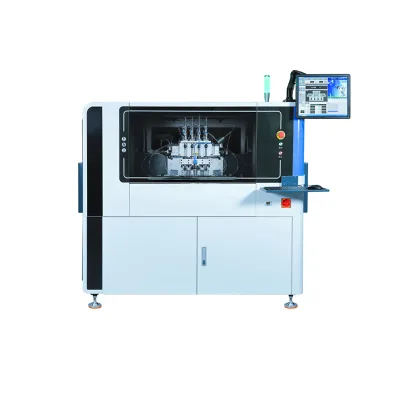


High Speed Insertion Auto Plug in Machine SMT Pick and Place Machine
$50000.00 - $55000.00
MOQ: 1 Pieces

Fast Speed SMT Insertion Machine Plug-in Machine Automatic LED Bulb Production Line
$50000.00 - $55000.00
MOQ: 1 Pieces


$20688.00 - $20888.00
MOQ: 1


High Performance Automatic SMT SMD Production Line Machines for Smart Factory
$80000.00 - $150000.00
MOQ: 1 Set
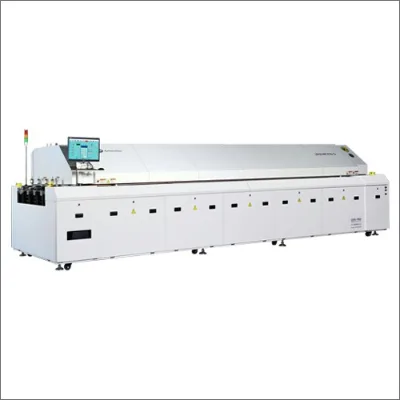

Plug Insert Pressing Machine / Plug Terminal Crimping Machine Automatic
$2000.00 - $4000.00
MOQ: 1 Sets


Comprehensive Sourcing Guide
Automatic Plug-in SMT Machine Sourcing Guide
Selecting the right automatic plug-in SMT machine requires a careful balance of technical precision, operational speed, and commercial viability. These machines are essential for high-volume electronics manufacturing, specifically designed to insert through-hole components into printed circuit boards (PCBs) with minimal human intervention. The procurement process must account for the specific mechanical constraints of your production line, including the physical dimensions of the PCBs and the variety of components being handled. Buyers must verify that the equipment aligns with their current and future production needs, ensuring that the machine’s capabilities match the complexity of the assemblies it will process.
The market for these machines is diverse, ranging from entry-level units to high-speed, fully automated systems. Observed listings indicate a wide price range, from approximately $300 to nearly $1,000,000, reflecting significant differences in automation levels, precision, and throughput. Similarly, the minimum order quantities (MOQ) vary from single units to large batches of up to 18,000 pieces, suggesting that suppliers cater to both small-scale prototyping and mass production environments. Understanding these market signals is crucial for budgeting and negotiating terms, as the cost structure often correlates directly with the machine’s speed, accuracy, and customization options.
Product Scope and Observed Listing Signals
The product scope for automatic plug-in SMT machines encompasses a variety of configurations, including vertical and horizontal insertion types. Listings frequently highlight machines capable of handling various types of special-shaped components, which is a critical feature for manufacturers dealing with non-standard parts. The observed data indicates that many machines are marketed as "New" and "Customized," suggesting that buyers can often tailor the equipment to specific production requirements. This customization is further supported by the availability of different models, such as the MD-8300, MD8700, and MD-8200, each potentially offering distinct advantages in terms of speed and precision.
Observed specifications reveal that these machines are typically constructed from metal, providing the durability required for industrial environments. The physical footprint of these units is substantial, with dimensions often around 195012001530mm and weights near 1500kg, indicating that facility planning must account for significant floor space and structural support. Furthermore, the machines are designed for automatic demoulding and are driven by electric motors, ensuring consistent performance without the variability associated with pneumatic or manual systems. Buyers should note that while some listings mention origins in Guangzhou, others may cite Japan, highlighting the global nature of the supply chain and the importance of verifying the actual manufacturing location.
Technical Specifications to Verify
When evaluating technical specifications, buyers must prioritize precision and speed metrics that directly impact production efficiency. Key attributes to verify include the plugin speed, which can range from 0.45 seconds per piece to super high-speed configurations, and the plug-in precision, often cited at 0.03mm. Motion accuracy is another critical factor, with some machines offering a precision of 0.001 per pulse, which is essential for high-density PCB assemblies. The loading and unloading time for PCBs, observed at around 3 seconds, also contributes to the overall cycle time and should be factored into throughput calculations.
The physical compatibility of the machine with your PCBs is equally important. Specifications often list a PCB size range, such as 5050mm to 380280mm, which defines the maximum and minimum board dimensions the machine can handle. Additionally, the air pressure requirements, typically between 5-6 kg/Cm2, must be compatible with your facility’s compressed air infrastructure. Buyers should also consider the mould life, which is often stated as exceeding a certain number of shots, as this affects long-term maintenance costs. Verifying these technical details ensures that the selected machine can seamlessly integrate into your existing production workflow without requiring extensive modifications.
Compliance and Safety Documentation
Compliance with international standards is a non-negotiable aspect of sourcing industrial machinery. Many listings indicate that machines carry CE certification, which is mandatory for selling and using products within the European Economic Area. Some suppliers also provide ISO and RoHS certifications, signaling adherence to quality management systems and restrictions on hazardous substances. It is crucial to verify the specific version of these certifications and ensure they are valid for the country of import, as regulatory requirements can vary significantly between regions.
In addition to product certifications, buyers should request documentation related to safety and operational standards. Standards such as ASTM may be referenced in listings, indicating that the machine meets certain material or performance benchmarks. For markets with strict regulatory environments, certifications like FDA, PSE, or CCC might be relevant, depending on the end-use of the electronics. Buyers must ensure that all provided documentation is authentic and up-to-date, as non-compliant equipment can lead to customs delays, legal liabilities, and operational shutdowns. Requesting a complete compliance package from the supplier before finalizing the purchase is a prudent step to mitigate these risks.
Cost Drivers and Commercial Terms
The cost of an automatic plug-in SMT machine is influenced by several factors, including the level of automation, precision, and customization options. High-speed models with advanced features typically command higher prices, while basic units may be more affordable but lack the throughput needed for large-scale production. The observed price range of $300 to $990,000 underscores the importance of defining your budget and performance requirements clearly before engaging with suppliers. Buyers should also consider the total cost of ownership, which includes maintenance, spare parts, and potential downtime, rather than just the initial purchase price.
Commercial terms such as MOQ, lead time, and warranty are critical components of the procurement agreement. While some suppliers offer an MOQ of just one piece, others may require larger orders, which can affect inventory management and cash flow. Lead times vary, with some suppliers promising delivery within 1-7 days, while others may have longer production schedules. Warranty periods also differ, with offerings ranging from 6 months to 12 months, impacting the risk profile of the purchase. Buyers should negotiate these terms carefully, ensuring that they align with their production schedules and financial planning, and that the supplier provides clear support for any post-purchase issues.
Supplier Qualification and Quality Control
Supplier qualification is essential to ensure that the equipment meets your quality and reliability standards. Buyers should verify the supplier’s production capabilities, including their ability to provide customized solutions and maintain consistent quality across batches. The observation that many machines are "100% Tested" before shipment is a positive indicator, but buyers should request detailed test reports and quality control procedures to validate these claims. Additionally, checking the supplier’s supply ability, such as 500 pieces per week, can help assess their capacity to meet your volume requirements.
Packaging and shipping methods are also important considerations, as they affect the condition of the machine upon arrival. Listings often mention wooden case or carton packing, which should be sufficient to protect the machine during transit. Buyers should ensure that the packaging meets international shipping standards and includes adequate shock absorption and moisture protection. Furthermore, verifying the supplier’s location, such as Guangzhou or Japan, can provide insights into their logistical capabilities and proximity to key markets. Establishing a clear communication channel with the supplier for technical support and after-sales service is also crucial for long-term operational success.
Long-Term Procurement Checks
Long-term procurement success depends on the supplier’s ability to provide ongoing support and maintenance. Buyers should inquire about the availability of spare parts, technical documentation, and training services to ensure that their team can operate and maintain the machine effectively. The warranty period, whether 6 or 12 months, should be clearly defined, including what components are covered and the response time for service requests. Additionally, buyers should consider the machine’s upgrade potential, as technology evolves rapidly in the SMT industry, and the ability to upgrade can extend the machine’s useful life.
Regular performance monitoring and preventive maintenance are also key to maximizing the machine’s lifespan and efficiency. Buyers should establish a maintenance schedule based on the supplier’s recommendations and the machine’s usage intensity. Tracking key performance indicators, such as plugin speed and precision, can help identify potential issues before they lead to costly downtime. Finally, maintaining a good relationship with the supplier can facilitate access to new models and technologies, ensuring that your production line remains competitive in the long run. By focusing on these long-term factors, buyers can make informed decisions that support sustainable growth and operational excellence.
FAQs
What certifications do the automatic plug in smt machines have?
The machines hold CE, ISO, RoHS, FDA, PSE, and CCC certifications. Some models specifically list CE or ISOCE standards. These certifications ensure compliance with international safety and quality requirements for industrial equipment.
How fast is the plug-in speed of these machines?
Plug-in speeds vary by model, with some achieving 0.45 seconds per piece. Other specifications indicate insertion speeds of 0.8 seconds per piece. High-speed variants are also available for demanding production environments.
What is the minimum order quantity for these machines?
The minimum order quantity starts at 1 piece for certain models. Other listings show MOQs up to 18,000 units depending on the specific configuration. Buyers should verify the exact MOQ for their selected model.
Can these machines be customized for specific needs?
Yes, customization is available for these automatic plug-in machines. Buyers can request specific adaptations for different component types or production requirements. Customized options allow for tailored solutions to unique manufacturing challenges.
Where are these machines manufactured and shipped from?
Products originate from Guangzhou and Guangzhou-Guangdong in China. Some listings also indicate origins in Japan. The specific shipping location depends on the manufacturer and the selected product model.
What is the warranty period for these machines?
Warranty periods range from 6 months to 12 months depending on the model. Some units come with a 12-month warranty while others offer 6 months. Buyers should confirm the specific warranty terms for their purchase.
What are the dimensions and weight of the machines?
Dimensions are typically 1950 by 1200 by 1530 millimeters. The weight is approximately 1500 kilograms for standard models. These specifications apply to the main unit and may vary slightly based on the specific configuration.