Source Automatic PLC Tortilla Press for Samosa Empanada Bread
Find and compare 30 Automatic PLC Tortilla Press units from verified Chinese factories. Buyers can evaluate capacity, voltage, and customization options for dough processing in samosa, empanada, and bread production lines.
Key considerations
Products List


Hydraulic Tortilla Press Chapati Roti Machines Corn Tortilla Making Machine
$4800.00 - $8800.00
MOQ: 1 set


Automatic Tortilla Heat Press Machine Corn & Flour Tortilla Forming Machine
$12356.00 - $213256.00
MOQ: 1 Pieces

Hydraulic Tortilla Heat Press Machine Mexican Tortilla Forming Equipment
$12356.00 - $213256.00
MOQ: 1 Pieces

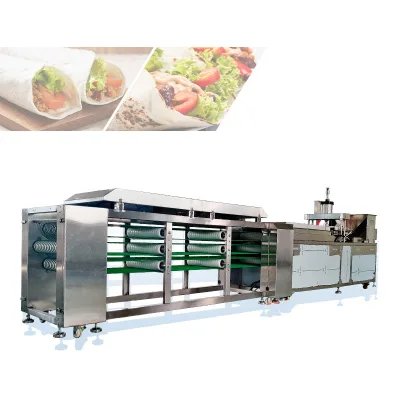

Automatic Tortilla Tacos Press Roti Machine Corn Flour Wheat Tortilla Making Machine
$2500.00 - $5500.00
MOQ: 1 Pieces


Tortilla Machine Taco Roti Maker Press Bread Grain Product Tortilla Making Machine
$4500.00 - $8000.00
MOQ: 1 Pieces
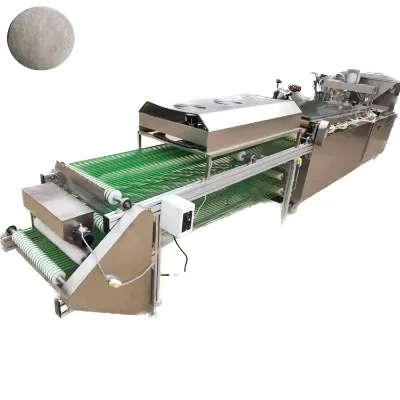
China Manufacturer Electric Heating Tortilla Machine Tortilla Bread Making Machine
$11242.12 - $13183.95
MOQ: 1 sets
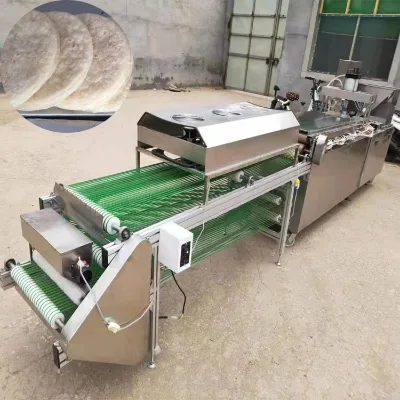

Automatic Tortilla Making Machine Commercial Corn Mexican Tortilla Machine
$680.00 - $750.00
MOQ: 1 Pieces

Tortilla Bread Machine Tortilla Roti Maker Machine Corn Tortilla Maker
$680.00 - $750.00
MOQ: 1 Pieces

Constant Temperature Tortilla Press Multi-Functional Flour Tortilla Machine
$7500.00 - $11000.00
MOQ: 1 Pieces


Automatic Mexican Tortilla Production Machine High Capacity Industrial Use
$7000.00 - $10000.00
MOQ: 1 Pieces
Comprehensive Sourcing Guide
Strategic Sourcing Guide for Automatic PLC Tortilla Press Systems
Understanding the Technical Architecture and Operational Specifications
When evaluating an Automatic PLC Tortilla Press, the primary focus must be on the integration of control systems with mechanical forming capabilities. The core of these machines typically relies on a Programmable Logic Controller (PLC) to manage the precision of dough pressing, heating, and conveyor movement. Based on available market data, these units are engineered to handle a specific voltage profile, commonly operating at 220V, which is a critical parameter for electrical compatibility in various regional markets. The power consumption for such automated systems generally centers around 400W, indicating a balance between energy efficiency and the mechanical force required for consistent dough shaping.
The mechanical design often features a round shape for the pressing mechanism, which is essential for producing uniform circular tortillas. The capacity of these machines varies, with observed performance metrics ranging from 40 to 50 pieces per minute for standard models, while more advanced configurations may achieve speeds between 30 and 60 pieces per minute. This throughput capability is directly linked to the application versatility of the equipment. While primarily designed for tortillas, the functional scope often extends to other dough-based products such as samosas, empanadas, and general bread items, making the machine a multi-functional asset for commercial kitchens and industrial bakeries.
A critical technical specification to verify is the dough size range. The equipment is capable of processing dough sizes ranging from 5cm to 32cm in diameter, offering significant flexibility for different product lines. Specific models, such as those designated by codes like SR-YMMBJ or QD-YMB1, may have distinct physical dimensions and output rates. For instance, one configuration specifies a conveyor mesh belt length of 400mm, which influences the heating or cooling time the dough undergoes during the pressing cycle. Buyers must ensure that the physical footprint of the machine, often cited with standard dimensions like 680400400mm or 605040cm, fits within their existing facility layout. The weight of these units is substantial, with some models weighing up to 50kg, necessitating a reinforced floor and careful logistics planning for installation.
Compliance Verification and Certification Standards
In the B2B procurement of food processing machinery, compliance is not merely a formality but a fundamental requirement for market access and operational safety. The supply chain for automatic PLC tortilla presses typically involves manufacturers who adhere to international safety and quality standards. When evaluating potential suppliers, buyers should look for specific certifications that validate the machine's adherence to these rigorous protocols. Commonly observed certifications in this sector include CE, ISO, TUV, and LFGB.
The CE marking indicates conformity with health, safety, and environmental protection standards for products sold within the European Economic Area. The ISO certification suggests that the manufacturer follows international standards for quality management, which is crucial for maintaining consistent product quality over time. LFGB certification is particularly relevant for food contact materials, ensuring that the stainless steel components and other parts of the machine do not leach harmful substances into the food product. TUV certification further reinforces the safety and reliability of the electrical and mechanical systems.
It is imperative for buyers to treat these certifications as observations of specific listed products rather than universal guarantees for every machine in the category. While the presence of these marks is a strong indicator of compliance, the buyer must request and verify the actual certification documents for the specific model under consideration. The standard dimensions and material composition, such as the use of stainless steel, are also key factors in compliance. Stainless steel is the preferred material for food machinery due to its corrosion resistance and ease of cleaning, which are essential for maintaining hygiene standards. Buyers should verify that the stainless steel grade meets the specific requirements of their local food safety regulations.
Cost Drivers and Pricing Structure Analysis
The pricing structure for automatic PLC tortilla presses is influenced by a complex interplay of factors, including customization, capacity, and the level of technological integration. The observed price range for these machines in the current market spans from approximately $489 to $213,256. This wide variance indicates that the cost is not solely determined by the base machine but is heavily dependent on the specific configuration and value-added services included in the purchase.
One of the primary cost drivers is the customization capability. Many suppliers offer the ability to customize the mold size and shape to meet specific product requirements. For example, the ability to produce tortillas with diameters of 20cm, 25cm, or 30cm, or to customize these dimensions further, adds value and complexity to the manufacturing process, thereby influencing the final price. The inclusion of advanced PLC systems and the precision engineering required for high-speed operations (up to 60 pcs/min) also contribute to higher price points.
Additionally, the packaging and shipping logistics play a significant role in the total cost of ownership. The machines are typically packed in standard export wooden boxes or fumigation-free wooden cases to ensure safe transport. The weight of the machine, often around 50kg, and its dimensions affect shipping costs, which can vary significantly depending on the destination. Buyers should also consider the potential for discounts, particularly for first-time cooperations, as many suppliers offer competitive pricing to establish long-term relationships. However, these discounts should be weighed against the total cost of the transaction, including shipping and any potential import duties.
Typical Applications and Production Versatility
The versatility of automatic PLC tortilla presses makes them suitable for a wide range of applications beyond just traditional tortilla production. The primary application is the mass production of tortillas, but the machine's design allows for the processing of various other dough-based products. This versatility is a key advantage for businesses looking to diversify their product lines without investing in multiple specialized machines.
The machine is capable of handling dough for samosas, empanadas, and bread, making it a valuable asset for commercial bakeries and food processing plants. The ability to adjust the dough size and the speed of operation allows for the production of different product types with minimal downtime. For instance, the mold customization feature enables the production of tortillas in various sizes, catering to different market preferences and packaging requirements.
The high efficiency of these machines is another critical factor in their application. With production speeds ranging from 40 to 50 pieces per minute, or even up to 60 pieces per minute in some models, these machines can meet the high-volume demands of commercial operations. The ease of operation and the professional product and service team support ensure that the machines can be integrated into existing production lines with minimal disruption. The application of these machines extends to both small-scale operations and large industrial facilities, providing a scalable solution for dough processing needs.
Supplier Evaluation and Service Capabilities
Selecting the right supplier is a critical step in the procurement process for automatic PLC tortilla presses. Buyers should prioritize suppliers who demonstrate a strong track record of providing professional products and services. The supplier's status as a factory-direct supplier is a significant indicator of reliability, as it often implies better control over quality and pricing. Buyers should verify the supplier's claim of being a factory directly supply, as this can impact the lead time and the overall cost of the machine.
Service capabilities are another essential factor in supplier evaluation. Buyers should look for suppliers who offer comprehensive after-sales support, including video technical support and online assistance. The availability of a professional product and service team is crucial for troubleshooting any issues that may arise during the operation of the machine. Additionally, the supplier's commitment to providing technical support for the lifetime of the product is a strong indicator of their confidence in the quality of their equipment.
Logistics and delivery are also important considerations. Buyers should inquire about the delivery time, which can vary depending on the shipping method. For example, air freight typically takes 8-12 days, while sea freight may take 30-60 days. The supplier's ability to offer door-to-door service can simplify the logistics process and reduce the burden on the buyer. Furthermore, the supplier's willingness to offer discounts for first-time cooperation can be a significant factor in the overall cost of the procurement.
Quality Control and Long-Term Procurement Considerations
Ensuring the quality of the Automatic PLC Tortilla Press is paramount for long-term operational success. Buyers should implement a robust quality control process that includes verifying the materials used, such as stainless steel, and checking the certifications of the machine. The standard dimensions and weight of the machine should be verified against the supplier's specifications to ensure that the machine meets the buyer's requirements.
Long-term procurement considerations include the availability of spare parts and the supplier's commitment to after-sales support. Buyers should ensure that the supplier provides a comprehensive warranty and is responsive to any maintenance needs. The ability to customize the mold and other components is also a key factor in the long-term viability of the machine, as it allows for adaptation to changing market demands.
Finally, buyers should consider the total cost of ownership, including energy consumption, maintenance costs, and potential downtime. The power consumption of 400W and the capacity of 40-50 pcs/min are important metrics to consider when evaluating the efficiency of the machine. By carefully evaluating these factors, buyers can make informed decisions that ensure the long-term success of their operations.
Summary of Key Specifications and Comparison
To facilitate a clear comparison of the available options, the following table summarizes the key specifications observed in the market data. This table highlights the variations in capacity, dimensions, and certifications that buyers should consider when selecting a machine.
| Specification | Model A (SR-YMMBJ) | Model B (QD-YMB1) | Model C (HT-YMB60) |
|---|---|---|---|
| Capacity | 40-50 PCS/Min | 40-50/Min | 30-60 pcs/min |
| Dimensions | 680400400mm | 605040cm | 680430430mm |
| Weight | Not Specified | 50kg | Not Specified |
| Voltage | 220V | Not Specified | Not Specified |
| Power | 400W | Not Specified | Not Specified |
| Material | Stainless Steel | Stainless Steel | Stainless Steel |
| Certifications | LFGB, TUV, CE, ISO | CE, ISO | CE |
| Dough Size | 5-32cm | Not Specified | 20cm, 25cm, 30cm |
| Packing | Wood Packing | Standard Export Wooden Box | Fumigation-Free Wooden Case |
| Origin | China | Henan China | Henan, China (Mainland) |
This comparison underscores the importance of verifying specific details for each model, as the specifications can vary significantly. Buyers should use this data as a starting point for their due diligence, ensuring that the selected machine meets their specific operational needs and regulatory requirements.
FAQs
What certifications do automatic plc tortilla presses typically have?
These machines typically hold CE, ISO, TUV, and LFGB certifications. These marks indicate compliance with safety and food contact standards, but buyers must verify specific documents for each model rather than assuming universal coverage.
How fast can an Automatic PLC Tortilla Press produce units?
Production speeds generally range from 40 to 50 pieces per minute, with some advanced models reaching 60 pieces per minute. This capacity allows for efficient mass production of tortillas and other dough-based items like samosas.
Can the mold size be customized for specific dough requirements?
Yes, the mold can be customized according to the required size, supporting diameters from 5cm to 32cm. This flexibility allows manufacturers to produce various product lines without needing multiple specialized machines.
What is the typical lead time for delivery by air or sea?
Delivery by air typically takes 8 to 12 days, while sea freight requires 30 to 60 days. These timelines apply to standard shipping methods and may vary based on the specific destination and logistics provider.
What material is used to construct the main body of the machine?
The main body is constructed from stainless steel to ensure durability and hygiene. This material is essential for food processing equipment as it resists corrosion and is easy to clean for maintaining safety standards.
Is the minimum order quantity flexible for first-time buyers?
The minimum order quantity is often just one set, making it accessible for new buyers. Suppliers frequently offer discounts for first-time cooperation, providing competitive pricing to establish long-term business relationships.
What after-sales support services are available for these machines?
Support services include video technical support, online assistance, and lifetime technical guidance. A professional team is available to help troubleshoot issues, ensuring minimal downtime and continued operational efficiency for the buyer.