Source Automatic Sausage Knotting Machine for Food Factory Meat Industry Processing
Compare 30 automatic sausage knotting machines from verified suppliers. These units feature electric power sources, stainless steel bodies, and CE, SGS, and ISO certifications for efficient sausage tying in food factories and meat industries.
Key considerations
Products List


Hot Selling Automatic Sausage Clipper Sausage Filling Knotting Machine
$2000.00 - $4000.00
MOQ: 1 Pieces

High Quality Sausage Knotting Tie Machine for Creating Perfect Sausages!
$1670.00 - $6100.00
MOQ: 1 Pieces


Automatic Sausage Production Machine Sausage Make Machine Production Line
$2400.00 - $36000.00
MOQ: 1 Pieces
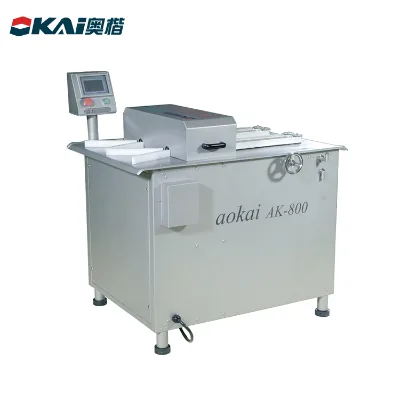
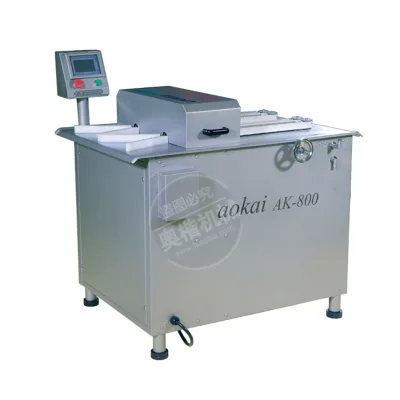
High Quality Sausage Tying Machine Commercial Machine for Knot Sausages
$10700.00 - $10900.00
MOQ: 1 sets


Automatic Sausage Machine Sausage Tying Machine Sausage Binding Machine
$13200.00 - $19800.00
MOQ: 1 Pieces

Sausage Tying Linking Machine Sausage Binding Wire Machine Sausage Knotting Machine
$180.00 - $330.00
MOQ: 1 Pieces

Sausage Tie Linker Sausage Tying Linking Machine Sausage Knotting Machine
$180.00 - $330.00
MOQ: 1 Pieces

Sausage Manual Tying Machine Sausage Knotting Machine Sausage Linker Machine
$180.00 - $330.00
MOQ: 1 Pieces

Manual Hand Rolling Sausage Tying Knotting Machine Sausage Tying Machine
$180.00 - $330.00
MOQ: 1 Pieces


Stainless Steel Sausage Linker Knot Tying Machine for Sausage Sausage Tying Machine
$2030.00 - $2150.00
MOQ: 1 Pieces

Comprehensive Sourcing Guide
Strategic Sourcing Guide for Automatic Sausage Knotting Equipment
Procuring specialized machinery for the meat processing industry requires a disciplined approach that balances technical precision with supply chain reliability. The Automatic Sausage Knotting Machine represents a critical node in production lines designed to enhance efficiency and reduce manual labor. For buyers operating in food factories and the broader meat industry, understanding the specific attributes of these machines is essential before engaging with suppliers. This guide synthesizes available product data and industry standards to provide a framework for evaluating potential equipment options, ensuring that procurement decisions are grounded in verified facts rather than marketing assertions.
Technical Specifications and Operational Parameters
The core functionality of an Automatic Sausage Knotting Machine centers on its ability to perform tying, binding, and knotting operations with high consistency. When evaluating technical specifications, buyers must distinguish between different operational modes and power requirements. The market presents units with varying voltage configurations, including specific models operating at 380V and others designed for 220V/50Hz power sources. This variance necessitates a careful audit of the facility's electrical infrastructure prior to purchase. A machine rated at 380V may offer higher torque capabilities suitable for heavy-duty continuous operation, whereas 220V units might be better suited for smaller batch facilities or regions with different grid standards.
Power consumption is another critical technical metric. Available data indicates that certain models operate with a power rating of 200W, while others in the same category may be rated at 1.5kW. This significant difference in power draw often correlates with the machine's capacity and speed. For instance, a unit with a capacity range of 10 to 120 units per minute suggests a high-throughput capability that likely requires the higher power input. Buyers should verify the specific power rating against their production targets to avoid under-specifying the equipment.
Physical dimensions and weight are equally important for integration into existing production lines. The boundary dimensions for various models vary widely, with observed specifications ranging from compact units measuring 210 x 450 x 260mm to larger industrial frames with standard dimensions of 1310 x 550 x 1080mm or 1100 x 550 x 1200mm. The machine weight, observed at 180 Kg for specific models, impacts floor load requirements and the need for specialized rigging during installation. Additionally, the automatic grade of the machinery is a key differentiator; while some units are classified as fully automatic, others may be semi-automatic, requiring varying levels of operator intervention. The filling and twisting speed is often infinitely adjustable, allowing for fine-tuning based on the specific diameter and texture of the sausage casings being used.
Compliance, Certification, and Quality Standards
In the food processing sector, compliance with international safety and quality standards is non-negotiable. When sourcing automatic sausage knotting machines, buyers must verify that the equipment meets the necessary regulatory requirements for food contact and electrical safety. The supply chain data highlights the presence of specific certifications, including CE, SGS, and ISO. These certifications serve as evidence that the manufacturer has undergone third-party verification for safety and quality management systems.
The CE marking indicates conformity with health, safety, and environmental protection standards for products sold within the European Economic Area. The SGS certification provides assurance regarding the quality and safety of the product, while ISO certifications, such as those potentially related to quality management (ISO 9001) or environmental management (ISO 14001:2015), suggest a commitment to systematic process control. However, buyers should treat these certifications as observations of specific listings rather than universal guarantees for every unit. It is imperative to request valid, current certificates for the specific model being purchased, as certification status can vary between product lines and manufacturing batches.
Material composition is a primary factor in determining compliance with food safety regulations. The body material for these machines is frequently specified as stainless steel, with some models explicitly utilizing 304 Stainless Steel. This material choice is critical for preventing corrosion and ensuring that the equipment can withstand rigorous cleaning protocols required in food factories. The use of 304 stainless steel ensures resistance to rust and chemical degradation, which is vital for maintaining hygiene standards in a meat processing environment. Buyers should verify the grade of stainless steel used in the construction of the machine, particularly in areas that come into direct contact with food products.
Cost Drivers and Financial Considerations
The financial landscape of sourcing automatic sausage knotting machines is influenced by a wide range of factors, resulting in a broad observed price range from 1 to 36,000 USD. This variance is driven by the complexity of the machine, the level of automation, the materials used, and the included features such as advanced control systems or specialized tying mechanisms. A machine priced at the lower end of the spectrum may be a semi-automatic unit with basic functionality, while high-end models capable of infinite speed adjustment and high throughput will command a premium price.
Minimum Order Quantity (MOQ) is another significant financial consideration. Data indicates that some suppliers offer an MOQ of 1, allowing for single-unit purchases, which is advantageous for small businesses or pilot testing. Conversely, other listings may require an MOQ of up to 100 units, which is typical for bulk industrial orders. Understanding the MOQ structure is essential for budget planning and inventory management.
Payment terms also play a crucial role in the total cost of ownership. Standard industry practice for these types of industrial machinery often involves an advance payment structure, with 50% of the total cost required upfront. This term helps mitigate risk for the supplier while ensuring commitment from the buyer. Buyers should negotiate payment schedules that align with their cash flow capabilities, potentially seeking milestones tied to production milestones or delivery dates.
Typical Applications and Production Capabilities
The primary application for automatic sausage knotting machines is within the food factory and meat industry sectors. These machines are specifically designed to handle the production of sausages, performing the critical function of tying and binding the casings to create the final product. The advantage of using such machinery is the significant reduction in labor costs, as the automation replaces manual tying processes that are time-consuming and prone to human error.
The versatility of these machines is evident in their ability to handle different processing stages. Some units are designed for mild processing, while others are equipped for thermal processing, indicating a broader range of applications within the production line. The capacity of the machine, ranging from 10 to 120 units per minute, allows for scalability depending on the volume of production required. This flexibility makes the equipment suitable for various scales of operation, from small artisanal producers to large-scale industrial manufacturers.
The final product output is consistently identified as sausage, with the machine's function centered on filling and twisting. The ability to adjust the filling and twisting speed infinitely allows operators to adapt to different sausage types, ensuring that the final product meets specific quality standards regarding size, shape, and consistency. This adaptability is a key selling point for buyers looking to diversify their product lines or handle varying batch sizes.
Supplier Evaluation and After-Sales Support
Selecting the right supplier is as important as selecting the right machine. A critical factor in supplier evaluation is the availability of after-sales service. The supply data confirms that suppliers provide engineers available to service machinery overseas, a vital capability for international buyers. This service ensures that any technical issues can be resolved promptly, minimizing downtime and maintaining production continuity. Buyers should verify the scope of this service, including response times, travel costs, and the availability of spare parts.
The brand identity, such as "Bg," and the specific product models like "BG," "YC-S400," "YC-SS400," "SZX-I/SZX-II," and "SGC-E," provide a framework for identifying specific product lines. However, buyers should not rely solely on brand names but should evaluate the specific capabilities of each model. The packaging of the machines, often described as wooden boxes, export wooden boxes, or non-fumigation wooden boxes, is also a consideration for logistics and customs clearance. Ensuring that the packaging meets international shipping standards is essential for safe transport.
Quality Control and Long-Term Procurement
Quality control extends beyond the initial purchase to the long-term reliability of the equipment. A guarantee of quality of 3 years is a significant factor that buyers should consider when comparing suppliers. This warranty period provides a buffer against manufacturing defects and ensures that the machine will perform reliably over an extended period. Buyers should review the terms of this guarantee, including what components are covered and the conditions under which the warranty is valid.
Lead times and delivery schedules are critical for production planning. Observed delivery times can range from 10 days to longer periods depending on the supplier's inventory status and production schedule. Some units are listed as "in stock," which allows for immediate deployment, while others may require manufacturing lead times. Understanding the delivery timeline is essential for aligning the machine's arrival with production schedules and minimizing delays.
The transportation method, often specified as sea transportation or wooden case shipping, impacts the logistics strategy. Buyers must ensure that the shipping method is appropriate for the machine's weight and dimensions to prevent damage during transit. Additionally, the standard dimensions and boundary measurements provided in the product data should be used to plan the facility layout and ensure that the machine fits within the designated space.
Summary of Key Specifications and Models
To facilitate a clear comparison of available options, the following table summarizes the key specifications observed in the market for automatic sausage knotting machines. This data serves as a reference point for buyers to identify models that align with their specific operational needs.
| Specification | Model A (General) | Model B (Compact) | Model C (Industrial) |
|---|---|---|---|
| Product Model | BG, YC-S400 | YC-SS400, SZX-I | SZX-II, SGC-E |
| Voltage | 380V | 220V/50Hz | Variable |
| Power | 1.5kW | 200W | 1.5kW |
| Automatic Grade | Automatic | Semi-Automatic | Automatic |
| Dimensions | 1310 x 550 x 1080mm | 210 x 450 x 260mm | 1100 x 550 x 1200mm |
| Material | 304 Stainless Steel | Stainless Steel | Stainless Steel |
| Capacity | 10-120/min | Adjustable | Adjustable |
| Certification | CE, SGS, ISO | CE, SGS, ISO | CE, SGS, ISO |
| Warranty | 3 Years | 3 Years | 3 Years |
| Packing | Wooden Box | Export Wooden Box | Non Fumigation Wooden Box |
This summary highlights the diversity of options available, emphasizing the need for buyers to match specific technical requirements with their operational constraints. By carefully analyzing these specifications, buyers can make informed decisions that optimize their production efficiency and ensure long-term value from their investment in automatic sausage knotting machinery.
FAQs
What certifications do automatic sausage knotting machines typically have?
These machines often carry CE, SGS, and ISO certifications to ensure safety and quality. Buyers should verify specific certificates for the model, as certification status can vary between product lines and manufacturing batches.
How is the power supply configured for these machines?
Units operate on different voltage configurations, including 380V and 220V/50Hz power sources. Buyers must audit their facility's electrical infrastructure to match the specific power rating required for their production targets.
Which material is used for the machine body construction?
The body material is frequently specified as stainless steel, with some models explicitly utilizing 304 Stainless Steel. This choice prevents corrosion and ensures the equipment withstands rigorous cleaning protocols in food factories.
Can buyers purchase a single unit as a minimum order?
Yes, some suppliers offer a minimum order quantity of one unit for single purchases. Other listings may require an MOQ of up to 100 units, so buyers must check the specific supplier structure before ordering.
What after-sales support is available for overseas buyers?
Suppliers provide engineers available to service machinery overseas to resolve technical issues promptly. This service ensures production continuity, though buyers should verify response times and travel cost details before finalizing the purchase.
How long is the standard delivery time for these machines?
Observed delivery times can range from 10 days depending on the supplier's inventory status. Some units are listed as in stock for immediate deployment, while others may require longer manufacturing lead times.