Source Automatic Shampoo Bar Machine for Cosmetics, Dairy, Cleaning
Compare 30 automatic shampoo bar machines from verified Chinese manufacturers. These units support volumetric filling for pastes and liquids, featuring rotary structures and pneumatic lifting for efficient production of cosmetics, dairy products, and cleaning detergents; compare the available evidence and request quotations based on your requirements.
Key considerations
Products List


Multifunctional Performance Budget-Friendly Choice - Pneumatic Shampoo Bar Press
$1640.00 - $1890.00
MOQ: 1 Sets


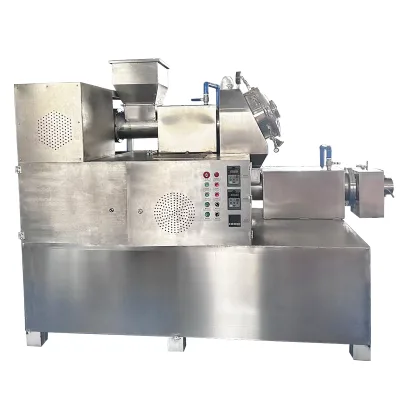
Shampoo Soap bar Extruding and Cutting Machine Toilet Soap Extruder Soap Making Machine
$2000.00 - $9000.00
MOQ: 1 Minimum


Comprehensive Sourcing Guide
Automatic Shampoo Bar Machine Sourcing Guide
Procuring an Automatic Shampoo Bar Machine requires a nuanced understanding of the intersection between solid cosmetic manufacturing and automated packaging logistics. Unlike traditional liquid filling lines, these systems are engineered to handle semi-solid or paste-like materials, demanding specific mechanical adaptations for consistent dosing and wrapping. Buyers must recognize that the term "shampoo bar" often overlaps with general paste or cream packaging machinery, meaning the core technology may be a volumetric filling machine adapted for solid forms. This distinction is critical when evaluating supplier capabilities, as not all liquid fillers can effectively manage the viscosity and structural integrity required for bar-shaped products without specialized plunger or pressure-based filling principles.
The sourcing landscape for this equipment is dominated by manufacturers in China, where a significant volume of listings indicates a mature supply chain for automated packaging solutions. These machines typically operate on standard industrial power supplies, such as 220V/50Hz or 380V configurations, and rely on pneumatic systems for bag lifting and sealing. Understanding the specific mechanical structure, whether rotary or linear, and the filling valve head configuration, such as single-head versus multi-head, is essential for matching production speed to your operational needs. Buyers should focus on verifying the machine's ability to handle the specific material type, whether paste or liquid, to ensure the selected equipment aligns with their product's physical properties and packaging requirements.
Product Scope and Observed Listing Signals
The observed market signals indicate a diverse range of automated packaging solutions, with prices spanning from $15 to $1,000,000 USD, reflecting variations in automation level, brand, and capacity. Most listings show a Minimum Order Quantity (MOQ) of one unit, suggesting that these machines are treated as individual capital equipment purchases rather than bulk commodity items. The presence of customization options in many listings highlights the flexibility of modern packaging machinery to adapt to specific bag sizes and product viscosities. Buyers should interpret the wide price range as an indicator of varying quality tiers, feature sets, and after-sales support structures, rather than a uniform market standard for basic functionality.
Observed product attributes reveal a strong emphasis on volumetric filling principles, with plunger-based dosing devices being a common feature for handling paste-like materials. The machines are often described as automatic grade, utilizing rotary or single-room feeding structures to maintain high throughput. Packaging materials listed include film and plastic, with specific bag dimensions such as 150120mm or 260190mm being common maximum sizes. These details suggest that the equipment is versatile, capable of handling various packaging formats, but buyers must carefully match the machine's maximum bag size and filling range to their specific product dimensions to avoid operational inefficiencies or packaging failures during high-speed production runs.
Technical Specifications to Verify
When evaluating technical specifications, the filling range and production speed are primary determinants of operational efficiency. Listings indicate filling ranges from 5-100g to 100-500ml, with production speeds varying from 1200 to 2100 bags per hour. Buyers must verify that the machine's filling mechanism, whether plunger or pressure-based, can accurately dispense the specific weight or volume of their shampoo bar or paste product. The power supply requirements, typically 220V/50Hz or AC380, and air pressure needs, such as 0.8MPa, must be confirmed against the buyer's facility infrastructure to ensure seamless integration. Mismatches in power or pneumatic requirements can lead to significant installation delays and additional costs for utility upgrades.
Dimensional and weight specifications are crucial for factory layout planning and logistics. Observed dimensions range from compact units like 8007601950mm to larger rotary systems measuring 120011002300mm, with weights between 295kg and 430kg. These physical constraints impact the available floor space and the need for reinforced flooring or specialized lifting equipment. Additionally, the gas source consumption, noted as 60L/Min or 80L/Min, must be factored into the plant's compressed air capacity. Buyers should request detailed technical drawings and utility requirement sheets from suppliers to validate that the machine's physical and operational parameters align with their production environment and capacity goals.
Compliance and Safety Documentation
Compliance with international safety and quality standards is non-negotiable for automated packaging machinery. Listings frequently mention certifications such as SGS and CE, which indicate adherence to specific European and global safety directives. Buyers must verify the validity and scope of these certifications, ensuring they cover the specific model and configuration being purchased. The presence of ISO 9001 or ISO 27001 in background knowledge suggests a broader quality management context, but buyers should request current, model-specific certificates from the supplier. Relying on generic certification claims without verification can expose the buyer to regulatory risks and potential operational shutdowns in strict markets.
Electrical and mechanical safety features must be thoroughly documented and understood. The machine's voltage compatibility, whether AC220V or AC380, must be clearly stated on the nameplate and in the technical manual. Buyers should ensure that the equipment includes necessary safety guards, emergency stop buttons, and interlock systems compliant with local occupational health and safety regulations. Additionally, the material of construction, particularly for parts contacting the product, should be verified for food-grade or cosmetic-grade suitability if applicable. Proper documentation of these safety features is essential for insurance purposes, regulatory audits, and the safe operation of the machinery by plant personnel.
Cost Drivers and Commercial Terms
The total cost of ownership extends beyond the initial purchase price, encompassing installation, training, and maintenance. While observed prices vary widely, the cost is driven by factors such as the machine's automation level, material quality, and included accessories like bag sealing units or labeling modules. Buyers should negotiate clear commercial terms regarding shipping, insurance, and customs duties, especially since many suppliers are located in China. Understanding the Incoterms used, such as FOB or CIF, is critical for accurate budgeting and risk allocation. Hidden costs, such as the need for specialized tooling or custom bagging films, should be identified early in the negotiation process to avoid budget overruns.
Payment terms and warranty coverage are key components of the commercial agreement. Standard practices often involve a deposit upon order confirmation and the balance before shipment, but buyers should strive for favorable terms that protect their investment. Warranty periods, typically ranging from one to two years, should cover major components like the main motor and control system. Buyers must clarify what is excluded from the warranty, such as wear parts or damage due to improper operation. Additionally, the availability and cost of spare parts, including plunger seals and heating elements, should be discussed to ensure long-term operational continuity and minimize downtime costs.
Supplier Qualification and Quality Control
Supplier qualification involves assessing the manufacturer's technical expertise, production capacity, and quality control processes. Buyers should request detailed company profiles, including years in operation, factory size, and export experience. Verifying the supplier's ability to provide customization, as indicated in many listings, is essential for adapting the machine to specific product needs. Quality control measures, such as pre-shipment inspections and functional testing, should be explicitly defined in the contract. Buyers may consider engaging third-party inspection services to verify the machine's performance and compliance with agreed specifications before final payment is released.
Reference checks and site visits, if feasible, provide valuable insights into the supplier's reliability and after-sales support. Buyers should ask for references from existing customers, particularly those in the cosmetics or personal care industry, to gauge the machine's long-term performance. Understanding the supplier's technical support structure, including response times and availability of remote troubleshooting, is crucial for minimizing operational disruptions. Additionally, the supplier's commitment to continuous improvement and innovation in packaging technology can be an indicator of their long-term viability as a partner. Building a strong relationship with a qualified supplier ensures better support throughout the machine's lifecycle.
Long-Term Procurement Checks
Long-term procurement success depends on establishing a robust framework for ongoing supplier evaluation and machine maintenance. Regular performance audits, tracking metrics such as uptime, fill accuracy, and packaging waste, help identify potential issues early. Buyers should maintain a comprehensive log of maintenance activities, spare parts replacements, and any modifications made to the machine. This data is invaluable for troubleshooting and negotiating service contracts with the supplier. Proactive maintenance, guided by the supplier's recommendations, extends the machine's lifespan and ensures consistent product quality over time.
Continuous communication with the supplier regarding industry trends and technological advancements is also vital. As packaging materials and product formulations evolve, the machine may require updates or upgrades to remain efficient and compliant. Buyers should stay informed about new features, such as improved energy efficiency or enhanced safety features, that could benefit their operations. Establishing a long-term partnership with the supplier can facilitate access to these advancements and ensure that the procurement strategy remains aligned with the company's evolving needs. Regular review of the procurement process and supplier performance helps maintain a competitive edge in the market.
FAQs
What is the production speed of the Automatic Shampoo Bar Machine?
The Automatic Shampoo Bar Machine achieves a packing maximum speed of 2100 bags per hour. This high-capacity output ensures efficient processing for large-scale manufacturing operations. The system utilizes a rotary structure and automatic grade technology to maintain consistent performance. Operators can rely on this speed for meeting high-volume production targets without compromising quality or operational stability.
Can the machine handle different packaging materials for shampoo bars?
Yes, the Automatic Shampoo Bar Machine supports customization for various packaging materials. It is designed to work with film and plastic materials for bag packaging. The system accommodates flexible container sealing properties to ensure secure packaging. Buyers can select specific material types based on their product requirements and branding needs for optimal results.
What are the power and air pressure requirements for operation?
The machine requires a power supply of 220V/50Hz or AC380V with a power consumption of 1500W to 2000W. It operates with an air pressure of 0.8MPa and a gas source of 60L to 80L per minute. These specifications ensure stable pneumatic lifting and filling valve head performance during continuous automated production cycles.
Which certifications are available for the Automatic Shampoo Bar Machine?
The Automatic Shampoo Bar Machine is available with SGS certification. Some models also include CE certification for compliance with safety standards. These certifications verify that the equipment meets international quality and safety requirements. Buyers can request specific certification documents to ensure the machinery aligns with their regulatory and operational standards.
What is the maximum bag size supported by the machine?
The Automatic Shampoo Bar Machine supports a maximum bag size of 260mm in length and 190mm in width. It can also handle smaller bags with dimensions ranging from 30-145mm in length and 110-150mm in width. This flexibility allows for versatile packaging solutions tailored to different product sizes and market demands.
How is the filling process controlled in the Automatic Shampoo Bar Machine?
The filling process is controlled using a pressure-based filling principle with a single-head filling valve. The machine employs a volumetric filling method to ensure accurate dosage. A plunger dosing device and single-room feeding structure contribute to precise filling. This setup minimizes waste and maintains consistent product weight across all packaged units.