Source Document Scanner for Office, School, and Business
Explore 30 verified Document Scanner options including flatbed and conveyor models with CMOS sensors and USB interfaces. Buyers can compare specifications like A3 scanning width, 1200dpi resolution, and LED light sources from suppliers in Shenzhen and Shanghai; compare the available evidence and request quotations based on your requirements.
Key considerations
Products List






Comprehensive Sourcing Guide
Document Scanner Sourcing Guide
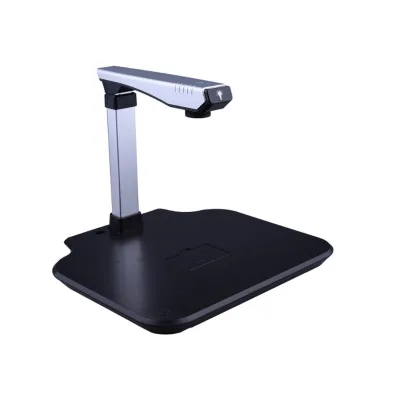
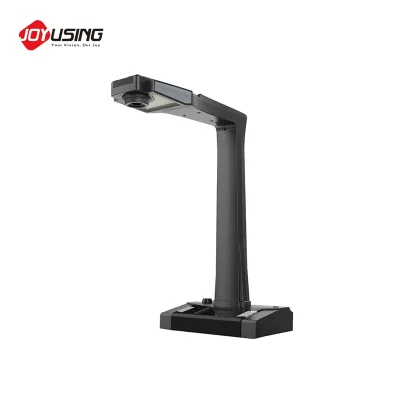
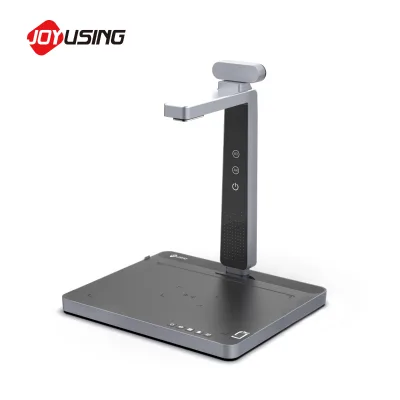
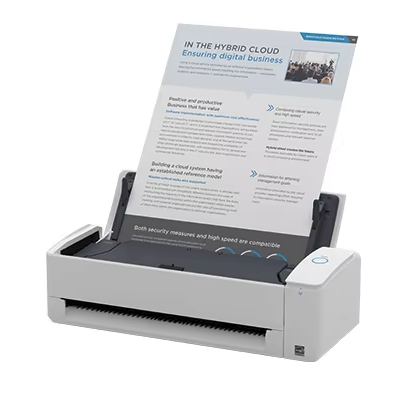
Procurement teams must first distinguish between general office document scanners and specialized industrial imaging systems, as the market offers distinct product categories with varying capabilities. The observed listings reveal a spectrum ranging from compact flatbed units designed for A3 commercial applications to heavy-duty conveyors intended for security checks and industrial sorting. Buyers should verify whether their operational needs align with the specific form factor, such as a portable flatbed or a fixed conveyor system, before initiating any supplier engagement.
Understanding the intended usage environment is critical for selecting the correct hardware configuration. While some units are optimized for high-speed scanning of photos and documents in business settings, others are engineered for non-portable, high-volume throughput in security or industrial inspection contexts. Sourcing strategies must account for these divergent requirements, ensuring that the selected device matches the physical constraints of the workspace and the specific throughput demands of the workflow.
Product Scope and Observed Listing Signals
The current market data indicates a diverse range of models, including specific variants like the SS-500pro and S-515, which cater to different scanning resolutions and sensor technologies. Buyers should note that optical resolutions of 1200dpi are common for high-fidelity document capture, while other units may feature 5-megapixel sensors suitable for broader imaging tasks. It is essential to cross-reference the listed model numbers with the actual sensor type, such as CMOS, to ensure the device meets the clarity requirements of the specific application.
Listing signals also highlight significant variations in physical dimensions and connectivity options that directly impact integration. While many units support standard USB interfaces and operate on Windows or Mac OS, others may require network scanning capabilities or specific mounting configurations. Procurement professionals must carefully review the product specifications for details on scanning speed, such as 300 scans per second, and verify if the device supports the required input formats like barcode or OMR scanning to avoid compatibility issues.
Technical Specifications to Verify
Technical due diligence requires a rigorous verification of the scanning element and light source to ensure consistent image quality over time. Buyers should confirm that the device utilizes a CMOS sensor paired with an LED light source, as these components are standard for maintaining color accuracy and reducing heat generation during extended operation. It is equally important to check the focusing mechanism, as manual focusing may be insufficient for high-volume automated workflows that require precise, consistent alignment without operator intervention.
Connectivity and software compatibility are equally critical factors that determine the operational efficiency of the scanning system. Procurement teams must verify that the interface type, typically USB 2.0, aligns with the existing IT infrastructure and that the included software supports the required operating systems, such as Windows 7, 8, or Mac OS. Additionally, the maximum scanning width, often listed as A3, must be confirmed to ensure the hardware can accommodate the largest documents in the organization's inventory without requiring manual repositioning.
Compliance and Safety Documentation
Regulatory compliance is a non-negotiable aspect of sourcing, particularly for equipment intended for commercial or industrial deployment. The observed listings frequently cite standards such as CE, FCC, and ROHS, which indicate adherence to safety and environmental regulations in major markets. Buyers must request valid certification documents for these specific standards to ensure the product can be legally imported and operated in their target regions without risking regulatory penalties or shipment delays.
Beyond basic electrical safety, industrial applications often require adherence to broader quality management and environmental standards. Some suppliers list ISO 9001 and ISO 4001 certifications, which suggest a commitment to consistent manufacturing quality and environmental management practices. Procurement teams should verify the validity of these certifications and ensure they cover the specific manufacturing facilities producing the ordered units, as these standards provide assurance regarding the supplier's operational maturity and risk management capabilities.
Cost Drivers and Commercial Terms
Pricing in the Document Scanner market is heavily influenced by the complexity of the sensor technology and the intended application scope. Units designed for high-speed, high-resolution scanning or those with specialized industrial features typically command higher price points compared to basic flatbed models. Buyers should analyze the total cost of ownership, considering that lower initial prices may correlate with reduced durability or limited support options, which can increase long-term operational costs.
Commercial terms such as Minimum Order Quantity (MOQ) and packaging specifications significantly affect the logistics and financial planning of the procurement. The observed MOQ range of 1 to 50 units allows for flexibility, but bulk orders may trigger different pricing tiers or shipping requirements. Additionally, packaging details, ranging from standard carton boxes to specialized plywood pallets, must be aligned with the destination's handling capabilities to prevent damage during transit and ensure efficient warehouse integration.
Supplier Qualification and Quality Control
Supplier qualification should extend beyond basic product listings to include a thorough assessment of manufacturing capabilities and quality control processes. Buyers must verify the origin of the products, as many units are manufactured in industrial hubs like Shenzhen or Shanghai, which may offer different advantages regarding supply chain stability and component availability. Understanding the production location helps in assessing potential risks related to geopolitical factors or logistical bottlenecks that could impact delivery schedules.
Quality control measures are essential to ensure that every unit meets the specified performance standards before shipment. Procurement teams should request evidence of pre-shipment testing and inspection protocols, particularly for devices with complex optical systems or industrial applications. It is also advisable to confirm the warranty terms, such as the standard one-year coverage, and understand the process for handling defects or replacements to mitigate the risk of operational downtime.
Long-Term Procurement Checks
Sustainable procurement requires establishing clear protocols for ongoing performance monitoring and supplier relationship management. Buyers should implement regular audits to ensure that the supplied devices continue to meet the original technical specifications and that any firmware or software updates are compatible with the existing IT environment. This proactive approach helps in identifying potential degradation in performance or compatibility issues before they impact critical business operations.
Long-term success also depends on maintaining a robust support framework that includes access to spare parts and technical assistance. Procurement teams should verify the availability of replacement components and the supplier's capacity to provide timely maintenance services. Establishing a clear communication channel for reporting issues and resolving them efficiently ensures that the investment in document scanning technology remains productive and reliable over the intended lifespan of the equipment.
FAQs
What is the optical resolution of the A3 flatbed Document Scanner?
The optical resolution is 1200dpi, ensuring high-quality scans for detailed documents and photos. This CMOS sensor technology supports versatile usage including barcode, OMR, and photo scanning. The manual focusing mechanism allows for precise adjustments to capture clear images across the entire A3 shooting area effectively.
Can this Document Scanner be customized for specific business needs?
Yes, customization is available for this flatbed optical scanner. It supports network scanning and connects via USB2.0 interfaces. The device is designed for commercial and business applications, allowing buyers to tailor specifications to their operational requirements while maintaining compatibility with Windows and Mac operating systems.
Which certifications does the Document Scanner meet for safety and quality?
The scanner meets CE, FCC, ISO9001, ISO4001, and ROHS standards. These certifications ensure compliance with international safety and environmental regulations. Buyers can rely on these verified standards for industrial and security check applications, guaranteeing that the product adheres to strict quality control measures throughout its manufacturing process.
What is the scanning speed of the A3 flatbed scanner?
The scanning speed reaches 300 scans per second, providing rapid processing for high-volume tasks. This performance is supported by a 5-megapixel CMOS sensor and LED light source. The efficient speed makes it suitable for busy commercial environments where quick turnaround times for document and photo scanning are essential.
Where is the Document Scanner manufactured and what is the packaging?
The scanner originates from Shenzhen, China, and is packed in a carton box. Some models may use color boxes or white boxes for retail presentation. This origin ensures access to established manufacturing hubs, while the sturdy packaging protects the device during transit to international buyers seeking reliable optical scanning solutions.
What warranty is provided for the Document Scanner?
A one-year warranty is provided for the Document Scanner. This coverage protects buyers against manufacturing defects and ensures long-term reliability for business applications. The warranty complements the robust construction and certified components, offering peace of mind for commercial users who depend on consistent performance for daily scanning operations.