Source Automatic Sensor Touchless Basin Faucet for Hotels, Hospitals, Offices
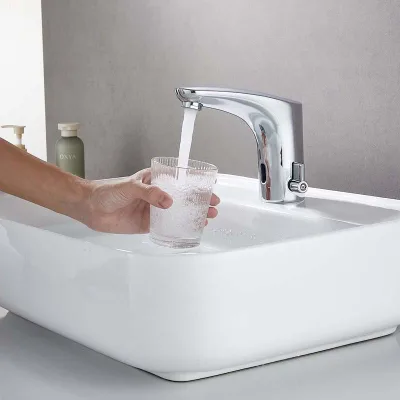
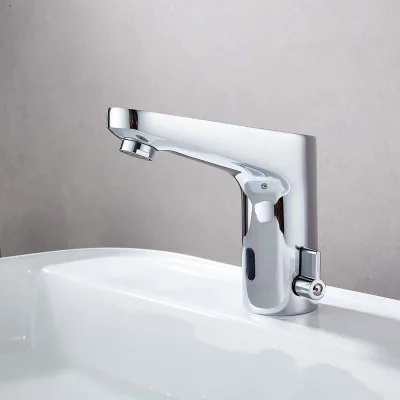
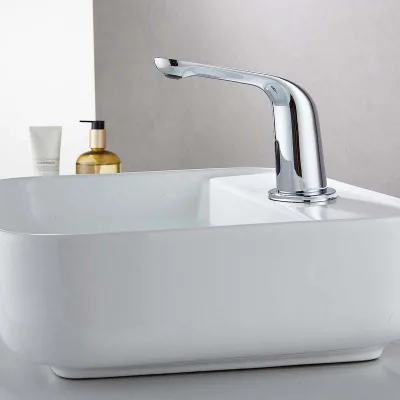
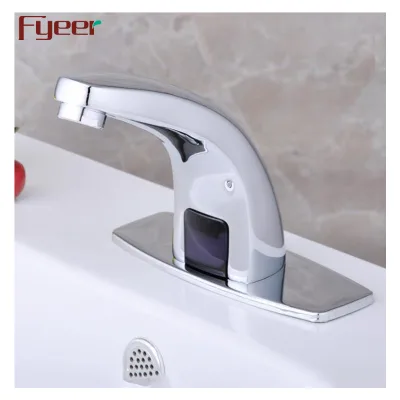
Compare 30 Automatic Sensor Touchless Basin Faucet options featuring brass construction, induction technology, and deck-mounted installation. Buyers can evaluate specifications like water pressure, voltage, and customization availability from suppliers in Zhejiang, China.
Key considerations
Products List


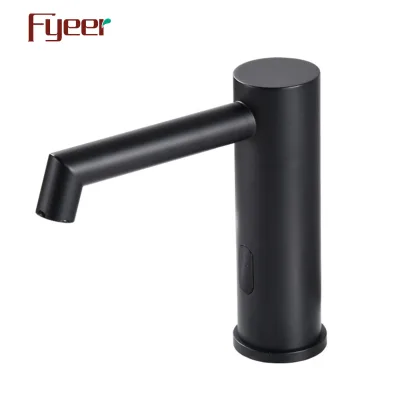
Fyeer Antique Brass Bathroom Wash Basin Touchless Automatic Sensor Faucet
$27.00 - $30.00
MOQ: 1 Pieces


Fyeer Solid Brass Touch Free Motion Sensor Automatic Bathroom Basin Faucet
$28.00 - $32.00
MOQ: 20 Pieces


Stainless Steel Washing Machine Faucet Automatic Mini off Tube Automatic Water Stop Valve
$1.60 - $2.60
MOQ: 500 Pieces



Comprehensive Sourcing Guide
Automatic Sensor Touchless Basin Faucet Sourcing Guide
The Automatic Sensor Touchless Basin Faucet represents a significant shift in sanitary ware procurement, prioritizing hygiene and operational efficiency in high-traffic environments. These units utilize induction technology to detect user presence, eliminating the need for physical contact that can spread pathogens. The observed market data indicates a diverse range of models, from traditional designs to contemporary styles, all sharing the core function of touchless operation. Buyers must recognize that while the fundamental mechanism is consistent, the specific implementation of the sensor, power source, and valve core varies significantly between suppliers, requiring careful specification during the sourcing process.
Procurement decisions for these fixtures hinge on balancing initial unit costs with long-term reliability and maintenance requirements. The product listings reveal a wide price spectrum, suggesting that factors such as material quality, sensor sensitivity, and power efficiency are the primary drivers of cost variance. A buyer must evaluate whether the observed features, such as a 500,000-cycle life span or specific water pressure tolerances, align with the intended installation environment. Understanding these variables is essential before engaging with suppliers, as the difference between a basic model and a high-performance unit can impact the total cost of ownership and the frequency of service interventions.
Product Scope and Observed Listing Signals
The current market for automatic sensor touchless basin faucets includes models designed for common basins with a single-hole deck-mounted installation. The observed product attributes highlight a strong emphasis on material durability, with brass construction and ceramic valve cores being the standard for ensuring leak-free performance and resistance to corrosion. Buyers should note that while some listings describe a traditional style, others offer contemporary or modern designs, indicating that aesthetic flexibility is a key differentiator in this category. The availability of customization and OEM/ODM services suggests that suppliers are prepared to adapt these units for specific branding or functional requirements, provided the core technical specifications remain intact.
Power supply and sensor configuration are critical scope elements that define the operational viability of these faucets in different settings. The data indicates a mix of AC/DC power options, with specific voltage ranges like AC 220V and DC 6V, alongside a sensor distance adjustable between 15 and 20 centimeters. This variability requires the buyer to verify the electrical infrastructure of the installation site before finalizing a purchase order. Furthermore, the observation of "Magnetization" and "Induction" as functional attributes suggests that some units may employ magnetic sensors or specific electromagnetic fields to detect water flow or user presence, necessitating a clear understanding of the underlying technology to ensure compatibility with the intended water supply system.
Technical Specifications to Verify
Verifying the mechanical and electrical specifications is the first step in ensuring the faucet will function correctly within the target facility. The water supply pipe size is consistently listed as DN15 (G1/2"), which is a standard connection size, but the water pressure tolerance of 0.1-0.8MPa must be confirmed against the actual building pressure to prevent operational failure. Additionally, the switch time of less than 0.7 seconds and the operation consumption of under 60 microamps are critical performance metrics that indicate the responsiveness and energy efficiency of the unit. Buyers should request specific test data or certification reports that validate these figures, as they directly impact user experience and the longevity of the power supply components.
The physical construction and finishing details also require rigorous verification to match the durability expectations of the installation environment. The observed surface treatments include polished finishes and stainless steel options, which affect both the aesthetic appeal and the resistance to fingerprints and water spots. The single gross weight of 4.000kg for certain models provides an indication of the material density and build quality, which can be a proxy for the robustness of the brass body. It is essential to confirm that the valve core material is indeed ceramic, as this is the industry standard for ensuring smooth operation and long-term sealing integrity, preventing leaks that are common in lower-quality alternatives.
Compliance and Safety Documentation
Safety and regulatory compliance are non-negotiable aspects of sourcing automatic sensor faucets, particularly for commercial and public installations. The CE certification is a documented attribute in the product listings, indicating that the units meet the essential health, safety, and environmental protection requirements for the European market. However, buyers must ensure that the specific model being purchased carries valid, up-to-date certification documentation that corresponds to the region of operation. Relying solely on the presence of a CE mark without verifying the accompanying test reports or conformity declarations can expose the procurement to legal and safety liabilities if the product fails to meet local standards.
Electrical safety is another critical compliance area, given the integration of electronic sensors and power supplies into the plumbing fixture. The voltage specifications, ranging from AC 220V to DC 6V, imply that the units must adhere to strict electrical safety standards to prevent shock hazards or short circuits. Buyers should verify that the power supply units are isolated and that the wiring complies with local electrical codes. While ISO9001 is mentioned in background data, it should not be assumed as a guaranteed attribute without explicit confirmation from the supplier. The primary focus should remain on the CE certification and any specific electrical safety certifications required for the destination market to ensure the product is legally compliant and safe for end-users.
Cost Drivers and Commercial Terms
The cost of automatic sensor touchless basin faucets is influenced by a complex interplay of material costs, technological complexity, and order volume. The observed price range of 0.5 to 72 USD reflects the disparity between basic models and those with advanced features like higher cycle life or specialized finishes. Buyers must understand that the lower end of this range may correspond to units with simpler sensor technology or less durable materials, while the higher end likely includes models with robust brass bodies, ceramic valves, and optimized power consumption. It is crucial to analyze the total cost of ownership, including the potential for reduced maintenance and water savings, rather than focusing solely on the unit price.
Commercial terms such as Minimum Order Quantity (MOQ) and lead times are significant factors that affect procurement planning and cash flow. The data shows an MOQ range from 1 to 3000 pieces, offering flexibility for small-scale projects while accommodating large bulk orders. The delivery time of 7 to 30 days indicates a relatively short production cycle, but this can vary based on the level of customization requested. Buyers should negotiate clear terms regarding packaging, which is typically listed as a single item per box or in a cardboard carton, to ensure that the products arrive without damage. Understanding these commercial variables allows for better budgeting and scheduling, ensuring that the procurement process aligns with the project timeline.
Supplier Qualification and Quality Control
Selecting a qualified supplier for automatic sensor touchless basin faucets requires a thorough assessment of their manufacturing capabilities and quality control processes. The product origin is identified as Zhejiang, China, a region known for its sanitary ware industry, but buyers must verify the specific factory's capacity to maintain consistent quality across large production runs. The availability of OEM and ODM services suggests that suppliers are capable of customizing products, but this capability must be backed by a robust quality assurance system to prevent defects in the final output. Buyers should request evidence of their production processes, including how they test the sensor sensitivity and valve core durability before shipment.
Quality control should extend beyond the final inspection to include the verification of raw materials and component sourcing. The use of brass for the body and ceramic for the valve core are standard requirements, but the quality of these materials can vary significantly between suppliers. Buyers should insist on material certificates or third-party test reports that confirm the composition and performance of the components. Additionally, the after-sales service, which includes online technical support, is a vital indicator of a supplier's commitment to long-term reliability. Establishing a clear communication channel for technical support ensures that any operational issues can be resolved quickly, minimizing downtime in the facility.
Long-Term Procurement Checks
Sourcing automatic sensor touchless basin faucets is not a one-time transaction but an ongoing relationship that requires continuous monitoring of product performance and supplier reliability. The observed life cycle of 500,000 on/off cycles is a key metric for long-term durability, but buyers must verify that this figure is based on standardized testing conditions that reflect real-world usage. Regular audits of the installed units can help identify any deviations from the expected performance, such as sensor drift or valve leakage, which may indicate a need for supplier intervention or product replacement. Establishing a feedback loop with the supplier ensures that any quality issues are addressed promptly and that the product continues to meet the facility's operational standards.
Future procurement decisions should be informed by the supplier's ability to adapt to changing market demands and technological advancements. The observed customization options and the support for OEM/ODM indicate that suppliers are responsive to specific needs, but buyers should assess their capacity for innovation and continuous improvement. As technology evolves, the sensor technology and power efficiency of these faucets may improve, offering new opportunities for cost savings and enhanced performance. Maintaining a strategic partnership with a qualified supplier allows the buyer to stay ahead of these developments and ensure that the facility remains equipped with the most reliable and efficient sanitary ware solutions available.
FAQs
What is the minimum order quantity for this faucet?
The minimum order quantity is 1 piece, allowing for flexible trial orders. This low MOQ supports buyers who need to test product quality before committing to larger volumes. It is suitable for small businesses or initial procurement batches without high inventory pressure.
How does the sensor technology operate?
The faucet uses an induction sensor with a detection distance of 15-20cm that is adjustable. It features a switch time of less than 0.7 seconds for rapid response. The system operates on AC 220V or DC 6V power, ensuring reliable touchless functionality.
Can the product be customized for branding?
Yes, customization is available and OEM/ODM services are supported. Buyers can request specific modifications to meet their brand requirements. This flexibility allows for tailored solutions in design and functionality, making it suitable for private label projects or specific commercial needs.
What material is used for the faucet body?
The faucet body is constructed from brass, providing durability and resistance to corrosion. The valve core is made of ceramic for leak-proof performance. This combination ensures long-term reliability and stable water flow control in common basin applications.
What certifications does the product hold?
The product holds CE certification, indicating compliance with European health, safety, and environmental protection standards. This certification is essential for importing and selling in many international markets. It assures buyers of the product's adherence to recognized quality and safety benchmarks.
What is the expected lifespan of the sensor?
The sensor has a life cycle of 500,000 on/off operations. This high durability ensures long-term performance in high-traffic environments. The robust construction supports consistent operation over time, reducing the need for frequent replacements or maintenance interventions.