Source Automatic Single Axis Solar Tracker for Commercial, Industrial, and Home Use
Find and compare 30 Automatic Single Axis Solar Tracker options from China. Evaluate models like Horizon P1 and SF-T-SA series for commercial, industrial, and home applications, noting specifications such as 24V-380V output and IP65 protection levels; compare the available evidence and request quotations based on your requirements.
Updated
Key considerations
Products List


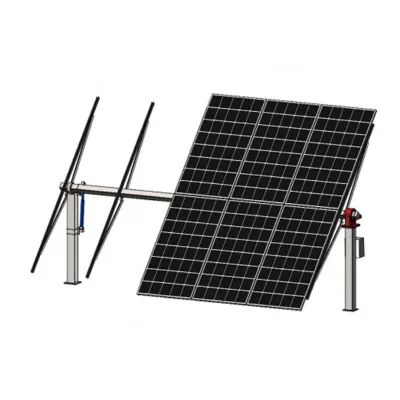


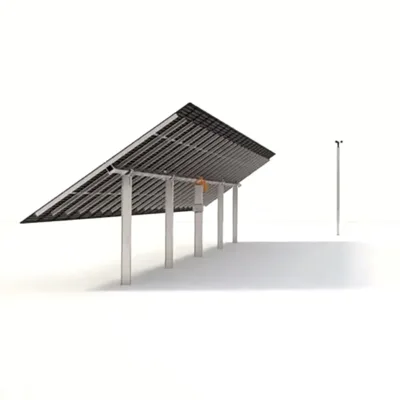
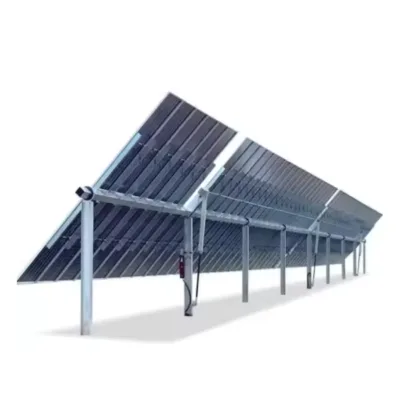


Energy Efficient Single Axis Solar Tracking Linear Actuator Motor Solar Tracker
$120.00 - $140.00
MOQ: 1000 Pieces


$225.00 - $245.00
MOQ: 1000 Pieces
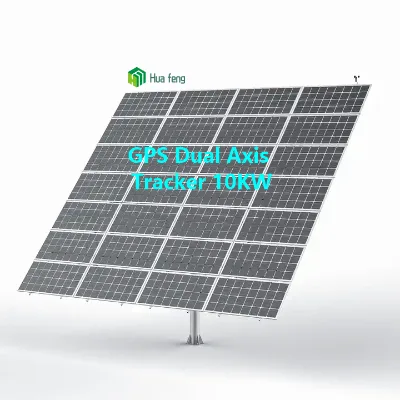
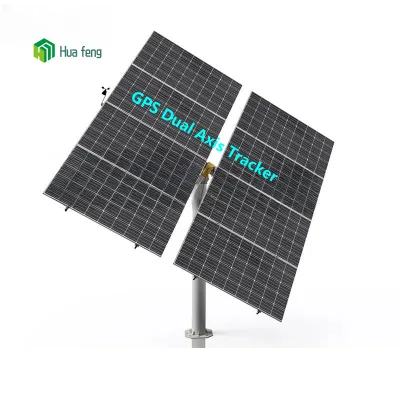
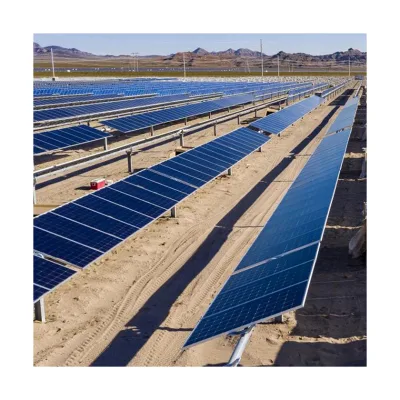
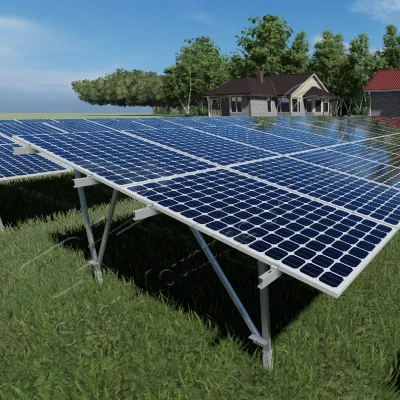

1MW Single Axis Smart Solar Tracking System Solar Tracker Ground Mounting Solar Panel Tracker
$79.00 - $87.00
MOQ: 100 kilowatt

Solar Tracking System Single Axis Automatic Solar Tracker Rack Tracking Bracket Solar Energy System
$79.00 - $87.00
MOQ: 100 kilowatt
Comprehensive Sourcing Guide
Automatic Single Axis Solar Tracker Sourcing Guide
Procuring automatic single axis solar trackers requires a clear understanding of the mechanical and electrical systems that drive photovoltaic efficiency. These systems are designed to follow the sun’s path, maximizing energy yield compared to fixed-tilt installations. Buyers must evaluate whether the tracker suits their specific terrain and module configuration, as performance varies significantly based on local latitude and weather conditions.
The market offers diverse models, ranging from compact units for commercial rooftops to heavy-duty structures for large-scale industrial farms. Key differentiators include the driving power, tracking accuracy, and material durability. Sourcing decisions should prioritize suppliers who provide transparent technical data and proven reliability, ensuring the investment delivers consistent long-term returns without excessive maintenance costs.
Product Scope and Observed Listing Signals
Current market listings reveal a wide range of specifications, with prices observed between $0.06 and $1,801 USD, reflecting significant variation in scale and complexity. Minimum order quantities (MOQs) span from 1 to 200,000 units, indicating that suppliers cater to both small pilot projects and massive utility-scale deployments. Buyers should carefully match their project size with supplier capabilities to avoid logistical bottlenecks or excessive per-unit costs.
Product attributes highlight materials such as steel and stainless steel, chosen for structural integrity and corrosion resistance. Models like the Horizon P1 and various SF-T series indicate specialized engineering for different power loads, including 15kw and higher capacities. The presence of customization options allows buyers to tailor azimuth tracking angles, often ranging from -60° to 60°, to specific site requirements, ensuring optimal sun exposure throughout the year.
Technical Specifications to Verify
Critical technical parameters include the motor type, power supply, and communication protocols. Many units utilize 24V DC motors with driving powers between 90W and 180W, consuming less than 1kwh daily. Buyers must verify the output voltage range, which can span from 24V to 380V, to ensure compatibility with existing inverters and grid infrastructure. Accurate tracking, often cited at 0.5s precision, is essential for maximizing energy capture.
Structural specifications such as module size and rack scope are vital for integration. For instance, some trackers accommodate modules of 165099240mm with rack scopes of 100~200m2. Protection levels like IP65 ensure resilience against dust and water ingress, crucial for outdoor installations. Buyers should confirm the azimuth tracking angle range and whether it can be customized for specific project geometries, ensuring the system fits the physical constraints of the installation site.
Compliance and Safety Documentation
Certifications are a primary indicator of product quality and regulatory compliance. Common certifications observed include CE, TUV, ISO, and CB, which validate adherence to international safety and performance standards. Buyers must request valid certificates for each batch, ensuring they match the specific model numbers and manufacturing locations. These documents are often required for customs clearance and grid connection approvals in various jurisdictions.
Safety features such as IP65 protection levels and robust motor designs contribute to operational reliability. Documentation should also cover electrical safety, including proper grounding and surge protection mechanisms. Buyers should verify that the supplier provides comprehensive manuals detailing installation, maintenance, and troubleshooting procedures. Ensuring all safety documentation is complete minimizes liability and ensures safe operation in commercial, industrial, and home applications.
Cost Drivers and Commercial Terms
Pricing is influenced by material costs, particularly steel and stainless steel, as well as the complexity of the tracking mechanism. Higher capacity models, such as those supporting 2000KW loads, naturally command higher prices due to increased material and engineering requirements. Buyers should analyze the total cost of ownership, including installation, maintenance, and energy yield improvements, rather than focusing solely on the initial purchase price.
Commercial terms often include specific packaging requirements, such as wooden case pallets or standard cartons, which affect shipping costs and handling. Lead times and MOQs vary significantly, with some suppliers offering flexible terms for smaller orders. Buyers should negotiate clear delivery schedules and warranty terms, ensuring that any defects or performance issues are addressed promptly. Understanding these commercial nuances helps in budgeting accurately and avoiding hidden costs.
Supplier Qualification and Quality Control
Supplier location, often in regions like Fujian or Guangdong in China, can impact logistics and communication efficiency. Buyers should verify the supplier’s production capacity and quality control processes, including factory audits and third-party inspections. Consistency in manufacturing is crucial, especially for large orders where minor variations can lead to significant installation issues.
Quality control should extend to material verification, ensuring that steel and stainless steel components meet specified grades. Buyers should request sample units for testing before committing to large orders. Evaluating the supplier’s after-sales support and technical assistance capabilities is equally important, as ongoing maintenance and troubleshooting are essential for long-term tracker performance.
Long-Term Procurement Checks
Long-term success depends on the tracker’s durability and adaptability to changing environmental conditions. Buyers should assess the warranty period and the supplier’s commitment to spare parts availability. Regular maintenance checks, including motor lubrication and structural inspections, are necessary to prevent premature wear and tear.
Monitoring performance data through communication protocols like RS485 allows for proactive maintenance and optimization. Buyers should establish a routine for reviewing tracking accuracy and energy output to identify any deviations early. Building a strong relationship with the supplier ensures access to updates and improvements, keeping the installation competitive and efficient over its lifespan.
FAQs
What certifications do automatic single axis solar trackers typically have?
Most automatic single axis solar trackers carry CE, TUV, and ISO certifications to ensure compliance with international safety and quality standards. Some models also include CB certification for broader market acceptance. These credentials verify that the tracking systems meet rigorous engineering requirements for commercial and industrial installations, providing buyers with confidence in product reliability and regulatory adherence across different regions.
Can automatic single axis solar trackers be customized for specific projects?
Yes, customization is available for many Automatic Single Axis Solar Tracker models to suit unique project requirements. Buyers can often specify tracking ranges, such as ±60 degrees, and adjust module sizes or power supplies like 110V or 220V. This flexibility allows for tailored solutions in open terrain or specific industrial applications, ensuring optimal performance and integration with existing solar infrastructure.
What is the typical power consumption of a single axis solar tracker?
The daily power consumption of an Automatic Single Axis Solar Tracker is generally low, ranging from less than 0.25 to 1 kWh. With a driving power of 90 to 180W and a 24V DC motor, these systems are energy efficient. This minimal energy usage ensures that the tracker itself does not significantly offset the energy gains produced by the solar panels it supports during operation.
Which materials are used to construct automatic single axis solar trackers?
Automatic single axis solar trackers are commonly constructed from durable materials like steel and stainless steel to withstand outdoor conditions. These materials provide the necessary structural integrity for long-term deployment in commercial and industrial settings. The choice of material ensures resistance to corrosion and environmental stress, maintaining the precision of the tracking mechanism over the lifespan of the solar installation.
What is the typical MOQ for sourcing automatic single axis solar trackers?
The minimum order quantity for automatic single axis solar trackers varies widely, typically ranging from 1 to 200,000 units depending on the supplier and model. Buyers can often source single items for testing or small projects, while larger commercial installations may require bulk orders. This flexibility allows businesses of all sizes to procure the necessary tracking systems for their specific energy generation goals.
How accurate is the tracking performance of automatic single axis solar trackers?
The tracking accuracy of automatic single axis solar trackers is typically around 0.5 seconds, ensuring precise alignment with the sun. This high level of accuracy maximizes energy capture throughout the day. Combined with a wide azimuth tracking angle range of -60 to 60 degrees, the system effectively optimizes solar panel exposure, significantly enhancing the overall efficiency and output of the solar energy installation.