Source PV Grid Inverters for Solar Systems
Source 30 PV Grid Inverter models from Zhejiang, China. Compare specifications including 700W micro inverters and 12KW central units with MPPT technology, IP65 ratings, and single-phase output for on-grid solar applications; compare the available evidence and request quotations based on your requirements.
Updated
Key considerations
Products List
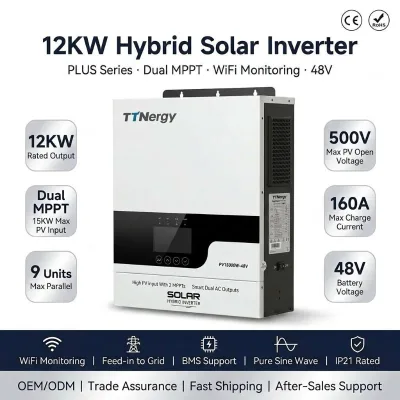
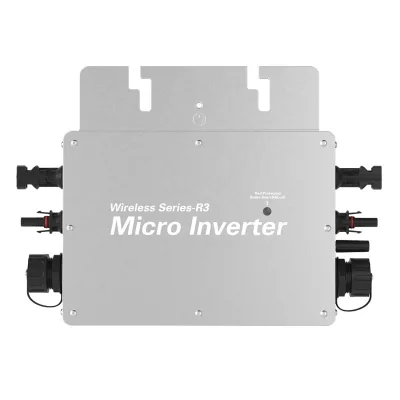


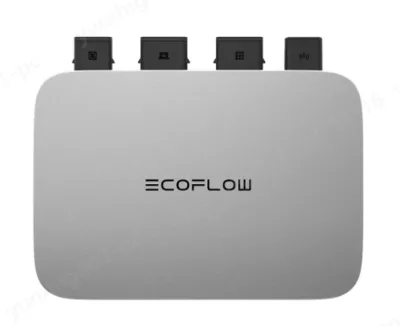
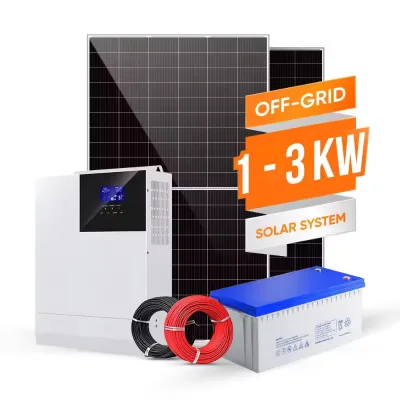
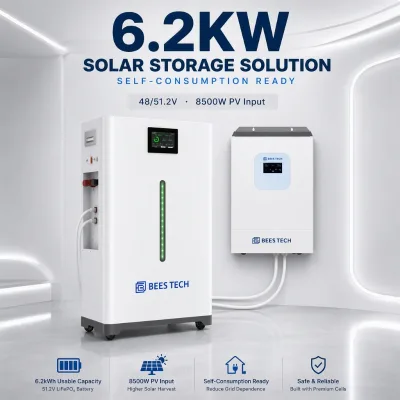
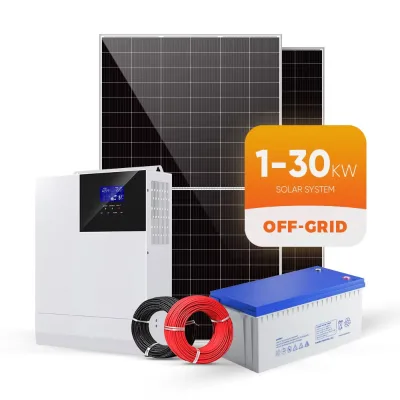

Solar Inverters Hybrid Inverter 5kw Hybrid Solar 48V off Grid Inverter
$158.00 - $525.00
MOQ: 2 Pieces
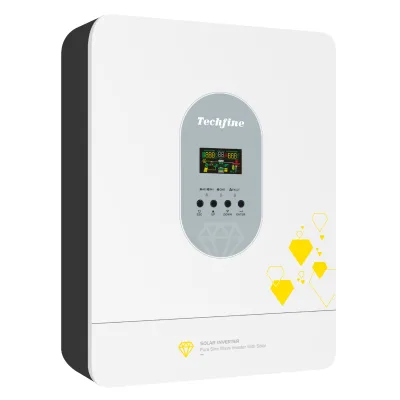

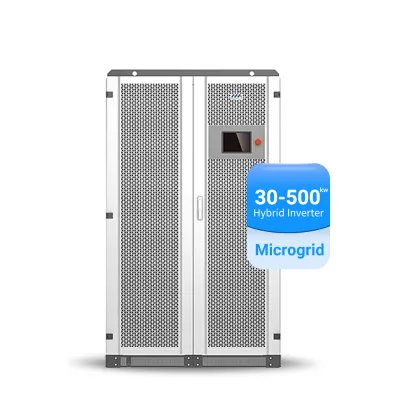
$43957.2059 - $50770.3489
MOQ: 1 pieces

off Grid Hybrid Solar Inverter Solar Hybrid Inverter off Grid Solar Power System
$400.00 - $540.00
MOQ: 1 Pieces


5000W 5kw Grid Connected on Grid Solar System with Inverter Renewable Energy Systems
$2600.00 - $2800.00
MOQ: 1 Pieces

Small Solar Energy System with Invertor on Grid Solar Power Plant Price
$5000.00 - $5100.00
MOQ: 1 Pieces
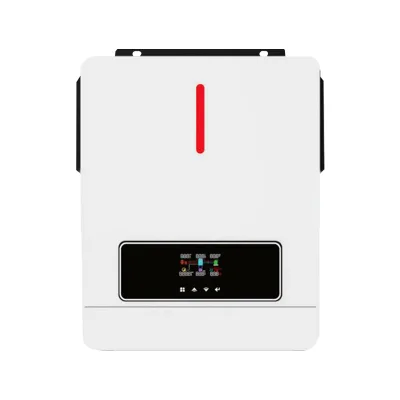


Solar Energy System Sun Power off-Grid Inverter Solar Power System Inverter
$99.00 - $350.00
MOQ: 20 Pieces

PV System Solar Kits off-Grid Solar System Solar Power System Inverter 4kw
$99.00 - $350.00
MOQ: 20 Pieces
Comprehensive Sourcing Guide
PV Grid Inverter Sourcing Guide
Buyers evaluating the market for photovoltaic grid inverters must first distinguish between hybrid and on-grid architectures, as the supplied data indicates distinct operational profiles for each. Hybrid models, such as those branded TTNergy, are designed for systems requiring battery integration with input voltages of 12V, 24V, or 48V, while on-grid micro-inverters like the WVC-700 series operate directly with solar arrays without battery storage. Understanding this fundamental split is critical before initiating any procurement process, as the required communication interfaces and output configurations differ significantly between these two primary application types.
The observed product landscape reveals a wide variance in physical dimensions and power ratings, ranging from compact 300W units to robust 12KW parallel systems. Sourcing teams must align their specific project requirements with these observed specifications, noting that some units offer MPPT voltage ranges up to 400VDC while others are limited to 60VDC. This variation dictates the suitability of a unit for specific roof layouts or industrial installations, requiring buyers to verify that the listed output power and voltage compatibility match their existing solar array design before requesting formal quotations.
Product Scope and Observed Listing Signals
Procurement teams should analyze the observed listing signals to identify the specific inverter topology that matches their grid connection strategy. The data confirms the availability of both central and string inverter types alongside micro-inverters, each serving different scale requirements. Central and string inverters typically support higher power outputs up to 12KW, making them suitable for larger commercial or residential hybrid systems, whereas micro-inverters are often rated for lower individual outputs like 700W, ideal for distributed generation scenarios where module-level optimization is required.
Buyers must also scrutinize the communication interface options, as the market data highlights units equipped with RS232, WIFI, and GPRS capabilities. These interfaces are essential for remote monitoring and system management, allowing facility managers to track performance metrics in real-time. When evaluating product listings, it is vital to confirm that the specific model selected supports the communication protocols required by the buyer's existing energy management software, ensuring seamless integration and data accessibility for ongoing operational oversight.
Technical Specifications to Verify
Technical due diligence requires a rigorous verification of input voltage ranges and MPPT characteristics to ensure compatibility with the solar array. The supplied facts indicate MPPT voltage ranges spanning from 30V to 400VDC, with some models supporting a PV open circuit voltage of 30-60VDC. Buyers must match these ranges precisely to their panel configuration to avoid efficiency losses or system shutdowns, as an incompatible voltage range can render the inverter ineffective regardless of its rated output power capacity.
Efficiency ratings and output waveform quality are equally critical parameters that influence long-term energy yield and grid stability. The observed data lists inverter efficiencies of 94% and 95%, alongside total harmonic distortion figures below 5% for specific models. Procurement specialists should verify that the selected unit maintains these efficiency levels under partial load conditions and confirm that the output frequency supports 50/60Hz auto-sensing to ensure compatibility with local grid standards. Additionally, checking the waterproof rating, such as the IP65 standard noted for certain units, is necessary for installations exposed to harsh environmental conditions.
Compliance and Safety Documentation
Regulatory compliance is a non-negotiable aspect of sourcing grid-tied inverters, particularly regarding electrical safety and environmental standards. The available product information explicitly lists certifications including CCC, ROHS, and CE, which serve as evidence of adherence to specific regional safety and environmental regulations. Buyers must request valid certification documents for the specific batch being ordered to ensure that the units meet the legal requirements of the destination market, as these certifications often dictate eligibility for government incentives and grid interconnection approvals.
Safety documentation must also address the inverter's behavior during fault conditions and its impact on the electrical grid. Specifications such as the DC max short-circuit current of 32A and transfer times of 10ms provide insight into the unit's protective capabilities and response speed during grid disturbances. Procurement teams should verify that the supplier can provide detailed test reports confirming these safety parameters, ensuring that the inverter will safely disconnect during islanding events and protect both the equipment and the grid infrastructure from potential damage.
Cost Drivers and Commercial Terms
Pricing in the PV inverter market is heavily influenced by power rating, communication features, and the complexity of the inverter architecture. The observed price range spans from approximately 82 USD to over 50,000 USD, reflecting the vast difference between small micro-inverters and large-scale hybrid systems. Buyers should anticipate that higher efficiency ratings, advanced communication interfaces like GPRS, and larger power capacities will command a premium, necessitating a clear cost-benefit analysis that weighs initial investment against long-term energy generation savings.
Commercial terms such as Minimum Order Quantity (MOQ) and supply ability are critical factors in finalizing a procurement strategy. The data indicates an MOQ range of 1 to 500 units, with some suppliers offering a supply ability of 2000 pieces per day. Procurement managers must negotiate terms that align with their project timeline and budget constraints, ensuring that the supplier can meet delivery schedules without compromising on quality. It is also essential to clarify packaging details and gross weights to accurately calculate logistics costs and determine the most efficient shipping method for the specific order volume.
Supplier Qualification and Quality Control
Supplier qualification should focus on verifying the manufacturer's production capacity and their ability to maintain consistent quality standards. The observed data mentions a place of origin in Zhejiang, China, a region known for its manufacturing ecosystem, but buyers must independently verify the specific factory's track record and production capabilities. Requesting evidence of their daily supply ability and past performance on similar projects helps mitigate the risk of supply chain disruptions and ensures that the supplier can scale production to meet project demands.
Quality control processes must be rigorously defined to ensure that every unit meets the specified technical and safety requirements. Buyers should mandate pre-shipment inspections that verify critical attributes such as inverter efficiency, output voltage stability, and waterproof ratings. Establishing a clear protocol for testing a random sample from each batch against the provided specifications, such as the 94% or 95% efficiency claims, ensures that the delivered products perform as expected and reduces the likelihood of field failures that could compromise the entire solar installation.
Long-Term Procurement Checks
Long-term procurement success depends on establishing a framework for ongoing performance monitoring and warranty management. Buyers should require suppliers to provide detailed warranty terms that cover both the inverter hardware and its critical components, ensuring protection against premature failures. Given the critical role of inverters in system uptime, a robust warranty agreement that includes clear procedures for claims and replacements is essential for maintaining the financial viability of the solar project over its lifespan.
Continuous evaluation of supplier performance is necessary to ensure that the partnership remains beneficial as the project evolves. Procurement teams should track key performance indicators such as delivery lead times, defect rates, and responsiveness to technical support requests. By maintaining a structured review process, buyers can identify potential issues early and make informed decisions about future orders, ensuring that the supply chain remains resilient and capable of supporting the long-term operational needs of the solar energy system.
FAQs
What output power options are available for pv grid inverters?
Available output power ranges from 300W to 2800W for micro inverters and up to 12KW for central inverters. Specific models support 1.5KW to 6.5KW configurations with parallel capabilities. Buyers should verify the exact wattage matches their solar array size and load requirements for optimal system performance.
Can pv grid inverters operate with different input voltages?
Yes, inverters support various input voltages including 12V, 24V, 48V, and ranges up to 60VDC. MPPT voltage ranges extend from 30VDC to 400VDC depending on the model. This flexibility allows integration with diverse solar panel configurations and battery storage systems for hybrid applications.
What certifications are required for PV Grid Inverter suppliers?
Common certifications include CCC, ROHS, and CE for compliance and safety. These standards ensure the equipment meets international electrical and environmental regulations. Buyers should request valid certification documents to verify that the manufacturer adheres to quality standards and regulatory requirements for export markets.
How efficient are modern pv grid inverters?
Inverter efficiency typically ranges from 94% to 95%. High efficiency minimizes energy loss during the DC to AC conversion process. This performance metric is critical for maximizing the overall energy yield of solar installations and ensuring cost-effective operation over the system lifespan.
What is the typical MOQ for PV Grid Inverter orders?
The minimum order quantity ranges from 1 to 500 units depending on the supplier and customization needs. Standard models often have lower MOQs, while customized specifications may require higher volumes. Buyers should confirm MOQ details with manufacturers to align with their procurement budget and inventory strategy.
Where are pv grid inverters typically manufactured?
Many inverters are manufactured in Zhejiang, China, a major hub for solar equipment production. This region offers established supply chains and competitive manufacturing capabilities. Buyers sourcing from this location should verify factory credentials and quality control processes to ensure product reliability and consistent supply.