Source Automatic Swing Solar Car Ornament for Garden, Home, and Gifts
Find 30 listings for the Automatic Swing Solar Car Ornament. Compare features like LED lamps, Ni-MH batteries, and IP ratings to select the best decoration for garden, home, or holiday gifts; compare the available evidence and request quotations based on your requirements.
Key considerations
Products List


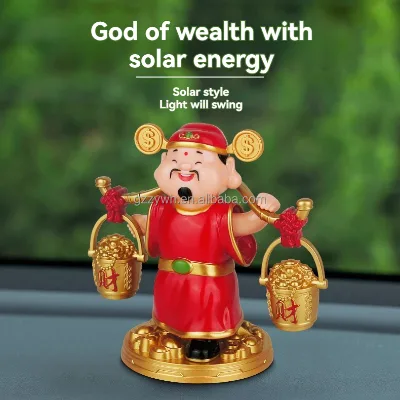
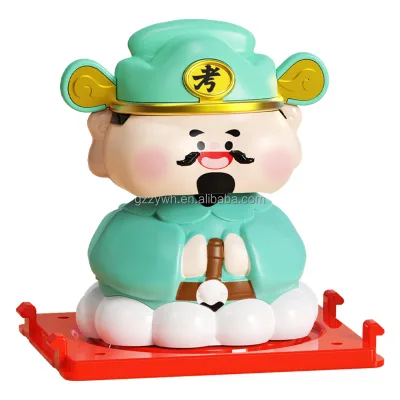
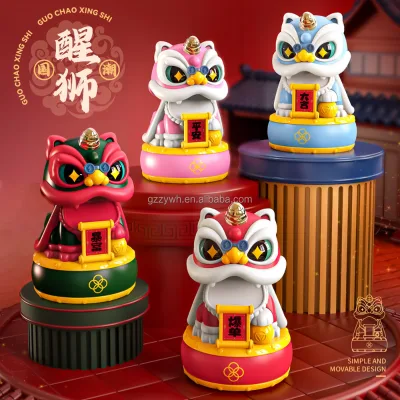

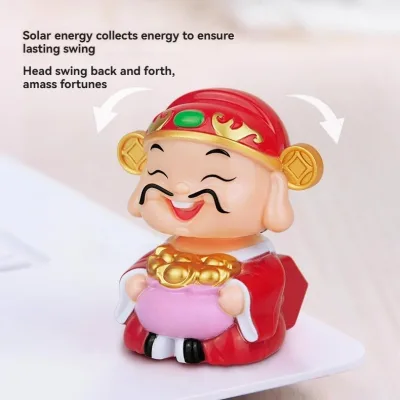
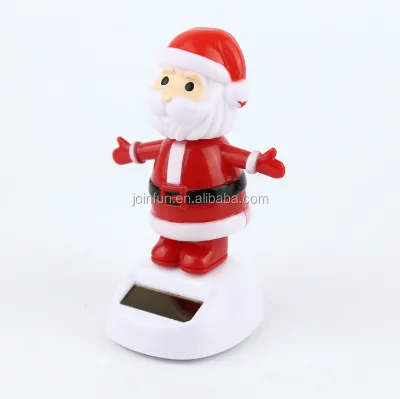
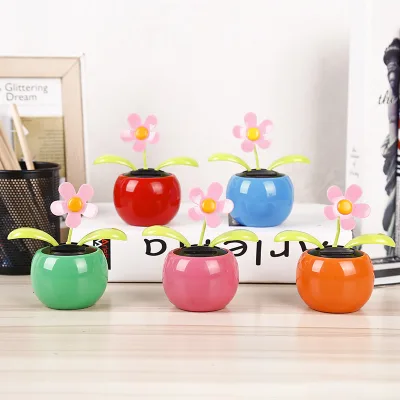
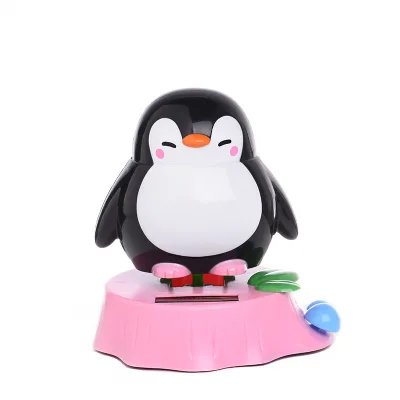


Garden Snail Statue-Outdoor Snail Garden Decorations Solar Figurine Light Animal
$9.99 - $12.48
MOQ: 100 Pieces
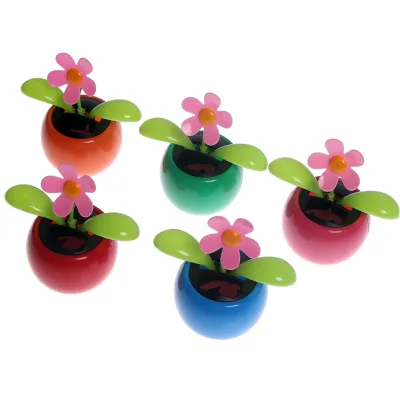


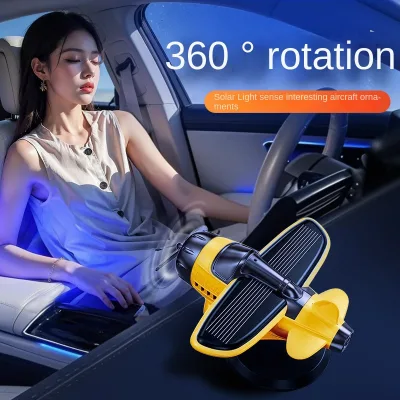


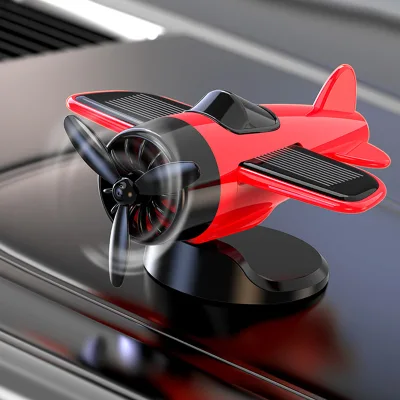


Comprehensive Sourcing Guide
Automatic Swing Solar Car Ornament Sourcing Guide
Sourcing automatic swing solar car ornaments requires distinguishing between decorative garden accents and functional toy vehicles, as the product landscape often blends these categories. Buyers must verify whether the item functions as a standalone solar-powered sculpture or a component of a larger garden display system. The observed market data indicates a strong presence of solar-powered dancing animals and decorative toys, suggesting that "car" ornaments may share similar mechanical and power architectures with these existing product lines.
Procurement teams should prioritize suppliers who explicitly define the motion mechanism, as the "automatic swing" feature relies on specific solar panel efficiency and battery storage capacity. The available product facts highlight a prevalence of Ni-MH batteries and low-voltage systems, which are critical for sustaining the intermittent motion required for a swinging car. Without clear documentation on the charging cycle and illumination time, buyers risk receiving units that fail to operate during overcast conditions or lack the torque to drive the swinging mechanism effectively.
Product Scope and Observed Listing Signals
The current market listings for solar ornaments reveal a diverse range of applications, from home decoration to holiday gifts, often categorized under solar-powered dancing animals or sculptures. Buyers should expect to encounter products with varying dimensions, such as the observed standard sizes of 4.5x3.4x11cm and 5.5x5.5x11cm, which dictate the scale of the ornament and its suitability for specific display locations. The material composition is predominantly plastic, often treated with painted or electroplated finishes to achieve styles ranging from imitated metal to antique aesthetics.
Listing signals frequently indicate that these items are suitable for both indoor and outdoor use, with specific mentions of garden usage and home decoration. However, the "Without Light Source" attribute for some models contrasts with others that feature LED lamps and cool white illumination, creating a potential confusion point for buyers seeking a specific visual effect. It is essential to scrutinize the product category description to ensure the item is indeed a car ornament rather than a generic dancing animal or abstract sculpture, as the mechanical requirements for a swinging car differ significantly from static or simple dancing figures.
Technical Specifications to Verify
Technical verification must begin with the power system, specifically the voltage and battery type, as the observed data points to 1.2V/2.4V systems utilizing Ni-MH batteries. Buyers need to confirm the charging time and the resulting illumination or motion duration, as the observed "Illumination Time: 6h" may not apply to the mechanical swinging function of a car ornament. The power consumption is generally listed as ≤5W, but the actual wattage required to drive the motor for a swinging motion can vary, necessitating a request for specific motor specifications and solar panel output ratings.
The physical construction and processing methods are equally critical, with injection molding and surface treatments like painting or electroplating being common. Buyers should verify the size specifications against their intended display area, noting that observed sizes range from 3-4cm to 11cm in height. Additionally, the "Washable" attribute suggests durability against weather, but the IP rating details are often incomplete or ambiguous in listings. Confirming the exact IP rating and the robustness of the plastic lamp body material is essential to ensure the ornament can withstand outdoor exposure without mechanical failure.
Compliance and Safety Documentation
Compliance verification is paramount, as the observed product data lists multiple certifications including CE, RoHS, and CCC, alongside ASTM and UV standards for specific toy categories. Buyers must ensure that the specific car ornament model carries the relevant safety certifications for its intended market, particularly if it is marketed as a toy for children over eight years old. The presence of ASTM and UV certifications suggests a focus on toy safety and material durability, but these must be explicitly linked to the specific model number, such as SL41027 or CFTFG26048, to be valid.
Documentation should also address the electrical safety of the solar components, ensuring that the low-voltage system meets local regulatory requirements for outdoor electrical devices. The "CE/RoHS" certificates observed in the data are standard for the region, but buyers should request the full test reports to verify that the solar panel and battery assembly do not pose a fire or chemical hazard. For products intended for the US market, confirming ASTM compliance is crucial, as this standard specifically addresses the safety of toys and decorative items that may be handled by children.
Cost Drivers and Commercial Terms
Cost structures for automatic swing solar car ornaments are heavily influenced by the complexity of the motion mechanism and the quality of the solar components. The observed MOQ ranges from 2 to 3000 units, with specific models like CFTFG26048 requiring a minimum order of 100 pieces, which significantly impacts the unit price for smaller buyers. Buyers should anticipate that customizations, such as specific colors or branding, will increase the cost and extend the production lead time, which is typically cited as 7-15 days for current models.
Commercial terms must clearly define the packaging and shipping logistics, as the observed packing methods vary from OPP bags to cartons, affecting both protection and volume. The price range of 0.01 to 14.34 USD suggests a wide disparity in quality and feature sets, requiring buyers to correlate price with the specific technical specifications like battery capacity and motor durability. Negotiating the MOQ and lead time is essential, as the "OEM&ODM Available" status indicates flexibility, but buyers must confirm if these services incur additional setup fees or minimum order thresholds.
Supplier Qualification and Quality Control
Supplier qualification should focus on their ability to provide consistent quality control for the mechanical and electrical components of the solar ornament. Buyers must verify the supplier's experience with injection molding and surface treatments like electroplating, as these processes directly affect the aesthetic finish and structural integrity of the plastic body. The "Customization: Available" and "Customized" attributes suggest that suppliers can adapt designs, but buyers should request samples to validate that the customization does not compromise the reliability of the swinging mechanism or the solar charging efficiency.
Quality control protocols must include rigorous testing of the motion function under various lighting conditions to ensure the "automatic swing" feature operates reliably. Buyers should demand a pre-shipment inspection plan that specifically checks the battery charge retention and the durability of the moving parts, as these are common failure points in solar toys. The "Washable" claim requires verification through actual water resistance testing, ensuring that the internal electronics are adequately sealed against moisture, which is critical for outdoor garden applications.
Long-Term Procurement Checks
Long-term procurement success depends on establishing a relationship with suppliers who can support ongoing quality consistency and supply chain stability. Buyers should monitor the supplier's adherence to the observed production standards and certifications, ensuring that future batches maintain the same level of compliance with CE, RoHS, and ASTM requirements. Regular audits of the manufacturing process, particularly the injection molding and surface treatment stages, will help prevent drift in product quality that could lead to customer returns or safety issues.
Sustainability and lifecycle management are also critical considerations, as the Ni-MH batteries and plastic components have specific disposal and recycling implications. Buyers should inquire about the supplier's plans for end-of-life management and whether they offer replacement parts or batteries to extend the product's usable life. Establishing a clear communication channel for feedback on field performance will allow for continuous improvement of the automatic swing mechanism and solar efficiency, ensuring the product remains competitive and reliable in the long term.
FAQs
How does an Automatic Swing Solar Car Ornament work?
It works by using a small solar panel that converts light into power for a Ni-MH battery and LED lamp. When sunlight or bright indoor light reaches the panel, the swinging mechanism activates without wiring or external power. Charging time and illumination time are listed at around 6 hours, and output stays at or below 5W.
What power source do these solar swinging ornaments use?
They use a rechargeable Ni-MH battery paired with an LED lamp light source, operating at 1.2V or 2.4V. The solar panel recharges the battery in daylight, so no disposable batteries or external power supply are needed. Power is rated at 5W or below, which suits small decorative items for cars, gardens, and homes.
Can the ornaments be customized for branding or gift purposes?
Yes, customization is available, and OEM and ODM services are offered for current models. Buyers commonly use them as business gifts, holiday gifts, home decoration, or art and collection pieces. You should confirm artwork requirements, logo placement, and packaging options such as carton or OPP bag packing before placing a production order.
What is the minimum order quantity for solar swinging ornaments?
Listed MOQs range from 2 pieces to 3000 pieces depending on the specific model and category. Some models are listed with an MOQ of 100 pieces for the current model. Because requirements vary by product, you should confirm the exact MOQ for your chosen model, finish, and customization level before ordering samples or production.
Which certifications do these solar decorative toys carry?
Product listings show CE and RoHS certification, and some toy listings additionally reference UV, ASTM, and CCC certification. Certification can differ by model, so you should request the relevant certificate copies for the exact product and shipment destination. This is especially important for toys intended for children over 8 years old.
How long does production take after an order is confirmed?
Listed production time is 7 to 15 days for current models. Customized orders, new tooling, or large quantities can extend this window, so confirm the schedule with the supplier before ordering. Production time usually runs separately from shipping transit time, so factor both into your delivery planning for retail or gift campaigns.
What materials and sizes are these swinging solar ornaments made in?
Lamp bodies are made of plastic, and toy styles include imitated metal finishes with painted or electroplated surface treatments. Listed sizes include 4.5x3.4x11cm, 5.5x5.5x11cm, and small 3-4cm pieces within a 0-19cm range. Colors are multicolor, and packing options include cartons and OPP bags depending on the model.
Are the ornaments suitable for both cars and home decoration?
Yes, usage categories include garden and home decoration, and product types include decoration and sculpture styles. Solar swinging models are designed for sunny spots such as dashboards or windowsills, while non-power-operated decorative versions are washable and suited to display shelves. Choose the model category that matches your intended placement and lighting conditions.