Source Automatic LED SMD Chip Shooter for PCB Assembly
Find and compare 30 Automatic LED SMD Chip Shooter models from global suppliers. Evaluate placement speeds, feeder capacities, and precision specs to select the right equipment for your SMT production line.
Key considerations
Products List


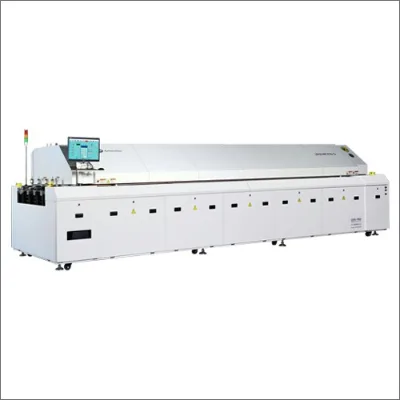
Chipbest SMD Reflow Soldering Oven SMT SMD Machine Automatic LED TV Equipment
$10000.00 - $23000.00
MOQ: 1 Pieces


1W 2W 3W UV 365nm 370nm 375nm 3535 SMD LED Chip for Mosquito Killer Lamp
$0.75 - $0.85
MOQ: 1000 Pieces
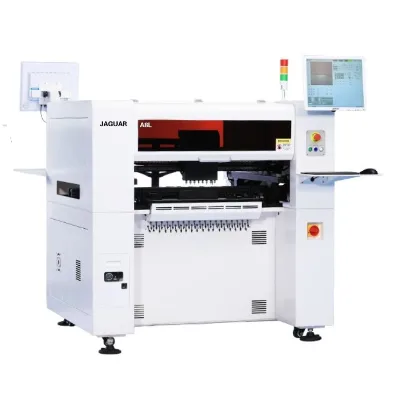
SMT Production Equipment LED Pick and Place Machine A8L for PCB Assembly Line
$29666.81 - $30807.77
MOQ: 1 sets


Comprehensive Sourcing Guide
Automatic LED SMD Chip Shooter Sourcing Guide
Selecting the right Automatic LED SMD Chip Shooter requires a clear understanding of the specific machine capabilities that align with your production volume and component mix. These machines, often referred to as pick-and-place systems, are engineered to handle high-speed placement of surface-mount devices onto printed circuit boards. The core keyword highlights a niche within the broader SMT (Surface Mount Technology) landscape, focusing on equipment optimized for LED components, which often have unique form factors and placement requirements compared to standard passive components. Buyers must evaluate whether the machine’s feeder configuration and nozzle array can accommodate the specific range of LED chips, from small 0603 sizes up to larger 8520 packages, ensuring that the hardware supports your current and near-future product designs without requiring excessive changeover time.
The procurement process for these machines involves navigating a market with significant variance in specifications, origins, and commercial terms. Observed listings indicate a wide price range, from entry-level units to high-end industrial systems, reflecting differences in speed, precision, and brand heritage. It is critical to distinguish between generic automatic chip shooters and specialized models like the Samsung SM482 Plus or dedicated LED pick-and-place machines, as each offers distinct advantages in throughput and accuracy. Buyers should approach this sourcing task with a focus on verifying the actual placement speed and precision claims against real-world performance data, rather than relying solely on marketing materials, to ensure the equipment will meet the cycle time targets of your assembly line.
Product Scope and Observed Listing Signals
The current market for automatic LED SMD chip shooters presents a diverse array of options, with observed product counts indicating a robust supply base. Listings reveal a broad spectrum of machine types, ranging from dedicated LED placement units to multi-purpose high-speed chip shooters. For instance, some models are explicitly branded as LED Pick and Place Machines with a placement speed of 38,000 cph, while others are marketed as Samsung Placement Machines with speeds reaching 46,000 cph. This variation suggests that buyers can find machines tailored to specific throughput needs, but it also necessitates careful comparison of technical attributes to avoid over-specifying or under-specifying the equipment for their particular production environment.
Observed listing signals also highlight significant differences in physical dimensions, weight, and feeder capacity, which are critical for factory floor planning. Machines vary from compact units weighing approximately 950 kg with 20 feeders to larger systems weighing 1,600 kg with 120 feeders. These physical attributes directly impact the space required in your facility and the complexity of the material handling setup. Additionally, the origin of the machines, primarily China and South Korea, influences the perceived reliability and support structure available to the buyer. Understanding these signals helps in narrowing down the supplier pool to those whose product portfolios align with your spatial constraints and component handling requirements.
Technical Specifications to Verify
When evaluating technical specifications, placement speed and precision are the primary metrics that define the machine’s capability. Buyers should verify the claimed placement speed, which can range from 30,000 to 46,000 components per hour, and ensure that this speed is sustainable for the specific component mix you intend to produce. High-speed chip shooters often boast speeds exceeding 38,000 cph, but it is essential to confirm whether this figure applies to all component types or only to small, easy-to-place parts. Additionally, placement accuracy, such as +/-50 µm, is a critical factor for ensuring the quality of the final assembly, particularly for LED components where misalignment can affect optical performance and reliability.
Other technical aspects to verify include the power supply requirements, air consumption, and PCB handling capabilities. Machines may require specific voltage inputs, such as AC200-415V or AC220V/110V, and air pressure within the range of 0.5-0.7 MPa, which must be compatible with your factory’s utility infrastructure. The maximum PCB size and thickness, often up to 1200x360mm and 4.2mm respectively, determine the versatility of the machine in handling different board formats. Furthermore, the number of nozzles and feeders, ranging from 8 nozzles and 20 feeders to more extensive configurations, impacts the machine’s ability to handle diverse component libraries without frequent changeovers, directly influencing overall line efficiency.
Compliance and Safety Documentation
Compliance with international standards is a non-negotiable aspect of sourcing industrial machinery, and buyers must ensure that the equipment meets the necessary safety and environmental regulations. Common certifications observed in the market include CE, ISO, and FDA, which indicate that the machine adheres to specific design and manufacturing standards. The CE mark, in particular, is crucial for buyers in Europe and other regions that recognize it, as it signifies conformity with health, safety, and environmental protection standards. Buyers should request valid certification documents from suppliers and verify their authenticity to avoid potential legal and operational issues during installation and commissioning.
In addition to certifications, documentation related to electrical safety and operational manuals is essential for safe and efficient use. Machines often come with detailed specifications for power supply and air consumption, which must be reviewed to ensure compatibility with your facility’s infrastructure. Buyers should also inquire about the availability of comprehensive user manuals, maintenance guides, and software updates, as these resources are vital for troubleshooting and optimizing machine performance. Ensuring that the supplier provides complete and accurate documentation helps in reducing downtime and extending the lifespan of the equipment, thereby protecting your investment.
Cost Drivers and Commercial Terms
The cost of automatic LED SMD chip shooters is influenced by several factors, including the machine’s speed, precision, brand, and origin. High-speed models with advanced features, such as those from Samsung or dedicated LED manufacturers, typically command higher prices due to their superior performance and reliability. Buyers should consider the total cost of ownership, which includes not only the initial purchase price but also ongoing costs such as maintenance, spare parts, and energy consumption. Understanding these cost drivers helps in making informed decisions that balance upfront investment with long-term operational efficiency.
Commercial terms, such as MOQ (Minimum Order Quantity), warranty, and packing, also play a significant role in the procurement process. While some suppliers may offer flexible MOQs, others might require larger orders, which can impact cash flow and inventory management. Warranty periods, ranging from 12 to 18 months, provide a level of assurance regarding the machine’s quality and the supplier’s commitment to after-sales support. Additionally, the packing method, whether wooden cases or vacuum wooden boxes, affects the safety of the machine during transit and should be considered when calculating logistics costs. Buyers should negotiate these terms carefully to ensure they align with their business needs and risk tolerance.
Supplier Qualification and Quality Control
Supplier qualification is a critical step in ensuring that the purchased equipment meets your quality and performance expectations. Buyers should assess the supplier’s reputation, experience, and technical support capabilities before making a purchase. Suppliers with a strong presence in the market and positive customer feedback are more likely to provide reliable products and responsive service. It is also important to verify the supplier’s ability to provide customization options, as some machines may need to be adapted to specific production requirements or component types.
Quality control measures implemented by the supplier can significantly impact the reliability and longevity of the machine. Buyers should inquire about the testing procedures conducted before shipment, including functional tests and precision checks, to ensure that the machine performs as specified. Additionally, understanding the supplier’s quality management system, such as ISO certification, can provide insight into their commitment to consistent product quality. Establishing a clear communication channel with the supplier for post-sale support and troubleshooting is also essential for maintaining optimal machine performance and minimizing downtime.
Long-Term Procurement Checks
Long-term procurement checks involve monitoring the machine’s performance and the supplier’s support over time to ensure sustained value. Buyers should establish key performance indicators (KPIs) to track the machine’s uptime, placement accuracy, and maintenance frequency, which can help identify potential issues early and optimize operational efficiency. Regular maintenance and calibration are essential to preserve the machine’s precision and speed, and buyers should ensure that the supplier provides adequate training and resources for their technical staff to perform these tasks effectively.
Furthermore, staying informed about technological advancements and industry trends can help buyers make informed decisions about future upgrades or replacements. As LED technology and SMT processes evolve, new machine models with improved features and capabilities may become available, offering opportunities to enhance production efficiency. Buyers should maintain a relationship with their supplier to stay updated on new products and services, ensuring that their equipment remains competitive and aligned with their long-term business goals. By proactively managing these aspects, buyers can maximize the return on their investment and maintain a robust and efficient production line.
FAQs
What is the placement speed of the LED Pick and Place Machine?
The LED Pick and Place Machine offers a placement speed of 38000cph. This high-speed capability ensures efficient production for SMT and LED applications while maintaining high precision during the chip mounting process.
Which certifications are available for these automatic chip shooters?
These machines come with CE, ISO, FDA, and CCC certifications. The product standard also explicitly lists CE and RoHS compliance, ensuring the equipment meets international safety and environmental requirements for industrial use.
Can the machine handle different PCB sizes and thicknesses?
Yes, the machine supports a maximum PCB size of 1200X360mm with an optional 1200X460mm configuration. It accommodates PCB thickness ranging from 0.38mm to 4.2mm, making it versatile for various board types.
What is the warranty period for the Samsung Pick and Place Machine?
The warranty period varies between 12 months and 18 months depending on the specific model configuration. Buyers should verify the exact terms for the Samsung SM482Plus or M6 models before finalizing the purchase agreement.
How many feeders are included with the automatic grade machine?
The machine is equipped with either 20 or 120 pieces of feeders depending on the specific model selected. This flexibility allows manufacturers to choose a configuration that matches their specific production volume and component requirements.
What is the power supply requirement for this equipment?
The power supply requirement is 2-phase AC200 to 415V at 50/60Hz for the LED model. Some Samsung variants support AC220V 50Hz or AC110V 60Hz, ensuring compatibility with different regional electrical standards.
Is customization available for the automatic LED chip shooter?
Customization is available for the automatic LED chip shooter to meet specific production needs. Buyers can request tailored specifications while relying on the existing high-speed and high-precision capabilities of the core machine design.