Source Automatic Twin-Screw Sheet Production Line for Packaging, Construction, and Advertising
Find and compare 30 automatic twin-screw sheet production line options for PP, PE, and PVC materials. Evaluate specifications like extruder models, sheet dimensions, and electrical components to identify suitable manufacturing solutions for packaging, construction, and advertising applications.
Key considerations
Products List


Plastic Sheet Line Sheet Line Machine PP Hollow Sheet Line PP Hollow Sheet Production Line
$125000.00 - $235000.00
MOQ: 1 Sets


Neutral Sealant Twin-Screw Silicone Sealant Automatic Production Line
$1290000.00 - $1500000.00
MOQ: 1 Sets


Plastic Sheet & Plate Extrusion Line/ Production Line/ Making Machine
$42000.00 - $43500.00
MOQ: 1 Sets


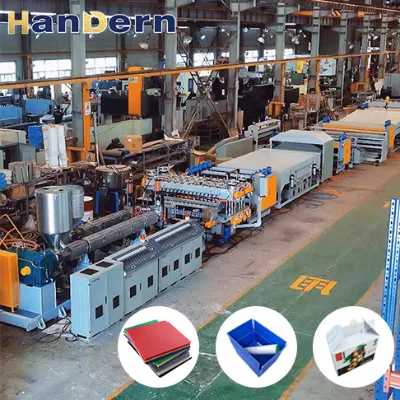


PP PE ABS Sheet Making Machine Extruder Make Machine Production Line
$90000.00 - $110000.00
MOQ: 1 Sets


Customized High Capacity Plastic APET/PETG/Cpet Sheet Machine/Production Line
$105000.00 - $180000.00
MOQ: 1 Sets


Comprehensive Sourcing Guide
Automatic Twin-Screw Sheet Production Line Sourcing Guide
Selecting an automatic twin-screw sheet production line requires a nuanced understanding of polymer processing dynamics, specifically how twin-screw extrusion differs from single-screw alternatives in terms of mixing efficiency, pressure generation, and material versatility. While single-screw lines are often sufficient for homogeneous thermoplastics like standard PP or PE, twin-screw configurations offer superior shear mixing and degassing capabilities, making them ideal for complex formulations, recycled materials, or high-fill compounds. Buyers must evaluate whether the specific twin-screw architecture—whether parallel or conical—aligns with their target material properties and output consistency requirements. This decision directly impacts the final sheet’s mechanical strength, surface finish, and dimensional stability, which are critical for downstream applications in construction, packaging, and advertising sectors.
The procurement process for these machines involves navigating a wide spectrum of technical configurations and commercial terms, as evidenced by the diverse listings available in the global market. Observed price ranges for such equipment can vary significantly, spanning from approximately $13,000 to over $1,800,000, reflecting differences in extruder size, automation level, brand of electrical components, and auxiliary equipment integration. Furthermore, the minimum order quantity (MOQ) is typically set at one unit, indicating that these are custom-engineered capital goods rather than off-the-shelf commodities. Buyers should approach this procurement as a strategic investment, focusing on total cost of ownership, including energy consumption, maintenance frequency, and potential downtime, rather than just the initial acquisition cost.
Product Scope and Observed Listing Signals
The market for automatic sheet production lines encompasses a variety of product types, including PP, PE, PVC, PS, and ABS sheets, each requiring specific extruder and die head configurations. For instance, PVC sheet making machines often utilize conical twin-screw extruders, such as the SJSZ65/132 or LMJP80/156 models, which are designed to handle the thermal sensitivity of PVC while providing adequate mixing. In contrast, PP and PE lines may employ single-screw extruders like the LSJ90/33 or LSJ-120/35, which are optimized for high-output processing of polyolefins. Buyers must carefully match the machine’s core extrusion technology to their primary raw material, as using a single-screw line for highly filled or sensitive PVC compounds can lead to poor quality and frequent breakdowns.
Observed listing signals reveal that manufacturers often provide extensive customization options, allowing buyers to tailor sheet width and thickness to their specific market demands. For example, PP/PE lines may offer sheet widths ranging from 700mm to 2200mm and thicknesses from 0.5mm to 30mm, while PVC lines might focus on narrower widths of 500mm to 1500mm with thinner gauges of 0.5mm to 2mm. These variations are not merely marketing points but reflect fundamental differences in the mechanical design of the die head, three-roller calendar, and cooling systems. Buyers should verify that the listed specifications align with their actual production needs, as over-specifying can lead to unnecessary capital expenditure, while under-specifying can result in bottlenecks and quality issues.
Technical Specifications to Verify
When evaluating technical specifications, the extruder model and screw configuration are paramount, as they determine the machine’s throughput and mixing quality. For twin-screw applications, the conical twin-screw extruder is a common choice for PVC, with models like the SJSZ65/132 offering a balance of mixing intensity and pressure generation. Buyers should verify the screw diameter, length-to-diameter ratio, and material composition, as these factors influence the machine’s ability to handle different viscosities and thermal profiles. Additionally, the die head design, such as the T-Type or Jc-Times Brand dies, plays a crucial role in ensuring uniform sheet thickness and width, so buyers should inquire about the adjustability and durability of these components.
The electrical and control systems are another critical area for verification, as they dictate the precision and reliability of the production process. Leading manufacturers often integrate high-quality components from brands like ABB, Omron, Schneider, Siemens, and RKC, which provide robust automation and monitoring capabilities. Buyers should confirm the specific brands and models of these components, as cheaper alternatives may compromise system stability and increase maintenance costs. Furthermore, the automation level, whether computerized or fully automatic, should be assessed based on the desired level of operator intervention and process consistency. A fully automated line with integrated feedback loops can significantly reduce human error and improve product uniformity.
Compliance and Safety Documentation
Compliance with international standards is a non-negotiable aspect of sourcing industrial machinery, ensuring that the equipment meets safety, environmental, and quality requirements. Most suppliers provide certifications such as CE and ISO9001, which indicate adherence to European safety directives and international quality management systems. Some listings also mention SGS or GOST certifications, which may be relevant for specific regional markets or industry standards. Buyers must verify the validity and scope of these certifications, ensuring that they cover the specific machine model and configuration being purchased, as generic certificates may not apply to custom-built equipment.
Safety documentation should include detailed manuals, electrical schematics, and hazard warnings, which are essential for safe operation and maintenance. Buyers should request these documents during the quotation phase to assess the supplier’s commitment to safety and transparency. Additionally, the machine’s design should incorporate safety features such as emergency stop buttons, protective guards, and interlocks, which are critical for protecting operators from moving parts and high-temperature surfaces. Buyers should inspect these features during factory acceptance tests or request video evidence to ensure that the machine meets their safety standards before shipment.
Cost Drivers and Commercial Terms
The cost of an automatic twin-screw sheet production line is influenced by several factors, including the extruder size, electrical component brands, and level of automation. Higher-end models with premium electrical components and advanced automation features will command higher prices, but they may offer better long-term value through improved efficiency and reliability. Buyers should request detailed breakdowns of the cost structure, including the price of the extruder, die head, calendar, and auxiliary equipment, to identify potential areas for cost optimization without compromising quality.
Commercial terms such as delivery time, warranty, and payment conditions are also critical considerations. Typical delivery times for such machinery can range from 60 working days, reflecting the custom nature of the equipment. Buyers should negotiate clear delivery schedules and penalties for delays, as production downtime can have significant financial implications. Warranty periods vary, with some suppliers offering 12 to 18 months of guaranteed time, which provides a buffer for identifying and resolving any initial operational issues. Payment terms should be structured to protect the buyer’s interests, such as using letters of credit or milestone-based payments, to ensure that the supplier fulfills their obligations before final payment is made.
Supplier Qualification and Quality Control
Supplier qualification is a vital step in the procurement process, as it ensures that the manufacturer has the technical expertise and production capacity to deliver a high-quality machine. Buyers should assess the supplier’s experience in manufacturing sheet production lines, their track record with similar projects, and their ability to provide after-sales support. Requesting references from previous customers and visiting the supplier’s facility can provide valuable insights into their manufacturing processes and quality control measures. Additionally, buyers should verify the supplier’s certifications and compliance with international standards, as these are indicators of their commitment to quality and safety.
Quality control measures should be integrated into the procurement process, from raw material inspection to final factory acceptance tests. Buyers should specify the quality standards and testing procedures that the machine must meet, including dimensional accuracy, surface finish, and mechanical performance. Factory acceptance tests should be conducted in the presence of the buyer’s representatives or through third-party inspection agencies, to ensure that the machine meets the agreed-upon specifications. Buyers should also request detailed maintenance manuals and training programs, which are essential for ensuring the long-term reliability and performance of the equipment.
Long-Term Procurement Checks
Long-term procurement checks focus on the sustainability and scalability of the investment, ensuring that the machine can adapt to changing market demands and technological advancements. Buyers should consider the availability of spare parts and the supplier’s ability to provide timely technical support, as these factors are critical for minimizing downtime and maintaining production efficiency. Additionally, buyers should evaluate the machine’s energy efficiency and environmental impact, as these factors are increasingly important in today’s regulatory landscape.
Scalability is another key consideration, as buyers may need to expand their production capacity or introduce new product lines in the future. Buyers should assess the machine’s modularity and upgrade potential, ensuring that it can be easily modified or expanded to meet changing requirements. Finally, buyers should establish a long-term relationship with the supplier, leveraging their expertise for continuous improvement and innovation. This partnership can provide valuable insights into industry trends and best practices, helping buyers stay competitive in a dynamic market.
FAQs
What certifications do the sheet production lines have?
The machines hold CE, ISO9001, and SGS certifications. Some models also include GOST standards. These certifications ensure compliance with international safety and quality requirements for industrial manufacturing equipment.
How long is the delivery time for these machines?
The standard delivery time is 60 working days. This lead time applies to the manufacturing and preparation of the production line before shipment from the Qingdao origin location to the buyer.
What is the guaranteed time for the equipment?
The guaranteed time ranges from 12 to 18 months depending on the specific model. This warranty period covers the machine's operational reliability and provides support for the initial production phase.
Can the production lines be customized for specific needs?
Yes, customization is available for these production lines. Buyers can request specific configurations for sheet width, thickness, or material type to match their unique manufacturing requirements and product applications.
Which electrical components are used in the machines?
Main electrical parts include brands like ABB, Omron, Schneider, Siemens, and Delixi. These high-quality components ensure stable operation and reliable control systems for the automatic twin-screw sheet production line.
What is the sheet width range for the PP PE machines?
The sheet width ranges from 700 to 2200 millimeters. This wide range allows the production line to manufacture various board sizes suitable for packing, stationery, and construction applications.
How is the machine packed for shipping?
The machines are packed in wooden cases or other moistureproof packages. Some models use wooden cases with vacuum film to ensure protection during transit from the Qingdao origin to the destination.