Source Automatic Two-in-One Hamster Water Feeder for Small Pets, Rodents, and Gerbils
Explore 30 listings for the automatic two-in-one hamster water feeder designed for small animals, gerbils, and rodents. Buyers can compare features like leak-proof designs, fixed-time feeding, and various bottle capacities ranging from 80ml to 120ml across different materials and colors.
Key considerations
Products List
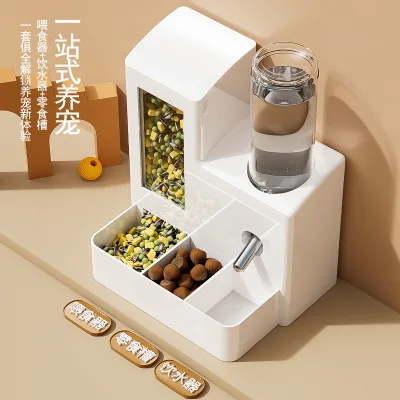


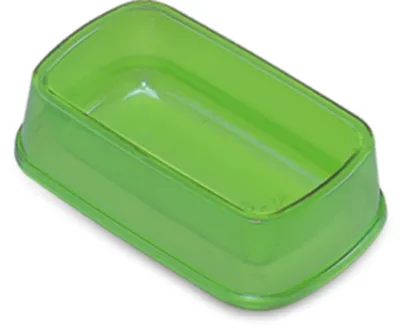

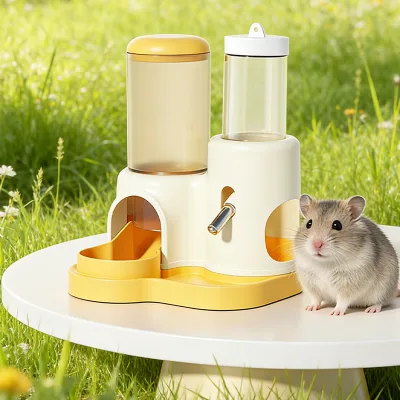
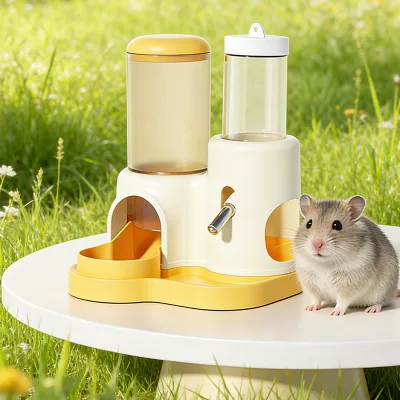


APP Remote Control Easy to Clean Automatic Smart Pet Feeder with Memory Function
$27.90 - $30.23
MOQ: 1000 Pieces







Comprehensive Sourcing Guide
Strategic Sourcing Guide for Automatic Two-in-One Hamster Water Feeders
Understanding Product Specifications and Functional Design
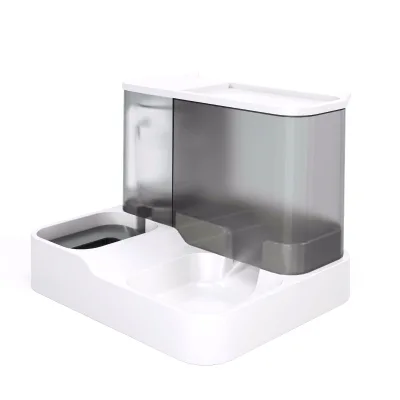
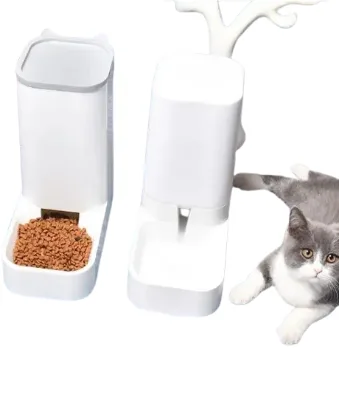
When sourcing an automatic two-in-one hamster water feeder, buyers must first distinguish between the specific mechanical configurations available in the market. The core product category encompasses devices that integrate a water dispensing mechanism with a food storage or feeding tray, designed specifically for small animals like hamsters, gerbils, and other rodents. Based on observed market data, these units frequently utilize materials such as Polypropylene (PP), Acrylonitrile Butadiene Styrene (ABS), and general plastics to ensure durability and safety. The design often features a rectangular shape with dimensions that vary significantly depending on the capacity required. For instance, specific model configurations have been observed with single package sizes of 15x11x11 cm, while other standard dimensions for similar feeding systems may range around 13.3x10.7x4.2 cm.
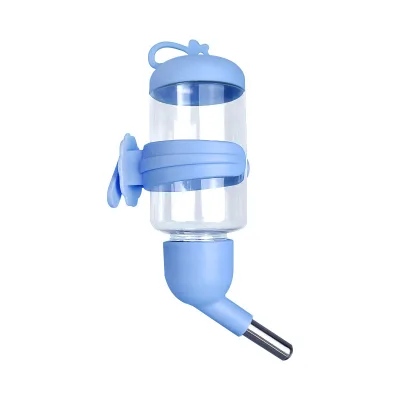
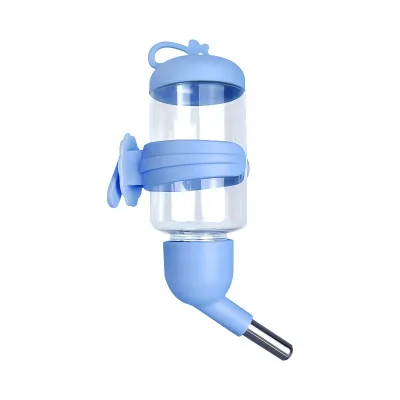
Capacity is a critical specification that dictates the frequency of refilling and the suitability for different colony sizes. Market observations indicate capacity ranges for food hoopers up to 1.8 liters, while water bottle components typically come in 80ml or 120ml variants. The physical size of the unit is often categorized into Small, Medium, and Large tiers, allowing buyers to select based on the specific housing dimensions of the pet. The functional design must also account for the type of food being dispensed; specifications often note compatibility with dry food particles ranging from 0 to 30mm in size. Furthermore, the product type is frequently described as a "Bowl" or a "Feeder" with a "Fixed Time Feeding" capability, although the "Automatic" designation in the market often refers to the gravity-fed water mechanism rather than a motorized food timer. Buyers should verify whether the "Automatic" feature implies a mechanical timer or simply a gravity-dispensing system that requires no power source.
Compliance, Certification, and Material Safety Standards
For pet products, particularly those involving ingestion of food and water, material safety is the paramount compliance consideration. The supply chain for these feeders often highlights certifications such as FDA, ISO, and BRC, which serve as indicators of adherence to international quality and safety management systems. When evaluating a supplier, buyers must verify that the materials used, specifically PP and ABS plastics, are explicitly labeled as food-grade. The presence of "Food Grade Material" as a product feature is a strong indicator that the manufacturer has considered chemical leaching risks.
However, buyers must exercise caution when interpreting certification claims. While the market data lists FDA, ISO, and BRC certifications, these are not universal for every listed SKU. A specific model number, such as L1224 or PHH-PF01, may carry these certifications, while a different variant from the same supplier might not. Therefore, the procurement strategy must include a direct request for current, valid certification documents for the specific batch or model being ordered. The "Eco friendly" and "Recyclable" attributes often found in product descriptions should be substantiated by the material composition; for example, PP is generally recyclable, but the presence of mixed materials like steel components or non-recyclable adhesives can complicate this claim.
Additionally, the "Biodegradable" feature listed in some product attributes requires careful verification. In the context of plastic feeders, this claim often refers to specific additives or blends rather than the base polymer. Buyers should request third-party test results or specific degradation standards to validate these environmental claims. The "Non-Automatic" and "Ultra Quiet" features suggest a focus on user experience and animal stress reduction, which are qualitative attributes that should be confirmed through product samples rather than relying solely on marketing text.
Cost Drivers and Pricing Structure Analysis
The pricing landscape for automatic two-in-one hamster feeders is characterized by a wide variance, with observed listed prices ranging from $0.30 to $45.68 USD. This broad spectrum is driven by several key factors, including the complexity of the mechanism, the volume of the water and food containers, and the quality of the materials. The lower end of the price range typically corresponds to basic gravity-fed systems made from standard PP plastic with minimal customization. In contrast, the higher price points often reflect units with advanced features, such as fixed-time feeding mechanisms, premium ABS construction, or specialized designs that integrate multiple functions like cleaning and heat preservation.
Minimum Order Quantity (MOQ) is another significant cost driver, with observed ranges spanning from 1 unit to 2,000 units. Buyers purchasing small quantities may face higher per-unit costs due to the lack of economies of scale, while bulk orders can significantly reduce the average cost. The "Selling Units" attribute often indicates that products are sold as single items, but the ability to negotiate "Small Orders" is a critical factor for startups or retailers testing the market. Customization is a major variable in pricing; the availability of custom branding, color variations (such as Sky Blue, Purple, Green, Pink, White, or Black), and tailored dimensions can increase the unit cost.
Buyers should also consider the "Single Gross Weight" of the product, which is observed at 0.300 kg for certain models. This weight impacts shipping costs, particularly for air freight, which is often used for smaller, high-value orders. The "Place of Origin" also influences cost; products originating from Zhejiang, China, or Taiwan, China, may have different labor and logistics cost structures compared to other regions. When evaluating the total cost of ownership, buyers must factor in the "Service" duration offered by the supplier, with some factories promising 15+ years of service, which can reduce long-term maintenance and replacement costs.
Typical Applications and Usage Scenarios
The primary application of automatic two-in-one hamster feeders is for the feeding and hydration of small animals, specifically hamsters, gerbils, and other rodents. The "Applicable Pet" attribute confirms this focus, ensuring that the design accommodates the specific behavioral needs of these species. The "Usage Scenarios" are predominantly indoor, making these feeders suitable for home environments, pet shops, and breeding facilities. The "Fixed Time Feeding" feature is particularly valuable for owners who travel or have irregular schedules, ensuring that pets receive consistent nutrition without human intervention.
The versatility of these products is highlighted by their multi-functional nature. Beyond simple feeding, some models are designed for cleaning and breeding purposes, offering a comprehensive solution for pet care. The "Type" of product often includes bowls and feeders, with specific attention paid to the "Pet Food Size" to ensure that the dispensing mechanism does not clog with larger kibble. The "Condition" of the product is typically listed as "New," indicating that buyers are purchasing fresh inventory rather than refurbished units.
For commercial buyers, the "Factory" attribute suggests that some suppliers are manufacturers rather than traders, which can offer advantages in supply chain transparency and customization capabilities. The "Service" aspect, including the availability of 15+ years of experience, implies a mature supply chain capable of handling large-scale orders for pet food retailers or veterinary clinics. The "Stocked" feature indicates that certain models are available for immediate shipment, reducing lead times for urgent procurement needs.
Supplier Evaluation and Quality Control Protocols
Evaluating suppliers for automatic two-in-one hamster feeders requires a rigorous approach to ensure product consistency and reliability. Buyers should prioritize suppliers who provide detailed model numbers, such as L1224, PHH-PF01, or 765-A, as these identifiers allow for precise tracking of specifications and quality history. The "Brand Name" is another critical factor; established brands like "Pets Happy Home" or "Acepet" often maintain higher quality standards due to their reputation in the market. However, buyers should not rely solely on brand recognition and must verify the supplier's manufacturing capabilities.
Quality control protocols should focus on the integrity of the "Leak-Proof" and "Anti-Spill" features, which are essential for preventing messes and maintaining hygiene. Buyers should request samples to test the "Easy To Clean" attribute, ensuring that the design allows for thorough cleaning without damaging the "Food Grade Material." The "Lightweight" and "Durable" characteristics should be verified through physical stress testing, particularly for the "Steel" components if present in the assembly.
The "Customization" availability is a key differentiator for suppliers. Buyers should assess the supplier's ability to handle "Customized" orders, including specific colors, sizes, and branding. The "Tiers" attribute, such as "1 Tier," indicates the structural complexity of the feeder, which can affect stability and ease of use. Buyers should also verify the "prod_packing" method, typically "Carton," to ensure that products are protected during transit and arrive in perfect condition.
Long-Term Procurement and Strategic Considerations
Long-term procurement of automatic two-in-one hamster feeders requires a strategic approach that balances cost, quality, and supply chain resilience. Buyers should consider the "Standard" specifications, such as the 13.3x10.7x4.2 cm dimensions, to ensure compatibility with existing pet housing systems. The "prod_origin" of China and Taiwan, China, suggests a mature manufacturing base, but buyers should monitor geopolitical and logistical factors that could impact lead times.
The "Service" aspect, including the potential for 15+ years of support, indicates a long-term partnership potential. Buyers should establish clear communication channels with suppliers to address any issues related to "Fixed Time Feeding" mechanisms or material degradation over time. The "Small Orders" acceptance policy allows for flexibility in inventory management, enabling buyers to scale up or down based on market demand without being locked into excessive stock levels.
Finally, buyers should maintain a focus on sustainability and environmental compliance. The "Eco friendly" and "Recyclable" attributes should be continuously monitored to ensure that the supplier adheres to evolving environmental regulations. By integrating these strategic considerations into the procurement process, buyers can secure a reliable supply of high-quality automatic two-in-one hamster feeders that meet the needs of their customers and the pets they serve.
| Feature Category | Key Observation | Verification Requirement |
|---|---|---|
| Material | PP, ABS, Plastic, Steel | Request Food Grade certification for all contact surfaces. |
| Capacity | 80ml, 120ml, 1.8L | Confirm capacity matches specific pet colony size. |
| Certification | FDA, ISO, BRC | Validate current certificates for the specific model batch. |
| Dimensions | 15x11x11 cm, 13.3x10.7x4.2 cm | Verify physical fit within intended pet housing. |
| MOQ | 1 to 2,000 units | Negotiate based on order volume and customization needs. |
| Origin | Zhejiang, China; Taiwan, China | Assess logistics lead times and shipping costs. |
| Features | Leak-Proof, Anti-Spill, Fixed Time | Test samples for leak integrity and dispensing accuracy. |
FAQs
What certifications do automatic two-in-one hamster water feeders have?
Many models carry FDA, ISO, and BRC certifications to ensure safety. Buyers must verify these documents for specific batches, as not every SKU includes all listed standards. Always request current certificates before ordering to confirm compliance.
Which materials are used for these feeders?
Feeders are commonly made from PP, ABS, and general plastics, with some featuring steel components. These materials are often labeled as food-grade to prevent chemical leaching. Verify the specific material composition for each model to ensure durability and safety.
Can I find feeders with fixed time feeding capabilities?
Yes, some units offer fixed time feeding features for automated dispensing. However, the term automatic often refers to gravity-fed water mechanisms rather than motorized timers. Check product specifications to confirm if the device includes a mechanical timer or simple gravity flow.
What is the typical capacity for food and water?
Food hoopers can hold up to 1.8 liters, while water bottles typically come in 80ml or 120ml variants. Sizes are categorized as small, medium, or large to fit different housing dimensions. Select the capacity based on the specific needs of your hamster colony.
How does the price range vary for these products?
Listed prices range from 0.30 to 45.68 USD depending on complexity and material quality. Basic gravity-fed systems cost less, while units with advanced features or customization command higher prices. MOQ and shipping costs also significantly influence the final unit cost.
Which suppliers offer customization for these feeders?
Customization is available for branding, colors, and dimensions from many manufacturers. Suppliers often accept small orders, allowing flexibility for startups. Confirm the specific customization options and associated costs before placing an order to ensure the product meets your requirements.
Where are these feeders typically manufactured?
Most products originate from Zhejiang, China, or Taiwan, China. These regions have mature manufacturing bases for pet supplies. Buyers should consider the place of origin when evaluating logistics costs and potential lead times for their specific orders.