Source automatic two-sided dtf printer for T-shirts, Pet Film, and Textiles
Compare 30 models of automatic two-sided dtf printer featuring Epson heads and pigment or DTF ink. These platen press machines support multi-color printing on cotton, polyester, and nylon with resolutions up to 720*2160dpi and speeds reaching 10 square meters per hour.
Key considerations
Products List


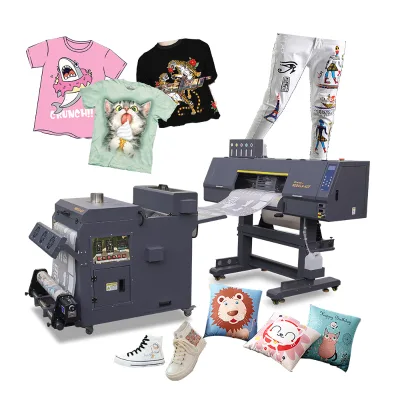


300mm Dtf Printer China Dtf Printing Machine High Quality Very Low Cost
$3000.00 - $3900.00
MOQ: 1 Pieces


Dtf Printer 60cm Dtf Printer Printing Automatic Machine All in One Dtf Printer
$7746.00 - $7988.00
MOQ: 1 Pieces


Dtf Printer with White Ink Circulation System Direct to Film Printer
$2000.00 - $7000.00
MOQ: 1 Pieces


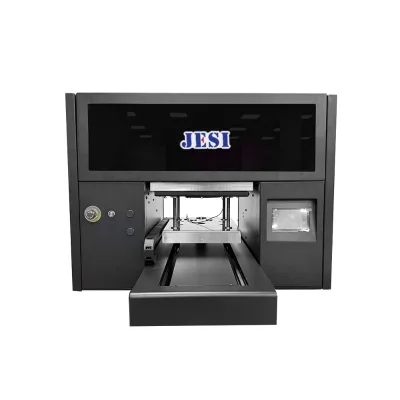
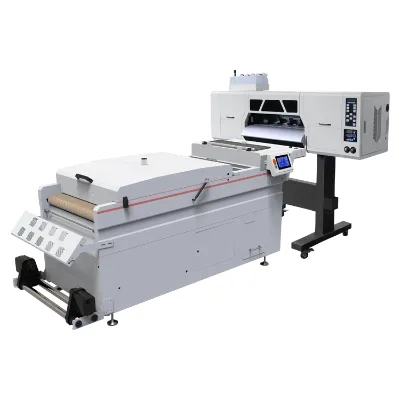
Comprehensive Sourcing Guide
Strategic Sourcing Guide for Automatic Two-Sided DTF Printers
Understanding the Technical Architecture of Automatic DTF Systems
When evaluating an automatic two-sided Direct-to-Film (DTF) printer, the primary focus must be on the mechanical architecture that enables simultaneous or sequential printing on both sides of the film, as well as the specific print head configuration that dictates output quality. Based on current market observations, these machines often utilize advanced automatic grade systems designed for continuous operation. A critical technical differentiator is the print head selection. High-performance units in this category frequently employ Epson F1080-A1 heads or dual/triple configurations of 4720 print heads, such as the 2pcs or 4pcs 4720 setups observed in recent listings. The choice between these heads directly influences the resolution and speed capabilities of the machine.
The resolution specifications vary significantly depending on the configuration. Buyers should expect to see resolutions ranging from 720x1440dpi in standard 8-pass modes to higher fidelity options like 720x2160dpi, 360x2160dpi, or 360x1080dpi in high-speed modes. The printing interface is another vital component; while some units operate on USB2.0, others have upgraded to USB3.0 to handle the massive data throughput required for two-sided printing without bottlenecks. The RIP software ecosystem is equally important, with standard configurations often including Riin 10.5, while Flexiprint and Maintop are frequently listed as optional or alternative software suites. These software layers manage color separation, ink limiting, and the precise alignment required for two-sided registration.
The physical structure of the printer also plays a role in its classification. Many units are identified as Platen Press or Flatbed Printers, utilizing an automatic adsorption aluminum vacuum table to hold the film securely during the printing process. This ensures that the film does not shift, which is critical when printing on both sides to maintain alignment. The working environment requirements are specific, typically necessitating a temperature range of 15 to 35°C to maintain ink viscosity and mechanical stability. Power consumption for these industrial-grade units is generally around 200W, though this can vary based on the number of active print heads and the intensity of the white ink circulation system.
Compliance, Certification, and Safety Standards Verification
In the procurement of industrial printing equipment, verifying compliance and certification is a non-negotiable step, even when specific certification data is not explicitly provided in every listing. While some market data references CE certification as a background attribute, buyers must not assume this status applies to every unit without direct verification from the supplier. The absence of a specific certification claim in a product description should be treated as a gap in information rather than a confirmation of non-compliance. Buyers must explicitly request current certification documents to ensure the machine meets the safety and electromagnetic compatibility standards of their target market.
The physical standards of the machine, including its dimensions and packaging, are also part of the compliance picture regarding shipping and installation. Observed package sizes for these units can vary, with specific models showing dimensions like 790x450x460mm or larger industrial footprints. The standard packaging often involves plywood cases or wooden boxes, which are essential for protecting the delicate print heads and vacuum tables during transit. Buyers should verify that the packaging meets international shipping standards to prevent damage. Furthermore, the origin of the product, whether from Zhengzhou, Zhejiang, or Shanghai in China, can influence the specific regulatory framework the manufacturer adheres to.
Safety standards regarding the ink system are paramount. The use of pigment ink or DTF ink requires that the machine's ventilation and waste management systems comply with local environmental regulations. The automatic white ink circulation system, a common feature in these printers, must be designed to prevent clogging and leakage, which could pose safety hazards. Buyers should request the machine's User Manual and Safety Data Sheets (SDS) for the inks and solvents used. These documents will detail the chemical composition and handling requirements, ensuring that the facility where the printer will be installed is equipped with the necessary safety protocols.
Cost Drivers and Financial Evaluation Metrics
The pricing of automatic two-sided DTF printers is influenced by a complex matrix of factors, including print head count, resolution capabilities, and the sophistication of the RIP software. The observed price range for these units spans from approximately $885 to $11,348 USD, a significant variance that reflects differences in build quality, component sourcing, and feature sets. The lower end of the spectrum typically corresponds to single-head or entry-level configurations, while the higher end includes multi-head setups with advanced automation and higher resolution capabilities.
The Minimum Order Quantity (MOQ) is another critical financial factor. In the current market, many suppliers offer an MOQ of 1 unit, making these machines accessible for small to medium-sized enterprises. However, buyers should be aware that while the unit price might be low, the total cost of ownership includes consumables like ink, film, and the specialized DTF powder. The ink type, whether pigment or DTF specific, and the efficiency of the white ink circulation system will directly impact the cost per square meter of production.
Supply ability is also a hidden cost driver. Suppliers with a monthly capacity of around 199 sets may have different pricing structures compared to those with higher or lower production volumes. Buyers should consider the lead time implications of these supply capabilities. If a supplier has a high demand, lead times may extend, affecting the time-to-market for the buyer's production line. Additionally, the warranty period, often cited as 1 year, is a key component of the financial risk assessment. A longer warranty or extended service packages can reduce the long-term financial risk associated with machine downtime.
Typical Applications and Media Compatibility
Automatic two-sided DTF printers are designed for a wide array of applications, primarily focusing on textile printing. The observed print media compatibility includes a broad spectrum of fabrics such as cotton, polyester, nylon, linen, wool, spandex, and yarn. This versatility makes these machines ideal for manufacturers producing apparel, sportswear, and fashion accessories. The ability to print on both sides of the film allows for complex designs that require double-sided coverage or specialized effects that are difficult to achieve with single-sided printing.
The print width is another determinant of application suitability. While some models offer a print width of 330mm, others support much larger dimensions, ranging from 150mm up to 3200mm. This flexibility allows buyers to select a machine that matches their specific production needs, whether they are printing small batches of custom t-shirts or large rolls of fabric for industrial use. The image format support, including JPG, TIF, and PDF, ensures compatibility with various design software workflows, streamlining the transition from digital design to physical print.
The printing speed is a crucial metric for application planning. Units with a speed of 1.2 square meters per hour are suitable for low-volume, high-detail work, while others capable of 10 square meters per hour are better suited for high-volume production environments. The choice of speed depends on the trade-off between throughput and the level of detail required for the specific application. For instance, printing on delicate fabrics like silk or wool may require slower speeds to ensure ink adhesion and color accuracy, whereas printing on heavy cotton or polyester blends can often accommodate higher speeds.
Supplier Evaluation and Operational Due Diligence
Evaluating a supplier for an automatic two-sided DTF printer requires a rigorous due diligence process that goes beyond the initial product listing. Buyers should verify the supplier's location, as origins such as Zhengzhou, Zhejiang, and Shanghai represent different industrial hubs with varying levels of expertise in printing machinery. The condition of the machine, typically listed as "New," should be confirmed with proof of manufacturing date and assembly records. It is essential to ensure that the machine has not been refurbished or repackaged without disclosure.
The supplier's ability to provide after-sales support is a critical evaluation criterion. Given the complexity of the automatic white ink circulation system and the precision required for two-sided printing, buyers need a supplier that offers comprehensive technical support, including remote troubleshooting and on-site service if necessary. The availability of spare parts, such as print heads, nozzles, and vacuum tables, should be confirmed to minimize downtime. The warranty terms, often stated as 1 year, should be scrutinized to understand what is covered, including labor, parts, and software updates.
Furthermore, the supplier's production capacity and supply ability, such as the observed 199 sets per month, indicate their ability to fulfill orders promptly. Buyers should assess whether the supplier has a track record of delivering machines that meet the specified technical parameters, such as the print resolution and speed. Requesting references from existing customers and reviewing case studies can provide valuable insights into the supplier's reliability and the performance of their machines in real-world scenarios.
Quality Control and Long-Term Procurement Considerations
Implementing a robust quality control (QC) protocol is essential for ensuring that the automatic two-sided DTF printer meets the buyer's expectations. QC should begin at the factory level, where the machine undergoes rigorous testing for print head alignment, ink flow consistency, and vacuum table performance. Buyers should request detailed test reports that verify the machine's ability to achieve the specified resolution, such as 720x1440dpi or higher, and to maintain consistent print speeds under various conditions.
Long-term procurement considerations also involve the scalability of the machine. As the buyer's business grows, the printer should be capable of handling increased production volumes without compromising quality. The modular nature of the print head system, with options for 2pcs or 4pcs 4720 heads, allows for potential upgrades or replacements to enhance performance. The compatibility with different RIP software options, such as Riin 10.5, Flexiprint, or Maintop, provides flexibility in adapting to changing workflow requirements.
The environmental impact of the machine is another long-term consideration. The use of pigment ink and the efficiency of the white ink circulation system contribute to the machine's overall sustainability. Buyers should evaluate the machine's energy consumption, typically around 200W, and its compatibility with energy-saving modes. Additionally, the disposal and recycling of used ink cartridges and waste materials should be managed in accordance with local environmental regulations.
| Feature | Observation | Verification Requirement |
|---|---|---|
| Print Head | 1x Epson F1080-A1 or 2-4x 4720 | Confirm head model and warranty status |
| Resolution | 720x1440dpi to 720x2160dpi | Request sample prints for quality check |
| Speed | 1.2 to 10 sqm/hour | Verify actual throughput under load |
| Ink Type | Pigment or DTF Ink | Confirm ink compatibility and supply chain |
| Interface | USB2.0 or USB3.0 | Ensure compatibility with existing IT infrastructure |
| Warranty | 1 Year (Standard) | Review terms for parts and labor coverage |
By adhering to these guidelines and maintaining a disciplined approach to verification, buyers can make informed decisions when sourcing automatic two-sided DTF printers. The combination of technical understanding, compliance checks, and supplier evaluation ensures that the selected equipment will meet the demands of modern textile printing while providing a solid foundation for long-term operational success.
FAQs
What print resolution does the automatic two-sided dtf printer offer?
The printer offers resolutions of 720x1440dpi in 8-pass mode or higher options like 720x2160dpi. These settings depend on the specific print head configuration, such as the Epson F1080-A1 or 4720 heads, which determine the final image fidelity.
Which ink types are compatible with this automatic two-sided dtf printer?
The machine supports both Pigment Ink and DTF Ink types for various applications. It features an automatic white ink circulation system to ensure consistent flow and prevent clogging during the printing process on media like PET film.
Can the automatic two-sided dtf printer print on multiple fabric types?
Yes, the printer is compatible with cotton, polyester, nylon, linen, wool, spandex, and yarn. This versatility allows for direct printing on a wide range of textile materials suitable for apparel and fashion accessories production.
How fast can the automatic two-sided dtf printer print per hour?
Print speeds range from 1.2 square meters per hour for high-detail work to 10 square meters per hour for high-volume production. The actual speed depends on the selected resolution and the specific print head configuration installed on the unit.
What is the standard warranty period for the automatic two-sided dtf printer?
The standard warranty period provided for the machine is one year. This coverage typically includes parts and labor, though specific terms may vary by supplier and should be confirmed before purchase to ensure adequate protection.
Which software options are available for the automatic two-sided dtf printer?
Standard configuration includes Riin 10.5 RIP software, with Flexiprint and Maintop available as optional alternatives. These software suites manage color separation and ensure precise alignment required for two-sided printing operations on the vacuum table.