Source Automatic Washable Flat Mop for Home, Office, and Floor Cleaning
Source 30 Automatic Washable Flat Mop options from verified Chinese manufacturers. Compare features like microfiber heads, steel poles, and wringing methods to find the right solution for home, office, and general floor cleaning applications; compare the available evidence and request quotations based on your requirements.
Updated
Key considerations
Products List


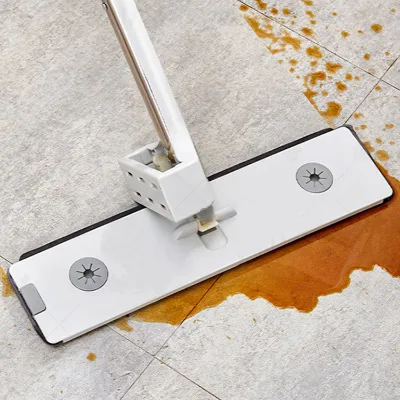
2026 New Wholesale Flat Mop Household Hand Wash Clean 42cm Lazy Flat Floor Mops
$3.0848 - $3.5994
MOQ: 300 pieces
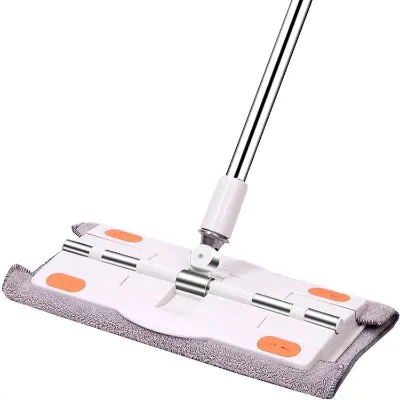
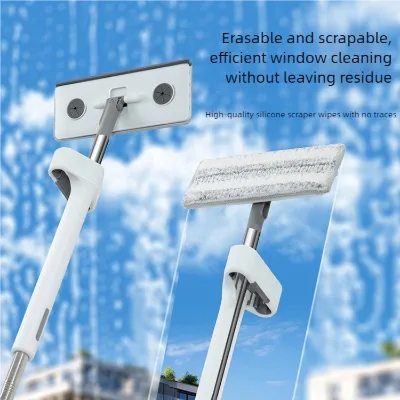
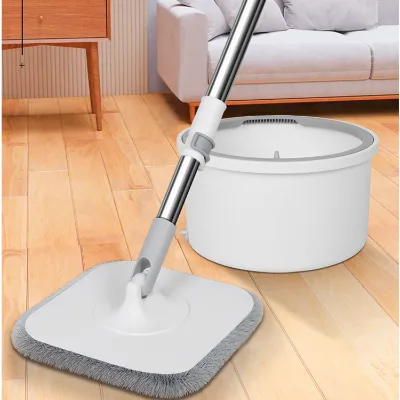


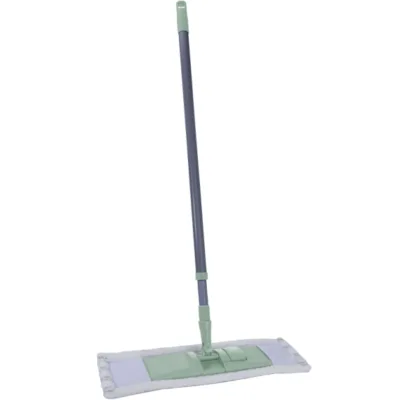


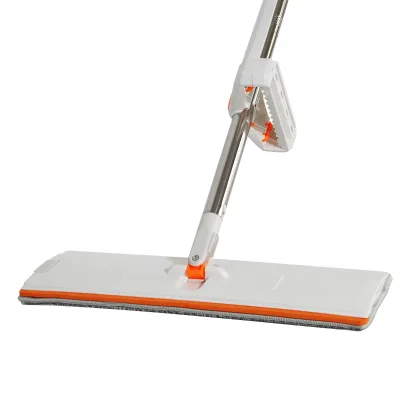
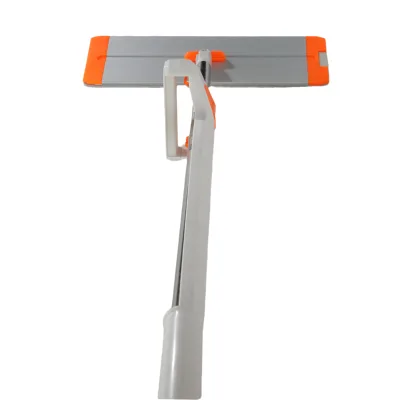
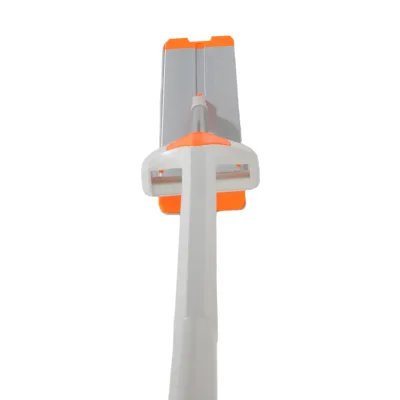
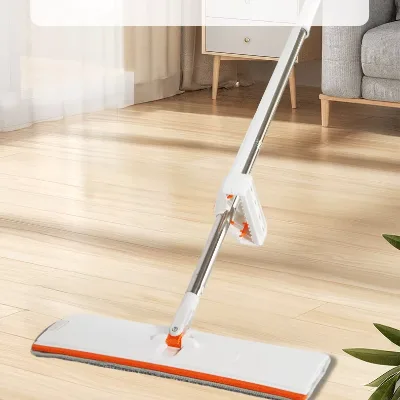
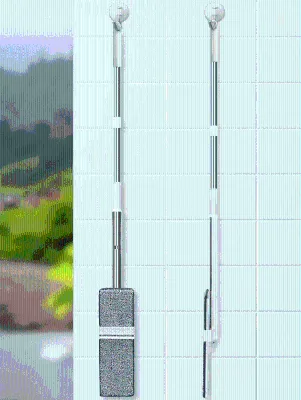
Comprehensive Sourcing Guide
Automatic Washable Flat Mop Sourcing Guide
Sourcing automatic washable flat mops requires a clear understanding of the hybrid nature of these cleaning tools, which blend manual ergonomics with mechanical wringing systems. Buyers must distinguish between fully automated robotic units and manual flat mops equipped with self-wringing mechanisms, as the latter dominate the current B2B market for general floor care. The supplied data indicates a strong presence of flat mop designs featuring steel or stainless steel poles, microfiber heads, and plastic components like PP and TPR. These materials suggest a focus on durability and lightweight handling, essential for both commercial and residential procurement. Procurement teams should prioritize suppliers who explicitly define the "automatic" aspect as a mechanical folding or plate-tipping wringer rather than an electric motor, ensuring alignment with operational expectations and budget constraints.
The market signals reveal a diverse range of product models, from the X mini to the CT4-25 and MSX-7017, indicating that customization is a key differentiator for manufacturers. Buyers should leverage the available customization options to tailor mop head materials, handle lengths, and bucket dimensions to specific cleaning environments. The observed product attributes, such as eco-friendly features and disposable mop heads, highlight a growing demand for sustainable cleaning solutions that reduce water and chemical usage. Understanding these nuances allows buyers to select products that not only meet functional requirements but also align with corporate sustainability goals. It is crucial to verify whether the "automatic" claim refers to the wringing mechanism or the mop head replacement system, as this distinction significantly impacts user training and maintenance protocols.
Product Scope and Observed Listing Signals
The observed product listings demonstrate a wide variance in specifications, with prices ranging from $0.56 to $6.50 USD and minimum order quantities spanning from 1 to 30,000 units. This broad range suggests that the market includes both sample-ready items and bulk industrial orders, catering to different procurement scales. The presence of products with specific model numbers like X mini and CT4-25 indicates that manufacturers offer distinct variants, likely differentiated by head shape, pole material, or wringing mechanism type. Buyers should carefully review these model-specific details to ensure compatibility with existing cleaning infrastructure, particularly regarding bucket dimensions and handle sizes. The low price points for basic units suggest high competition and potential for volume discounts, while higher-priced items may offer enhanced features like telescopic handles or superior dehydration rates.
Listing signals also highlight specific functional attributes, such as water absorption times of 10-20 seconds or under 10 seconds, and dehydration rates of 90-100%. These metrics are critical for evaluating the efficiency of the automatic wringing system, which is central to the product's value proposition. The inclusion of packaging details, such as carton boxes and the inclusion of two mop heads, provides insight into the unboxing experience and initial inventory value. Additionally, the mention of self-wringing advantages and plate-tipping methods clarifies the mechanical operation, helping buyers assess ease of use for staff. Procurement teams should use these signals to create a comparison matrix, weighing factors like weight, head shape, and material composition against the specific needs of their cleaning operations to identify the most suitable product variants.
Technical Specifications to Verify
Technical verification must begin with the structural integrity of the mop pole, which is listed as steel, stainless steel, or iron in various models. Buyers should confirm the pole's load-bearing capacity, with some listings citing a capacity of over 10kg, to ensure it can withstand the pressure applied during the wringing process without bending or breaking. The handle size, observed at 124cm, and the chassis shape, described as flat or rectangular, are crucial for ergonomic assessment and compatibility with standard cleaning buckets. It is essential to verify the telescopic nature of the handle, if applicable, to ensure it locks securely at various heights, accommodating users of different statures. These physical dimensions directly impact user comfort and the efficiency of the cleaning process, making precise verification a priority during the sampling phase.
The mop head material is consistently identified as microfiber, which is known for its superior dust and liquid absorption capabilities. Buyers should verify the head shape, whether square or rectangular, and the specific attachment mechanism to ensure it remains secure during vigorous wringing. The dehydration rate, claimed to be between 90% and 100%, is a key performance indicator for the automatic wringing system, directly influencing floor drying time and slip hazards. Additionally, the water absorption time, ranging from under 10 seconds to 20 seconds, should be tested to confirm the microfiber's effectiveness. The bucket dimensions, such as 192137cm, and clear water capacity of 1.8L must be checked to ensure the mop fits comfortably within the wringing mechanism, preventing jamming or inefficient operation.
Compliance and Safety Documentation
Compliance verification should focus on the material safety of the components, particularly the plastic parts made from PP and TPR, and the metal poles. Buyers must request material safety data sheets to ensure that the plastics are free from harmful chemicals like BPA, especially since these products are used in home and office spaces. The listing mentions a reach certification, which, while low-confidence, suggests that some suppliers may adhere to European chemical regulations. Procurement teams should explicitly ask for proof of compliance with relevant safety standards for household cleaning tools, ensuring that the product does not pose health risks during use. This is particularly important for products intended for use in sensitive environments like schools or healthcare facilities, where material safety is paramount.
Safety documentation should also cover the mechanical safety of the automatic wringing mechanism. Buyers need to verify that the folding or plate-tipping wringer does not have sharp edges or pinch points that could injure users. The durability times, listed as 15,000 to 20,000 cycles, provide a baseline for expected lifespan, but buyers should request test reports or warranty terms that support these claims. Additionally, the eco-friendly attribute should be substantiated with certifications or material declarations that confirm the sustainability of the microfiber and other components. Ensuring that the product meets all relevant safety and environmental standards protects the buyer from liability and enhances the brand reputation of the end-user.
Cost Drivers and Commercial Terms
Cost drivers for automatic washable flat mops include the complexity of the wringing mechanism, the quality of the microfiber head, and the material of the pole. Stainless steel poles and telescopic handles typically increase the unit cost compared to standard steel or iron poles. The inclusion of multiple mop heads in the packaging, as seen in some listings, adds to the initial cost but may reduce long-term replacement expenses. Buyers should analyze the total cost of ownership, considering the durability times and the frequency of mop head replacements. The observed MOQ range of 1 to 30,000 units allows for flexibility, but larger orders may yield significant price reductions, making it essential to negotiate based on projected annual volume.
Commercial terms should be carefully negotiated to include clear warranty provisions, especially regarding the mechanical parts of the wringing system. Buyers should seek terms that cover defects in materials and workmanship for a reasonable period, given the high cycle counts claimed by suppliers. Payment terms, such as letters of credit or advance payments, should be aligned with the supplier's reliability and the order size. Additionally, buyers should clarify the packaging details, such as the carton box specifications, to ensure efficient storage and shipping. Understanding these commercial nuances helps in building a sustainable supply chain that balances cost efficiency with quality assurance and risk mitigation.
Supplier Qualification and Quality Control
Supplier qualification should prioritize manufacturers with a proven track record in producing cleaning tools, particularly those located in established manufacturing hubs like Zhejiang and Hebei, China. Buyers should verify the supplier's production capacity and quality control processes, ensuring they have standardized procedures for testing the wringing mechanism and material durability. The presence of customization options suggests that the supplier has flexible manufacturing lines, which is a positive indicator of their ability to meet specific buyer requirements. It is crucial to conduct factory audits or request third-party inspection reports to assess the supplier's adherence to quality standards and ethical labor practices. This due diligence helps mitigate the risk of receiving substandard products that fail to meet the specified technical requirements.
Quality control checks should include random sampling and functional testing of the automatic wringing mechanism to ensure consistent performance across batches. Buyers should verify the dehydration rate and water absorption time on a sample basis to confirm that the microfiber heads meet the claimed specifications. Additionally, inspecting the pole for straightness and the handle for secure locking mechanisms is essential to prevent field failures. The supplier's ability to provide consistent product quality, as indicated by the standardized model numbers and specifications, is a key factor in long-term partnership success. Establishing clear quality acceptance criteria and communication channels with the supplier ensures that any issues are addressed promptly, maintaining the integrity of the procurement process.
Long-Term Procurement Checks
Long-term procurement checks should focus on the supplier's ability to maintain consistent quality and supply stability over time. Buyers should monitor the performance of the mops in the field, tracking metrics like the frequency of mop head replacements and the durability of the wringing mechanism. Regular feedback loops with the end-users can provide valuable insights into any usability issues or performance degradations that may not have been apparent during initial sampling. Suppliers should be required to provide updates on any changes in materials or manufacturing processes, ensuring that the product remains compliant with evolving safety and environmental standards. This proactive approach helps in identifying potential issues early and maintaining a high standard of cleaning efficiency.
Additionally, buyers should periodically review the commercial terms and market conditions to ensure that the pricing remains competitive and aligned with the value provided. The ability of the supplier to offer continuous improvements, such as enhanced microfiber technology or more ergonomic designs, is a key indicator of their commitment to innovation. Building a strong relationship with the supplier can lead to better support, faster response times, and potential co-development opportunities. By maintaining a strategic focus on long-term value rather than just initial cost, buyers can secure a reliable supply of high-quality automatic washable flat mops that meet their evolving cleaning needs.
FAQs
What materials are used in the mop head and pole?
The mop head is made of microfiber for effective dust and liquid absorption. The pole is constructed from steel or stainless steel to ensure durability and rust resistance during daily cleaning tasks. Some models also incorporate PP, TPR, and iron components in the bucket or wringer mechanism to provide structural stability and long-term performance for home or office use.
Can this flat mop be customized for specific branding needs?
Yes, customization is available for buyers requiring specific branding or design adjustments. Suppliers offer customized options to meet unique procurement requirements. This allows businesses to tailor the product appearance or packaging, such as using a carton box, to align with their brand identity while maintaining the core functional features of the flat mop system.
How long does it take for the mop head to absorb water?
The mop head typically absorbs water within 10 to 20 seconds, depending on the specific model and microfiber density. Some high-performance variants claim absorption in under 10 seconds. This rapid absorption capability ensures efficient cleaning of spills and wet floors, making it suitable for both household and commercial office spaces where quick drying is essential.
What is the dehydration rate of the wringing mechanism?
The wringing mechanism achieves a dehydration rate of 90% to 100%, ensuring the mop head is nearly dry after use. This high efficiency prevents excess water from being left on floors, reducing slip hazards and drying time. The folding or plate tipping type wringer is designed to effectively squeeze out moisture while preserving the integrity of the microfiber material.
Where are these cleaning mops manufactured?
These cleaning mops are manufactured in China, specifically in regions such as Zhejiang and Hebei. These locations are known for their robust manufacturing infrastructure for household cleaning appliances. Buyers can source products directly from these origins, ensuring access to established supply chains and competitive pricing for bulk orders of flat mops and related cleaning accessories.
What is the typical weight of the complete mop set?
The complete mop set typically weighs less than 2kg, making it lightweight and easy to handle for extended cleaning periods. This low weight reduces user fatigue during daily chores. The design prioritizes ergonomic handling, allowing users to maneuver the flat mop effortlessly across various floor types without compromising on the structural strength of the steel or stainless steel pole.