Source Eco Friendly Magic Kitchen Sponge for Dishwashing, Home, and Office Cleaning
Source Eco Friendly Magic Kitchen Sponge from 30 verified listings. Compare models like KCSK-310 and MSOK-076, review sponge and melamine materials, and check absorption rates up to 2000% for efficient dishwashing and general home cleaning tasks; compare the available evidence and request quotations based on your requirements.
Updated
Key considerations
Products List


Eco Kitchen Sponge Dish Washer Sponge
$0.08 - $0.10
MOQ: 1000 Pieces
Jiangsu Miaohong Environmental Protection New Material Co., Ltd.


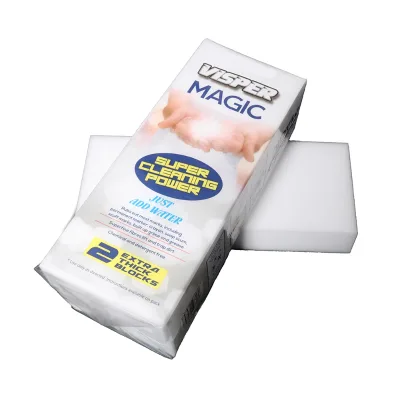


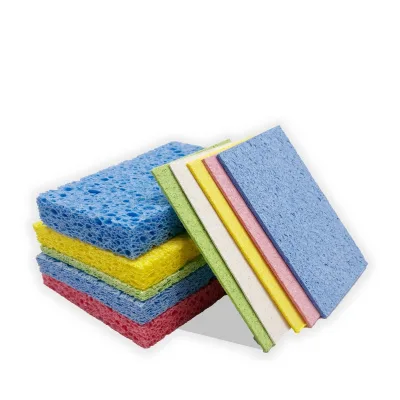
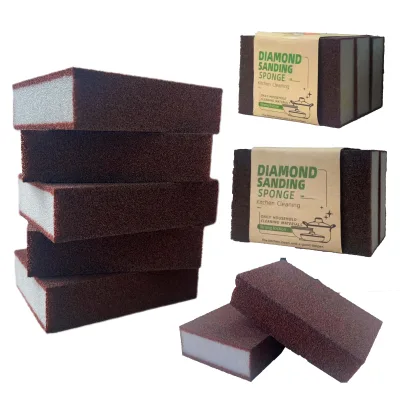
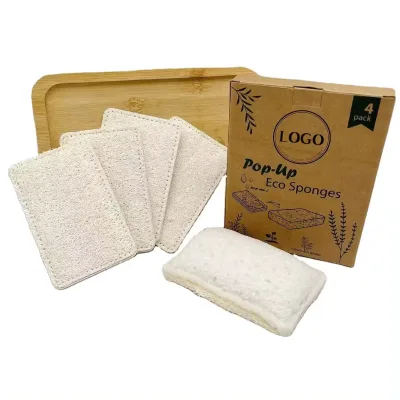
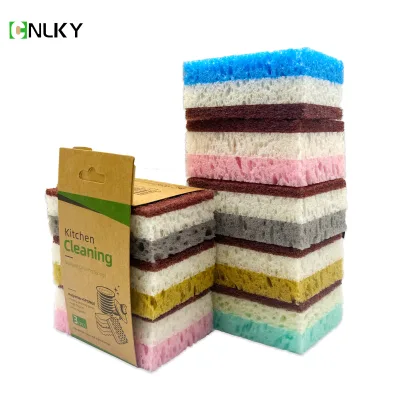
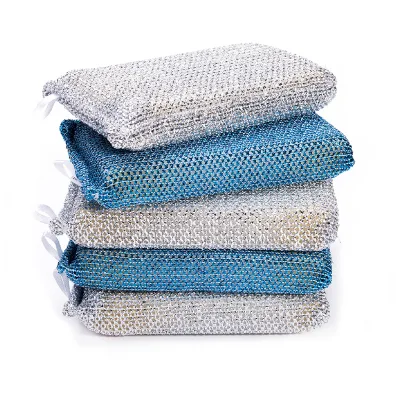
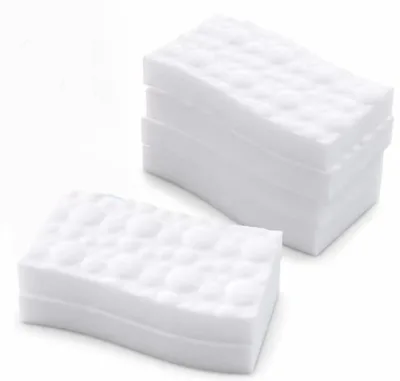
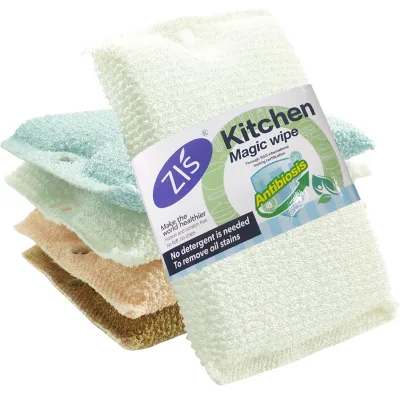


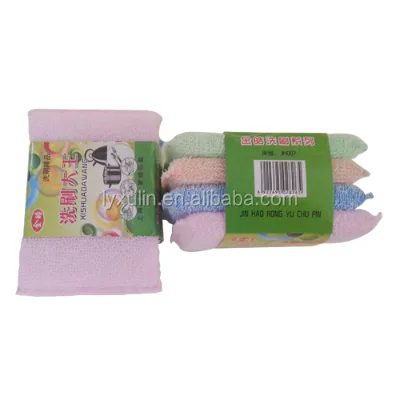
Kitchen Usage Sponge ,kitchen Cleaning Sponge ,magic Cleaning Sponge
$0.0103 - $0.0205
MOQ: 10 Minimum


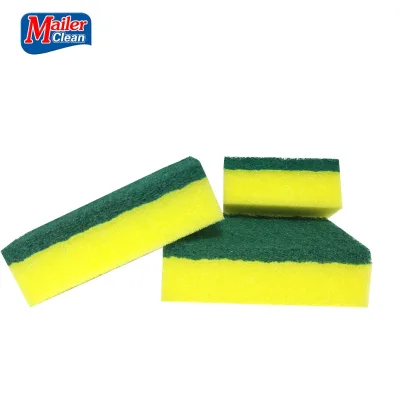
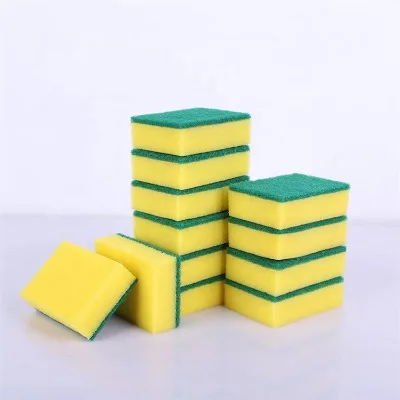
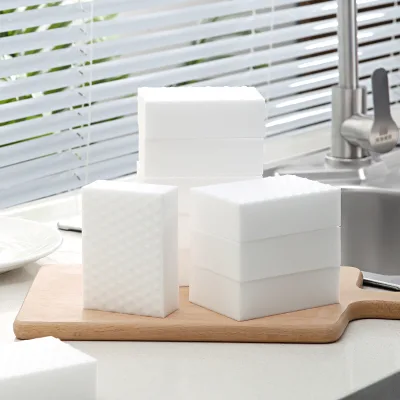
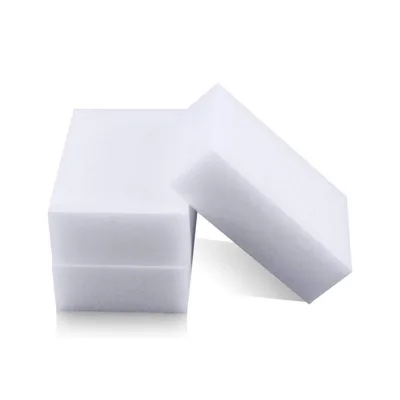

Heavy Duty Scrubber Dish Washing Kitchen Clean Sponge Eco Friendly Sponge
$0.07 - $0.13
MOQ: 10000 Pieces
Comprehensive Sourcing Guide
Eco Friendly Magic Kitchen Sponge Sourcing Guide
Sourcing eco-friendly magic kitchen sponges requires a careful balance between high-performance cleaning capabilities and sustainable material considerations. Buyers must navigate a market where "eco-friendly" claims often intersect with synthetic materials like melamine foam, which offer superior stain removal but differ significantly from traditional cellulose or plant-based sponges. The primary challenge lies in verifying the actual environmental impact of the product, as many listings highlight features such as water absorption rates or chemical-free cleaning without providing comprehensive lifecycle data. Procurement teams need to establish clear definitions of what constitutes "eco-friendly" for their specific supply chain, whether that means biodegradability, reduced plastic packaging, or energy-efficient manufacturing processes.
This guide provides a structured approach to evaluating suppliers and products based on observed market signals and technical specifications. By focusing on verifiable attributes such as material composition, packaging standards, and customization options, buyers can make informed decisions that align with both performance requirements and sustainability goals. The following sections detail the critical factors to consider, from technical specifications to commercial terms, ensuring a robust sourcing strategy for eco-friendly magic kitchen sponges.
Product Scope and Observed Listing Signals
The current market for magic kitchen sponges exhibits a wide range of product variations, with observed prices ranging from $0.01 to $0.76 per unit and minimum order quantities (MOQs) spanning from 10 to 10,000 pieces. This diversity allows buyers to select products that fit various budget constraints and volume requirements, from small-scale retail trials to large-scale industrial procurement. Common material observations include sponge and melamine foam, with specific models like KCSK-310, MSOK-076, and SPON 501 appearing frequently in listings. These models often feature standardized dimensions such as 9.66.83CM or 1173.5CM, catering to standard kitchen cleaning tasks while allowing for some size customization based on buyer needs.
Packaging and branding strategies also vary significantly, with options ranging from simple OPP bags to more complex OPP+Carton combinations. Some suppliers offer customized branding and packaging, which is crucial for private label opportunities, while others provide non-customized stock items. The observed carton quantities, such as 800 pieces or 500 pieces per carton, and gross weights like 2.35kgs/carton, provide essential data for logistics planning. Buyers should pay close attention to these logistical details to ensure efficient shipping and storage, particularly when dealing with bulk orders that require precise palletization and container loading calculations.
Technical Specifications to Verify
When evaluating technical specifications, buyers should prioritize water absorption capabilities, with some products claiming absorption rates between 750% and 2000%. This high absorption capacity is a key performance indicator for cleaning efficiency, particularly in kitchen environments where quick liquid removal is essential. Additionally, product dimensions should be verified against standard sizes, such as 100x65x20mm or 100x70x30mm, to ensure compatibility with existing storage and dispensing systems. The shape of the sponge, whether standard rectangular or various custom shapes, also impacts ergonomic handling and cleaning effectiveness, so buyers should request samples to assess tactile performance and durability.
Material composition is another critical technical aspect, with melamine foam being a common material for magic sponges due to its micro-abrasive properties. However, buyers must verify if the product is truly eco-friendly, as melamine foam is a synthetic polymer that may not biodegrade easily. Some listings mention features like being eco-friendly and stocked, but these claims should be substantiated with material safety data sheets or third-party certifications. Buyers should also check for anti-ultraviolet properties, as some products may degrade under prolonged exposure to sunlight, affecting their shelf life and performance in retail environments.
Compliance and Safety Documentation
Compliance and safety documentation are paramount when sourcing magic kitchen sponges, especially given the potential for chemical exposure during cleaning. Buyers should request Material Safety Data Sheets (MSDS) to understand the chemical composition and potential hazards associated with the product. While some listings mention eco-friendly features, it is essential to verify if the product meets specific safety standards, such as Oeko-Tex or other relevant textile and material safety certifications. These certifications can provide assurance that the product is free from harmful substances and safe for use in food preparation areas.
Additionally, buyers should inquire about the manufacturing standards and quality control processes employed by the supplier. Documentation such as ISO certifications or factory audit reports can offer insights into the supplier's commitment to quality and safety. It is also important to verify if the product has undergone any specific testing for durability, abrasiveness, or chemical resistance, particularly if it is intended for heavy-duty kitchen cleaning. By ensuring that all necessary compliance documentation is in place, buyers can mitigate risks associated with product liability and ensure that their sourcing decisions align with regulatory requirements.
Cost Drivers and Commercial Terms
Cost drivers for magic kitchen sponges include material costs, manufacturing complexity, and packaging requirements. The observed price range of $0.01 to $0.76 reflects these variations, with higher prices often associated with customized branding, premium materials, or specialized packaging. Buyers should consider the total cost of ownership, including shipping, handling, and storage, when evaluating price quotes. Minimum order quantities (MOQs) also play a significant role in pricing, with larger orders typically benefiting from economies of scale, reducing the per-unit cost.
Commercial terms such as payment methods, lead times, and return policies should be clearly defined in the contract. Buyers should negotiate favorable terms that align with their cash flow and inventory management strategies. It is also important to consider the supplier's flexibility in handling order modifications or cancellations, as market demands can fluctuate. By understanding the cost drivers and negotiating favorable commercial terms, buyers can optimize their procurement strategy and achieve better value for their investment in eco-friendly magic kitchen sponges.
Supplier Qualification and Quality Control
Supplier qualification is a critical step in ensuring the reliability and consistency of the supply chain. Buyers should conduct thorough due diligence on potential suppliers, including verifying their business licenses, manufacturing capabilities, and quality control processes. Factory audits, either on-site or through third-party agencies, can provide valuable insights into the supplier's operational standards and compliance with ethical labor practices. Additionally, buyers should assess the supplier's ability to meet customization requirements, such as specific packaging or branding needs, which are often crucial for private label products.
Quality control measures should be established to ensure that the products meet the specified standards and performance criteria. This includes implementing incoming inspection protocols, random sampling, and periodic audits to monitor product quality. Buyers should also establish clear communication channels with the supplier to address any quality issues promptly and effectively. By prioritizing supplier qualification and robust quality control, buyers can minimize the risk of receiving substandard products and maintain a consistent supply of high-quality eco-friendly magic kitchen sponges.
Long-Term Procurement Checks
Long-term procurement checks involve continuous monitoring of supplier performance and market trends to ensure sustained value and reliability. Buyers should regularly review supplier metrics, such as on-time delivery rates, product quality consistency, and responsiveness to issues. This ongoing evaluation helps identify potential risks and opportunities for improvement, allowing buyers to make data-driven decisions about their supply chain. Additionally, staying informed about market trends, such as new material innovations or changing consumer preferences, can help buyers adapt their sourcing strategies to remain competitive.
It is also important to periodically reassess the environmental impact of the products and suppliers, ensuring that they continue to meet the buyer's sustainability goals. This may involve seeking out new suppliers with more eco-friendly practices or exploring alternative materials that offer better environmental profiles. By maintaining a proactive approach to long-term procurement checks, buyers can build a resilient and sustainable supply chain that supports their business objectives and contributes to a more environmentally responsible future.
FAQs
What materials are used for eco friendly magic kitchen sponges?
These sponges are primarily made from melamine foam or sponge materials. Melamine variants offer high water absorption rates between 750% and 2000%. Sponge options provide customizable shapes and colors. Both materials support effective dishwashing and general kitchen cleaning tasks while maintaining durability during repeated use.
Can I customize the size and packaging of these sponges?
Yes, customization is available for both product dimensions and packaging methods. Standard sizes include 9.6x6.8x3cm and 11x7x3.5cm, with custom requirements also accepted. Packaging options range from individual OPP bags to bulk cartons containing 48 to 800 pieces, allowing flexible logistics solutions for various order volumes.
What is the typical MOQ for bulk orders of these sponges?
The minimum order quantity varies by supplier and product type. Observed MOQs range from 10 pieces for samples up to 10,000 pieces for large bulk orders. Specific models like SPON 501 may require higher minimums. Buyers should verify exact MOQ requirements with manufacturers to ensure alignment with their procurement needs.
Where are these eco friendly magic kitchen sponges manufactured?
These products are manufactured in China, with specific origins noted in Shanghai. Manufacturers offer various models such as KCSK-310 and MSOK-076. The production facilities support both standard and customized specifications. Buyers can source directly from these Chinese factories to access competitive pricing and reliable supply chains for global distribution.
What are the key features of melamine magic sponges?
Melamine magic sponges are eco-friendly and often stocked for immediate availability. They feature high water absorption and come in various colors like white, green, yellow, and black. These sponges are designed for home and kitchen cleaning, offering effective stain removal without harsh chemicals. Their durable structure ensures long-lasting performance for daily household tasks.
How are these sponges packaged for shipping and storage?
Sponges are packaged in OPP bags for individual units or in larger cartons for bulk shipping. Carton sizes vary, such as 55x55x50cm, containing hundreds of pieces. Some products use OPP plus carton combinations. This packaging ensures protection during transit and facilitates efficient storage, with gross weights typically around 2.35kg per carton for standard packs.