Sustainable Sleeveless Kitchen Apron Suppliers and Manufacturers
Source 18 verified suppliers for Sustainable Sleeveless Kitchen Apron products. Compare key dimensions including location, response time, lead time, and MOQ to identify suitable partners. Review product specifications and pricing details to streamline your procurement process; review the available evidence before requesting comparable quotations from suitable candidates.
Suppliers List

Ningbo Aolabo Clothing Co., Ltd.
- Verified by TUVRHEINLAND
- Trading Company
- China Zhejiang
- Lead time15 days
- Avg. response≤ 3h
Main marketsDomestic


Apron Sleeveless Kitchen Cooking Apron with Pocket for Hotel Cafe Restaurant
$1.50 - $2.00
MOQ: 30 Pieces

Pockets Custom Reusable Adjustable Bib Sleeveless Apron for Kitchen Cooking
$1.50 - $2.00
MOQ: 30 Pieces

Wellmien Healthcare Tech. (Suzhou) Co., Ltd.
- Verified by BV
- Trading Company
- China Jiangsu
- Lead time15 days
- Avg. response≤ 3h
Main productsUnderpads, Surgical Pack, Wound Care, Emergency Blanket, Face Masks, Surgical Masks, Shoe Cover, First Aid Product, Emergency Transfer Sheet, Body Bag
Main marketsSouth America,Southeast Asia/ Mideast,Europe

Durable Disposable Plastic Kitchen Apron Hygiene Safety Protective Apron
$0.14 - $0.16
MOQ: 50000 Pieces

Jiangmen Jindeng Industrial Co., Ltd.
- Manufacturer
- Guangdong, China
- Lead time45 days
- Avg. response≤ 3h
Main productsironing board,ironing board cover,ironing mats,ironing pad,seersucker fabric
Main marketsEastern Europe(20.00%), Southeast Asia(15.00%), Eastern Asia(15.00%), Western Europe(15.00%), North America(10.00%), Southern Europe(10.00%), Domestic Market(5.00%), Mid East(3.00%), Oceania(3.00%), Northern Europe(2.00%), South America(2.00%)

Hubei Ruichen Protective Products Co., Ltd
- Verified by CTI
- Combined
- China Hubei
- Lead time23 days
- Avg. response≤ 4h
Main marketsDomestic,Europe

Colorful Waterproof Plastic Apron/PE Apron Without Sleeves for Kitchen Use
$0.01 - $0.15
MOQ: 100000 Pieces


- Verified by TUVRHEINLAND
- Trading Company,Manufacturer/Factory
- China Chongqing
- Lead time38 days
- Avg. response≤ 5h
Main productsBaseball Cap, Beanie Hat, Trucker Hat, Bucket Hat, Snapback Hat, Scarf, Gloves, Apron, Sock, T Shirt&Polo Shirt
Main marketsSouth America,Eastern Europe,Mid East,North America,Southeast Asia,Eastern Asia,Oceania,Western Europe,Africa

Hebei Dishixiao Gloves Manufacture Co., Ltd
- Verified by BV
- Trading Company
- China Hebei
- Lead time15 days
- Avg. response≤ 5h
Main productsCap, Apron, Gloves
Main marketsSouth America,Europe,North America

Custom Sleeveless Kitchen Apron Custom Logo Cook Aprons Cheap Adjustable Apron
$1.80 - $2.50
MOQ: 50 Pieces

Waterproof PVC Waist Apron Oil-Proof and Washable Reusable Sleeveless Butcher Kitchen Apron
$2.20 - $2.80
MOQ: 100 Pieces


Hebei Chengji Textile Co., Ltd.
- Verified by Intertek
- Manufacturer, Trading Company
- Lead time15 days
- Avg. response≤ 2h
Main productsApron, Chef's Hat, Sleeve Covers
Main marketsDomestic Market(80%), North America(5%), Western Europe(5%)
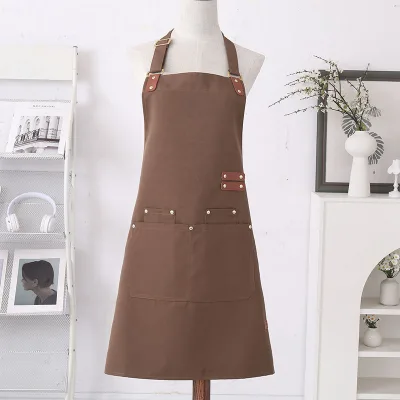
Wholesale High Quality Multi Pocket Kitchen Work Apron Custom Logo Waterproof Canvas Fabric Apron
$2.88 - $3.16
MOQ: 50 pieces

Zhangjiagang Wenhao Industrial Co., Ltd.
- Combined
- China Jiangsu
- Lead time30 days
- Avg. response≤ 4h
Main productsDisposable Glove
Main marketsEast Asia(Japan/ South Korea),Europe,North America

PUYANG SELFAIDING INDUSTRIAL CO., LTD.
- Verified by SGS
- Manufacturer
- China Henan
- Lead time15 days
- Avg. response≤ 4h
Main productsAdult Bib, Pet Pad, Underpad, Baby Bib, Protective Panties, Washable Sanitary Pad, Compression Stockings, Patient Care Clothing, Pet Nest, Pet Toy

Yiwu Desheng Home Textile Co., Ltd
- Verified by SGS
- Combined
- China Zhejiang
- Lead time23 days
- Avg. response≤ 8h
Main productsCushion, Hug Pillow, Pillow, Seat Cushion, Floor Cushion, Cushion Cover, Pillow Case, Bay Window Seat Chushion, Chair Cushion, Leather Cushion
Main marketsOthers(foreignTradeCapacity.exportBusinessCapacityMarketOther)


Stylish Durable Kitchen Apron with Protective Surface-Shielding Features
$2.80 - $3.03
MOQ: 100 Pieces

Ammex-Weida (Hubei) Health and Safety Products Co., Ltd.
- Verified by SGS
- Combined
- China Hubei
- Lead time23 days
- Avg. response≤ 10h
Main productsMedical Face Mask, Isoaltion Gown, CPE Gown, Cap, Shoe/Boot Covers, Lab Coat, Scrub Suit, Oversleevs, Apron, Bed Sheet
Main marketsSouth America,Africa,Southeast Asia/ Mideast,East Asia(Japan/ South Korea),Europe,Australia,North America


Kitchen/Restaurant Oil-Proof Odorless Disposable Soft Nonwoven PP Sleeveless Apron
$0.10 - $1.00
MOQ: 10000 Pieces

Smooth Surface Disposable Plastic Apron Sleeveless PE Apron for Kitchen/Food Processing/Restaurant
$0.01 - $0.10
MOQ: 10000 Pieces


Disposable Use Water Resistance Non-Woven Apron Without Sleeves for Kitchen/Food Processing
$0.10 - $1.00
MOQ: 10000 Pieces

Protection Dustproof Disposable Nonwoven Kitchen Apron for Food Industry Household
$0.10 - $1.00
MOQ: 10000 Pieces
- Trading Company
- Lead time旺季: "1 - 50":10,"> 50":"To be negotiated", 淡季: "1 - 50":10,"> 50":"To be negotiated"
- Avg. response≤ 6h
Main productsUmbrellas, Bags, Keychain, Cups, Hats

Anhui Mingde Medical Care Products Co., Ltd.
- Trading Company
- China Anhui
- Lead time15 days
- Avg. response≤ 6h
Main productsSterilization Pouch, Dental Bibs, Examination Paper Couch Roll, Protective Bed Sheet, Dental Accessories, Disposable Underpad, Sterilized Packaging, Dental Appliance, Disposable Medical Consumables, Disposable Beauty Items
Main marketsSouth America,Africa,Southeast Asia/ Mideast,East Asia(Japan/ South Korea),Europe,Australia,North America

Custom PE Apron Cleaning /Cooking Apron Non Sleeve
MOQ: 100000 Pieces

Disposable PVC Plastic Waterproof Kitchen Apron for Cooking
MOQ: 100000 Pieces
- Verified by TüVRheinland
- Manufacturer, Trading Company
- Lead time40 days
- Avg. response≤ 3h
Main productsApron, Oven Mitt, Kitchen Towel
Main marketsNorth America(55%), Oceania(10%), Western Europe(6%)

Xiamen Top Green Bags Co., Ltd.
- Verified by SGS
- Trading Company,Manufacturer/Factory
- China Fujian
- Lead time45 days
- Avg. response≤ 4h
Main productsCooler Bags, Sports Bags, Apron, Promotional Bag, Waist Bag, Shoulder Bag, Travel Bags, Cosmetic Bag, Laptop Bag, Pencil Bag
Main marketsSouth America,Eastern Europe,North America,Southeast Asia,Eastern Asia,Oceania,Western Europe,Africa

High Quality Cotton Fashion Restaurant Kitchenapron Kitchen Cooking Apron with Pocket
$1.86 - $2.80
MOQ: 300 Pieces

Custom Promotion Printed Restaurant Nonwoven Polyester Canvas Cotton Chef Cooking Kitchen Apron
$1.56 - $2.30
MOQ: 300 Pieces
Jinhua Yichen Art&Craft Co., Ltd.
- Verified by TüVRheinland
- Trading Company
- Lead time15 days
- Avg. response≤ 2h
Main productsVelvet Bags, Shopping Bags, Cotton Canvas Bags, Cosmetics Bags, Aprons
Main marketsNorth America(55%), Western Europe(18%), Oceania(7%)

- Verified by BV
- Manufacturer/Factory
- China Hubei
- Lead time23 days
- Avg. response≤ 15h
Main productsDisposable Medical Supplies, Disposable Nonwoven Products, Disposable Polyethylene Products, Disposable Paper Consumables
Main marketsSouth America,Eastern Europe,Mid East,North America,Southeast Asia,Eastern Asia,Oceania,Western Europe,Africa


Disposable Poly Apron for Kitchen Use
MOQ: 50 Boxes

Foshan Ron Hospitality Supplies Co., Ltd.
- Verified by BV
- Manufacturer/Factory,Group Corporation
- China Guangdong
- Lead time45 days
- Avg. response≤ 2h
Main productsRestaurant Furniture, Restaurant Booth, Restaurant Chair, Restaurant Table, Bar Stools, Wedding Chairs, Flatware Sets, Dinnerware Sets, Garden Chairs, Disposable Dinnerware & Tableware
Main marketsSouth America,Eastern Europe,Mid East,North America,Southeast Asia,Eastern Asia,Oceania,Western Europe,Africa







Comprehensive Sourcing Guide
Sustainable Sleeveless Kitchen Apron Supplier Concentration and Factory Types
Current data indicates a concentration of suppliers in China, specifically within the Zhejiang and Jiangsu provinces, alongside operations in Guangdong. These regions host a mix of trading companies and manufacturers, each offering distinct advantages for sourcing sustainable sleeveless kitchen aprons. Trading companies often aggregate products from various factories, providing a broader catalog that includes cotton and disposable polyethylene options. Manufacturers in these areas may focus on specific production capabilities, such as OEM or ODM services, allowing for customized branding and material selection. The presence of verified entities like TUVRHEINLAND and BV indicates that some suppliers in these clusters have undergone third-party audits, which is a critical factor for buyers seeking reliability.
When evaluating the factory types, buyers should distinguish between entities that primarily trade and those that own production lines. A trading company might offer faster access to diverse styles, such as all-in-one structures or specific features like anti-wrinkle and flame retardant properties, while a manufacturer might provide deeper control over the supply chain for large-volume orders. The data shows suppliers with "Own brand" capacity alongside those offering OEM/ODM services, suggesting flexibility in how products are sourced. Buyers must verify if the supplier's location aligns with their logistical needs, as the distance from Zhejiang, Jiangsu, or Guangdong to the final destination will impact shipping costs and lead times. Understanding this distinction helps in selecting a partner that matches the specific volume and customization requirements of the sustainable apron project.
How to Verify Sustainable Sleeveless Kitchen Apron Suppliers
Verification is a critical step when sourcing sustainable sleeveless kitchen aprons, as the market contains a mix of verified and unverified entities. Buyers should prioritize suppliers displaying third-party verification badges, such as those from TUVRHEINLAND or BV, which serve as evidence of operational audits. These certifications provide a baseline of trust regarding the supplier's business legitimacy and adherence to certain standards. However, verification status alone does not guarantee product quality or sustainability claims. Buyers must cross-reference these badges with specific product attributes, such as material composition and production standards, to ensure the supplier can deliver the exact specifications required for a sustainable kitchen apron.
Beyond verification badges, buyers should assess response times and communication efficiency as indicators of supplier reliability. Data shows response times ranging from approximately 2.06 to 3 hours, which can influence the speed of negotiation and order processing. A supplier with a rapid response time is more likely to address queries about material sourcing, such as the difference between cotton and polyethylene, promptly. Additionally, checking for established certifications like CE, ISO13485, or FDA is essential, particularly for suppliers claiming their products meet medical or food-grade safety standards. These credentials are often listed in product attributes and serve as concrete proof of compliance. Buyers should request documentation for these certifications directly from the supplier to confirm their validity before proceeding with any order.
What to Compare Across Sustainable Sleeveless Kitchen Apron Suppliers
Comparing suppliers requires a detailed analysis of key operational metrics, including lead times, minimum order quantities (MOQ), and pricing structures. Lead times vary significantly, with some suppliers offering 15-day delivery windows while others may require up to 45 days. This variance is crucial for buyers planning inventory levels and managing supply chain timelines. MOQs also differ widely, ranging from as low as 30 units for customized cotton aprons to 50,000 or 100,000 units for disposable polyethylene options. Buyers must align these thresholds with their budget and storage capacity to avoid overstocking or incurring unnecessary costs. Understanding these differences allows for a more strategic selection of suppliers based on the specific scale of the intended purchase.
Pricing and product attributes are equally important factors in the comparison process. The data indicates price ranges from $0.033 to $2.00 per unit, depending on the material, complexity, and order volume. Suppliers offering cotton aprons with features like anti-static or rip-stop capabilities may command higher prices compared to basic disposable plastic aprons. Buyers should also compare the supply type, noting whether a supplier offers OEM/ODM services or operates with an own brand. This distinction affects the ability to customize the product with specific logos or designs. Additionally, examining the product attributes, such as fabric weight, color options, and functional features like waterproofing or flame retardancy, ensures the selected supplier can meet the technical requirements of the Sustainable Sleeveless Kitchen Apron project.
Common Sustainable Sleeveless Kitchen Apron Sourcing Risks
One significant risk in sourcing sustainable sleeveless kitchen aprons is the discrepancy between claimed sustainability and actual material composition. Some suppliers list products as "disposable" while others offer "reusable" options, and the distinction can be blurred in product descriptions. Buyers must carefully verify the material specifications, such as whether the apron is made from cotton, HDPE, or LDPE, to ensure it aligns with their sustainability goals. Mislabeling or vague descriptions can lead to receiving products that do not meet environmental standards or intended usage requirements. This risk is particularly prevalent when dealing with suppliers who do not provide detailed material breakdowns or third-party test results for their products.
Another risk involves the reliability of production capacity and adherence to delivery schedules. While some suppliers list lead times of 15 days, others may extend to 45 days, and these estimates can fluctuate based on raw material availability or production bottlenecks. Buyers should be cautious of suppliers who do not clearly state their capacity or who lack a track record of on-time delivery. The absence of clear information regarding production capabilities can lead to delays that disrupt the buyer's supply chain. Furthermore, the variability in packaging standards, such as cartons versus bulk bags, can affect shipping efficiency and product protection. Buyers should request detailed production schedules and packaging specifications to mitigate these risks and ensure a smooth procurement process.
Sustainable Sleeveless Kitchen Apron Regional Sourcing and Logistics
Regional sourcing plays a pivotal role in determining the efficiency and cost-effectiveness of the supply chain. The data highlights specific manufacturing hubs in China, including Zhejiang, Jiangsu, and Guangdong, each offering unique logistical advantages. Suppliers in these regions may have established relationships with local freight forwarders, potentially reducing shipping costs and transit times. However, the distance from these locations to the buyer's destination will influence the overall logistics strategy. Buyers should consider the proximity of the supplier to major ports or logistics hubs to optimize shipping routes and minimize delays. Understanding the regional distribution of suppliers helps in selecting a partner that aligns with the buyer's logistical constraints and delivery timelines.
Logistics planning also involves evaluating the supplier's packaging and shipping capabilities. Different suppliers offer varying packaging options, such as cartons, bags, or boxes, which can impact the volume and weight of the shipment. For instance, some suppliers pack 100 pieces per bag, while others use 50 bags per carton. These differences affect the number of containers required and the associated shipping costs. Buyers should discuss packaging preferences with the supplier to ensure the product arrives in optimal condition. Additionally, the supplier's location may influence the availability of specific shipping methods, such as air freight or sea freight. Buyers should verify the supplier's experience with international shipping to ensure they can handle the complexities of cross-border logistics effectively.
Sustainable Sleeveless Kitchen Apron Commercial Terms and Order Planning
Commercial terms and order planning are essential components of a successful sourcing strategy for sustainable sleeveless kitchen aprons. Buyers must carefully review the payment terms, delivery schedules, and return policies offered by each supplier. The data shows varying MOQs and lead times, which directly impact the financial planning and inventory management of the buyer. Suppliers with lower MOQs may be more suitable for startups or small businesses, while those with higher volumes may offer better unit pricing for large enterprises. Understanding these commercial terms helps buyers negotiate favorable conditions and avoid unexpected costs that could arise from non-compliance with supplier requirements.
Order planning also requires a clear understanding of the product specifications and customization options available. Suppliers may offer different models, such as WQ-094 or WM-AP004, each with unique features like adjustable bibs or specific pocket configurations. Buyers should ensure that the selected model meets their functional needs and aligns with their brand identity. Additionally, the availability of customization services, such as logo printing or color selection, should be confirmed during the planning phase. Buyers should also consider the supplier's capacity to handle rush orders or changes in demand, as this flexibility can be crucial in dynamic market conditions. By thoroughly planning the order and understanding the commercial terms, buyers can secure a reliable supply of sustainable sleeveless kitchen aprons that meet their business objectives.
FAQs
What is the minimum order quantity for custom cotton aprons?
The minimum order quantity for custom cotton aprons is 30 pieces. This low threshold allows buyers to test market demand without committing to large inventory volumes. Suppliers offering this option typically support OEM branding and provide flexible packaging solutions for small batch orders.
How long does production take for wholesale apron orders?
Production lead times for wholesale apron orders generally range from 15 to 45 days depending on the supplier type. Trading companies often offer faster turnaround times around 15 days, while manufacturers may require up to 45 days for complex customizations or larger production runs.
Are disposable plastic aprons waterproof and safe for food use?
Yes, disposable plastic aprons are waterproof and designed for hygiene protection. Many suppliers offer products certified under CE, ISO13485, and FDA standards, ensuring safety for food service environments. These aprons are typically made from HDPE or LDPE materials to prevent contamination and ensure durability.
What is the price range for basic kitchen aprons?
The price range for basic kitchen aprons varies significantly based on material and order volume. Cotton aprons typically cost between $1.50 and $2.00 per unit, while disposable plastic options can be as low as $0.033 to $0.16 per piece. Prices depend on customization and quantity.
Can I get OEM branding on sleeveless kitchen aprons?
Yes, many suppliers offer OEM and ODM services for sleeveless kitchen aprons. Buyers can customize brands, logos, and designs to meet specific requirements. This service is available for both cotton and disposable plastic aprons, allowing businesses to create unique products for their target markets.
What certifications do disposable apron suppliers typically hold?
Disposable apron suppliers typically hold certifications such as CE, ISO13485, and FDA. These certifications ensure that the products meet international safety and quality standards for medical and food service applications. Buyers should verify specific certifications with suppliers to ensure compliance with local regulations and industry requirements.